
Best Air Purifiers For Birds – 2026 Reviews

Bird owners learn quickly that clean air is not a background concern. Feather dust, powder down, dander, and cage odors build up in the same room your birds live in, and their respiratory systems are more sensitive than ours to ozone, scent, and airborne irritants.
Two things separate a good bird-room purifier from a generic one. First, it needs a true HEPA filter and enough clean air delivery to turn over the room several times per hour. Second, it needs a real carbon stage for odors, without ionizers, ozone, or aromatherapy features that add risk rather than relief.
The picks below come from different brands and price tiers, so you can match the unit to the size of your bird space, your noise tolerance, and how much odor control you need. We will point out where each one fits and where it falls short.
Best Air Purifiers for Birds – 2026 Reviews
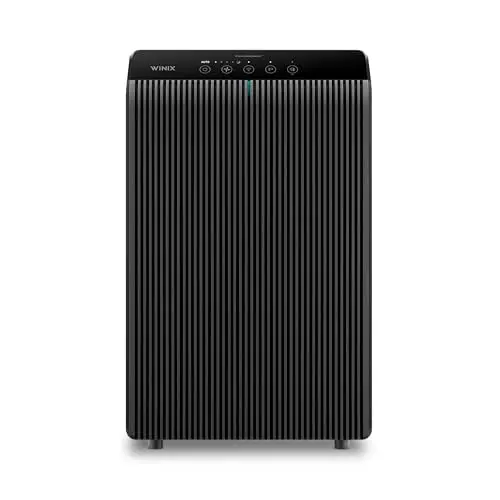
5510 – Large-Room HEPA with Odor Control
The Winix 5510 is the strongest all-around pick for a bird household because it pairs True HEPA filtration with a high-deodorization carbon filter and a washable pre-filter. The large-room coverage and auto mode suit rooms where feather dust and cage odors build up quickly, while the light-activated sleep mode keeps nighttime noise low.
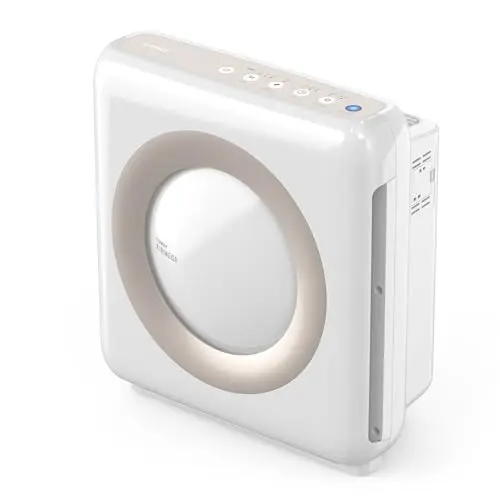
Mighty AP-1512HH – Four-Stage Filtration for Bird Rooms
The Coway Mighty AP-1512HH brings four-stage filtration, a real-time air quality indicator, and automatic fan speed control to a bird room. Its washable pre-filter is a practical first catch for feathers and large debris, and the deodorization filter targets everyday household odors. The bipolar device is the main detail to check if you are deliberately avoiding ionization around birds.
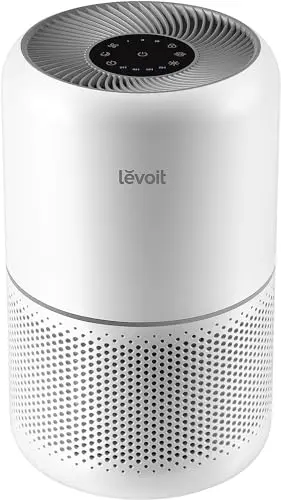
Core 300-P – Quiet HEPA for Bedrooms
The Levoit Core 300-P is a compact, quiet HEPA option that fits neatly into bedrooms and smaller bird spaces. It is AHAM-verified, uses a three-stage filter, and drops to a near-silent sleep mode. It is a sensible choice when you want credible filtration without a large footprint.
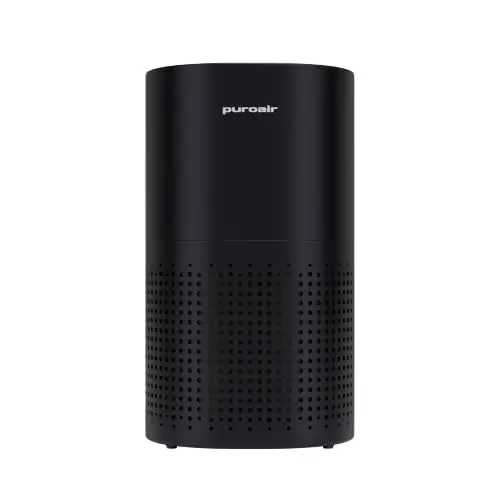
PuroAir 240 – Auto-Mode HEPA for Bird Odors
The PuroAir 240 combines a HEPA filter with carbon filtration and a particle sensor that adjusts fan speed automatically. Its 360-degree intake helps pull air from around the unit, and the sleep mode keeps operation subdued. It is a good fit for bird owners who want set-and-forget odor and dust control.
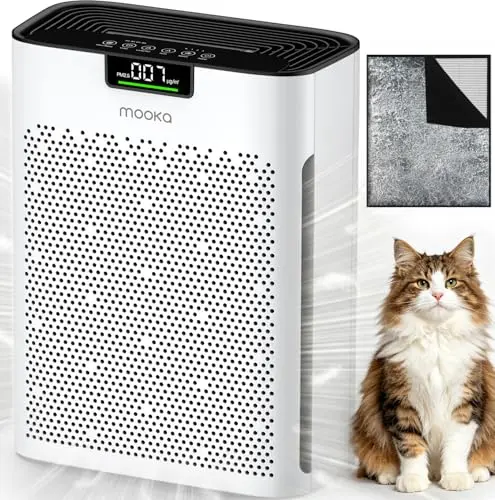
KJ190H – Washable Pre-Filter for Feather Dust
The MOOKA KJ190H is built around a larger front intake and dual-side inlets, which helps it pull in floating feathers, dander, and cage-area odors. It adds a washable pre-filter, a PM2.5 display, and auto mode. The aromatherapy pad is best left unused around birds, but the filtration package itself is practical for pet households.

HAP-607 – Large-Room HEPA with Turbo Mode
The FreAire HAP-607 is a large-room air cleaner with triple intake, a washable pre-filter, and a turbo mode for fast cleaning. Its PM2.5 display and auto mode make it easy to run without constant attention. For a dedicated bird room or aviary-adjacent space, the extra airflow is the main draw.
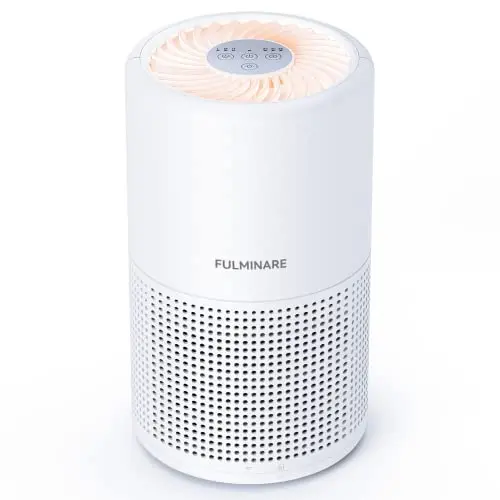
PU-P05 – Compact H13 HEPA for Small Spaces
The FULMINARE PU-P05 is a tiny H13 HEPA purifier for desks, small bedrooms, and tight corners. It runs quietly, includes a night light, and offers simple timer settings. It is best treated as a supplemental unit for a small bird space rather than a whole-room solution.
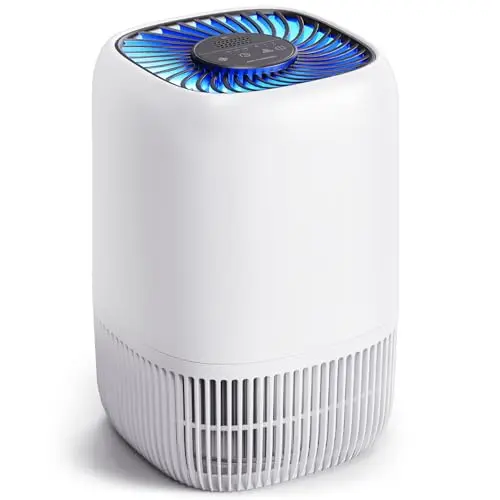
DH-JH12 – Compact 360-Intake Air Cleaner
The VOOPNU DH-JH12 is a compact 360-intake air cleaner with a HEPA filter, three speeds, and a timer. It is quiet enough for a bedroom and easy to place on a desk or shelf. The essential oil tray should stay empty in a bird household, but the purifier itself is a straightforward small-space option.
How We Evaluated These Air Purifiers for Birds
We didn’t run controlled lab tests or multi-month reliability trials. What we did: cross-referenced eight air purifier models from eight brands across six decision axes – true HEPA filtration, CADR and room coverage, carbon odor control, ionizer and scent risk, noise and sleep behavior, and filter maintenance. We triangulated published specifications, feature sets, owner feedback where available, and use-case fit for bird households. We mapped each unit against the realities of feather dust, dander, cage odors, and the sensitivity of bird respiratory systems. We also weighed how easy each unit is to live with day to day: filter access, pre-filter cleaning, display dimming, and whether the controls make sense without a manual. Where owner feedback was available, we used it to flag recurring annoyances rather than to rank by popularity.
The scoring framework weighted real-world fit for bird rooms (70%) against feature differentiation (30%). That means a purifier earned credit for clean-air delivery, odor control, and safe operation around birds before it earned credit for app support or display extras. We have no commercial relationship with any brand here; recommendations track fit and differentiation, not brand preference. If you want the strongest all-around bird-room pick, the Winix 5510 is the one; if you need a quieter compact unit for a smaller space, the Levoit Core 300-P is the better route.
How to Choose the Right Air Purifiers for Birds
1. Start With True HEPA and Real CADR for Bird Rooms
Birds produce feather dust, dander, and powder down that can stay airborne longer than you expect. For a bird room, the baseline is a True HEPA filter paired with a CADR rating that matches the room size. A big coverage claim is less useful than a realistic air exchange rate for the room you actually use. If you want a proven compact starting point for a bedroom-sized bird space, the Levoit Core 300-P is the easier unit to place and live with.
2. Why Activated Carbon Matters for Bird Odors and VOCs
HEPA captures particles, but it does not do much for cage odors or the volatile compounds that can come from cleaning supplies and cooking fumes. A carbon filter or deodorization layer is the part that helps with smells, and more carbon generally means better odor endurance. In a bird room, that matters because you want to reduce odors without adding air fresheners or scented sprays that can irritate sensitive respiratory systems. The Winix 5510 is the strongest odor-focused pick in this lineup because its carbon stage is a major part of the design.
3. Avoid Ozone, Ionizers, and Scented Add-Ons Around Birds
Bird respiratory systems are especially sensitive, so it is worth being conservative about ionizers, ozone generators, and essential oil diffusers. Some purifiers include an ionization feature or an aromatherapy tray; those are not the reasons to buy a unit for a bird household. If a spec sheet lists a bipolar device or ionization, confirm what it does and whether it can be disabled before you commit. The safest approach is a straightforward HEPA plus carbon purifier with no scent feature in use.
4. Match Air Purifier Size to Your Bird Room, Not the Whole House
Coverage numbers can be optimistic because they often assume a certain ceiling height and air exchange rate. Measure the actual room where the cage sits, then look for a purifier that can turn over that space several times per hour. A large-room unit makes more sense for a dedicated bird room or an open-plan space, while a compact purifier can be enough for a small bedroom or a single-cage corner. If you need turbo-level airflow for a bigger bird room, the FreAire HAP-607 is the pick here.
5. Noise, Sleep Mode, and Placement in a Bird Household
Birds can be startled by sudden noise, and a purifier that is too loud will get turned off at the worst time. Look for a sleep mode, a dimming display, and a low-speed rating that fits the room. Placement matters too: keep the intake away from curtains, cage covers, and loose bedding, and give the unit enough clearance to pull air freely. A quiet purifier that runs continuously is more useful than a powerful one you avoid using.
6. Filter Maintenance Around Feather Dust and Dander
Bird rooms load up pre-filters quickly, so a washable pre-filter is a practical feature. Check it often, rinse or vacuum it as needed, and replace the HEPA filter and carbon layer on the schedule the manufacturer specifies. A filter indicator helps, but it is not a substitute for a quick visual check in a room with heavy feather dust. Keeping spares on hand avoids the temptation to run a clogged filter because a replacement has not arrived.
Frequently Asked Questions
1. What should bird owners look for in an air purifier?
Start with a True HEPA filter, a carbon stage for odors, and a CADR rating that fits the room. Avoid ionizers, ozone generators, and any essential oil feature you might be tempted to use. Quiet operation and a washable pre-filter are practical bonuses in a bird room.
2. Is the Winix 5510 or Coway AP-1512HH better for a bird room?
The Winix 5510 is the better fit for most bird rooms because its advanced carbon filter and large-room airflow target odors and feather dust together. The Coway AP-1512HH is still a strong alternative if you want a real-time air quality indicator, but its bipolar device is a detail to check if you are avoiding ionization. Choose the Coway for air quality feedback; choose the Winix for heavier odor control.
3. How does the Levoit Core 300-P compare with the PuroAir 240 for smaller bird rooms?
The Levoit Core 300-P is the quieter, more compact choice, with AHAM-verified HEPA and a near-silent sleep mode. The PuroAir 240 adds a particle sensor and auto mode that reacts to air quality changes, but it is a taller unit. For a small bedroom cage, the Levoit is easier to live with; for automatic odor response, the PuroAir is the more proactive pick.
4. Can air purifiers help with feather dust and bird dander?
Yes, a True HEPA filter can capture a meaningful share of airborne feather dust, dander, and powder down. The key is running it continuously and matching the unit to the room. A washable pre-filter helps with the larger debris, while the HEPA stage handles the fine particles that stay suspended.
5. Are ionizers and essential oils safe around birds?
Be cautious. Ionizers and ozone generators are not features most bird owners should seek out, and essential oils can irritate sensitive respiratory systems. If a purifier has an aromatherapy tray, leave it empty around birds. A plain HEPA plus carbon unit is the safer default.
6. How often should I run an air purifier in a bird room?
Run it as close to continuously as your household allows, especially during cage cleaning and any dusty activity. A sleep mode lets it keep working overnight at lower speed, and an auto mode can respond when air quality drops. Check the pre-filter often and replace the HEPA filter on schedule rather than waiting for airflow to collapse.
Final Verdict
For most bird owners, the Winix 5510 is the pick that covers the most ground: True HEPA filtration, a serious carbon odor stage, and enough large-room airflow to keep a busy bird room from feeling stale. If your birds live in a smaller bedroom or you want a quieter, more compact unit, the Levoit Core 300-P is the easier fit. The Coway AP-1512HH remains a good choice when you want a real-time air quality indicator and automatic fan control, provided you are comfortable with its bipolar device. And if you just need a low-cost supplemental purifier for a small cage corner, the FULMINARE PU-P05 gets the job done. Match the purifier to the room and keep scent features off; that is the bird-safe path.
