
Best Air Purifiers For Cat Litter Dust – 2026 Reviews

The litter box is scooped, the floor is swept, and somehow the air still tastes like clay and ammonia. Cat litter dust does not stay put; it billows when you pour, hangs in the air after digging, and settles into every nearby surface. A regular room purifier can help, but the wrong one clogs fast, ignores odor, or runs too loud to leave on overnight.
The two axes that matter most are fine-particle capture and odor management. A purifier needs a real HEPA layer and a pre-filter that can take litter grit, plus enough carbon to make a dent in litter smell. Noise and placement matter just as much in a bedroom or small apartment, where the box often sits closer than you would like.
We looked across the market at models built for dust, pet dander, and everyday odors, then narrowed the field to units that make sense around a litter box. Some are compact, some are carbon-heavy, and one is the quiet default for a small sleeping space. Here is how they sort out for cat litter dust.
Best Air Purifiers for Cat Litter Dust – 2026 Reviews
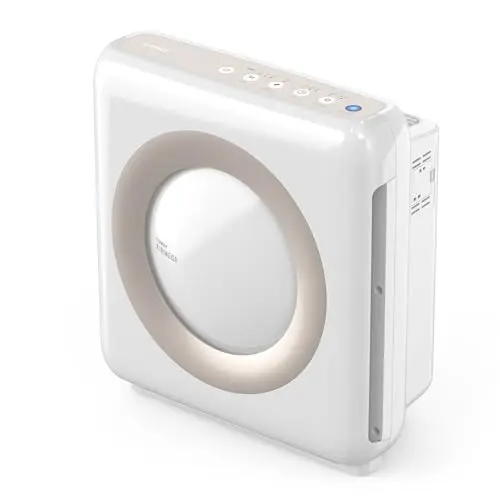
Mighty AP-1512HH(W) – Four-Stage Filtration for Litter Dust
A four-stage purifier with a washable pre-filter, deodorization filter, and HEPA layer, plus auto mode and a real-time air quality indicator. It is a strong fit for a living room or bedroom where litter dust and odor both need attention.
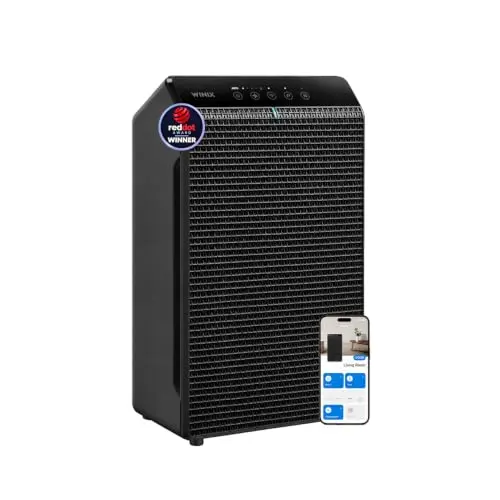
5520 – High-Deodorization Carbon for Litter Odor
A large-room purifier with a high-deodorization carbon filter, True HEPA layer, washable fine mesh pre-filter, and auto mode with app support. It is built for households where pet and litter odors are as noticeable as dust.
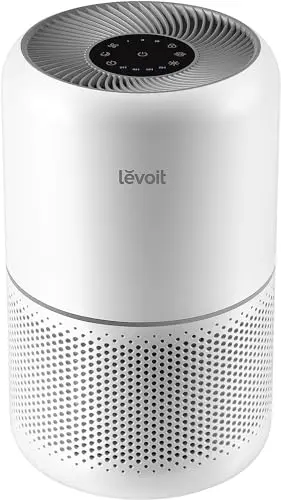
Core 300-P – Quiet HEPA for Bedroom Litter Zones
A compact AHAM Verifide purifier with a three-stage filter, quiet sleep mode, and a check-filter indicator. It suits bedrooms and small litter nooks where space and noise are tight.
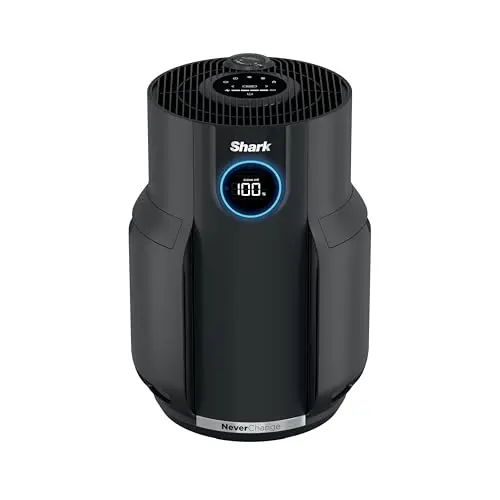
HP152 – Debris Defense for Pet Households
A pet-focused purifier with a washable Debris Defense screen, Anti-Allergen NanoSeal filtration, and CleanSense IQ air quality feedback. It is aimed at busy rooms with hair, dander, and litter crumbs.
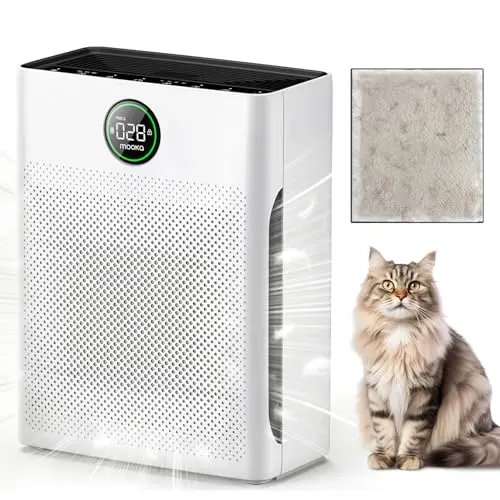
PR1 – Pet Mode with Washable Prefilter
A pet-oriented purifier with a dedicated Pet Mode, PM2.5 display, washable pre-filter, and auto mode. It is designed for litter-adjacent spaces and multi-pet homes.
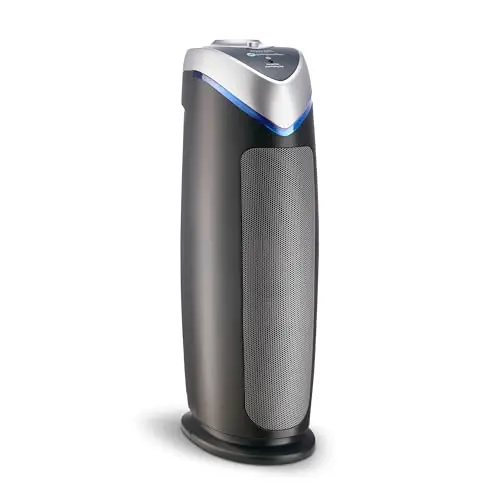
AC4825E – Budget Tower with UV-C
A tower purifier with HEPA Pure filtration, an activated carbon layer, and optional UV-C. It is a budget-friendly option for a bedroom or office near a litter box.
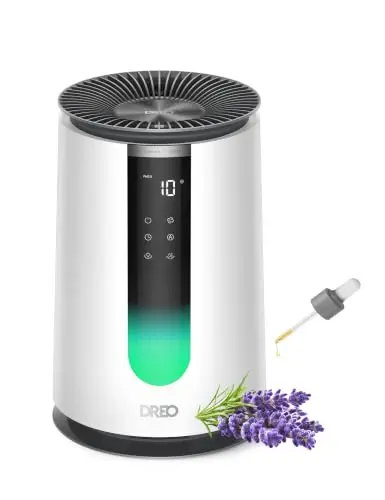
DR-HAP008 (338) – Compact Air Quality Monitor
A compact purifier with AHAM Verifide performance, a PM2.5 display, auto mode, and a scent diffuser. It fits small bedrooms and litter nooks with real-time air quality feedback.

B-D02L – Ultra-Quiet Budget Purifier
An ultra-quiet budget purifier with a true HEPA three-layer filter, aromatherapy pad, timers, and a night light. It works as a secondary unit in a small bedroom or litter area.
How We Evaluated These Air Purifiers for Cat Litter Dust
We didn’t run a litter-box chamber test or measure ammonia decay in a sealed room. What we did: cross-referenced 8 air purifier models from 7 distinct brands across 6 decision axes – fine-particle capture, odor control, pre-filter maintenance, room coverage, sleep-mode noise, and long-term filter ownership. We triangulated published specifications, feature sets, owner feedback where available, and use-case fit for homes with cats and clay or clumping litter. We audited each model’s published filter stack, maintenance routine, and sensor behavior, then pressure-tested the specs against the messy reality of a litter box that is scooped daily.
The scoring framework weighted real-world fit for litter dust and odor (70%) against feature differentiation (30%) – the things that separate a purifier that merely runs near a litter box from one that actually keeps up. We mapped washable prefilters, carbon capacity, sensor behavior, and filter-change reminders because litter dust loads a purifier differently than general room dust. That means a purifier with a thin carbon sheet or a hard-to-clean pre-filter loses ground even if its room rating looks impressive. Recommendations track fit and differentiation, not brand preference; we have no commercial relationship with the brands here. If you want the most balanced pick for a litter-adjacent room, the Coway Mighty AP-1512HH(W) is the one to start with. If odor is the louder problem, the Winix 5520 is the stronger route.
How to Choose the Right Air Purifier for Cat Litter Dust
1. Why Cat Litter Dust Is a Different Air Purifier Problem
Cat litter dust is not just ordinary room dust. Clay and clumping litters throw off fine particles when you pour, scoop, and when cats dig, and those particles can carry odor compounds. That means an air purifier for this job needs a true HEPA filter, a pre-filter that can handle grit, and a carbon stage for smell. A unit that only advertises a large room rating can still disappoint if its pre-filter clogs quickly or its carbon layer is thin.
2. HEPA and Pre-Filter Setup for Cat Litter Dust
Look for a washable pre-filter or a fine mesh screen that catches hair and litter crumbs before they reach the HEPA layer. That one feature can extend the life of the main filter and keep airflow from dropping. The HEPA filter should be rated for fine particles, and the housing should make the filter easy to remove without scattering dust. If you want a simple, proven setup, the Coway Mighty AP-1512HH(W) uses a four-stage design with a washable pre-filter; for a compact room, the Levoit Core 300-P is an easier fit. Both are decisions anchored in filter sequence, not marketing labels.
3. Odor Control for Cat Litter Dust: Carbon Filters and Realistic Expectations
Odor control is where litter purifiers separate. A carbon filter helps with ammonia and general litter smell, but carbon has a finite capacity and bulk matters. A thin carbon sheet will not keep up with a multi-cat box, while a high-deodorization carbon filter or an odor-neutralizer cartridge is more realistic. If odor is your main complaint, the Winix 5520 is the pick here because its carbon stage is built for heavier household odors. Do not expect any purifier to replace scooping and ventilation; it is a support tool, not a substitute.
4. How Much Air Purifier Coverage Do You Need for Cat Litter Dust?
Match room coverage to the space where the litter box sits, not the whole house. A purifier rated for a large room will run more efficiently in a smaller litter nook, but a compact unit can struggle in an open-plan room. Use the one-air-change-per-hour number as a rough guide, and remember that doorways and furniture change real-world airflow. For a small bedroom, a compact air purifier is often enough; for a large pet room, choose a model with a higher CADR and a robust pre-filter. Placement near the box, with clearance, matters as much as the spec sheet.
5. Noise, Sleep Mode, and Placement Near the Litter Box
Sleep mode matters if the litter box is near a bedroom. A unit that runs at a low decibel level and can turn off display lights is easier to live with than a bright, noisy box. Auto mode is also useful because litter dust spikes after scooping and settles again, so the purifier can ramp up and calm down without you touching it. If you are sensitive to fan noise, prioritize a model with a quiet sleep setting over one with a higher top-end speed you will rarely use.
6. Filter Costs and Maintenance for Cat Litter Dust
Filter replacement is the long-term cost that matters most. A washable pre-filter reduces how often you buy main filters, and a filter indicator removes the guesswork. Models with long-life filtration or NeverChange-style designs can reduce replacement frequency, but check what the main filter actually costs before committing. In a cat household, budget for more frequent pre-filter cleaning and a realistic replacement schedule. The Shark HP152 is worth considering if replacement frequency is your main frustration, while the GermGuardian AC4825E is the simpler budget path. Neither eliminates routine maintenance.
Frequently Asked Questions
1. Coway Mighty AP-1512HH(W) vs Winix 5520: Which handles cat litter dust better?
The Coway Mighty AP-1512HH(W) is the more balanced choice when you want dust capture and odor control in one package, thanks to its washable pre-filter and four-stage filtration. The Winix 5520 leans harder into odor with its advanced carbon filter and adds app monitoring, but both are credible for litter-adjacent rooms. Choose the Coway for simpler maintenance; choose the Winix if litter odor is your daily frustration. For most people, the Coway Mighty AP-1512HH(W) is the easier default.
2. Levoit Core 300-P vs Shark HP152: Which is better for a small bedroom near the litter box?
The Levoit Core 300-P is the better fit for a small bedroom because it is compact, quiet in Sleep Mode, and easy to tuck beside furniture. The Shark HP152 has the edge in debris defense and real-time air quality feedback, which helps in a busier pet room, but it is a larger commitment in space and filter planning. If the litter box is in a dedicated nook, the Shark HP152 makes sense; if it is in your sleeping space, go with the Levoit Core 300-P.
3. Do I need a pet-specific air purifier for cat litter dust?
Not strictly. A true HEPA filter with a washable pre-filter and a carbon layer handles the basics, which is why the Coway Mighty AP-1512HH(W) and Winix 5520 work well without a dedicated pet mode. A pet-specific mode can be useful because it ramps up airflow for hair and odor, but it is a convenience rather than a requirement. Focus on filter sequence and room coverage first.
4. Where should I place an air purifier to catch cat litter dust?
Put it near the litter box but not against the wall, with enough clearance for the intake to pull air freely. A low or tower placement works because litter dust settles and kicks up near floor level, but avoid a spot where the unit pulls in scooping debris directly. Running it on auto mode or a medium setting after scooping helps clear the spike, and a washable pre-filter makes that routine easier to maintain.
5. How often should I clean the pre-filter on an air purifier for cat litter dust?
Check the pre-filter weekly in a multi-cat home and rinse or vacuum it when you see a visible gray film. Litter dust loads a pre-filter faster than general room dust, so a washable pre-filter is a real advantage. Follow the filter indicator for the main HEPA cartridge, and replace it on the manufacturer’s schedule rather than waiting for airflow to collapse.
Final Verdict
For most cat households, the Coway Mighty AP-1512HH(W) is the answer because it balances fine-dust capture, odor filtration, and maintenance-friendly design without making you babysit the machine. If litter odor is the problem you notice first, the Winix 5520 gives you a carbon-heavy setup and smart auto behavior. For a small bedroom or a tight litter nook, the Levoit Core 300-P is the quieter, more compact route, while the Shark HP152 makes sense for a busier pet room where hair and litter crumbs are constant. Start with room size and odor load, then choose the purifier that matches both rather than chasing the biggest coverage number. The right pick is the one you can leave running in the background.
