
Best Air Purifiers For Cat Litter Smell – 2026 Reviews

Cat litter smell doesn’t stay in the litter box. Ammonia and stale litter odors drift into hallways, cling to upholstery, and settle into the room where the box lives. A room spray masks the problem for a few minutes; an air purifier has to actually move enough air through carbon and HEPA media to make a dent.
The two specs that matter most for this job are odor filtration and room coverage. A HEPA filter catches dander and dust, but it’s the carbon or deodorization stage that addresses ammonia and organic litter smells. Coverage matters because a purifier tucked beside the box needs to clean the whole room, not just the air immediately around it.
Noise and placement are the practical tiebreakers. A unit that’s too loud will get switched off, and one that’s oversized for the space can be overkill. The picks below span large-room towers, bedroom-friendly models, and a dedicated litter-box odor eliminator, so you can match the machine to the room and the smell.
Best Air Purifiers for Cat Litter Smell – 2026 Reviews
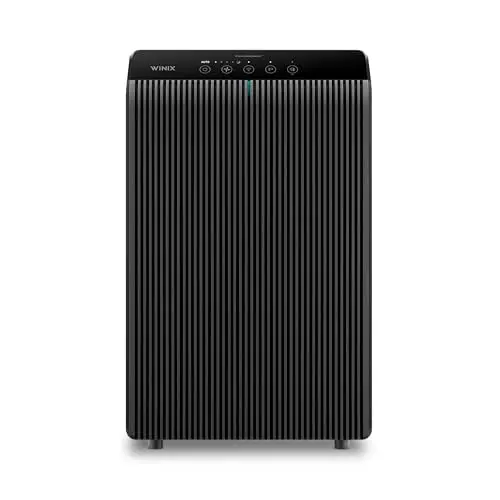
5510 – Advanced Carbon Odor Control
A large-room air purifier with a true HEPA filter and a high-deodorization carbon filter aimed at pet odors, smoke, and household smells. The auto mode and air-quality sensor let it ramp up when the litter box is working overtime.
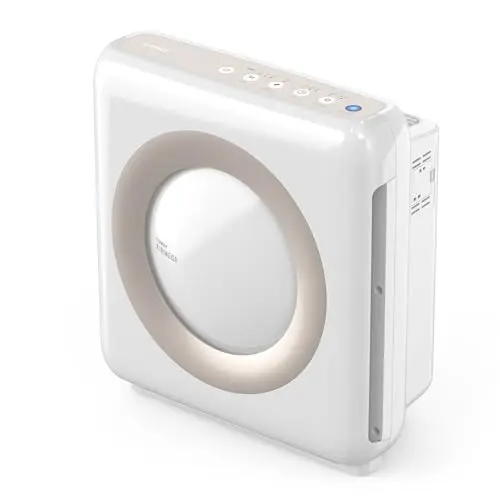
Mighty AP-1512HH – Four-Stage Odor and Allergy Control
A four-stage air purifier with a washable pre-filter, deodorization filter, and HEPA media. It covers large rooms, monitors air quality, and can turn off its lights for night use.
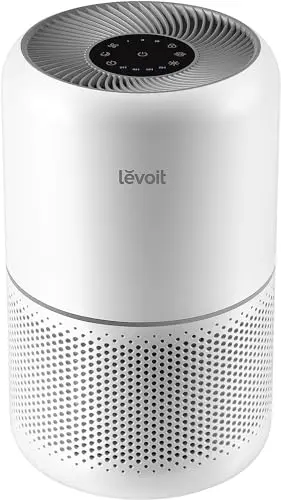
Core 300-P – Quiet HEPA for Bedrooms
A compact HEPA air purifier with a quiet sleep mode and simple controls. It is a practical bedroom or small-living-space pick for pet dander, dust, and everyday odors.
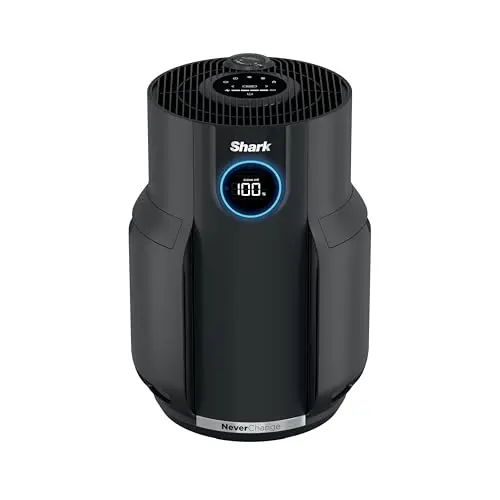
NeverChange HP152 – Long-Life Odor Neutralizer
A compact purifier with an odor-neutralizer cartridge and a washable debris screen. The long-life filter design reduces replacement hassle, and the display shows real-time air quality.
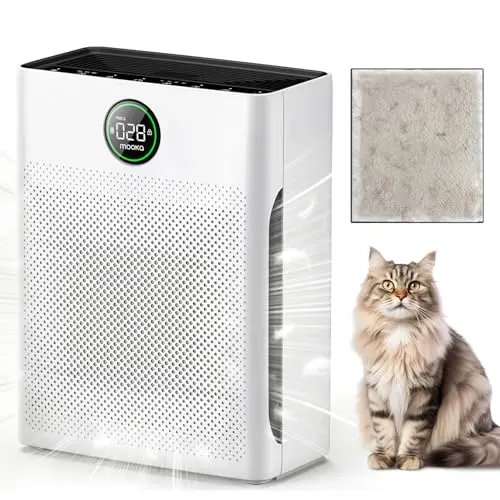
PR1 – Pet Mode with Washable Pre-Filter
A pet-focused purifier with a washable pre-filter, PM2.5 display, and a dedicated pet mode. It is built for larger rooms and litter-adjacent spaces where hair and odor accumulate.
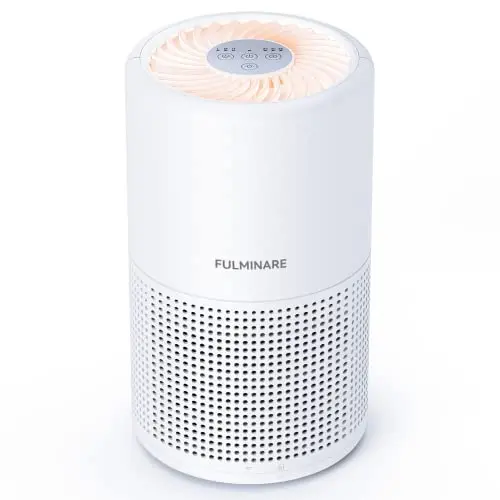
PU-P05 – Compact Night-Light Air Cleaner
A very small air purifier with a night light and timer. It suits tiny rooms, dorm spaces, or a spot near the litter box where full-size units won’t fit.
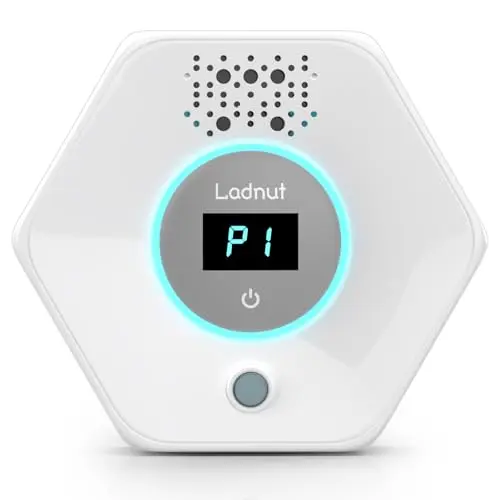
CW-A02 – Dedicated Litter-Box Odor Eliminator
A plug-in ozone and negative-ion odor eliminator designed specifically for litter-box areas. It has a motion sensor and three modes, but it is not a HEPA particle filter.
How We Evaluated These Air Purifiers for Cat Litter Smell
We didn’t run controlled lab tests for ammonia, VOC, or ozone output. What we did: cross-referenced seven air purifier models from seven distinct brands across five decision axes – odor filtration stages, room coverage and CADR, noise and sleep operation, filter maintenance and replacement, and pet-safe operation. We triangulated published specifications, feature sets, and owner feedback where available, then mapped each option against the realities of a litter-box room: lingering ammonia, airborne dander, hair, and the occasional odor spike.
We treated manufacturer coverage figures as claims to compare, not as lab-verified room sizes. The scoring framework weighted real-world fit for cat litter smell (70%) – how well each unit moves air through carbon or deodorization media and covers the room – against feature differentiation (30%) – unique advantages like washable pre-filters, auto modes, or dedicated pet settings. We have no commercial relationship with any brand featured; recommendations track fit and differentiation, not brand preference.
If you want the strongest large-room odor package, the Winix 5510 is the natural starting point; if quiet operation and simple controls matter more, the Coway AP-1512HH is the calmer alternative. A few things we can’t tell you: how a specific litter formula, box placement, or room airflow will perform in your home. What we can: point you to the units with the most credible odor-control hardware and the least friction for daily use.
How to Choose the Right Air Purifier for Cat Litter Smell
1. Why Carbon and Odor Filtration Matter for Cat Litter Smell
Cat litter smell is mostly a gas problem. Ammonia and other litter-breakdown gases are too small for a HEPA filter to capture, which is why an air purifier needs a real activated carbon or deodorization filter stage. That carbon layer adsorbs VOCs and odor molecules rather than just trapping particles.
A HEPA filter still matters because it catches dander, dust, and hair that carry odor and trigger allergies. The best setup pairs both: HEPA for particles, carbon for smell. If a listing talks only about HEPA and never mentions carbon or deodorization, don’t expect it to fix litter odor on its own.
2. Match Air Purifier Coverage to Your Litter-Box Room
Room coverage is where many purifier purchases go wrong. Look at CADR and the recommended room size, then think in air changes per hour rather than one big headline number. A litter room benefits from more frequent cycling, especially right after scooping.
If the box lives in a bedroom or small office, the Levoit Core 300-P is the more sensible size. In a larger open area, a bigger unit with stronger room coverage will clear the air faster and recover from odor spikes more effectively.
3. Noise, Placement, and Daily Operation for Cat Litter Smell
Noise decides whether the purifier actually stays on. A unit with a good sleep mode and a readable auto mode is easier to leave running overnight, when litter odors can build up unnoticed. Placement matters too: give the intake some clearance and avoid boxing the unit into a cabinet.
For a compact room, the Shark HP152 balances a small footprint with an odor-neutralizer cartridge. Just keep placement in mind: a purifier tucked behind a door or curtain won’t move air through the room the way it should.
4. HEPA Air Purifiers vs. Dedicated Odor Eliminators
Dedicated odor eliminators are a different tool. Plug-in devices that use negative ions can help particles settle, and some add low-level ozone to attack odors. They are not a substitute for carbon filtration and HEPA when you want broad, continuous air cleaning.
If you want a dedicated litter-box device, the Ladnut CW-A02 is designed for that niche. Treat ozone as a supplemental option, follow the maker’s guidance, and keep the room ventilated.
5. Filter Costs, Maintenance, and Pet-Safe Operation
Maintenance is the difference between a purifier that works and one that just moves stale air. Clean the washable pre-filter regularly, watch the filter indicator, and set a realistic replacement schedule for the carbon stage. Litter odor is a heavy load, so carbon can exhaust faster than the HEPA media.
The MOOKA PR1 includes a washable pre-filter and a pet mode, which helps with hair load. Whatever you choose, keep a spare carbon filter on hand if the litter box is in a small, poorly ventilated room.
Frequently Asked Questions
1. What's the difference between the Winix 5510 and Coway AP-1512HH for cat litter smell?
Both are large-room HEPA purifiers with carbon stages, but they emphasize different strengths. The Winix 5510 leans harder into odor control with an advanced carbon filter and app support, while the Coway AP-1512HH uses a four-stage deodorization setup and simpler controls.
For litter-box ammonia, the Winix’s odor-focused carbon layer is the more direct match. The Coway is the quieter alternative and a strong choice if you want a proven, low-fuss purifier without app features.
2. How does the Shark HP152 compare with the MOOKA PR1 for pet odors?
The Shark HP152 is the compact, low-maintenance route. It uses an odor-neutralizer cartridge and a long-life filter, so it suits a small litter room where replacement chores are unwelcome.
The MOOKA PR1 is more pet-focused, with a pet mode, a washable pre-filter, and a PM2.5 display. Choose the Shark for a tighter footprint; choose the MOOKA if hair load is high and you want a larger-room purifier with more airflow settings.
3. Will a plug-in negative ion deodorizer replace a HEPA air purifier for cat litter smell?
No. Negative-ion devices can help particles settle, but they don’t provide the same particle capture as a HEPA filter or the gas adsorption of a substantial carbon stage. They are best treated as supplements, not replacements.
Ozone-generating devices can knock down odors, but ozone is an irritant and should be used cautiously around pets and people. For continuous litter odor control, a carbon-and-HEPA air purifier is the safer primary tool.
4. How often should I replace the carbon filter in an air purifier for cat litter smell?
Expect to replace the carbon filter more often in a cat-litter home than in a no-pet household. Use the filter indicator as a guide, but also trust your nose: if odor returns quickly after cleaning the washable pre-filter, the carbon stage is likely spent.
A reasonable approach is to check the filter every few months and replace it at the first sign of odor breakthrough. Small rooms and strong ammonia loads shorten carbon life.
5. Can an air purifier eliminate cat litter smell completely?
An air purifier can reduce airborne ammonia and lingering litter odor, but it can’t fix the source. Daily scooping, fresh litter, and good ventilation do more to prevent the smell than any filter alone.
The right unit is still valuable as source control support: it keeps dander and odor from spreading through the room. Think of it as part of a layered odor control routine, not a magic reset button.
Final Verdict
For most cat litter rooms, the Winix 5510 is the pick that balances serious odor filtration, large-room coverage, and low-fuss operation. Its advanced carbon stage and auto mode make it the easiest recommendation when the litter box shares space with a living area. If quiet operation matters more than app control, the Coway AP-1512HH is the calmer runner-up, with a four-stage filter and simple controls. For a bedroom or small office, the Levoit Core 300-P gets you credible HEPA filtration in a compact, sleep-friendly package. And if you want a dedicated device right beside the box, the Ladnut CW-A02 targets litter odors directly, though it works best as a supplement to a carbon-and-HEPA purifier. Match the machine to the room, stay on top of filter changes, and the smell stops running the house.
