
Best Air Purifiers For Cat Odor – 2026 Reviews

Cat odor is stubborn because it is really two problems wearing one collar. Hair and dander are particles, while the smell itself comes from gases like ammonia and sulfur compounds. A purifier that only catches hair will make the air feel cleaner without solving the litter-box smell.
The models that handle cat odor well usually share two traits: real carbon media for gas-phase odors and enough airflow to keep cycling the room. Coverage claims can be misleading, since one-hour coverage is not the same as steady odor control in the room where your cat actually spends time.
We compared air purifiers across major brands with an eye on carbon filter design, pre-filter maintenance, noise, and auto-mode behavior around litter boxes. The goal is simple: help you pick from the whole market, not just the loudest brand on the shelf.
Best Air Purifiers for Cat Odor – 2026 Reviews
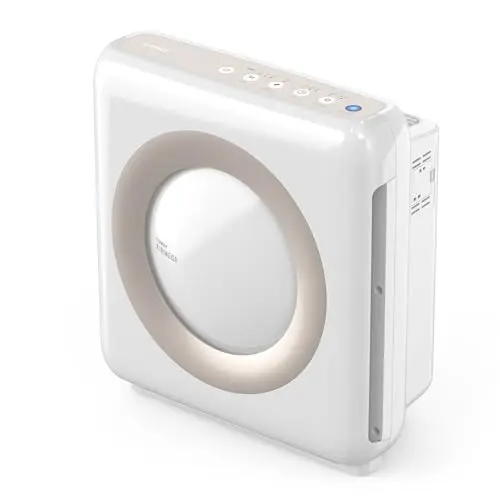
AP-1512HH – Four-Stage Odor Control
A four-stage purifier built for whole-room cleanup, with a washable pre-filter, deodorization media, HEPA filtration, and an air-quality sensor that shifts the fan automatically. The AP-1512HH is a practical fit for cat households that want odor and dander control without constantly adjusting settings.
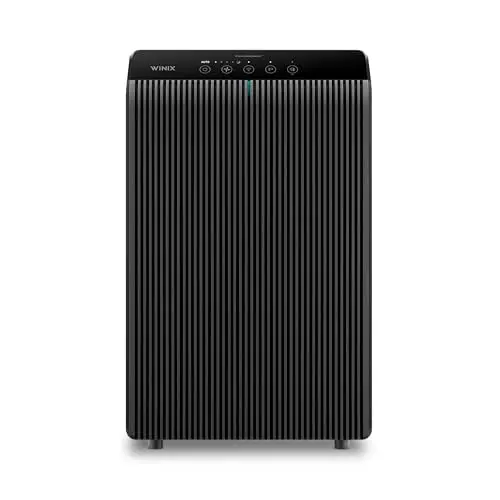
5510 – Advanced Carbon Filtration with Smart App
A large-room purifier with a true HEPA layer, an advanced odor-control carbon filter, and smart sensors that adjust fan speed automatically. The 5510 adds app control and a light-activated sleep mode, making it a strong choice when litter-box odor is the main complaint.
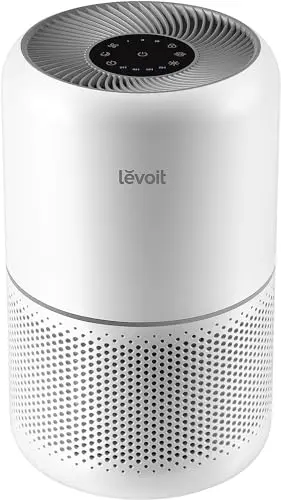
Core 300-P – Compact HEPA for Bedroom Odor
A compact, AHAM-verified purifier with a three-stage filter and a genuine sleep mode. The Core 300-P is sized for bedrooms and small living areas where cat odor and dander need steady, quiet cleanup.
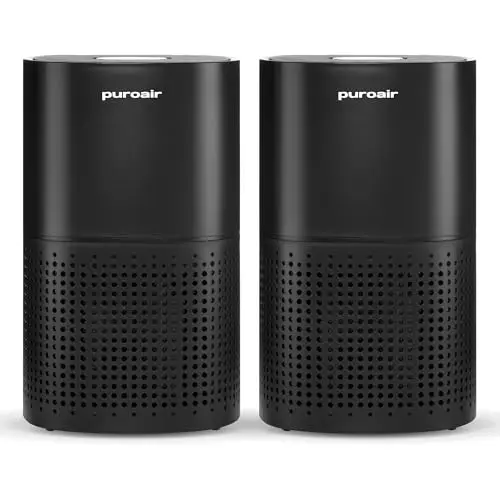
PuroAir 240 – Two-Room Odor Coverage
A two-pack of large-room purifiers with a three-layer filter, activated carbon, and a particle sensor that triggers auto mode. The PuroAir 240 is a practical setup for households that want coverage in two cat-heavy rooms.
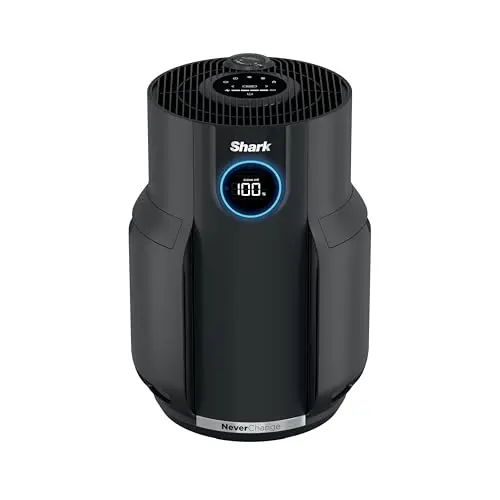
HP152 – NeverChange Filter with Odor Neutralizer
A compact purifier with HEPA-exceeding filtration, a washable debris screen, and an Odor Neutralizer cartridge that releases a light scent while it works. The HP152 is a good fit for cat owners who want odor control plus a filter that lasts.
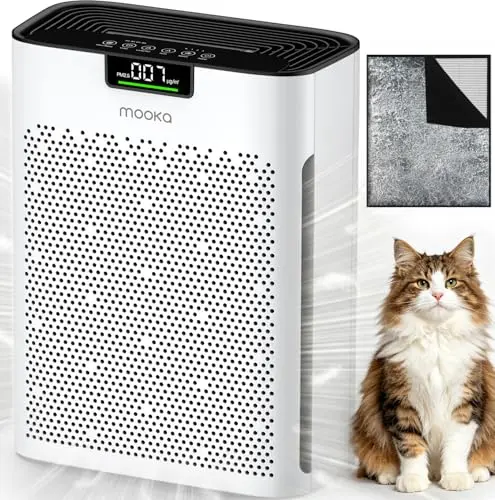
KJ190H – Pet-Focused Intake and Washable Pre-Filter
A pet-focused purifier with larger front and side intakes, a washable pre-filter, and a PM2.5 display. The KJ190H is built to grab pet hair and odors quickly in bedrooms and medium-sized living areas.
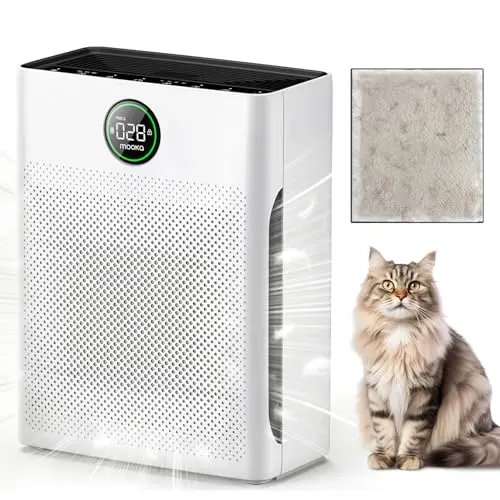
PR1 – Pet Mode with PM2.5 Display
A pet-oriented purifier with a dedicated Pet Mode, a four-stage filter, and a PM2.5 air-quality display. The PR1 is a budget-friendly option for bedrooms and small living spaces with shedding cats.
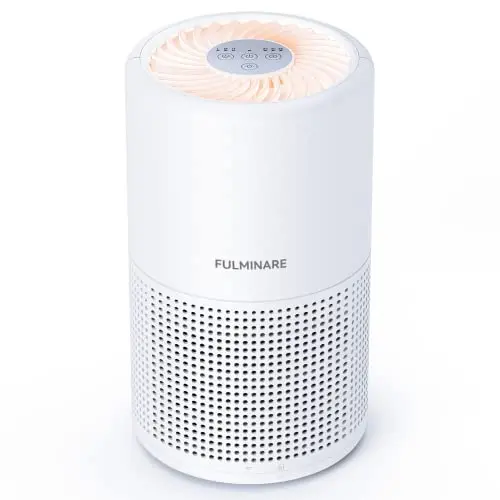
PU-P05 – Compact Night-Light Air Cleaner
A tiny H13 HEPA purifier with a night light and multiple timers, sized for desks, dorms, and small nooks. It is a supplemental cleaner rather than a whole-room solution for cat odor.
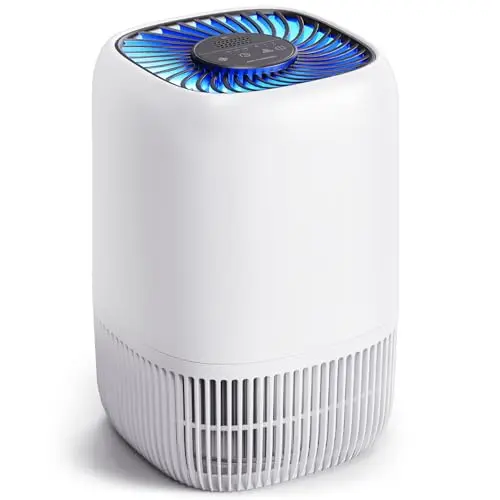
DH-JH12 – Compact 360-Intake Air Cleaner
A small 360-intake purifier with a triple-layer filter, essential oil tray, and quiet operation. The DH-JH12 is a compact option for desks, nurseries, and small rooms that need light odor and particle cleanup.
How We Evaluated These Air Purifiers for Cat Odor
We didn’t run controlled odor-chamber tests or measure VOC decay with lab instruments. What we did: cross-referenced 9 air purifier models from 8 distinct brands across six decision axes – carbon filter design, pre-filter and pet-hair handling, coverage and airflow, noise and sleep behavior, smart sensors and auto mode, and filter maintenance. We paid particular attention to whether the carbon filter is a real, serviceable layer or a thin sheet that will fade in a few weeks. We triangulated published specifications, feature sets, owner feedback where available, and use-case fit against the realities of a cat household: litter-box odor, shedding, and rooms that need steady cleanup rather than a one-time blast.
Our scoring framework weighted real-world fit for cat odor (70%) – how well each unit combines particle capture with gas-phase odor control – against feature differentiation (30%) – unique advantages like washable pre-filters, odor-neutralizer cartridges, or app controls. We audited coverage claims against the airflow and filter design each model actually lists, and mapped each pick to a specific buyer profile. Where feedback was uneven, we treated it as a caveat rather than a verdict. We have no commercial relationship with any brand here; recommendations track fit and differentiation, not brand preference. If you want the most balanced set-and-forget pick, the Coway AP-1512HH is the one we’d start with; if odor control is the main event, the Winix 5510 is the stronger specialist.
How to Choose the Right Air Purifiers for Cat Odor
1. Why Cat Odor Needs Carbon, Not Just HEPA
HEPA filtration is excellent at catching cat hair and dander, but it does not remove the gases that make litter boxes smell. That job falls to activated carbon, which adsorbs gas-phase odors like ammonia and sulfur compounds. A purifier with a token carbon sheet may help for a week; one with a substantial carbon layer is the better long-term bet.
The best setup pairs a pre-filter for hair with carbon for odor and HEPA for particles. If odor is the main event, the Winix 5510 is the pick because its carbon stage is designed specifically for household odors.
2. Match Coverage and Airflow to Your Cat's Favorite Room
Coverage numbers are usually based on one air change per hour, which is a low bar for odor control. Look at CADR and the room size you actually need to clean, not the biggest number on the box. A bedroom needs far less airflow than an open-plan living area, and a purifier that is undersized will run loud and still lose ground on litter-box smell.
Air changes per hour matter more than a single headline coverage figure. For a bedroom-sized space, the Core 300-P is the practical match because its compact size and quiet sleep mode suit closed rooms.
3. Pre-Filters and Pet Hair: The Maintenance Layer
A washable pre-filter is the unsung hero in a cat home. It catches pet hair and larger debris before they reach the HEPA layer, which keeps airflow strong and extends the life of the more expensive filters. If the pre-filter mats over, the purifier works harder and odor control suffers.
Use the filter indicator as a guide, but do not ignore visual checks. A realistic replacement cadence in a cat household is shorter than what a pet-free home needs, especially for the carbon stage. Clean the pre-filter often and keep a spare carbon filter on hand.
4. Noise, Sleep Mode, and Placement Around the Litter Box
Odor control works best when the purifier runs continuously, so noise matters. A good sleep mode should be quiet enough to leave on overnight, and an auto mode should ramp up when the air-quality sensor detects a change rather than waiting for you to notice.
Placement is part of the job. Put the unit near the litter box but not so close that the intake is blocked by a wall or furniture. You want steady airflow through the odor zone, not a purifier tucked into a corner where it recycles the same air.
5. Budget vs. Mid-Range vs. Premium Air Purifiers for Cat Odor
Budget-friendly air purifiers can work well in bedrooms, but they usually have smaller carbon media and less airflow. Mid-range models tend to add better carbon layers, smart sensors, and quieter operation. Premium units bring larger coverage, longer filter life, or specialized odor-control features.
Spend up if the litter box is in an open living space or you have multiple cats. If you want two-room coverage without stepping into premium territory, the PuroAir 240 two-pack is the practical pick.
6. When a Small Air Purifier Is Enough
A compact purifier can be useful in a bathroom, closet, or litter-box nook, but it is a supplemental tool, not a whole-room solution. Small units have less airflow and less carbon, so they cannot keep up with a strong odor source in an open living area.
Use one where the cat actually spends time and pair it with a room-sized purifier if the smell travels. The tiny models make sense for spot cleanup, not as the only line of defense.
Frequently Asked Questions
1. Do air purifiers actually remove cat odor, or just cat hair?
They can do both, but not with the same filter layer. HEPA filtration captures cat hair and dander, which helps with allergies and keeps the air from feeling gritty. Cat odor is mostly a gas problem, so you need activated carbon to adsorb odor molecules. A purifier with a thin carbon sheet will help a little; one with a substantial carbon layer is the better bet. The Coway AP-1512HH is a good example of a balanced design with a washable pre-filter, deodorization media, and HEPA.
2. What's the difference between the Coway AP-1512HH and Winix 5510 for cat odor?
The Coway AP-1512HH is the more balanced all-rounder: four-stage filtration, a deodorization filter, and auto mode in a compact body. The Winix 5510 leans harder into odor control with an advanced carbon filter, a True HEPA layer, and app controls. If you want one unit that handles dander and odor without much fuss, Coway is the easier default. If litter-box odor is the loudest problem and you want smart controls, the Winix 5510 is the better specialist.
3. Levoit Core 300-P vs. Shark HP152: which is better for cat odor?
The Levoit Core 300-P is simpler and more compact, with AHAM-verified performance, a three-stage filter, and a very quiet sleep mode. It is best for a bedroom or small den. The Shark HP152 adds an Odor Neutralizer cartridge and a HEPA-exceeding filter, so it is the stronger choice if you want scent-based odor control and a low-maintenance filter. If you dislike fragrance near the litter box, pick the Levoit. If you want extra odor help and do not mind a scent, the Shark is the more targeted pick.
4. How often should I replace the carbon filter in an air purifier for cat odor?
Follow the filter indicator first, but expect a cat household to be harder on carbon than a pet-free home. Odor breakthrough – when the unit no longer keeps up with litter-box smell – is your cue to check the carbon layer. Clean the washable pre-filter regularly so hair does not smother the main filter, and replace carbon more often if you run the purifier continuously. A spare carbon filter on hand makes the job less annoying.
5. Do I need a washable pre-filter for pet hair?
It helps more than most specs suggest. A washable pre-filter catches cat hair and larger debris before they reach the HEPA layer, which keeps airflow strong and extends filter life. It also makes routine maintenance cheaper because you rinse or vacuum the screen instead of replacing it. Look for a pre-filter that is easy to remove without tools, and clean it whenever it looks matted. A filter reminder is a nice backup, but your eyes are the better guide in a shedding household.
Final Verdict
For most cat households, the Coway AP-1512HH is the answer – it combines a washable pre-filter, deodorization media, and auto mode without asking you to think about it. If odor is the loudest problem, the Winix 5510 and its advanced carbon filter are the stronger odor-focused pick. On a tighter budget, the Levoit Core 300-P gets you quiet, verified filtration for a bedroom-sized space. And if you want pet-mode airflow plus a washable pre-filter, the MOOKA KJ190H is the pet-forward alternative. Match the unit to the room where the litter box lives, keep the pre-filter clean, and replace carbon on schedule; that routine matters more than any single spec.
