
Best Air Purifiers For Chemical Sensitivity – 2026 Reviews

Chemical sensitivity rarely shows up as one tidy symptom. It can be a headache after new furniture arrives, a scratchy throat when the neighbors’ smoke drifts in, or a feeling that every cleaning product lingers longer than it should. A standard HEPA purifier can help with the particles, but it may not touch the gases and odors that set you off.
The models that work best for this use case tend to share a few traits: a real carbon stage, a sealed filter path, and enough airflow to cycle the room without blasting irritants around. You also want a purifier you can leave running overnight, because chemical sensitivity is a marathon, not a one-time cleanup.
We compared the category across major brands and focused on carbon depth, VOC and odor control, coverage, noise, and maintenance. The goal is simple: help you pick the right air purifier for your room and your sensitivity, not the one with the loudest marketing claim.
Best Air Purifiers for Chemical Sensitivity – 2026 Reviews
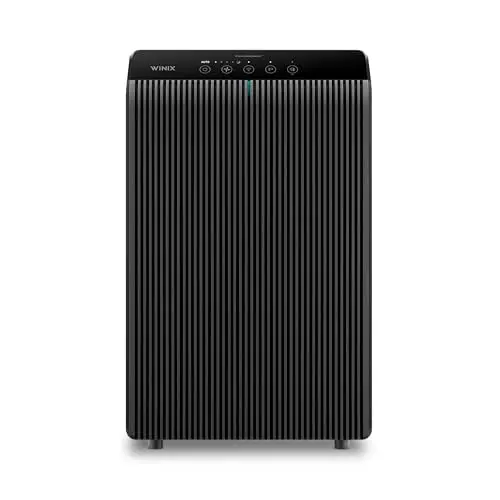
5510 – High-Carbon VOC Defense
A large-room purifier with a True HEPA filter, high-deodorization carbon filter, and smart sensors that adjust fan speed automatically. The 5510 adds app control and a light-activated sleep mode to the proven 5500-style platform.

Eleva 300X – Sealed HEPA With Upgradeable Carbon
A fully sealed HEPA purifier with separate HEPA and activated carbon layers, a three-in-one PM sensor, and app-based AI insights. The Eleva 300X is built for buyers who want to tune carbon filtration over time.
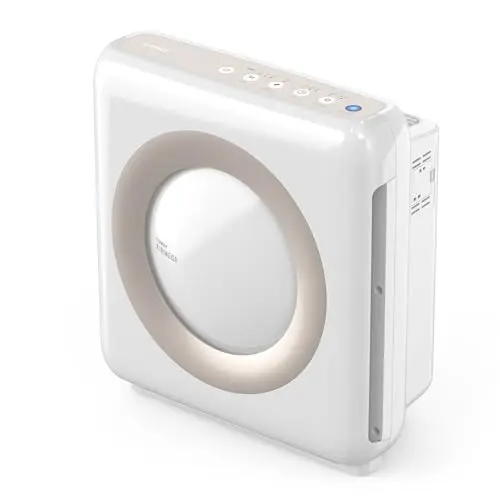
Mighty AP-1512HH(W) – Proven Odor and Allergen Control
A long-running favorite with a four-stage filtration system, deodorization filter, air-quality indicator, and auto mode. The Mighty is compact for its coverage and easy to live with.
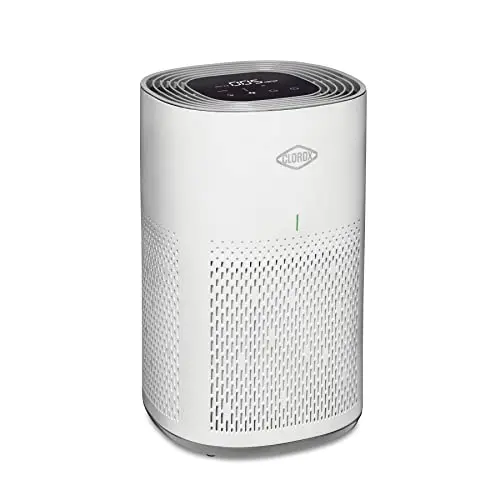
11030 – True HEPA With Carbon Odor Control
A medium-room purifier with 360-degree intake, True HEPA filtration, an active carbon layer, and a PM2.5 display. It’s a straightforward carbon-plus-HEPA option with a three-year warranty.
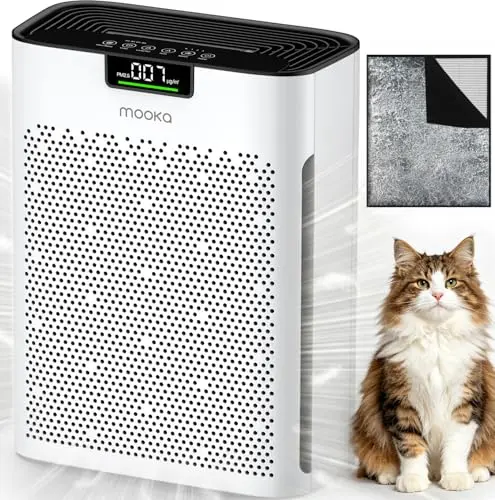
KJ190H – Budget Carbon Pellet Purifier
A budget-friendly large-room purifier with a washable pre-filter, three-stage filtration, activated carbon pellets, PM2.5 display, and a quiet sleep mode. It also includes an aromatherapy pad and child lock.
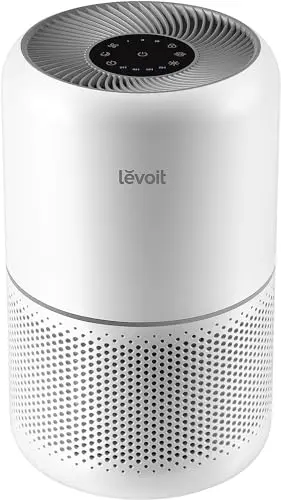
Core 300-P – Compact Quiet HEPA
A compact bedroom purifier with a three-in-one HEPA-grade filter, quiet sleep mode, and a check-filter indicator. It’s AHAM Verifide and CARB compliant for smaller rooms.
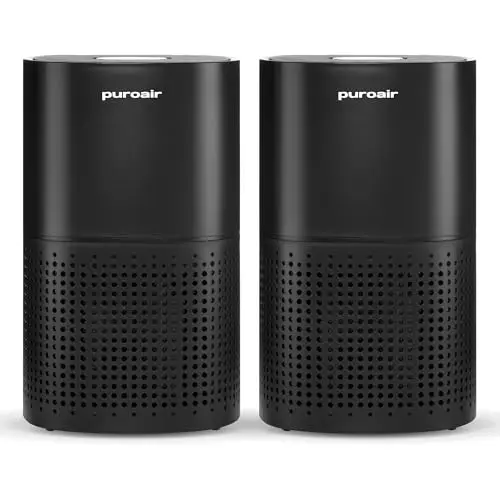
Air 240 – Two-Pack Carbon Filtration
A two-pack of large-room purifiers with a three-layer HEPA and carbon system, a particle sensor, auto mode, and quiet sleep setting. The bundle suits multi-room coverage.
How We Evaluated These Air Purifiers for Chemical Sensitivity
We didn’t test these air purifiers in a sealed environmental chamber or run lab-grade VOC decay measurements. What we did: cross-referenced 7 air purifier models from 6 distinct brands across 5 decision axes – carbon filtration media, HEPA grade and sealing, room coverage and airflow, air-quality sensing and auto mode, and noise plus filter maintenance. We triangulated published specifications, feature sets, owner feedback where available, and fit for chemically sensitive buyers who need odor and VOC control without unnecessary irritation. We also audited whether each model uses an ionizer or bipolar device, since that matters for buyers avoiding added ozone or reactive chemistry.
The scoring framework weighted real-world fit for chemical sensitivity (70%) – how well each option combines carbon capacity, HEPA performance, and everyday usability – against feature differentiation (30%) – sealed designs, upgradeable carbon, sensors, and maintenance flexibility. We mapped each model to a representative buyer profile: a bedroom used by a sensitive sleeper, a living area with cooking or pet odors, and a home office where VOC sources linger. We have no commercial relationship with any brand here; recommendations track fit and differentiation, not brand preference. If you want the most balanced carbon-and-HEPA package, the Winix 5510 is the one we’d route most buyers to; if you want upgradeable carbon and a sealed design, the Levoit Eleva 300X is the stronger specialist pick.
How to Choose the Right Air Purifiers for Chemical Sensitivity
1. Start With Carbon Filtration, Not Just HEPA
HEPA is the headline spec, but chemical sensitivity is usually about gases and odors. Look for activated carbon, carbon pellets, or a deodorization filter that explicitly targets VOCs and household odors. A thin carbon sheet helps with light cooking smells; a deeper carbon bed gives you more dwell time. The Winix 5510 is the clearest example here, pairing True HEPA with a high-deodorization carbon filter and Auto Mode.
2. What Actually Matters for Chemical Sensitivity
For a chemically sensitive household, the goal isn’t just lower dust counts. You want a purifier that can reduce VOCs, capture odors, and keep running without introducing new irritants. Check whether the unit is CARB certified, whether it uses no ozone or UV, and whether the carbon filter is replaceable separately from the HEPA media. The Levoit Eleva 300X stands out because its carbon and HEPA layers are detachable, so you can upgrade carbon for smoke, cooking, or pet odors without tossing the whole filter.
3. Match Air Purifier Coverage to Your Room
Coverage claims are usually based on one air exchange per hour, which is a low bar. For a bedroom, a smaller CADR rating can be enough; for an open living area, you want more airflow and a higher clean air delivery rate. Use the room’s real square footage, not the largest number on the box. If you need a budget-friendly large-room option, the MOOKA KJ190H has a washable pre-filter and activated carbon pellets, but treat its coverage claim as best-case.
4. Ozone, Ionizers, and Chemical-Sensitive Homes
Some purifiers add ionizers, bipolar devices, or UV lamps to charge particles or kill microbes. Those features can be useful, but chemically sensitive buyers often prefer to avoid them or keep them switched off. Look for a no ozone claim, CARB certification, and a plain mechanical HEPA-plus-carbon design. If a model has an ionizer, check whether it can be disabled independently.
5. Air Purifier Noise, Sleep Mode, and Daily Use
A purifier only helps if you actually leave it running. Sleep mode, display dimming, and a low decibel rating matter more in a bedroom than a turbo mode you’ll never use overnight. Auto mode is also useful: a PM2.5 sensor can ramp up after cooking or cleaning without you babysitting the controls. Just don’t expect every sensor to detect gases – most consumer sensors track particles, not VOCs.
6. Filter Replacement Costs and Long-Term Odor Control
Carbon filters saturate. If you’re sensitive to odors, plan on replacing the carbon layer more often than the HEPA filter – sometimes every few months in a smoky or high-VOC home. A washable pre-filter helps, and a filter indicator takes the guesswork out of maintenance. The Clorox 11030 is a sensible value pick here, with True HEPA, an active carbon layer, and a three-year warranty, though its carbon load is modest compared with the specialist picks.
Frequently Asked Questions
1. What's the difference between the Winix 5510 and Levoit Eleva 300X for chemical sensitivity?
Both are strong carbon-plus-HEPA picks, but they solve the problem differently. The Winix 5510 leans on a high-deodorization carbon filter, broad coverage, and Auto Mode with a built-in air-quality sensor. The Levoit Eleva 300X uses a fully sealed HEPA system, a PM1.0 sensor, and detachable carbon and HEPA layers, so you can upgrade the carbon for smoke, cooking, or pet odors. For most chemically sensitive buyers, the Winix is the simpler all-rounder; the Levoit is better if you want upgradeable carbon and a more sealed design.
2. Is Coway Mighty AP-1512HH(W) or Clorox 11030 better for odor and VOC removal?
The Coway Mighty AP-1512HH(W) has a longer track record and a deodorization filter that targets VOCs and odors, plus a bipolar device and auto mode. The Clorox 11030 is simpler: True HEPA, an active carbon filter, and a PM2.5 display. If you want proven all-round performance, Coway is the safer bet; if you want a straightforward carbon layer and a three-year warranty, Clorox is the value-minded choice. Neither has the carbon depth of the Winix 5510 or Levoit Eleva 300X.
3. Do air purifiers actually help with chemical sensitivity?
They can help with the particulate side of chemical sensitivity – dust, smoke particles, pollen, and pet dander – and a good carbon filter can reduce odors and some VOCs. But no portable purifier replaces source control, ventilation, or medical advice. If your symptoms are tied to new furniture, paint, or cleaning products, remove the source first, then use a carbon-heavy purifier as a secondary layer. Look for CARB certification and no added ozone.
4. Are ionizers and bipolar devices safe for chemically sensitive people?
There’s no universal answer. Some buyers tolerate ionizers and bipolar devices fine; others prefer to avoid any technology that can produce trace ozone or charged particles. If you’re sensitive, choose a model with a no ozone claim, CARB certification, and the ability to disable the ionizer independently. Mechanical HEPA plus carbon is the lowest-risk formula.
5. How often should I replace the carbon filter in an air purifier for chemical sensitivity?
More often than the HEPA filter in most homes. Carbon saturates as it adsorbs odors and gases, so a high-VOC home, cooking-heavy kitchen, or smoky environment can shorten its life. Follow the filter indicator, but also trust your nose: if odors return before the light comes on, replace the carbon layer. A washable pre-filter helps protect both filters, and buying a model with a separately replaceable carbon stage saves money over time.
Final Verdict
For most chemically sensitive buyers, the Winix 5510 is the right starting point. It pairs True HEPA with a high-deodorization carbon filter, covers large rooms, and keeps daily operation simple with Auto Mode and a quiet sleep setting. If you want the most control over carbon, the Levoit Eleva 300X is the specialist pick – its sealed design and detachable carbon layer make it easier to target smoke, cooking, or pet odors over time. Budget-conscious shoppers can go with the MOOKA KJ190H, which adds activated carbon pellets and a washable pre-filter at an entry-level price. And if you want a straightforward value option with a long warranty, the Clorox 11030 remains a sensible alternative. Start with the room size and odor load, then choose the carbon depth you can maintain.
