
Best Air Purifiers For Covid – 2026 Reviews

COVID changed how a lot of us think about the air in a room. A purifier isn’t a force field, and it doesn’t replace ventilation, masking, or vaccination, but a well-matched HEPA unit can keep airborne particles moving out of the air instead of settling on surfaces and into lungs.
The useful shopping question is not which purifier is best in a vacuum. It’s whether a unit can cycle enough clean air through your actual room, whether the filter is true HEPA and sized for the job, and whether you can live with the noise and filter upkeep. For COVID-conscious rooms, clean-air delivery rate, real-world room coverage, and consistent quiet operation separate the genuinely useful picks from the tabletop toys.
We compared across brands rather than starting with a favorite. The guide below focuses on filtration grade, air-change performance, noise, smart controls, and long-term filter costs so you can match a purifier to the room and the way you’ll actually use it.
Best Air Purifiers for COVID – 2026 Reviews
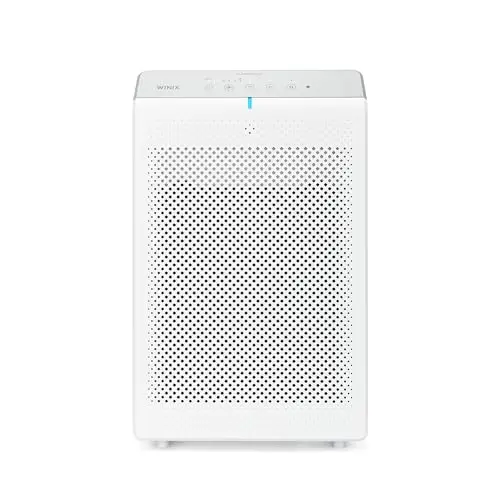
5530 – Large-Room HEPA with App Control
The Winix 5530 is the broadest all-around pick here for a COVID-conscious living room or open bedroom. It pairs True HEPA filtration with a large one-hour coverage rating, a washable pre-filter, and an air-quality indicator that makes auto mode feel useful rather than gimmicky.
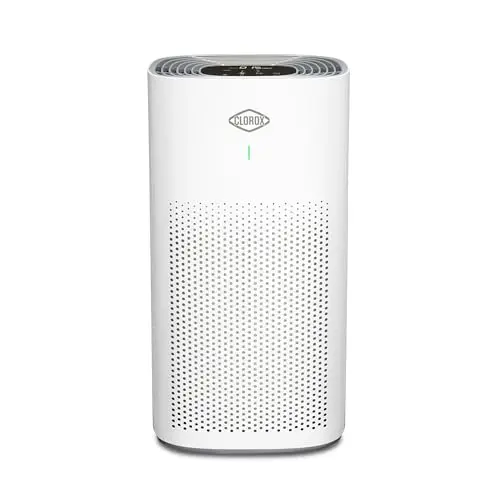
Large Room HEPA – Virus-Conscious Room Coverage
The Clorox Large Room HEPA is the most explicit virus-focused option in this lineup. It combines a three-stage 360-degree filter, auto mode, and a large-room coverage rating with Clorox’s stated reductions for viruses and bacteria.
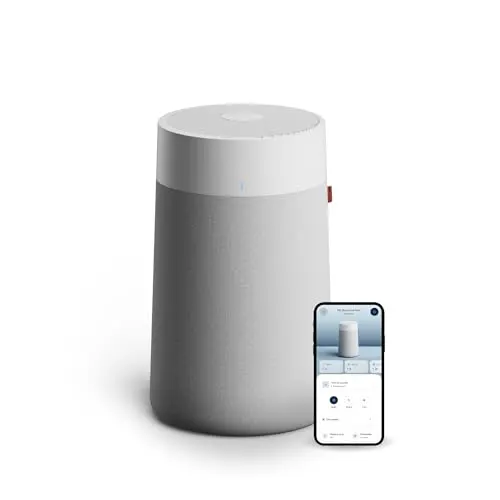
311i Max – Smart HEPASilent for Big Spaces
The Blueair 311i Max is the smart, quiet large-room pick. HEPASilent filtration, app control, and a minimalist cabinet make it easy to live with, while the washable pre-filter helps stretch filter life.
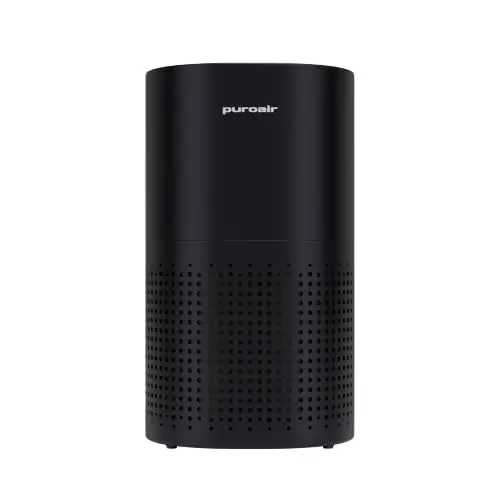
240 – Sensor-Driven Mid-Size Pick
The PuroAir 240 is a sensor-driven mid-size purifier that makes automatic operation the main event. It pairs a three-layer HEPA and carbon filter with a particle sensor, sleep mode, and a room-coverage rating suited to bedrooms and living areas.
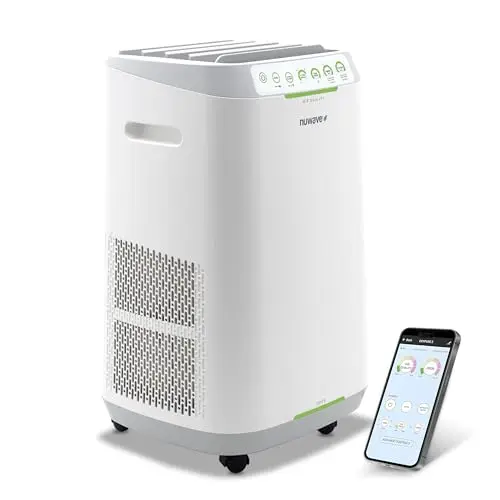
Forever – Washable-Filter Premium Pick
The Nuwave Forever is the premium washable-filter pick. Its seven-stage design is built around reusable filters, so the appeal is less about app tricks and more about long-term maintenance and large-room coverage.
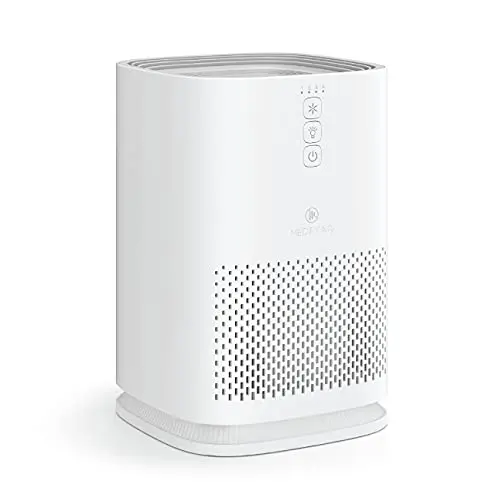
MA-14 – Compact H13 for Small Rooms
The Medify MA-14 is a compact H13 HEPA purifier for smaller rooms and bedside use. It keeps the essentials: true HEPA filtration, sleep mode, a filter indicator, and a lifetime warranty with genuine filters.
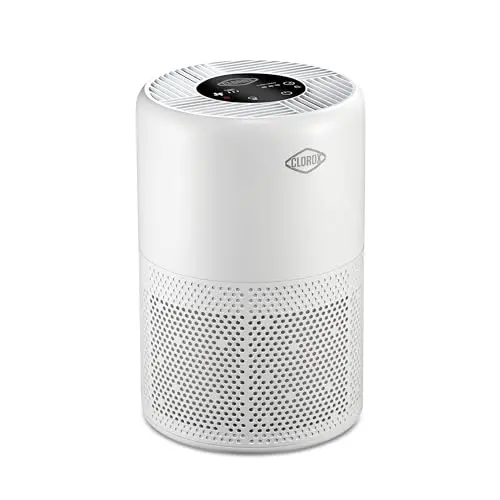
Small Room Turbo – Compact Virus-Conscious Pick
The Clorox Small Room Turbo brings the same virus-focused filtration claims as its larger sibling in a compact, bedroom-friendly cabinet. The turbo timer is the standout feature for quick smoke or odor clearing.
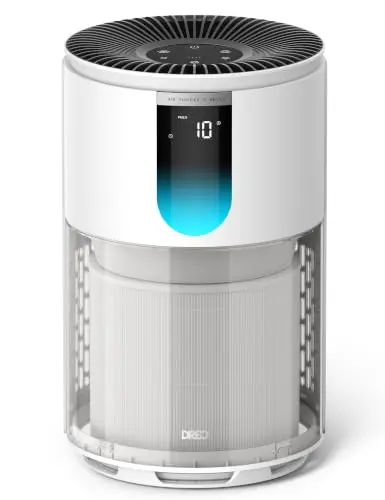
539 – Budget-Minded Room Monitor
The DREO 539 is a budget-minded room monitor with a PM2.5 sensor and a transparent filter window. It’s a good fit for a bedroom or home office where you want visible air-quality feedback without paying premium prices.
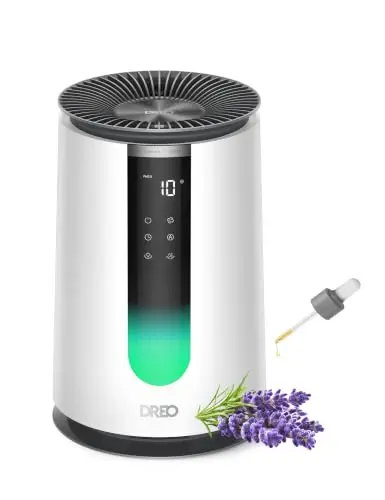
338 – Compact Budget Bedroom Pick
The DREO 338 is the compact budget pick: a small-footprint purifier with a PM2.5 monitor, auto and sleep modes, and a scent diffuser. It’s aimed at bedrooms, nurseries, and other tight spaces.
How We Evaluated These Air Purifiers for COVID
We didn’t run lab aerosol tests or controlled virus-decay measurements. What we did: cross-referenced nine air purifier models from seven brands across six decision axes – HEPA grade, clean-air delivery, real room coverage, noise, smart controls, and filter upkeep. We triangulated published specifications, feature sets, owner feedback where available, and use-case fit against the realities of COVID-conscious rooms. We focused on room-scale purifiers with credible CADR and air-change figures, and treated uneven owner feedback as a caveat rather than a verdict. We also weighed sleep-mode usability and replacement intervals, because a purifier that is annoying to run will not stay on.
The scoring framework weighted real-world performance (70%) – how well each unit could cycle clean air in a room at a practical air-change rate – against feature differentiation (30%) – unique technical advantages, controls, and maintenance design. We mapped coverage claims to the more realistic higher-air-change figures, audited virus and bacteria claims for context, and weighed long-term filter costs qualitatively. Where a brand claimed lab reductions for viruses or bacteria, we noted the claim but did not treat it as proof of real-world COVID prevention. We have no commercial relationship with any of the brands featured; recommendations track fit and differentiation, not brand preference. If you want the broadest all-around coverage, the Winix 5530 is the first stop; if an explicit virus-focused claim matters more, the Clorox Large Room HEPA is the alternative.
How to Choose the Right Air Purifiers for COVID
1. What Actually Matters in an Air Purifier for COVID
For COVID-conscious shopping, the first filter is common sense: a purifier supports cleaner air, but it doesn’t replace ventilation, masking, or vaccination. The specs that matter are True HEPA filtration, a clean-air delivery rate sized to your room, and enough air changes per hour to make a difference in daily use.
Ignore the biggest coverage number if it’s based on one air change per hour. A room that gets one full air change per hour is a low bar; four to five air changes is closer to what you want in a bedroom or office. Manufacturers often quote both, so compare the 4.8 ACH or 5x per hour figure when you can.
2. HEPA Grade and Virus Claims to Verify
True HEPA is the baseline. H13 and HEPA filters are typically rated to capture 99.97% to 99.99% of particles at 0.3 microns, with some brands claiming performance down to 0.1 microns or smaller. Viruses are tiny, but they usually travel attached to droplets and aerosols, which is why a well-sealed HEPA filter and strong airflow matter together.
Virus-specific claims deserve scrutiny. A manufacturer may test for 99.9% of viruses and bacteria in a lab, but that is not the same as proving real-world COVID prevention. Treat those claims as a useful filter-performance signal, not a medical guarantee.
3. Room Size, CADR, and Air Changes for COVID-Conscious Rooms
Start with the room, not the purifier. Measure the space and aim for a unit that can deliver four to five air changes per hour in the room where you’ll actually run it. A purifier rated for a huge space at one air change per hour may be underwhelming in a smaller room at the air-change rate you want.
CADR is the cleaner number to compare across brands. A higher CADR means more clean air delivered, but noise and filter cost rise with it. For a bedroom, a smaller unit with an honest CADR rating can beat a big unit that never leaves low speed.
4. Winix 5530 vs Clorox Large Room HEPA: Which Air Purifier for COVID Concerns?
These two are the strongest large-room starting points for different reasons. The Winix 5530 wins on broad one-hour coverage, True HEPA filtration, app control, and a washable pre-filter, with owner feedback that skews positive on quiet operation. The Clorox Large Room HEPA is the more explicit virus-focused choice, with stated 99.9% virus and bacteria reduction and a simpler auto mode.
Choose Winix for larger open spaces and smart controls. Choose Clorox if the published virus-specific claim is the deciding factor and you want a straightforward large-room unit.
5. Noise, Sleep Mode, and Filter Costs Over Time
Noise is the spec buyers underestimate. A purifier that’s too loud for the bedroom gets turned off, which erases its benefit. Look for a low-speed dB rating, a sleep mode that dims or kills display lights, and a quiet certification if you’re sensitive.
Filter costs matter as much as the purchase tier. Standard HEPA filters usually need replacement every six to twelve months, while compact units may need a new filter every three to four months. Washable pre-filters help, and a washable main filter can change the long-term math entirely, but only if you’ll actually clean it on schedule.
Frequently Asked Questions
1. Do air purifiers actually help with COVID?
They can help reduce airborne particles in a room, but they are not a guarantee against infection. A True HEPA purifier with enough CADR for the room can lower the concentration of aerosols that may carry viruses, especially when paired with ventilation, masking, and other precautions. Look for a unit that can hit four to five air changes per hour in the room where you’ll use it.
2. Winix 5530 vs Clorox Large Room HEPA: which is better for COVID-conscious rooms?
The Winix 5530 is the better all-around pick for larger open spaces: it has broad one-hour coverage, True HEPA filtration, app control, and a washable pre-filter. The Clorox Large Room HEPA is the better choice if you want an explicit 99.9% virus and bacteria claim and a simpler auto mode. Both are room-scale purifiers; neither replaces ventilation or other precautions.
3. Blueair 311i Max vs PuroAir 240: which smart air purifier should I choose?
The Blueair 311i Max is the larger-room and more app-driven option, with 2,107-square-foot one-hour coverage and HEPASilent filtration. The PuroAir 240 is the easier mid-size fit for bedrooms, with a PuroIQ sensor, sleep mode, and a lower-key footprint. Choose Blueair for open spaces and smart scheduling; choose PuroAir for a bedroom or office where a sensor-driven unit is enough.
4. How much room coverage do I need for COVID-era air cleaning?
Use the room’s actual size and aim for four to five air changes per hour in the space where the purifier will run. Manufacturer up-to coverage often assumes one air change per hour, which is a weak target. Compare CADR and the higher-air-change coverage figure, then size up if the room opens into a kitchen or hallway.
5. Are washable filters like Nuwave Forever as effective for virus-era use?
They can be effective if the filter is designed for fine-particle capture and you maintain it on schedule. The Nuwave Forever uses a seven-stage design and washable filters, and Nuwave claims Intertek lab capture of 100% of particles down to 0.1 microns. The real-world catch is cleaning discipline: a clogged washable filter won’t perform like a fresh one.
Final Verdict
For most COVID-conscious rooms, the Winix 5530 is the answer. It has the broadest practical coverage in this lineup, True HEPA filtration, useful auto mode, and enough quiet operation to stay on overnight. If you want the most explicit virus and bacteria filtration claims, the Clorox Large Room HEPA is the sharper match and still simple to live with.
Budget-minded bedroom shoppers should look at the DREO 338; it won’t clean a large living room, but it’s compact, quiet, and honest about its small-room CADR. And if you’d rather never buy disposable paper filters, the Nuwave Forever is the premium washable-filter route. Match the purifier to the room, keep it running, and treat it as one layer of risk reduction rather than a guarantee.
