
Best Air Purifiers For Odor Removal – 2026 Reviews

A pan of burnt garlic, a litter box that needs changing, or a sofa that still smells like last week’s dog-particle filters alone don’t solve those problems. Odors are gases, and most purifier marketing leans hard on HEPA capture while treating carbon filtration as an afterthought. That’s backwards if smell is your main complaint.
The better air purifiers for odor removal combine enough activated carbon or a dedicated deodorization stage with real airflow, so odor molecules actually spend time in the filter instead of sailing past it. You also want a unit sized for the room, ideally with an auto mode that reacts when cooking smoke or pet odor spikes.
We looked across the major brands in this category and focused on how each model handles smoke, cooking, pet, and household odors-not just dust and pollen. Below, you’ll find the models that make the most sense for different rooms, budgets, and odor sources, plus the tradeoffs worth knowing before you buy.
Best Air Purifiers for Odor Removal – 2026 Reviews
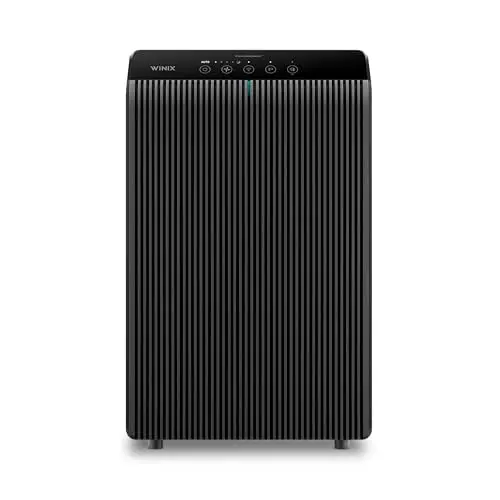
5510 – High-Deodorization Carbon for Whole-Home Odors
The Winix 5510 is built around odor control as much as particle capture. Its high-deodorization carbon filter targets cooking, pet, and smoke odors, while True HEPA filtration handles pollen, dust, and dander. Auto mode and app support make it easy to leave running in a large living space.
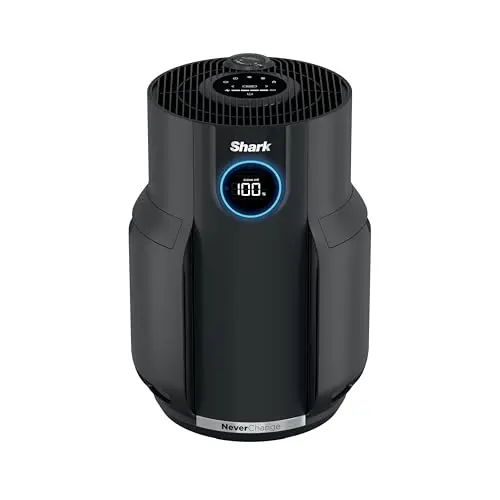
NeverChange HP152 – Odor Neutralizer with Long-Life Filter
The Shark NeverChange HP152 leans on an odor neutralizer cartridge and a long-life filtration design. It captures particles beyond HEPA standards and adds a washable debris defense screen to keep hair and dander from clogging the main filter. CleanSense IQ and a compact footprint make it a good fit for bedrooms and pet areas.
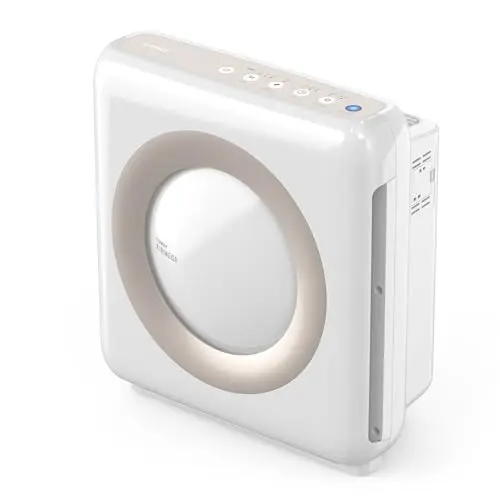
Mighty AP-1512HH(W) – Four-Stage Odor and Allergen Control
The Coway Mighty AP-1512HH(W) uses a four-stage system with a washable pre-filter, deodorization filter, bipolar device, and HEPA filter. It monitors air quality in real time and adjusts fan speed automatically. The compact body and filter alerts make it a low-drama choice for bedrooms and living rooms.
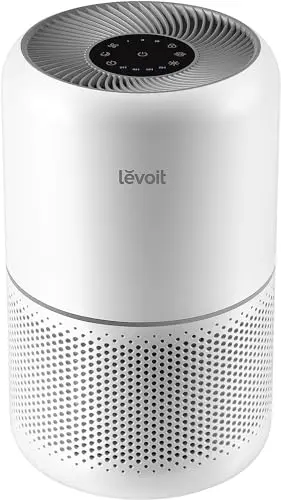
Core 300-P – Quiet HEPA Value for Smoke and Pet Odor
The Levoit Core 300-P is the value-focused pick here. It pairs a 3-in-1 filter with a 24dB sleep mode and AHAM Verifide performance. It’s small enough for a bedroom or office but still moves enough air to help with smoke, dust, and pet odors in a modest room.
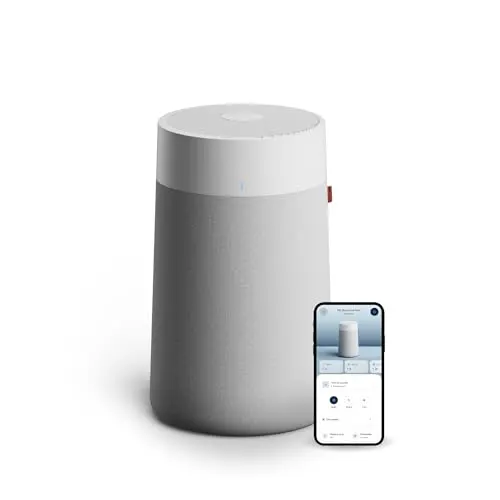
Blue Pure 311i Max – Smart, Quiet Odor and Smoke Filtration
The Blue Pure 311i Max combines HEPASilent dual filtration with app control and automatic fan adjustment. It is designed for medium rooms and open living spaces, with a washable pre-filter and QuietMark-certified operation. Odor control comes from the particle-and-carbon filtration setup rather than a dedicated odor cartridge.
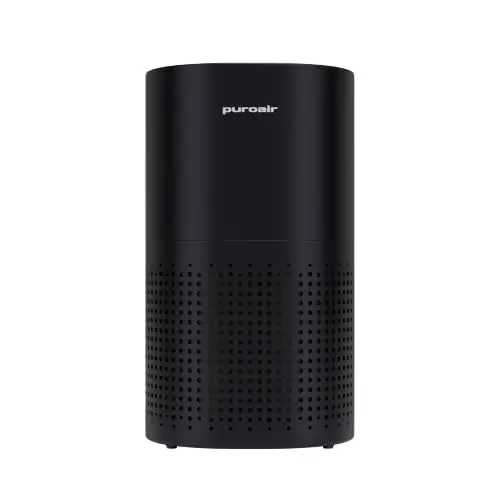
240 – Sensor-Driven Odor Response
The PuroAir 240 uses a three-layer pre-filter, HEPA, and activated carbon setup with a PuroIQ sensor that adjusts fan speed automatically. It is aimed at large rooms and runs quietly enough for bedrooms. The black finish and 360 intake give it a clean, unobtrusive look.
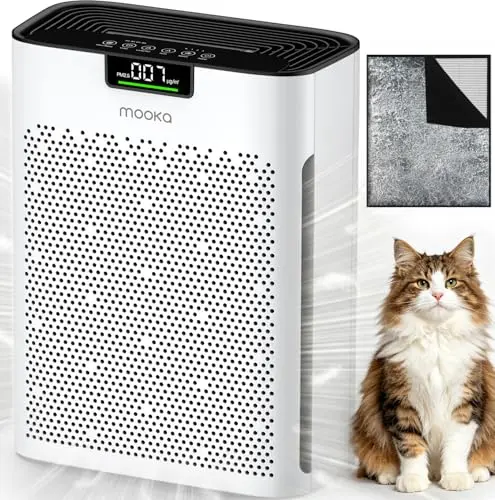
KJ190H – High-Carbon Odor Defense for Large Rooms
The MOOKA KJ190H is designed with a larger front intake and dual-side inlets to pull in pet hair, smoke, and dust. It includes a washable pre-filter, a three-stage filtration system, and a PM2.5 display with auto mode. Aromatherapy and a child lock round out the feature set.

B-D02L – Compact Aromatherapy Air Cleaner
The MOOKA B-D02L is a compact, budget-friendly purifier with a true HEPA filter, activated carbon layer, and an aromatherapy pad. It offers four fan speeds, timer settings, and a night light. It’s best suited to small bedrooms, offices, or nurseries where space is tight.
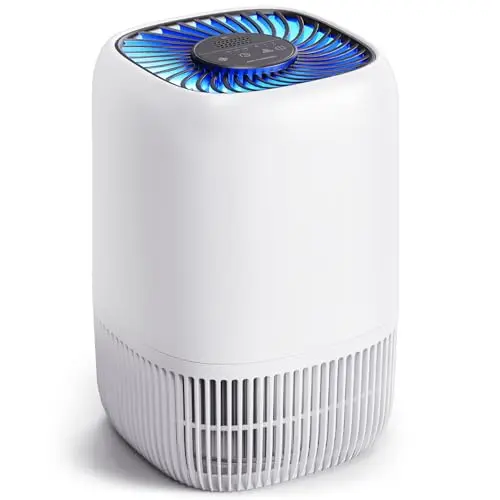
DH-JH12 – Compact Aroma Purifier for Small Spaces
The VOOPNU DH-JH12 is a tiny, budget-friendly purifier with 360-degree intake, three-stage filtration, and an essential oil tray. It offers three speeds and a timer, and runs at a low noise level. It’s best for desks, small bedrooms, and tight corners.
How We Evaluated These Air Purifiers
We didn’t run controlled odor-chamber tests or lab-grade VOC measurements. What we did: cross-referenced 9 air purifier models from 8 distinct brands across six decision axes – carbon filtration depth and media type, room coverage and airflow, odor-specific features, auto and sensor behavior, noise and sleep operation, and filter maintenance. We triangulated published specifications, feature sets, owner feedback where available, and use-case fit against common odor sources like cooking smoke, pets, litter boxes, and household chemicals. We also mapped each model to realistic room sizes and buyer profiles, because a compact bedroom purifier and a large-room unit are solving different odor problems.
The scoring framework weighted real-world odor fit and performance (70%) – how well each unit handles the smells it claims to address – against feature differentiation (30%) – unique carbon stages, sensors, app controls, and maintenance advantages. We compared dedicated deodorization filters against standard carbon mats, checked whether washable pre-filters were included, and weighed how much automation each unit offers. Where odor feedback was thin, we leaned on the published carbon specification and the physical filter design rather than guessing. We have no commercial relationship with any of the brands featured; recommendations track fit and differentiation, not brand preference. If you want the strongest all-round odor package, the Winix 5510 is the match; if you need a quiet value pick for a smaller room, the Levoit Core 300-P fits better.
How to Choose the Right Air Purifiers for Odor Removal
1. Why Odor Removal Demands More Than a HEPA Filter
Most purifier shopping starts with particle capture, but HEPA filters are not designed to trap gases. Odors come from volatile organic compounds, smoke, cooking fats, and pet secretions, and those molecules need activated carbon or a dedicated deodorization stage. That is the difference between a purifier that removes dust and one that makes a room smell fresher.
Gas-phase filtration depends on more than having a carbon layer. The amount of carbon, the airflow speed, and the dwell time air spends in the filter all affect real-world odor removal. A thin carbon mat in a high-airflow unit can be less effective than a deeper carbon bed in a slower-moving unit.
2. Match Carbon Filtration to the Odors You Actually Have
Cooking smoke, pet accidents, litter boxes, and chemical fumes are different problems. Cooking and smoke odors benefit from a larger carbon section and a purifier that can run on high without becoming unbearable. Pet odors also reward a washable pre-filter, because hair and dander clog the main filter and reduce airflow. For persistent odors, look at carbon volume and replacement frequency, not just the word ‘HEPA” on the box.
For whole-room cooking and smoke odors, the Winix 5510 is the pick because its high-deodorization carbon filter is the most odor-focused setup here. If pet odor is the main issue, the Shark NeverChange HP152 is the better fit thanks to its odor neutralizer cartridge and washable debris defense.
3. Room Size and Air Changes for Real Odor Removal
Coverage numbers can be misleading because many are based on one air change per hour. For odor removal, you generally want more air changes per hour so odorous air cycles through the filter more often. Use CADR and room volume together, and treat coverage claims as a ceiling rather than a comfortable everyday target.
If you are buying for a bedroom or small office, the Levoit Core 300-P is the value pick for occasional smoke and pet odors. For a large open living area, size up rather than expecting a compact unit to keep pace.
4. Sensors and Auto Mode Help With Spikes, Not Constant Smells
PM2.5 sensors are good at detecting smoke, dust, and cooking particles, which is why auto mode can be genuinely useful during odor spikes. The catch is that not every odor comes with particles. Ammonia from a litter box or a slow gas leak may not trigger the sensor quickly, so do not rely on automation alone.
Use auto mode as a convenience, not a substitute for source control. If the smell has a persistent source, ventilation and cleaning will do more than any purifier setting.
5. Noise, Placement, and Filter Maintenance
A washable pre-filter is worth prioritizing in pet households because it catches hair before it reaches the HEPA and carbon layers. Place the purifier near the odor source when possible, and avoid tucking it into a corner where airflow is restricted. Replacement filter costs add up, so check the long-term schedule before you commit.
Sleep mode matters if the unit runs overnight in a bedroom. Look for dimmable or defeatable lights, and remember that a purifier on low speed removes fewer odors per hour than one on high.
6. Budget vs. Premium in Odor-Focused Air Purifiers
Entry-level purifiers often use smaller carbon filters and simpler sensors. That can be fine for a bedroom with light odors, but not for a kitchen-adjacent living room or a multi-pet home. Premium models tend to add more carbon, better sensors, app controls, and longer filter intervals, though you still need to replace media eventually.
Focus on the odor problem you actually have. A well-matched mid-range unit with a real carbon stage is often smarter than a premium purifier with a thin carbon layer and a flashy app.
Frequently Asked Questions
1. What's the difference between the Winix 5510 and Coway Mighty AP-1512HH(W) for odor removal?
The Winix 5510 makes odor control a headline with its high-deodorization carbon filter and larger coverage for open rooms. The Coway Mighty AP-1512HH(W) uses four-stage filtration with a dedicated deodorization filter, but its odor performance is less of a standout. If you want app control and a stronger carbon focus, the Winix 5510 is the better odor-first choice. The Coway remains a strong all-rounder if you value its compact shape and simple auto mode.
2. Is the Levoit Core 300-P or Shark NeverChange HP152 better for pet odors?
For pet odors, the Shark NeverChange HP152 has the edge because its odor neutralizer cartridge and Debris Defense screen are built around hair and smell management. The Levoit Core 300-P is smaller and relies on a 3-in-1 filter, which is fine for a bedroom but less robust for a multi-pet living room. If you want a sleep mode unit for a secondary room, the Levoit is the value pick. For persistent pet odors, go with the Shark NeverChange HP152.
3. How long does it take an air purifier to remove odors?
It depends on room volume, air changes per hour, and whether the odor source is still present. A purifier can clear smoke or cooking odors in a matter of hours when run on high, but odors soaked into carpet, upholstery, or pet bedding will keep returning. Use source removal first, then let auto mode maintain the air.
4. Do carbon filters actually remove cooking and smoke odors?
Yes, but only when the unit has enough activated carbon and airflow to process gas-phase pollutants. Thin carbon mats can saturate quickly, especially with heavy cooking or smoke. Watch for carbon saturation and follow the filter replacement schedule rather than waiting for odors to return.
5. Can an air purifier with aromatherapy replace an odor remover?
No. An aromatherapy pad adds scent; it does not remove odor molecules. In fact, using fragrance aggressively can mask a problem that still needs activated carbon and source control. Use the oil tray only after the purifier has had time to reduce the underlying odor.
Final Verdict
For most homes dealing with cooking smoke, pet smell, or lingering household odors, the Winix 5510 is the pick. Its high-deodorization carbon filter, large-room coverage, and auto mode make it the most odor-focused all-rounder in this lineup. If pet odors are the main problem, the Shark NeverChange HP152 is worth the premium thanks to its odor neutralizer cartridge and washable debris defense. And if you want a quiet, affordable second unit for a bedroom or small office, the Levoit Core 300-P delivers strong value without overcomplicating things. None of these purifiers eliminates the need to remove the odor source, but each gives you a better shot at keeping the air fresh between cleanings.
