
Best Air Purifiers For Salon – 2026 Reviews

A salon’s air changes character fast: hairspray hangs in the room, dust from clippings and blow-dryers settles on surfaces, and chemical odors can outlast the appointment that created them. The right air purifier for salon use has to do more than move air around; it has to capture fine particles and stay ahead of the odors that build up between clients.
The two axes that separate a useful salon purifier from a mediocre one are carbon filtration and real-world coverage. HEPA handles the particles, but activated carbon is what gives a unit a fighting chance against styling-product odors and VOCs. Coverage matters just as much, because a purifier rated for a bedroom may be working too hard in an open floor with several stations.
This guide surveys the market across brands and focuses on units that make sense in a client-facing space: strong filtration, manageable noise, sensible auto modes, and maintenance that does not become a second job. We will help you match the purifier to your layout rather than push one brand as the answer for everyone.
Best Air Purifiers for Salon – 2026 Reviews
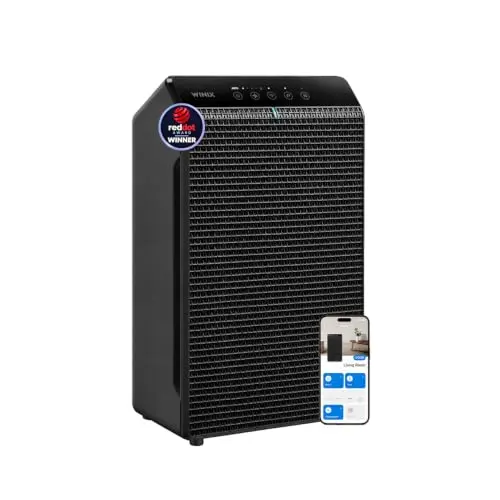
5520 – True HEPA with High-Deodorization Carbon
A large-room purifier built around True HEPA and a high-deodorization carbon filter, with auto mode and a real-time air quality monitor. The 5520 is the strongest starting point for a salon that needs both particle capture and odor control.
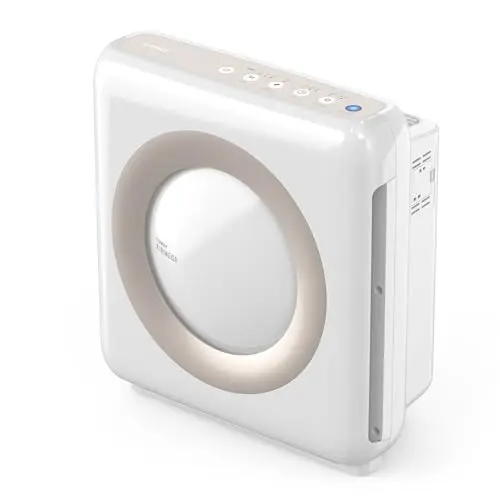
Mighty AP-1512HH(W) – Four-Stage Odor and Particle Control
A four-stage purifier with a washable pre-filter, deodorization layer, HEPA filter, and bipolar device. It pairs real-time air quality feedback with auto and Eco modes, making it a practical odor-focused choice for a salon.
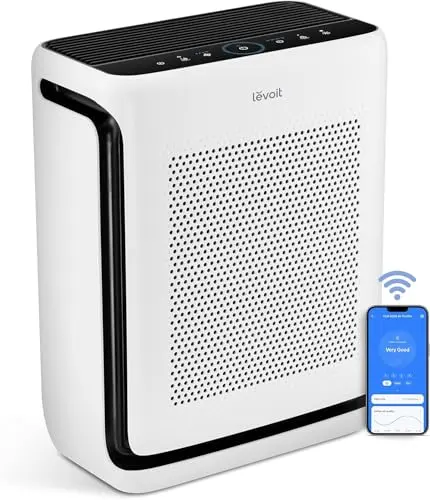
Vital 200S-P – Large-Room Coverage with Air Quality Monitor
A large-room smart purifier with high CADR ratings, a U-shaped air inlet, and an air quality monitor. It is built to handle high-traffic rooms and pet households, which translates well to a busy salon floor.
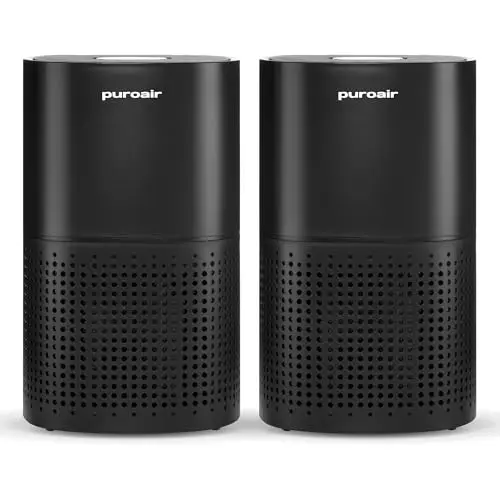
240 – Two-Unit Carbon Filtration Setup
A two-unit purifier pack with a pre-filter, HEPA layer, and activated carbon, plus a PuroIQ sensor and auto mode. The pair is designed for larger spaces or separate zones, making it useful for a multi-station salon.
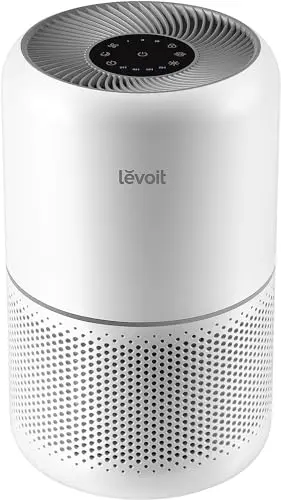
Core 300-P – Quiet HEPA for Small Stations
A compact, quiet purifier with AHAM Verifide performance, a 3-in-1 filter, and a sleep mode that drops to a near-silent level. It is sized for a bedroom or a single salon station rather than a full open floor.
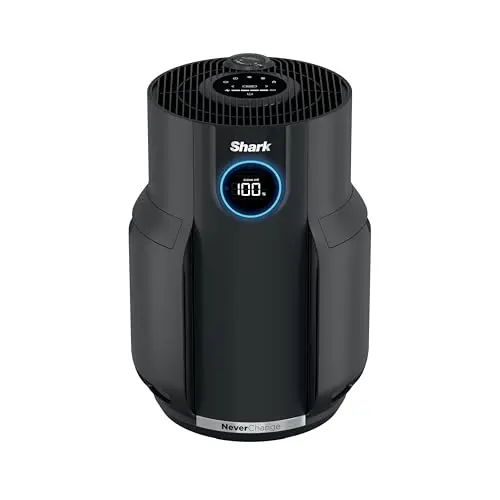
HP152 – Compact Odor Neutralizer with NeverChange Filter
A compact purifier with HEPA-exceeding NanoSeal filtration, an odor-neutralizer cartridge, and CleanSense IQ air quality feedback. It is designed for smaller rooms and easy maintenance.
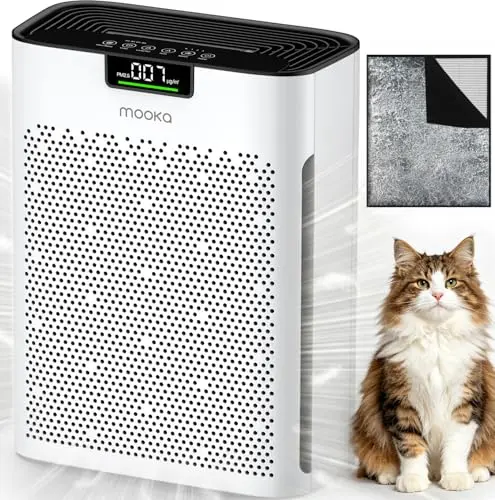
KJ190H – Washable Pre-Filter for Hair and Dust
A large-room purifier with a washable pre-filter, PM2.5 air quality display, auto mode, and a very quiet sleep setting. The dual-side intake is designed for pet hair and odors.
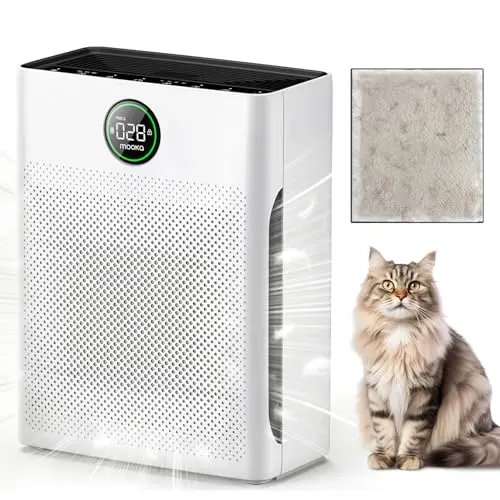
PR1 – Pet Mode and PM2.5 Display
A large-room purifier with a washable filter, Pet Mode, PM2.5 display, and quiet sleep operation. It is a similar value proposition to the other MOOKA model but adds a dedicated pet-hair mode.
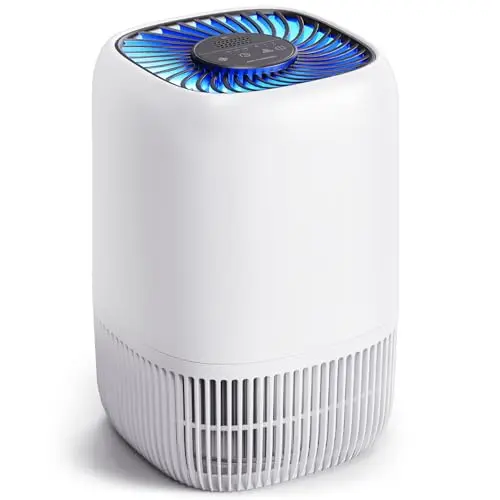
DH-JH12 – Compact Desktop Air Cleaner for Small Rooms
A compact desktop-style purifier with 360-degree intake, triple-layer filtration, and a very quiet sleep setting. It is sized for a small treatment room or reception desk rather than a full salon floor.
How We Evaluated These Air Purifiers for Salon
We did not run air-quality tests in a working salon or measure chemical removal at the chair. What we did: cross-referenced 9 air purifier models from 7 distinct brands across 5 decision axes – coverage and CADR, filtration stages including carbon, odor and VOC handling, noise and auto-sensor behavior, and filter maintenance. We triangulated published specifications, feature sets, owner feedback where available, and use-case fit for salon environments. We also weighed how each unit would live in a client-facing space: display brightness, sleep modes, footprint, and whether the controls make sense between appointments. We mapped each model to common salon layouts-open floor, multi-station, and small treatment room-and audited filter maintenance needs because carbon and prefilter care matter more here than in a home.
The scoring framework weighted real-world salon fit (70%) – how well each unit handles particles, odors, and continuous operation – against feature differentiation (30%) – unique advantages like multi-unit placement, washable prefilters, or app control. We have no commercial relationship with any of the brands featured; recommendations track fit and differentiation, not brand preference. No unit was treated as a default winner before the comparison; the rankings follow the criteria above. If you want the strongest all-around odor-and-particle package, the Winix 5520 is the pick; if a four-stage odor-focused design appeals more, the Coway AP-1512HH is the closer call.
How to Choose the Right Air Purifiers for Salon
1. Why Salon Air Purifiers Need Carbon Filtration, Not Just HEPA
A salon throws two kinds of load at an air purifier: particles and odors. HEPA is the particle side-hairspray mist, dust, dander, and smoke-sized bits-and it is non-negotiable. But HEPA does not do much for the smell of a perm, acrylic nails, or a styling product that lingers after the client leaves. That is where activated carbon earns its place. Carbon is the layer that helps with odors and VOCs, which is why a salon-focused unit should have a substantial carbon stage rather than a token filter.
If odor control is the main reason you are shopping, the Coway AP-1512HH is the clearer starting point because its four-stage design explicitly includes deodorization and VOC reduction. A purifier with only a thin carbon sheet can still help with dust and hair, but it will be out of its depth in a busy salon.
2. Matching Coverage and Air Changes to Your Salon Layout
Coverage numbers are a starting point, not a promise. Many large-room ratings assume a low air changes per hour figure, while a salon with several stations and a door that opens all day may want more turnover. Treat the coverage rating as the room size a unit can handle at a baseline rate, then size up if you have an open floor with heavy traffic or a separate treatment room.
For a larger open floor, the Levoit Vital 200S-P has the CADR headroom to move air quickly, and its dual intake design is aimed at hair and odor capture. A small treatment room is a different problem: a compact unit placed close to the client can be more useful than a giant tower running in the hallway.
3. Noise, Auto Mode, and Client Comfort in a Salon
A purifier that is too loud will get turned off, and a purifier that is off does not clean anything. Auto mode is the feature that makes the most sense in a salon because the fan can ramp up when the sensor detects a drop in air quality and settle back down between appointments. Sleep mode is useful for late bookings or a treatment room where conversation drops to a whisper.
Look at the display, too. Bright LEDs and beeping controls are a poor fit for a client comfort setting. The Shark HP152 is worth a look for a small room because it keeps a compact footprint and a dimmable display, and its odor-neutralizer cartridge is designed for exactly the kind of lingering smells a salon notices.
4. Hair, Dust, and Filter Maintenance in a Working Salon
Salon air is tough on filters. Hair, dust, and aerosolized products load up the first stage quickly, so a washable pre-filter is a practical feature rather than a marketing extra. It lets you knock down the big stuff before it reaches the HEPA and carbon layers. A filter reminder is also more valuable here than in a home, because the replacement interval can be shorter than the manufacturer’s default estimate suggests.
The MOOKA KJ190H makes the pre-filter easy to clean and pairs it with a PM2.5 display and auto mode. Whatever you choose, build a replacement schedule around visible loading and odor breakthrough, not just the calendar.
5. Budget vs. Premium Air Purifiers for Salon Use
The entry-level tier can work for a small salon or a single treatment room if you accept smaller coverage and more frequent filter changes. The mid-range tier is where most salons land: you get better CADR, a more substantial carbon stage, and useful auto modes without paying for flagship features you may not need. Premium units add larger coverage, smarter sensors, and longer filter intervals, but they still need maintenance.
Do not ignore filter costs when comparing tiers. A cheaper purifier with frequent filter replacements can cost more over a year than a mid-range unit with a longer service interval. The right tier is the one that matches your room count, daily client load, and tolerance for filter upkeep.
Frequently Asked Questions
1. What should a salon air purifier actually filter?
A salon purifier should be judged on two jobs: particles and odors. HEPA filtration captures fine dust, hairspray mist, dander, and smoke particles. Activated carbon is the layer that helps with styling-product odors and VOCs. A unit with a strong carbon stage is more useful in a salon than one that only advertises HEPA. Neither feature replaces ventilation, especially when working with strong chemicals.
2. Winix 5520 vs. Coway AP-1512HH: Which is better for salon odors?
The Winix 5520 has the edge if you want the strongest all-around package: True HEPA, a high-deodorization carbon filter, auto sensing, and a large coverage rating. The Coway AP-1512HH is the more odor-focused alternative, with a four-stage design that explicitly targets VOCs and odors. Choose the Winix for a simpler large-room setup; choose the Coway if the carbon stage is your top priority.
3. Levoit Vital 200S-P vs. PuroAir 240: Which fits a larger salon?
For one large open floor, the Levoit Vital 200S-P is the easier recommendation because of its high CADR ratings, 1,875 sq ft coverage, and U-shaped air inlet for hair and odor capture. The PuroAir 240 is a different tool: it is a two-unit pack with activated carbon and auto mode, so it suits a multi-station salon where you want purification near separate work areas. If your layout has distinct zones, the two-unit approach can be more flexible.
4. How often should I replace filters in a salon air purifier?
Sooner than the home-use calendar suggests. A salon loads the pre-filter with hair and dust quickly, and the carbon stage can become saturated by odors before the HEPA filter looks dirty. Use the filter reminder as a guide, but check the pre-filter monthly and watch for odor breakthrough. If the unit no longer keeps up with the room, replace the carbon and HEPA stages rather than waiting for a fixed date.
5. Are compact air purifiers enough for a small salon?
Compact units can work in a single treatment room or at a reception desk, but they rarely keep up with an open salon floor. The VOOPNU DH-JH12 is a good example: its 360-degree intake and 22 dB operation suit a small, quiet space, while its small filter and footprint limit how much air it can process. For a compact solution, place it close to the client and accept that it is a supplement, not whole-salon coverage.
Final Verdict
For most salon owners, the Winix 5520 is the straightforward answer: it pairs True HEPA with a high-deodorization carbon filter, adds auto sensing, and covers large rooms without asking you to babysit it. If odor and VOC control is your primary worry, the Coway AP-1512HH is the more odor-focused alternative. For a multi-station salon, the two-unit PuroAir 240 setup lets you place purification near separate work areas. And if you need a compact, budget-friendly unit for a treatment room or reception desk, the VOOPNU DH-JH12 is the low-cost route. Match the purifier to your floor plan first; the best salon choice is the one that keeps air moving where clients actually sit.
