
Best Air Purifiers For Weed And Cigarette Smoke – 2026 Reviews

Smoke doesn’t behave like dust. A cigarette or a session with a dry herb vape leaves behind fine particles that hang in the air and a resinous odor that settles into curtains, upholstery, and drywall. A purifier can help with both, but only if it has enough airflow for the room and a carbon stage that’s actually sized for odor, not just a token sheet.
The biggest mistake shoppers make is buying a bedroom-sized unit for a living room where smoke concentrates. The second is assuming HEPA alone solves odor. HEPA captures particles; activated carbon adsorbs gases and VOCs. For weed and cigarette smoke, you want both, plus an auto mode that reacts when air quality drops.
We compared purifiers across the market with smoke in mind, from compact bedroom units to large-room workhorses. The picks below cover different room sizes and budgets, and each one has a clear job.
Best Air Purifiers for Weed and Cigarette Smoke – 2026 Reviews
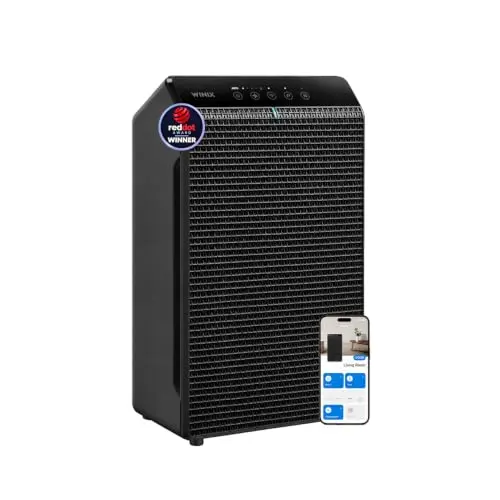
5520 – High-Capacity Smoke and Odor Control
A large-room purifier with a True HEPA filter, a high-deodorization carbon filter, and auto mode. It covers up to 1,882 square feet in an hour and includes a washable pre-filter plus smart app control.
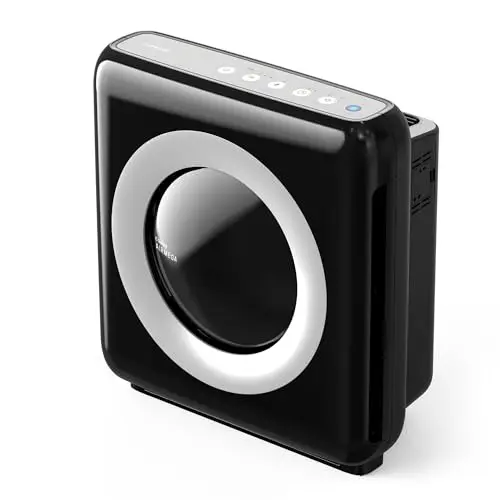
Mighty AP-1512HH – Proven All-Around Performer
A long-running favorite with a four-stage filtration stack that includes a deodorization filter and HEPA. Auto mode, a real-time air quality light, and a compact footprint make it easy to live with.
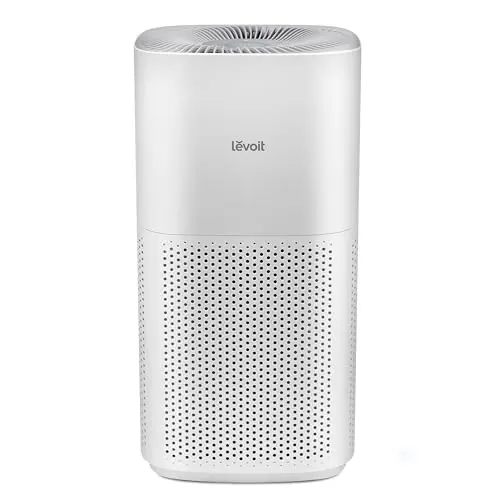
Core 600S-P – Big-Room Smoke Clearing
A high-CADR large-room purifier built for open floor plans. VortexAir 3.0 moves a lot of air, and auto mode adjusts fan speed based on particle readings.
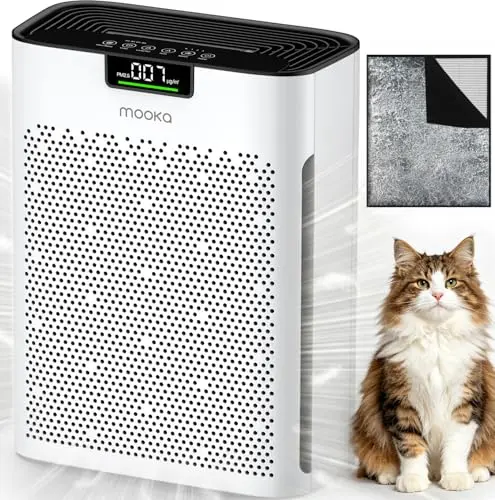
KJ190H – Budget Large-Room Coverage
A budget-friendly large-room option with a washable pre-filter, HEPA, and extra activated carbon pellets. A PM2.5 display and auto mode help it respond to smoke spikes.
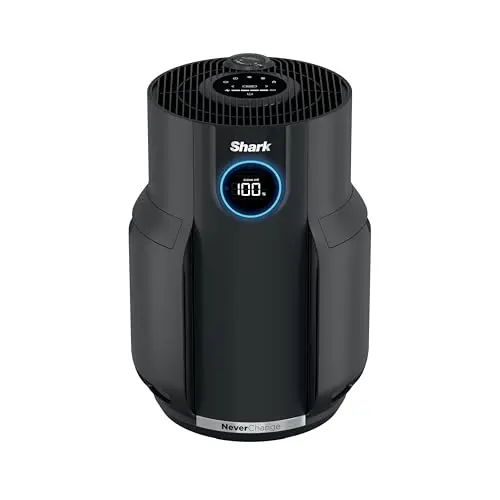
HP152 – Compact Odor Neutralizer
A compact purifier with a HEPA-exceeding filter, washable debris screen, and an odor neutralizer cartridge. CleanSense IQ adjusts fan speed based on real-time particle readings.
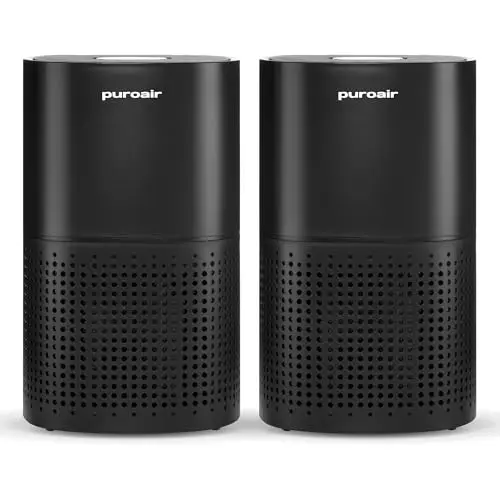
240 2-Pack – Two-Room Smoke Defense
A two-pack of 1,000-square-foot purifiers with HEPA and CarbonTech filtration. The PuroIQ sensor and auto mode let each unit respond to smoke without constant fiddling.
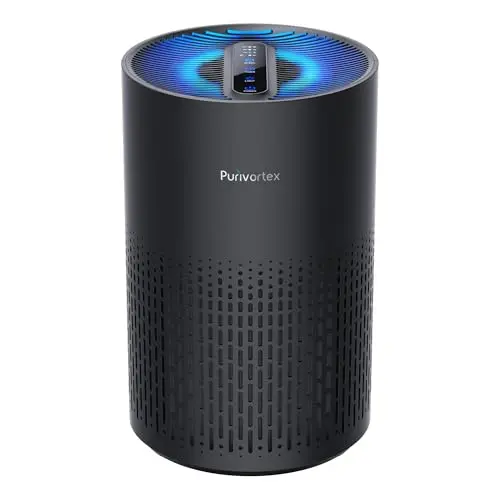
PX500 – Compact Carbon Filtration
A compact purifier with a taller-than-average HEPA and activated carbon filter. It covers up to 880 square feet and adds timers, fan modes, and a nightlight.
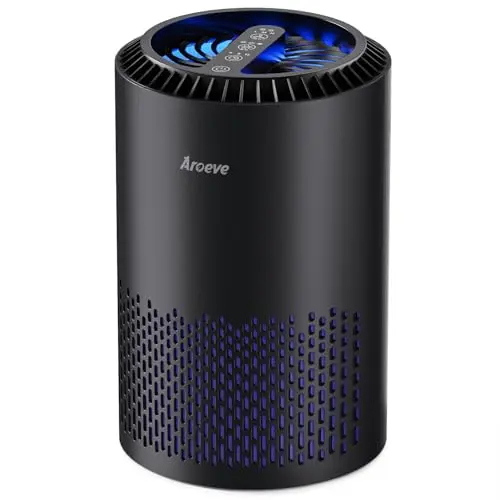
MK01A – Quiet Bedroom Budget Pick
A small bedroom purifier with 360-degree intakes and a sleep mode that quiets down to 22 dB. It covers up to 287 square feet and includes an aromatherapy pad.
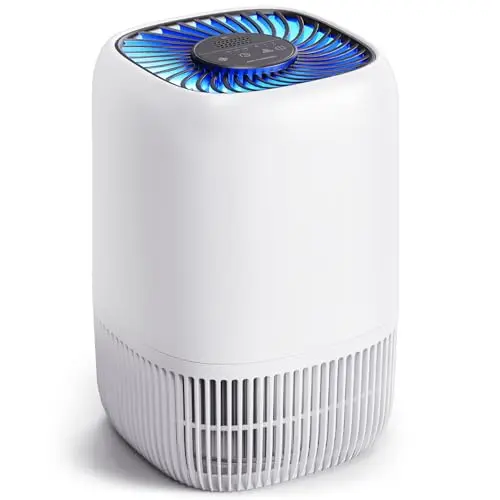
DH-JH12 – Tiny Desk-Side Purifier
A tiny purifier for desks, nurseries, and small rooms. It uses a 360-degree intake, three-stage filtration, and a 22 dB sleep mode.
How We Evaluated These Air Purifiers for Weed and Cigarette Smoke
We didn’t run smoke-chamber tests or measure VOC decay in a sealed room. What we did: cross-referenced 9 air purifier models from 9 distinct brands across 6 decision axes – smoke-particle filtration, carbon odor control, room coverage, noise, smart/auto behavior, and long-term filter cost. We triangulated published specifications, feature sets, and owner feedback where available, then mapped each unit to the realities of weed and cigarette smoke rather than generic dust removal.
The scoring framework weighted real-world smoke fit (70%) – how well each purifier moves air, handles lingering odor, and matches realistic room sizes – against feature differentiation (30%) – carbon capacity, sensor behavior, portability, and maintenance quirks. We have no commercial relationship with any brand here; recommendations track fit and differentiation, not brand preference. If you want the safest all-around starting point for a smoke-prone living room, the Winix 5520 is the one we’d shortlist first. If you need to cover a bigger open floor plan, the Levoit Core 600S-P has the airflow advantage.
We also audited how each unit behaves when smoke is intermittent: does auto mode ramp up quickly, does the display make sense, and does the replacement filter cost undermine the purchase? Those practical details separate a purifier that gets used daily from one that gets shoved in a closet.
How to Choose the Right Air Purifiers for Weed and Cigarette Smoke
1. Why Air Purifiers for Weed and Cigarette Smoke Need Carbon, Not Just HEPA
HEPA is the particle half of the job. It captures the fine particulate that makes smoke visible and irritating, but it does very little for the gaseous odor compounds that cling to a room. For weed and cigarette smoke, you need a carbon filter with enough media to adsorb those gases, not just a thin pre-filter with a dusting of carbon.
This is why two purifiers with similar HEPA ratings can perform very differently in a smoke-prone room. Look for explicit activated carbon pellets or a high-deodorization carbon stage. If the listing only says ‘HEPA’ and shows a paper-thin black sheet, treat odor removal as a bonus rather than the main event. The Winix 5520 is a clear example of a unit built with odor control in mind.
2. Match CADR and Room Coverage to Your Smoke Situation
Coverage claims are usually based on one air change per hour, which is a low bar for smoke. A cigarette in a closed bedroom is a concentrated event, so you want a purifier that can turn over that room’s air several times per hour, not just technically check the box. CADR (clean air delivery rate) is a better shorthand than the biggest square-foot number on the box.
As a rule of thumb, size up if the room is open to a hallway or kitchen, if ceilings are high, or if someone smokes indoors regularly. A large-room unit running on medium is usually quieter and more effective than a small unit screaming on high. If you’re covering an open floor plan, the Levoit Core 600S-P is the airflow-focused pick here.
3. Carbon Filters and Odor Control for Weed and Cigarette Smoke
Carbon is a consumable, and smoke loads it faster than normal household dust. A purifier that handles cooking odors fine may still struggle with daily cigarette smoke because the carbon bed is too small or the air moves through it too quickly. Better units give the air more contact time or use a dedicated odor filter.
Also pay attention to replacement frequency and filter cost. A cheap purifier with a tiny carbon filter can cost more over a year than a mid-range unit with a larger filter. If odor is your main complaint, prioritize carbon capacity over extra app features. For a compact odor-focused pick, the Shark HP152 adds a neutralizer cartridge to the mix.
4. Noise, Auto Mode, and Placement for Smoke-Prone Rooms
Smoke purifiers need to run often, so noise matters more than it does for a purifier you switch on for allergies. Look for a sleep mode or low-speed rating in the low 20s dB if the unit will live in a bedroom. Auto mode is genuinely useful for smoke because it ramps up when the sensor detects a spike, then settles back down.
Placement matters too. Keep the intake away from curtains and walls, and put the unit near the smoke source when possible. A purifier across the room from an open window is fighting a losing battle. For a budget large-room option, the MOOKA KJ190H pairs auto mode with a washable pre-filter.
5. Filter Replacement Costs and Long-Term Ownership
The purchase price is only the entry ticket. Filter replacement is the real ownership cost, especially when smoke accelerates carbon exhaustion. Check whether the unit uses a washable pre-filter, how often the HEPA and carbon stages are replaced, and whether the filters are easy to find.
A filter indicator helps, but it’s not a substitute for checking the filter yourself. In a heavy-smoke household, plan to replace carbon more often than the manual suggests. If you want a set-it-and-forget-it unit, favor models with long-life filtration and clear replacement guidance.
6. When a Small Air Purifier Is Enough for Smoke
Small purifiers make sense for bedrooms, offices, and occasional use, not for a living room where someone smokes every day. A compact unit can help with residual odor and particle cleanup if it’s matched to a small, closed room. Just don’t expect it to clear a large open space.
If you mainly need to keep a bedside area fresher and quieter, a small unit with a true HEPA filter and a carbon stage is a reasonable compromise. Give it a realistic room-size assignment and don’t ask it to do a living room’s job.
Frequently Asked Questions
1. Do air purifiers actually remove weed and cigarette smoke?
Yes, but with realistic expectations. A purifier with a true HEPA filter and a substantial carbon stage can reduce the fine particles and some of the odor from weed and cigarette smoke. It won’t eliminate the need to ventilate, and it won’t scrub residue from walls and fabrics. For a smoke-prone living room, the Winix 5520 is a strong starting point because it pairs high-deodorization carbon with auto mode and broad coverage.
2. Winix 5520 vs Coway AP-1512HH: which is better for smoke?
The Winix 5520 has a clearer odor-control focus thanks to its high-deodorization carbon filter, while the Coway AP-1512HH is a proven all-rounder with a four-stage filtration stack and a long track record. For daily cigarette smoke, the Winix’s larger coverage and carbon emphasis give it the edge. The Coway is still a sensible pick for a bedroom or office where smoke is occasional and quiet operation matters more.
3. Levoit Core 600S-P vs MOOKA KJ190H: which handles a large smoky room better?
The Levoit Core 600S-P moves more air and is better suited to an open living area or basement where smoke spreads. The MOOKA KJ190H is the budget-friendly alternative with a washable pre-filter and extra activated carbon pellets, but it’s less proven in heavy daily smoke. Choose Levoit for volume, MOOKA for value.
4. How long does it take to clear cigarette smoke from a room?
There’s no single timeline because room volume, airflow, and the source matter. In a closed bedroom, a correctly sized purifier on high can noticeably reduce visible smoke and odor within 15 to 30 minutes, but lingering VOCs and residual odor can take longer. Keep the unit running on auto mode after the source is out, and open a window if outdoor air quality allows.
5. Do I need a separate carbon filter for weed smoke?
For weed smoke, a dedicated carbon filter or a purifier with a large carbon bed is more effective than a HEPA-only unit. The carbon handles gaseous odor compounds that HEPA can’t catch. If you smoke regularly, plan to replace the carbon stage more often than the filter indicator suggests.
Final Verdict
For most people dealing with weed or cigarette smoke in a main living space, the Winix 5520 is the best overall answer. It combines broad coverage, a high-deodorization carbon filter, and auto mode that reacts when air quality drops. If your smoke problem is in a large open floor plan, the Levoit Core 600S-P gives you more airflow for the volume. Budget-conscious shoppers should look at the MOOKA KJ190H, which covers a lot of room for the money but asks for more filter attention. And if you need a compact unit for a bedroom or office, the Shark HP152 is the easiest small-space fit. Match the purifier to the room, keep the carbon fresh, and you’ll notice the difference.
