
Best Anti-Theft Bags For Europe – 2026 Reviews

A crowded metro in Rome or a busy market in Barcelona has a way of making your everyday bag feel suddenly vulnerable. Pickpockets work quickly, often in tight spaces where a zipped pocket and a calm distraction are enough. The right anti-theft bag doesn’t need to look tactical; it needs to make access harder and your valuables less obvious.
For Europe travel, two decisions separate useful bags from ones that just look secure. The first is physical security: locking zippers, slash-resistant panels, and straps that stay attached to you. The second is carry style: a visible crossbody or shoulder bag you keep in front of you, versus a hidden money belt worn under clothing. RFID blocking matters too, especially in stations and airports, but it’s a supplement to good physical design, not a replacement.
We looked across major brands at bags built for crowded streets, trains, and long sightseeing days. Some are compact everyday purses, some are purpose-built travel crossbodies, and some are slim hidden wallets. The guide below helps you match the security style to the way you actually travel, rather than chasing one universal pick.
Best Anti-Theft Bags for Europe – 2026 Reviews
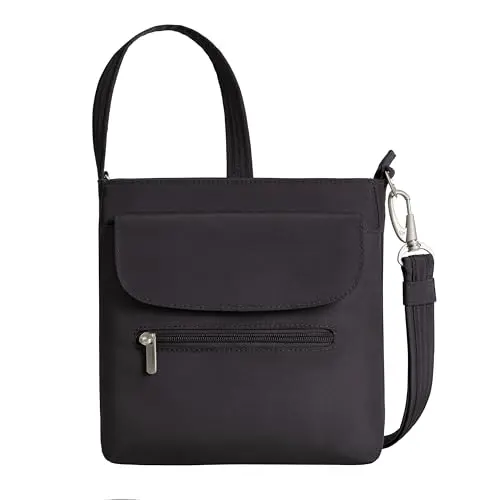
Anti-Theft Classic Mini Shoulder Bag – Locking, Slash-Resistant Security
A compact shoulder bag built around Travelon’s five-point anti-theft system, with locking compartments, slash-resistant body panels, and an RFID-blocking organizer. The adjustable cut-proof strap can be attached to a post or chair, which is useful in cafes and on trains.
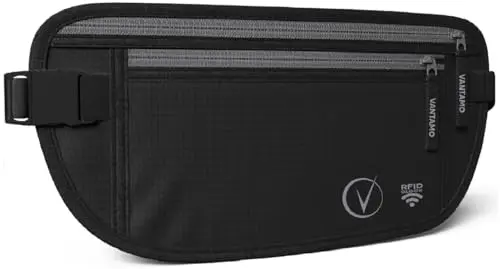
Money Belt with RFID – Hidden Passport and Card Carry
A slim hidden waist wallet designed to sit under clothing, with RFID-blocking material, two zippered compartments, and YKK zippers. It’s built for travelers who prefer valuables against the body rather than in a visible bag.

Anti Theft Crossbody Bag – Multi-Pocket Travel Sling
A slim crossbody travel bag with multiple zippered pockets, an adjustable strap, and water-resistant Oxford fabric. The design keeps valuables close to the body and adds a reflective band for evening visibility.
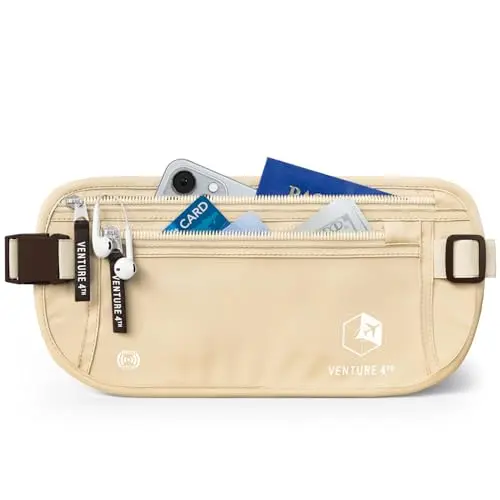
Travel Money Belt – RFID-Blocking Hidden Passport Holder
A slim RFID-blocking money belt with two zippered pockets, moisture-wicking mesh, and water-resistant ripstop nylon. The profile is designed to sit flat under clothing for discreet carry.

Small Travel Purse – RFID Crossbody with Card Slots
A compact vegan-leather crossbody with RFID-blocking front material, two zip compartments, a secure back zipper pocket, and eight built-in card slots. It’s styled for everyday use rather than obvious travel gear.

Travel Money Belt – RFID-Blocking Concealed Waist Wallet
A hidden waist wallet with RFID-blocking lining, two zippered pockets, breathable mesh backing, and an adjustable elastic waistband. It’s a budget-friendly option for keeping passports and cards under clothing.

Crescent Bag – RFID Crossbody with Anti-Theft Clip
A half-moon crossbody purse in smooth PU leather with RFID-blocking technology and a built-in anti-pickpocket clip. It’s designed to look like a fashion bag while adding a small layer of travel security.
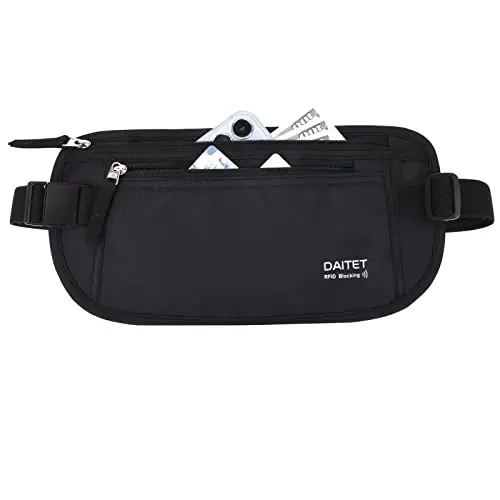
Money Belt – RFID-Blocking Hidden Travel Wallet
A slim RFID-blocking waist pouch with an adjustable elastic strap, two zippered pockets, and a breathable cushioned back. It’s a low-cost hidden wallet for passports, cards, and cash.
How We Evaluated These Anti-Theft Bags for Europe
We didn’t field-test these across a multi-city European trip or run controlled pickpocket simulations. What we did: cross-referenced 8 anti-theft bag and hidden-wallet models from 7 distinct brands across 5 decision axes – physical locking and slash resistance, RFID blocking, carry style and concealment, capacity and organization, and comfort for long walking days. We triangulated published specifications, feature sets, owner feedback where available, and use-case fit against common Europe travel scenarios like crowded metros, busy markets, and train stations. That meant weighing a locking crossbody differently from a hidden money belt: both can be useful, but they solve different problems.
The scoring framework weighted real-world fit for Europe travel (70%) – how well each option reduces easy access to valuables without making daily use miserable – against feature differentiation (30%) – unique security hardware, organization, and comfort details. We audited the lineup for practical tradeoffs rather than treating every anti-theft claim as equal. We also mapped capacity against real carry needs, because an overstuffed anti-theft bag can be harder to manage than a simple one. We have no commercial relationship with any brand here; recommendations track fit and differentiation, not brand preference. If you want a visible bag with locking hardware, the Travelon Anti-Theft Classic Mini Shoulder Bag is the strongest all-around match. If you prefer hidden carry, the Vantamo Money Belt is the more sensible starting point.
How to Choose the Right Anti-Theft Bags for Europe
1. What Makes an Anti-Theft Bag Worth Carrying in Europe
An anti-theft bag for Europe should make physical access harder without slowing you down every time you need a card or phone. The most useful designs combine locking zippers with slash-resistant panels on the body or strap, because a determined thief will target the easiest opening first.
Look for security features that match your actual habits. If you keep a bag behind you at a cafe, a strap you can loop around a chair matters. If you carry your bag in front on the metro, a locking main compartment is more relevant. The goal is layered resistance, not a gadget-heavy bag you stop using.
2. Hidden Carry vs. Visible Security for Europe Travel
There are two main approaches for Europe: a visible crossbody that you keep in front of you, or a hidden money belt worn under clothing. A visible bag is easier to access during the day, while hidden carry keeps passports and backup cards out of sight entirely. Many travelers use both, with a small crossbody for the day and a money belt for the hotel-to-station legs.
If you want the strongest all-around visible option, the Travelon Anti-Theft Classic Mini Shoulder Bag is the pick. For front-facing carry with lighter security, a compact crossbody like the Wander+ bag is easier to manage. If you’d rather keep valuables under clothes, the Vantamo Money Belt is the better route.
3. RFID Blocking, Locking Zippers, and Slash-Resistant Materials
RFID blocking protects contactless cards from digital skimming, but it’s not a substitute for physical security. A bag with locking compartments and a cut-proof strap does more against a pickpocket than RFID alone.
Check how the locking mechanism works in daily use. Some require two hands or a small clip, which is fine in a train station but annoying at a cafe. The best setup is secure enough to slow a thief and simple enough that you actually relock it.
4. Comfort and Day-Long Fit for Museum Days and Train Travel
Comfort matters because an anti-theft bag only works if you keep it on. Look for an adjustable strap that lets you wear the bag high and close to your body, plus a breathable mesh back if you’re walking all day in summer heat.
The Wander+ Anti Theft Crossbody Bag is a good example of a light crossbody with enough pockets for a phone, cards, and a small passport wallet. If you carry more, a shoulder bag with a wider strap distributes weight better than a thin sling.
5. How to Choose the Right Capacity for Europe Travel
Don’t choose capacity by how much you can cram in. A compact crossbody that holds a phone, one cardholder, and a small passport copy is easier to keep zipped and in front of you. A hidden wallet should hold the essentials flat, not bulge under a shirt.
For Europe, a common split is a small day bag for a phone and daily cash, plus a money belt for passport and backup cards. That keeps the bag light and reduces how often you open the secure compartment in public.
6. Common Pitfalls When Buying Anti-Theft Bags for Europe
The biggest mistake is overstuffing an anti-theft bag until the zippers strain and the shape gives away that something valuable is inside. The second is buying locking hardware you won’t use because it’s too slow.
Test the bag’s openings before a trip: can you reach your phone without unlocking everything? Can you relock the main compartment without looking? If not, the security feature will become a nuisance. RFID blocking is useful, but physical access control and your own carry habits matter more.
Frequently Asked Questions
1. What's the difference between the Travelon Anti-Theft Classic Mini Shoulder Bag and the Wander+ Anti Theft Crossbody Bag?
The Travelon Classic Mini is the more security-focused bag. It adds locking compartments and a cut-proof strap that can anchor to a chair. That makes it a better fit for crowded metros, train stations, and anywhere you want visible physical resistance.
The Wander+ crossbody is lighter and more pocket-organized, with water-resistant fabric and a slim profile that sits close to the body. It’s a good choice if you want a low-bulk day bag and rely more on keeping it in front of you than on locking hardware. For maximum security, choose the Travelon Anti-Theft Classic Mini Shoulder Bag; for a lighter everyday crossbody, the Wander+ Anti Theft Crossbody Bag is easier to carry.
2. Vantamo Money Belt vs. Venture 4th Travel Money Belt: Which is better for Europe?
The Vantamo Money Belt leans toward a slimmer, more polished hidden-carry feel with YKK zippers and two zippered compartments. It’s a good match if you want a low-profile belt for passports and cards and don’t need to access it constantly.
The Venture 4th Travel Money Belt emphasizes moisture-wicking mesh and a very thin profile, which helps in hot weather and under light clothing. Both are hidden-carry tools rather than day bags; pick the Vantamo for a slightly more organized feel, or the Venture 4th if breathability is your priority.
3. Are anti-theft bags necessary in Europe?
Not strictly necessary, but a basic anti-theft strategy is smart in any crowded city. Pickpockets target easy access: open totes, back pockets, and bags worn behind the body. A bag with locking zippers or a hidden money belt reduces the obvious opportunities.
The bigger factor is how you carry it. Keep the bag in front of you on metros and in markets, avoid hanging it on a chair back, and split cash and cards between a day bag and a hidden layer. The bag helps, but carry habits do most of the work.
4. Can a money belt replace an anti-theft bag in Europe?
A money belt can replace a bag only if you’re carrying very little. It’s excellent for passports, backup cards, and cash, but awkward for a phone, water bottle, or daily items you need to reach often. Most travelers do better with a small crossbody for the day and a hidden money belt for documents.
If you choose one, think about your day. A money belt keeps valuables out of sight but requires private access. A compact anti-theft bag is more practical for sightseeing but more visible. The best setup is usually a layered carry rather than one perfect bag.
Final Verdict
For most travelers, the Travelon Anti-Theft Classic Mini Shoulder Bag is the best anti-theft bag for Europe because it combines locking compartments, slash-resistant panels, and a cut-proof strap in a compact crossbody you’ll actually carry. It’s the closest thing here to a visible bag with real security hardware.
If you prefer hidden carry, the Vantamo Money Belt keeps passports and backup cards out of sight, and it’s the pick for crowded stations and markets. For a lighter day bag with more pocket organization, choose the Wander+ Anti Theft Crossbody Bag. And if budget is the priority, the Lanney Travel Money Belt covers the hidden-carry basics without the premium price.
Start with your carry style: visible, hidden, or both. The right anti-theft bag for Europe is the one you’ll keep zipped, keep close, and actually use every day.
