
Best Blackout Curtain Rods – 2026 Reviews

Morning light has a way of finding the one gap your blackout curtains missed. You can buy the heaviest panel on the shelf and still get a bright stripe down the side if the rod holds it flat against the wall. That’s why the rod matters as much as the fabric: a true blackout setup needs the curtain to wrap toward the wall, not just hang in front of the glass.
The useful split in this category is between wrap-around rods with curved returns and straight rods with adjustable wall clearance. Wrap-around designs do more for side-light blocking, while straight rods make more sense for very wide windows, sliding doors, or rooms where you mainly need to carry heavy panels. Rod diameter, wall thickness, bracket placement, and weight rating separate the rods that stay straight from the ones that sag in the middle.
We looked across the market at blackout curtain rods from multiple brands, from compact bedroom sizes to extra-long sliding-door spans. The goal is simple: match the rod to your window width, curtain weight, and mounting situation so the room actually goes dark. Below are the picks that make the most sense for different buyers, plus the tradeoffs worth knowing before you drill.
Best Blackout Curtain Rods – 2026 Reviews
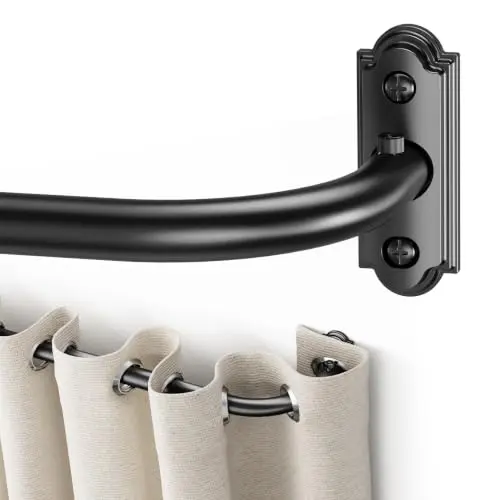
1115 Wrap-Around Rod – Bedroom Light Control
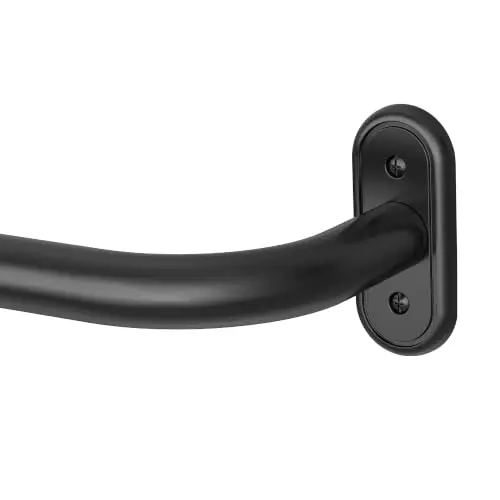
Wrap Around Blackout Rod – Seamless Light Seal
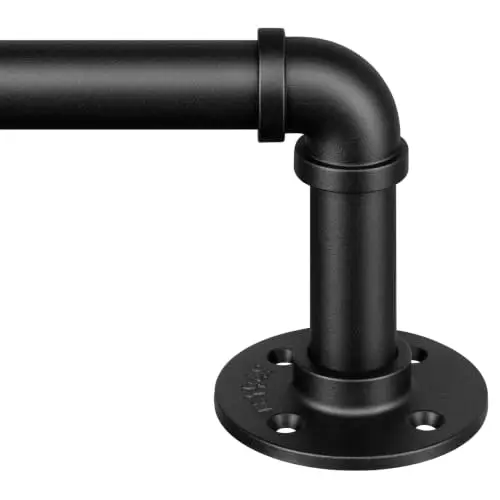
Skmst66BK – Industrial Wrap-Around Blackout Rod
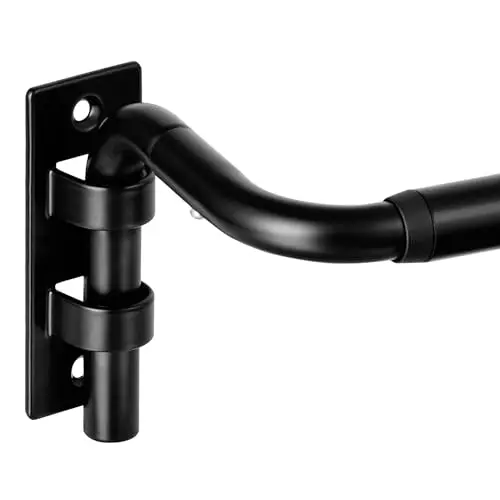
CREB0007V1 – Quick-Change Wrap-Around Rod
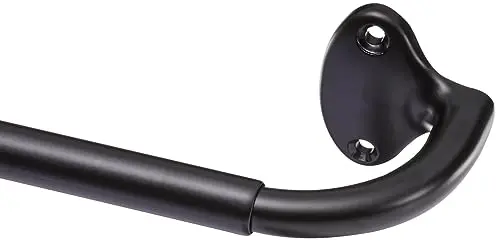
Adjustable Room Darkening Rod – Wrap-Around Light Control
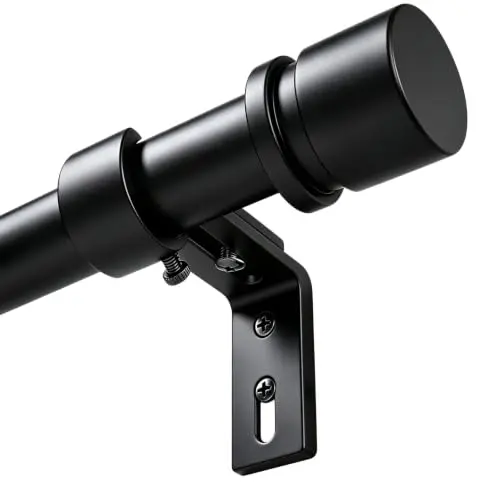
WCR144B – Long-Reach Adjustable Rod
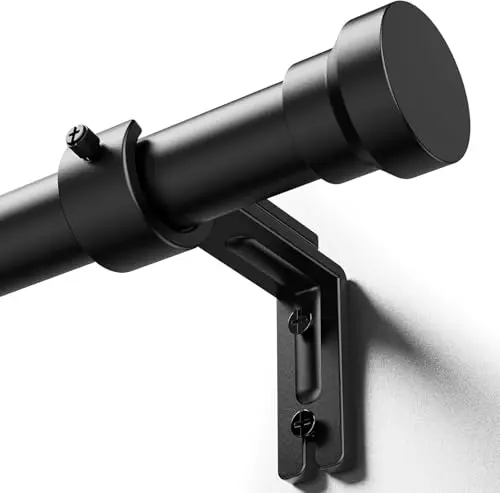
YF-1114 – Extra-Long Adjustable Rod
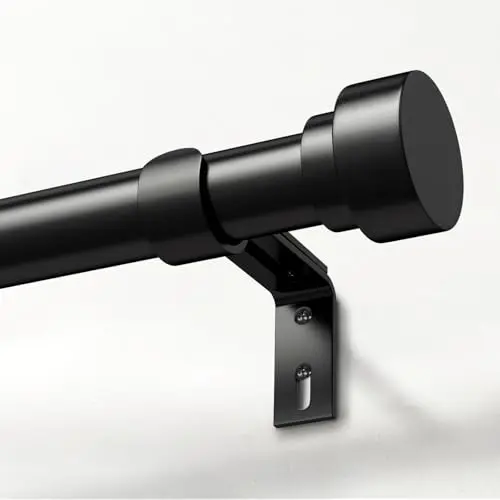
A1 Heavy Duty Rod – Long-Length Support
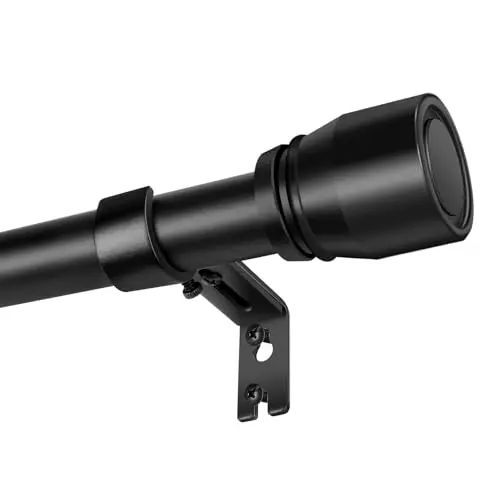
Extra-Long Spliced Rod – Wide Window Coverage
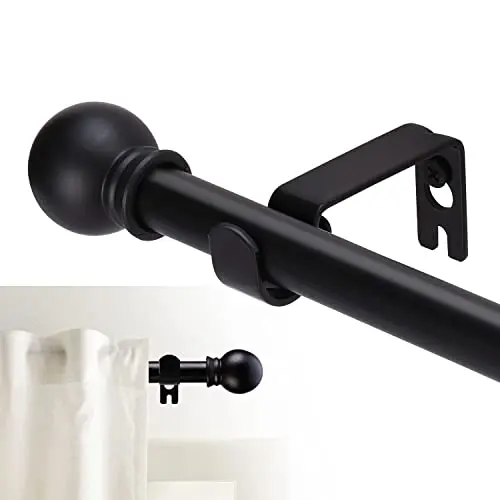
Decorative Splicing Rod – Compact Budget Pick
How We Evaluated These Blackout Curtain Rods
We didn’t install these rods in every window type or run long-term load trials. What we did: cross-referenced 10 blackout curtain rod models from 9 distinct brands across five decision axes – wrap-around coverage, weight capacity, adjustable span, mounting flexibility, and assembly/build quality. We triangulated published specifications, feature sets, and owner feedback where available, then mapped each rod against common buyer profiles: small bedroom windows, wide sliding doors, heavy blackout drapes, and renters who need straightforward installation. We also audited the details that tend to cause returns: bracket count, section splices, telescoping range, and whether the rod is actually wrap-around or just marketed that way.
The scoring framework weighted real-world fit and performance (70%) – how well each rod delivers on blackout coverage, span, and curtain support – against feature differentiation (30%) – curved returns, bracket adjustability, material thickness, and mounting options. A rod that looks good but cannot hold a heavy blackout panel did not score well, and neither did a heavy-duty rod that forces a straight profile into a window where side-light control is the main goal. We weighed material thickness and bracket design alongside the less glamorous stuff: assembly time, hardware quality, and how forgiving the length adjustment is when a measurement is slightly off.
We have no commercial relationship with any of the brands featured; recommendations track fit and differentiation, not brand preference. If you’re outfitting a standard bedroom window, the YaFex 1115 is your match; if you need to span a wide sliding door with a straight rod, the Byondeth WCR144B serves you better. A few things we can’t tell you: how each rod performs after years of sun exposure or repeated curtain changes. What we can: give you a clear, spec-based starting point that separates true blackout hardware from ordinary curtain rods.
How to Choose the Right Blackout Curtain Rods
1. What Makes a Curtain Rod a True Blackout Rod?
A blackout curtain rod is not just a rod that happens to hold blackout fabric. The useful ones are designed to reduce the light that sneaks around the edges, usually with curved returns or a wrap-around shape that pulls the curtain closer to the wall. A standard straight rod can still carry blackout curtains, but it leaves more of a gap at the sides.
The second half of the job is support. Blackout fabric is often heavier than sheers, so the rod needs a diameter and wall thickness that can handle the load without bowing. Look for a rod that matches both your window width and your curtain weight, not just the color you like.
2. Wrap-Around vs. Straight Blackout Curtain Rods
Wrap-around rods are the more blackout-specific design. The ends curve back toward the wall, so the curtain wraps around the window frame instead of hanging flat. That is the better choice for bedrooms, nurseries, and media rooms where a stripe of morning light is the enemy. If side-light leak is the main issue, the YaFex 1115 is the pick.
Straight rods make more sense for very wide windows, sliding doors, and outdoor spaces where you mainly need span and load capacity. They can still work with blackout curtains, especially if you use adjustable brackets to set the curtain farther from the wall or add a return panel. Just don’t expect the same edge-to-edge darkness as a wrap-around design.
3. Weight Capacity, Rod Diameter, and Curtain Type
Rod diameter is the quickest shorthand for capacity. 5/8-inch rods are common on budget and small-window models and are fine for lighter blackout panels. 1-inch rods are the better bet for medium and heavy drapes, especially on long spans. Wall thickness matters too: a 1-inch rod with a 0.6mm to 0.8mm wall will generally feel more solid than a thin tube of the same diameter.
Check the weight rating against the curtain label. A rod rated for 20 pounds is not the same as one rated for 50 pounds, and long spans put more stress on the middle. For heavy blackout drapes, the Zeerobee Skmst66BK is a better match than a lightweight 5/8-inch rod.
4. How to Measure for Blackout Curtain Rods
Measure the window width first, then add extra on both sides. A common guideline is to extend the rod 4 to 12 inches beyond the window frame on each side; more overhang helps the curtain block light at the edges. For wrap-around rods, leave enough room for the curved ends to sit close to the wall without hitting trim.
Also check the mounting surface. Wall mount is standard, but ceiling mount can help when trim or furniture limits wall space. If you have a long sliding-door span, the Wolistsa wrap-around rod is the pick for keeping side light under control across a wide opening.
5. Budget, Mid-Range, and Premium Blackout Curtain Rods
Budget blackout curtain rods usually use a 5/8-inch or 0.63-inch tube and a lower weight rating. They can work well on small windows with lighter panels, but they are not the place to save if you have heavy drapes. Mid-range rods step up to a 1-inch diameter, better brackets, and longer adjustable spans; this is where most shoppers land for a bedroom or living room.
Premium blackout rods tend to add thicker walls, more substantial mounting hardware, and better joint design for long spans. You may also pay for a more finished look, like aluminum ends or an industrial finish. The jump is worth it when the rod is long, the curtains are heavy, or the window is a focal point.
6. Installation Quirks to Expect with Blackout Curtain Rods
Many long rods arrive as spliced sections rather than one piece. That is normal for shipping, but it means assembly matters. Screw the joints together fully and use the center support bracket on long spans; skipping it is a common reason a rod sags in the middle.
Use the right wall anchors for drywall or plaster, and drill pilot holes for the brackets. If the rod has a telescopic section, extend it only as far as needed; overextending a thin telescoping tube can reduce stability. A few extra minutes on installation is the difference between a straight rod and a droopy one.
Frequently Asked Questions
1. Are all blackout curtain rods actually blackout?
No. The term gets used loosely. A true blackout rod usually has curved returns or a wrap-around shape that pulls the curtain toward the wall, which reduces side-light leak. A straight rod can hold blackout curtains, but it mainly controls light through the fabric, not around the edges. If edge light is your problem, prioritize a wrap-around design over a standard straight rod.
2. YaFex 1115 vs. Zeerobee Skmst66BK: Which wrap-around rod is better for a bedroom?
They serve slightly different windows. The YaFex 1115 covers a shorter 32-86 inch span and supports up to 50 pounds, which makes it a clean fit for most bedrooms and smaller windows. The Zeerobee Skmst66BK is built for 66-120 inch spans and has a more industrial finish, so it’s the better choice for a wide bedroom window or a sliding door. For a standard bedroom, the YaFex 1115 is the easier recommendation; for a long span with heavier drapes, go with the Zeerobee.
3. Wolistsa vs. ENJOYBASICS: Which long blackout rod should you choose?
The Wolistsa wrap-around rod is the heavier-duty long-span option, with a 1-inch carbon steel body, 0.8mm wall, and a 36-120 inch adjustable range. The ENJOYBASICS CREB0007V1 is the budget-friendly pick with a quick-change design and a 30-86 inch span, but its 20-pound rating is better suited to medium-weight curtains. Choose Wolistsa for wide windows and heavier blackout drapes; choose ENJOYBASICS for a simpler bedroom setup where easy curtain changes matter.
4. Can I use a straight curtain rod with blackout curtains?
Yes, especially on very wide windows or sliding doors where wrap-around ends are hard to fit. A straight rod can carry blackout fabric fine if the weight rating is high enough and the brackets set the curtain far enough from the wall. You’ll get less side-light control than with a wrap-around rod, but a straight rod with a center support is often the more practical choice for long spans.
5. How much weight can a blackout curtain rod hold?
It depends on the rod’s diameter, wall thickness, and bracket design. Compact 5/8-inch rods often land around a 20-pound rating, while 1-inch heavy-duty rods can handle 33 to 50 pounds. Long spans need more support, so use the center bracket and check the weight rating before hanging heavy drapes. If your curtains are thick and lined, lean toward a 1-inch rod rather than a decorative 5/8-inch model.
Final Verdict
For most bedrooms, the YaFex 1115 is the blackout curtain rod we’d start with. It combines a true wrap-around shape with a 1-inch body, a 50-pound rating, and wall or ceiling mounting, so it handles both side-light control and real curtain weight without overcomplicating the install. If the window is small and the budget is tight, the ENJOYBASICS CREB0007V1 gets you wrap-around coverage and easy curtain changes for less. For a very wide sliding door where a straight rod makes more sense, the Byondeth WCR144B covers an unusually long span with adjustable brackets. And if you need a long wrap-around rod for a wide bedroom window, the Wolistsa wrap-around rod is the purpose-built alternative. Match the rod to the window first; the blackout effect follows.
