
Best Boat Dehumidifiers – 2026 Reviews

A closed boat cabin has a way of announcing itself. You slide the hatch open after two weeks away and get that first breath of damp vinyl, old rope, and trapped air. The cushion feels cool, the locker smells like a basement, and suddenly a dehumidifier moves from nice-to-have to the first thing you price out.
The boat part is what changes the shopping list. A dehumidifier for a house can sit in a corner and drain into a floor pan; a boat dehumidifier has to survive motion, tight lockers, shore-power limits, and long absences. The useful split is usually passive versus electric, then spill resistance, odor control, and how much attention the unit demands.
Below, we compare passive absorbers and electric models across major brands, with an eye on capacity, placement options, and real-world boat fit. The goal is to help you choose the right format for your cabin, not to crown one brand.
Best Boat Dehumidifiers – 2026 Reviews
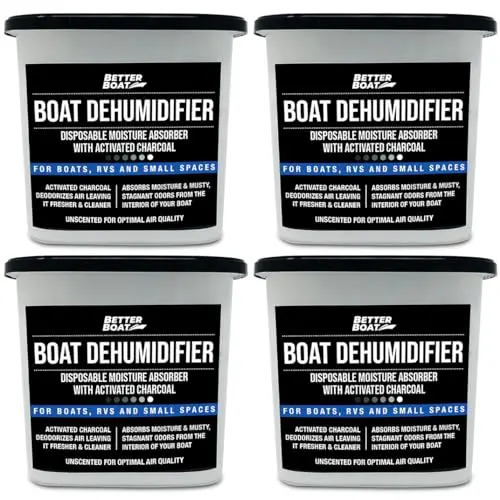
Moisture Absorber Bucket 4-Pack – Spill-Resistant Boat Protection
A four-pack of disposable moisture absorber buckets built for boats, RVs, and other enclosed spaces. Activated charcoal is mixed into the crystals to tackle damp, musty odors while the snap-on lid and mesh screen help keep contents contained when the boat moves.
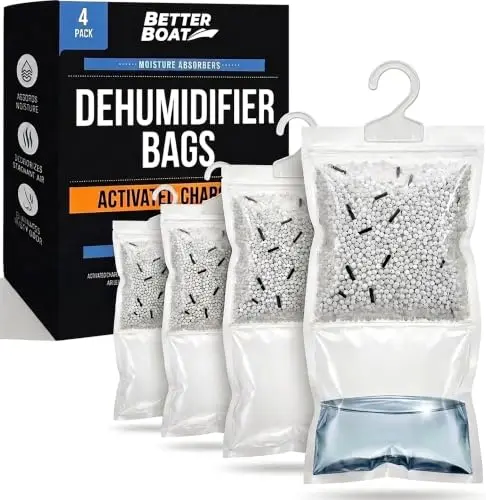
Boat Dehumidifier Hanging Bags 4-Pack – Charcoal Odor Control
Four hanging moisture absorber bags made for boat cabins, RVs, cars, and closets. Activated charcoal and moisture-absorbing pellets pull dampness from enclosed air and target musty odors without adding fragrance; each bag is designed to be used until spent, then tossed.
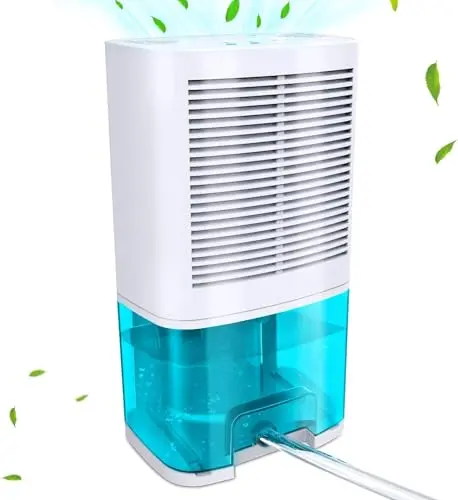
68oz Dehumidifier with Drain Hose – Continuous Drain for Cabins
A compact electric dehumidifier with a 68-ounce tank, a five-foot drain hose, and a quiet Peltier cooling design. It is intended for small rooms, RVs, basements, and other enclosed spaces where continuous draining is more convenient than emptying a tank by hand.
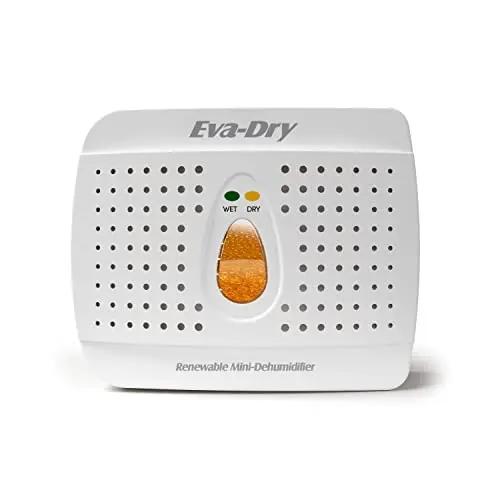
E-333 Mini Dehumidifier – Rechargeable Locker-Sized Drying
A cordless, rechargeable mini dehumidifier that uses renewable silica gel beads to absorb moisture in small enclosed spaces. It is designed to hang or sit in lockers, closets, cars, gun safes, and boat compartments, then recharge when the beads are spent.
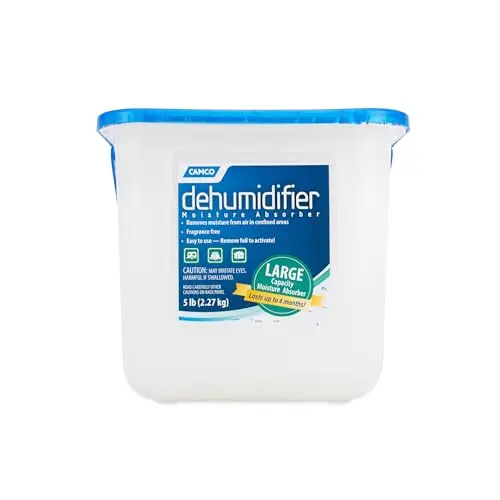
Moisture Absorber Bucket – Large-Capacity RV and Boat Storage
A large disposable moisture absorber bucket with fragrance-free beads and a five-pound capacity. It is aimed at RVs, campers, closets, basements, and boat storage, with a design meant to pull humidity from enclosed spaces and reduce musty odors.

Moisture Absorber Packets 10-Pack – Hanging Closet Drying
A ten-pack of hanging moisture absorber bags filled with spherical calcium chloride particles. Each bag has a one-way moisture-permeable paper and a visible water reservoir, intended for closets, bathrooms, basements, garages, caravans, and other enclosed spaces.
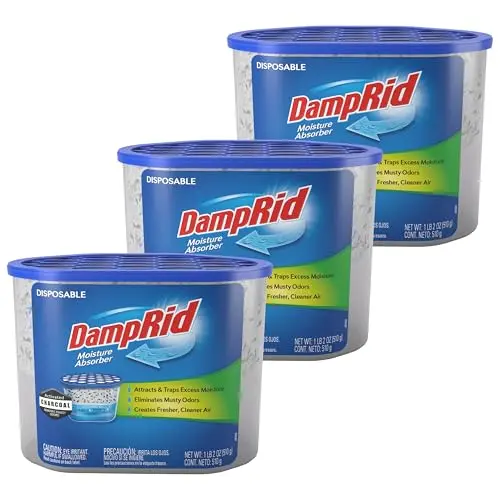
Fragrance Free Moisture Absorber 3-Pack – Charcoal Odor Removal
A three-pack of disposable moisture absorber canisters with activated charcoal and no added fragrance. Each 18-ounce container is designed to attract and trap excess moisture while removing musty odors in bathrooms, closets, basements, and other enclosed spaces.

Refillable Moisture Absorber 6-Pack – Fresh Scent Humidity Control
A six-pack of refillable moisture absorber cups with a fresh scent. Each 11-ounce cup is designed for closets, bathrooms, laundry rooms, and other enclosed spaces; when full, you pour out the liquid and refill with new crystals.
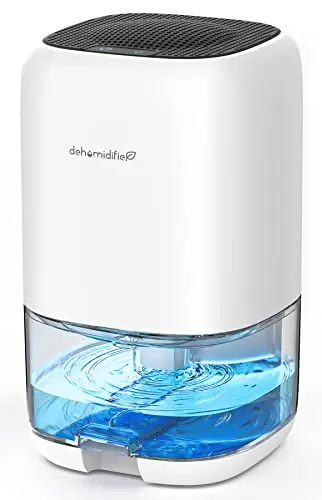
35oz Small Dehumidifier – Quiet Bedroom and RV Use
A compact Peltier dehumidifier with a 35-ounce transparent tank, seven-color light, and auto shutoff. It is intended for bedrooms, bathrooms, closets, RVs, and other small spaces where quiet operation and a small footprint matter.
How We Evaluated These Boat Dehumidifiers
We didn’t see these absorbers through a full season of cabin and locker use. What we did: cross-referenced nine moisture-control products from seven distinct brands across five decision axes – moisture capacity, footprint and mounting options, power or refill needs, odor control, and suitability for enclosed boat spaces. We mapped published specifications, feature sets, and field feedback where available against representative boat-use profiles, including stored boats, weekend cabins with shore power, and small locker-only setups. We also weighed how each format handled the realities of a boat: limited floor space, occasional motion, and long gaps between visits. A product that needs constant emptying or careful placement loses ground even if it has more capacity on paper.
The scoring framework weighted real-world fit (70%) – how well each option handles a damp, enclosed, sometimes moving cabin – against feature differentiation (30%) – unique containment, odor control, and use-case advantages. We pressure-tested the logic of each pick against the others rather than treating a large tank or a long runtime as automatically better. We have no commercial relationship with any brands featured; recommendations track fit and differentiation, not brand preference. If you want the most boat-ready set-and-forget passive pick, the Better Boat Moisture Absorber Bucket 4-Pack is the one to beat; if space is tight, the Better Boat Boat Dehumidifier Hanging Bags 4-Pack hangs almost anywhere.
How to Choose the Right Boat Dehumidifiers
1. What Makes a Boat Dehumidifier Different From a Home Unit?
A boat cabin is not a small bedroom. It is an enclosed, often unheated space that can swing from damp to hot, with limited floor area, constant motion, and long stretches with no one aboard. A boat dehumidifier has to work in those conditions without needing constant attention. That is why spill resistance, a compact footprint, and no-power operation matter as much as raw moisture capacity.
The best format depends on how you use the boat. A stored boat usually needs passive absorbers that can sit for weeks. A weekend boat with shore power can support an electric unit, but only if the drain and power routing are sensible. The category is less about one perfect machine and more about matching the form to the cabin.
2. Passive Boat Dehumidifiers vs. Electric Models
Passive absorbers use calcium chloride, silica gel, or charcoal-enhanced crystals to pull moisture from the air. They are quiet, cordless, and easy to leave aboard, but they have finite capacity and need replacing or recharging. Electric dehumidifiers use Peltier or compressor cooling to condense moisture, so they can keep working as long as power is available, but they add power draw, noise, and a tank or drain to manage.
If your boat stays on shore power and you want active drying, the Levoair 68oz is the pick because its drain hose can make it hands-off. If the boat is stored without power, stay passive; an electric unit that cannot run is just a plastic box. Hybrid approaches work too: an electric unit for the season and passive absorbers for winter storage.
3. Capacity and Cabin Size: How Much Moisture Control Do You Need?
Match the absorber to the enclosed volume, not the length of the boat. A hanging bag or mini rechargeable unit is fine for a locker, head, or small sealed compartment, while a bucket or multi-pack is better for an open cabin or a boat left closed for weeks. Air circulation matters as much as capacity: a single absorber in a closed closet will outperform a large bucket in a leaky, humid cabin with no air movement.
For small sealed spaces, the Eva-Dry E-333 is the simplest rechargeable route. For a larger cabin, plan on multiple passive units or one electric model with a continuous drain. High humidity and warm temperatures shorten the life of every absorber, so buy for the worst week of summer, not the average spring day.
4. Better Boat Bucket vs. Camco Moisture Absorber Bucket for Boat Storage
These two passive buckets solve the same problem in different ways. The Better Boat Moisture Absorber Bucket 4-Pack adds activated charcoal and a spill-resistant lid with mesh screen, which makes it more forgiving on a boat that moves. The Camco bucket leans on large capacity and fragrance-free beads, with a simpler open design that suits a stable storage space.
Choose the Better Boat set if the boat is trailered, rocked, or used in a cabin where musty odor is part of the problem. Choose the Camco bucket if you want maximum passive capacity for a stationary boat and don’t need the extra containment. Neither is a permanent solution; both need replacement when the contents gel.
5. Spill Resistance and Odor Control on a Moving Boat
On a boat, spill resistance is not a luxury. A bucket that tips in a chop can leave a caustic mess, and a hanging bag that swings loose can empty into a locker. Look for snap-on lids, mesh screens, secure hooks, and a footprint that fits a shelf or sole without sliding. Activated charcoal is worth prioritizing if the cabin smells musty, because it targets odors rather than just adding fragrance.
Fragrance-free formulas are usually the safer choice in a confined cabin, especially if you sleep aboard. Scented absorbers can be pleasant at home and overwhelming on a boat. If odor is the main issue, a charcoal-enhanced bucket or bag will do more than a plain moisture absorber alone.
6. Power, Refills, and Maintenance on the Water
Electric models need a realistic power plan. Shore power is ideal; an inverter or solar setup works only if the dehumidifier’s draw fits your budget. A drain hose reduces tank emptying, but it must run downhill and stay clear. Passive absorbers are simpler, but they still need a replacement schedule; a bag that has been full for a month is no longer drying anything.
Check the absorber every time you visit the boat. Top off or replace before a long absence, and leave air gaps around the unit so moist air can reach it. Maintenance is boring, but it is the difference between a dry cabin and a science experiment.
Frequently Asked Questions
1. What makes a dehumidifier genuinely suitable for a boat?
A boat-ready dehumidifier has to handle enclosed, moving, and sometimes unpowered spaces. That means spill resistance, a compact footprint, and either no-power operation or a realistic power plan. A home unit with a big tank and a cord can work on a docked boat with shore power, but a passive absorber is often the better fit for storage. The boat dehumidifier label matters less than whether the format matches your cabin and use pattern.
2. Better Boat Moisture Absorber Bucket vs. Camco Moisture Absorber Bucket: which is better for boat storage?
The Better Boat Moisture Absorber Bucket 4-Pack is the more boat-focused choice because it combines activated charcoal, a snap-on lid, and a mesh screen for motion and odor control. The Camco bucket is simpler, with large capacity and fragrance-free beads, so it suits a stable storage space where you want long passive coverage. Choose Better Boat for a trailered or rocking boat; choose Camco for a stationary cabin where capacity is the priority.
3. Levoair 68oz vs. TABYIK 35oz: which electric dehumidifier fits a boat cabin?
The Levoair 68oz is the better boat-cabin pick if you can use its five-foot drain hose, because continuous draining cuts down on tank emptying. The TABYIK 35oz is smaller and has a transparent tank plus auto shutoff, but its modest moisture removal suits only a tiny cabin or head. Go with Levoair for a powered cabin; choose TABYIK only for a very small space where you can empty the tank often.
4. Do hanging moisture absorber bags work under a boat cover?
They can, as long as the space is enclosed enough for the bag to pull moisture from the air and there is some air movement. Hanging bags are best for small compartments like a head, locker, or under-cover cockpit area, not a large open boat. Use a secure hook so the bag doesn’t swing loose, and replace it when the water reservoir is full or the crystals have gelled.
5. How often should you replace a disposable boat dehumidifier?
Replace it when the crystals have gelled or the water reservoir is full, not on a fixed calendar. In hot, humid summer weather that can happen much faster than in a cool, dry off-season. Check the unit every visit, and keep a spare absorber aboard so a full one doesn’t sit in the cabin doing nothing. A visible reservoir or semi-transparent body makes this much easier to judge.
Final Verdict
For most boat cabins, the Better Boat Moisture Absorber Bucket 4-Pack is the answer. It pairs activated charcoal with a spill-resistant lid and a multi-pack format that makes sense for a stored or trailered boat. If space is tight, the Better Boat Boat Dehumidifier Hanging Bags 4-Pack hangs out of the way and still targets musty odors. If your cabin has shore power and you want active drying, the Levoair 68oz with its drain hose is the hands-off choice. And for lockers or small sealed compartments, the Eva-Dry E-333 is the budget-friendly rechargeable pick. Match the format to your power and space, and you’ll get more out of any boat dehumidifier.
