
Best Bottled Water For Espresso Machine – 2026 Reviews

Pulling a shot at home is a small ritual with a big variable hiding in plain sight: the water. You can dial in the grind, weigh the dose, and still end up with dull espresso or a boiler full of scale if the water is too hard, too alkaline, or too mineral-heavy. Bottled water isn’t a shortcut around that-it’s just a different set of tradeoffs.
The useful split for espresso machines is still versus sparkling, then neutral versus alkaline, then low-mineral versus mineral-rich. A water that tastes great straight from the bottle can still be a maintenance headache in a machine. The better question is whether it keeps your shots clean and your boiler happy over time.
We looked across major bottled-water brands to find the options that make sense for espresso use, not just the ones with the prettiest labels. Some are purified, some are spring, and one or two are better as taste-led picks than scale-first picks. Here’s how they sort out.
Best Bottled Water for Espresso Machine – 2026 Reviews
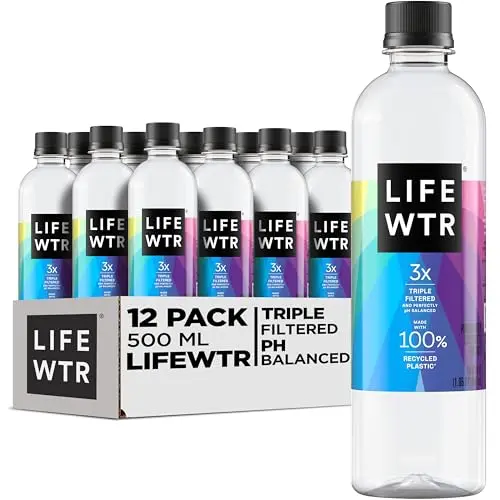
Premium Purified – pH-Balanced Espresso Water
LIFEWTR starts with reverse-osmosis purification and lands in a pH-balanced range with electrolytes added for taste. For espresso, that makes it a practical middle ground: cleaner than mineral-heavy spring water, but not flat or stripped-tasting. The 500 mL bottles are easy to keep on hand without committing to a huge case.
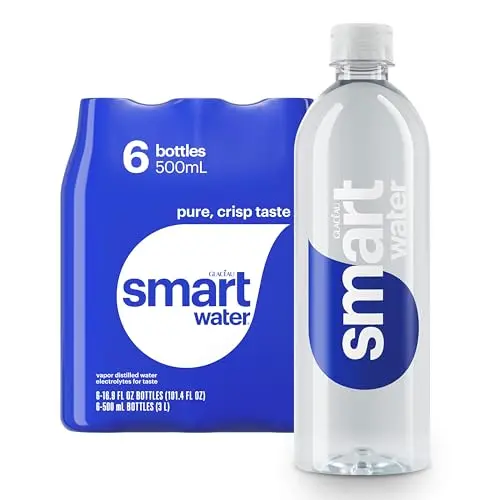
Vapor Distilled – Crisp Purified Water
smartwater is vapor-distilled and then given a tailored pH plus electrolytes for flavor. It’s a crisp, clean-tasting purified water that works well when you want something lighter than a spring water but still pleasant to drink straight. The six-pack format is handy for smaller kitchens or testing before buying a larger case.
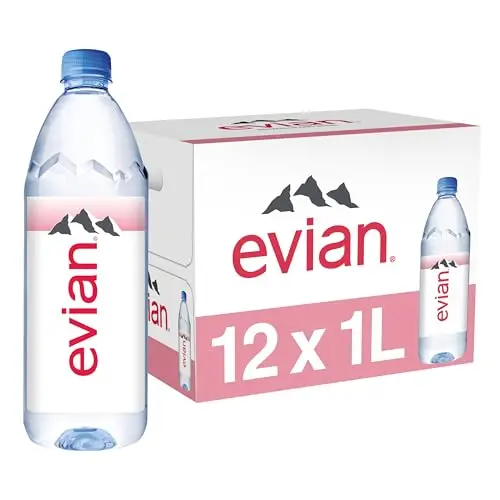
Natural Spring – Neutral pH Hydration
Evian is a natural spring water with a neutral 7.2 pH and a balanced mineral profile. It drinks smooth and clean, and the one-liter bottles are a sensible size for filling an espresso reservoir without constant refills. It’s a good choice if you want a recognizable spring water and don’t mind keeping an eye on scale.
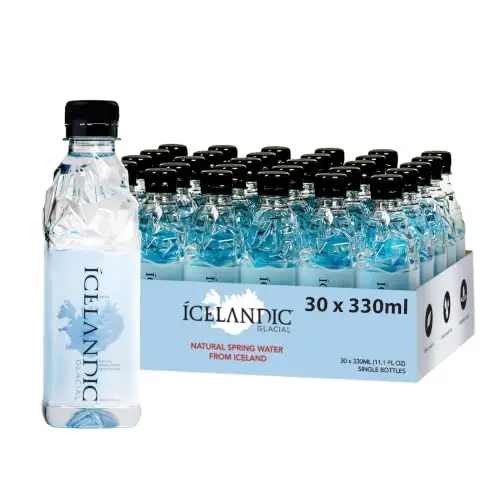
Natural Spring – Low-Residue Alkaline Water
Icelandic Glacial is a naturally alkaline spring water with an 8.4 pH and a reputation for leaving little mineral residue. It’s crisp and clean, and the small 330 mL bottles suit light use or tasting. For espresso, it’s a good option if you want spring water but are wary of heavy scale.
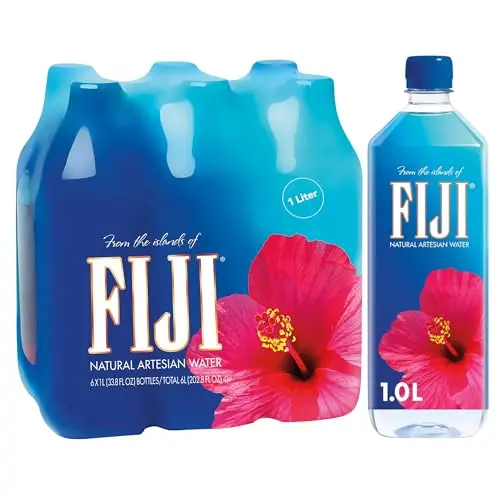
Natural Artesian – Smooth Mineral Water
FIJI is a natural artesian water with a 7.7 pH and a soft, smooth mouthfeel. It’s a premium-tasting water that many people enjoy straight, and the one-liter bottles are convenient for a reservoir. For espresso, it’s more of a taste-led choice than a scale-first one.
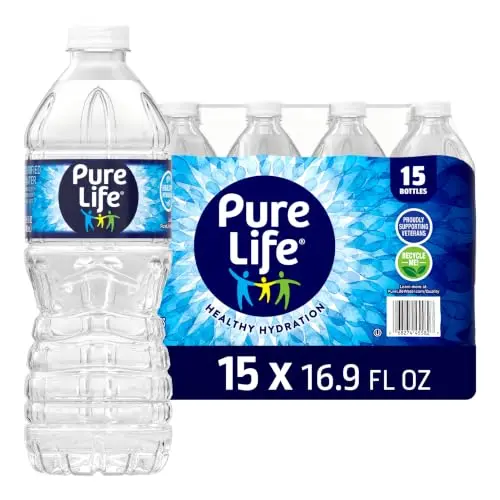
Purified – Everyday Budget Water
Pure Life is purified water enhanced with minerals for a crisp taste, sold in a large case of 16.9-ounce bottles. It’s an affordable everyday option that works for basic hydration and casual espresso setups. It’s not the most scale-focused choice, but it’s easy to keep on hand.
How We Evaluated These Bottled Water for Espresso Machine
We didn’t run controlled espresso-machine scale tests or lab water analyses. What we did: cross-referenced six bottled water models from six distinct brands across six decision axes – still versus sparkling, pH, mineral load, purification method, bottle format, and everyday drinkability. We triangulated published specifications, feature sets, owner feedback where available, and use-case fit for espresso machines. We mapped each option against the realities of home espresso: reservoirs get filled repeatedly, boilers heat water day after day, and mineral-heavy water can leave scale even when the taste seems fine.
The scoring framework weighted real-world performance (70%) – how well each water supports clean-tasting espresso without obvious scale risk – against feature differentiation (30%) – purification method, pH disclosure, mineral profile, and packaging practicality. We have no commercial relationship with any of the brands featured; recommendations track fit and differentiation, not brand preference. If you want the most neutral everyday starting point, the LIFEWTR is your match; if you prefer a purified alternative with a crisp finish, smartwater serves you better. We did not test long-term machine wear or verify mineral content beyond published product information, so treat these picks as a practical shortlist rather than a laboratory guarantee.
How to Choose the Right Bottled Water for Espresso Machine
1. Why Water Chemistry Matters for an Espresso Machine
Espresso is mostly water, and the minerals in that water affect both flavor and the machine. Calcium and magnesium help extract coffee, but too much of either can leave scale in the boiler and group head. Alkalinity is the other big lever: high-alkaline water can flatten acidity and push flavors toward dull or soapy. The goal is still water with a neutral-leaning pH and a moderate-to-low mineral load. That’s why sparkling water is out, and why the best bottled water for an espresso machine is usually not the most mineral-heavy spring water on the shelf.
2. Still, Low-Mineral Bottled Water Is the Safest Starting Point
If you want the fewest surprises, start with purified or distilled-style water that has a light mineral add-back for taste. These waters give you a clean baseline and reduce the chance of heavy scale. If neutral pH and low mineral load are your priorities, the LIFEWTR is the pick here. It’s reverse-osmosis purified and pH-balanced, so it sits in the practical middle: not a blank slate, but not a mineral bomb either. Spring water can still work, especially if you descale on schedule, but it requires more attention.
3. How pH and Alkalinity Affect Espresso Flavor
pH tells you how acidic or alkaline the water is; alkalinity tells you how well it neutralizes acid. They’re related but not the same. A water with a high pH isn’t automatically bad, but high-alkaline water can mute the bright notes in espresso. Neutral pH is the safer default. If you like a softer, rounder shot, a neutral spring water like Evian can be pleasant, but don’t confuse smooth taste with scale safety.
4. Scale Risk: What to Look for in Bottled Water for Espresso Machines
Scale is the long game. Every liter you put through the machine leaves some mineral behind, and hardness is the number that tells you how much. Bottled water labels rarely give you a full hardness report, so look for clues: purified or distilled on the label, a pH-balanced claim, and language about light minerals rather than mineral-rich. If you want a spring option with a lighter reputation, Icelandic Glacial is worth a look, though its alkaline pH means it’s not for every machine. Descaling still matters with any bottled water.
5. Bottle Size and Pack Format for Espresso Machine Use
Bottle size is a practical filter. A one-liter bottle is easier to pour into a reservoir than a tiny grab-and-go bottle, while a large case cuts down on restocking. If you have a small kitchen, a compact six-pack may be easier to store. If you go through a reservoir every day, a multi-liter pack makes more sense. The tradeoff is packaging turnover: smaller bottles mean more plastic and more trips to the recycling bin.
6. Budget vs. Premium Bottled Water: What Changes
Budget purified water can be perfectly fine for espresso, especially if you descale regularly. What you’re often paying for at the premium tier is source, taste, and bottle design-not necessarily better machine care. A mid-range purified water with a pH-balanced claim is usually the sweet spot. Premium spring water can taste lovely, but it may carry more minerals than a scale-conscious espresso owner wants. Match the water to your maintenance habits, not the label’s glamour.
Frequently Asked Questions
1. Can I use bottled water in an espresso machine without voiding the warranty?
Usually yes, but the machine maker’s water guidance matters more than the bottle. Distilled or purified water with a light mineral add-back is generally safer for scale than mineral-heavy spring water. Avoid sparkling water entirely. Check your manual for any hardness limits, and keep up with descaling regardless of what you pour in.
2. What's the difference between LIFEWTR and smartwater for espresso machines?
Both are purified waters with added electrolytes, but LIFEWTR gives you a stated pH range of 6.4 to 7.4 and reverse-osmosis purification. smartwater leans on vapor distillation and a tailored pH. For espresso, LIFEWTR is the easier spec check, while smartwater is a solid purified alternative. If you want the most neutral-leaning choice, the LIFEWTR is the pick here.
3. Is Evian or FIJI better for espresso machine water?
They’re close in pH-Evian is 7.2 and FIJI is 7.7-so the bigger difference is mineral character and taste. Evian has a balanced mineral composition and a neutral profile, while FIJI is soft and smooth with natural electrolytes. Neither is a zero-scale guarantee. If you want the more neutral spring-water starting point, Evian is the safer pick; if taste is the priority, FIJI makes sense.
4. Do I need distilled water for an espresso machine?
Not necessarily. Distilled water is extremely low in minerals, which is good for scale but can taste flat and may not extract coffee as well. Many espresso owners prefer remineralized purified water or a pH-balanced bottled water. The practical target is low hardness with enough mineral content for flavor. If you use true distilled water, consider a remineralization step rather than running it straight.
Final Verdict
For most espresso setups, LIFEWTR is the answer. It pairs reverse-osmosis purification with a pH-balanced range and light electrolytes, so you get clean-tasting water without the high-alkaline profile that can muddy shots. If you want a purified backup, smartwater is a strong alternative with vapor distillation and a tailored pH. For a budget-friendly everyday option, Pure Life is easy to stock, though it’s not the scale-minimalist’s first choice. And if you prefer a neutral spring water, Evian is the smoother, more familiar pick-just plan to descale on schedule. The through-line is simple: choose still, low-to-moderate mineral water, keep pH near neutral, and don’t treat any bottled water as maintenance-free.
