
Best Breastfeeding Pillows – 2026 Reviews

Late-night feeds have a way of making every pillow in the house feel wrong. A breastfeeding pillow needs to do more than sit on your lap; it has to hold a firm, flat surface at the right height, take pressure off your back and arms, and stay put while you adjust a hungry baby.
Two things separate the useful picks from the frustrating ones. Firmness and shape matter more than plushness, because a pillow that sags lets the baby roll toward your body and throws off the latch. Support around the waist and back matters just as much once feeds stretch past twenty minutes.
Whether you’re building your own registry or shopping for a best friend, the market splits into wraparound designs, crescent pillows, memory-foam options, and compact travel picks. We surveyed the category across major brands and focused on which pillow fits which feeding routine.
Best Breastfeeding Pillows – 2026 Reviews
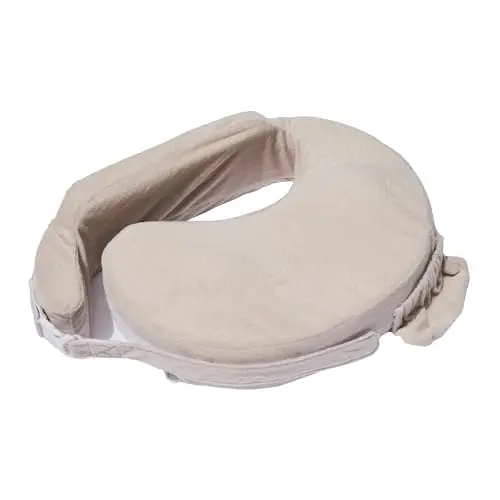
Deluxe Nursing Pillow – Firm, Flat Feeding Support
A wraparound breastfeeding pillow with a firm, flat cushion, a soft backrest panel, and an adjustable waist strap. The plush slipcover is removable and includes a side pocket for burp cloths or a phone.
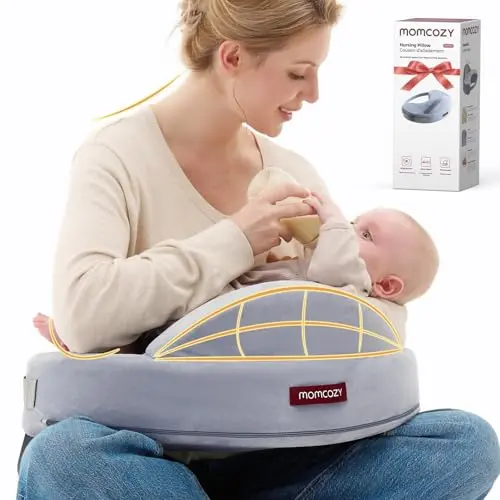
Cozylite Nursing Pillow – Memory Foam With Safety Guard
A memory-foam nursing pillow with an adjustable waist strap, a wider support surface, and an integrated safety guard to help keep baby from slipping during feeds.
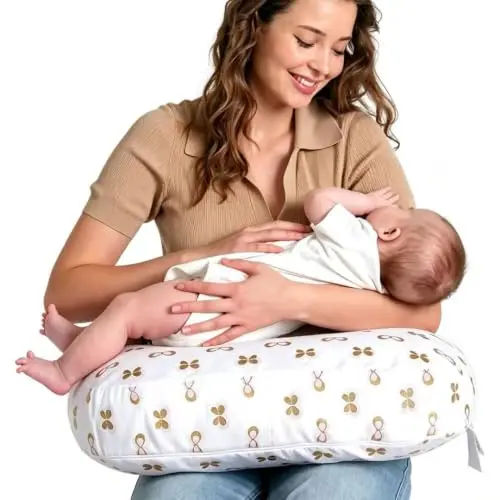
Nursing Pillow – Extra-Firm Support With Washable Cover
An extra-firm nursing pillow with a high-loft cushion, a wider support area, and a removable machine-washable cover. It’s CPSC-compliant and OEKO-TEX certified.
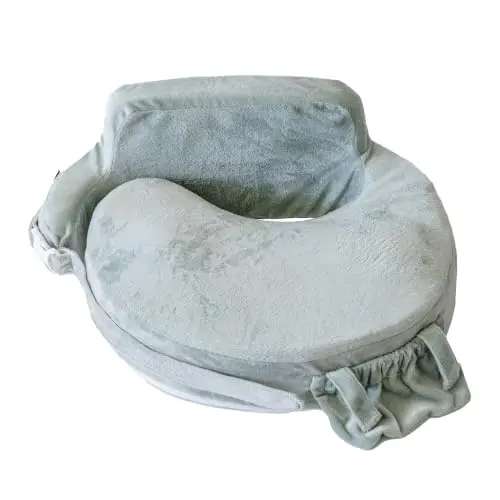
Super Deluxe Nursing Pillow – Adjustable Backrest Support
A wraparound nursing pillow with an upgraded backrest, extra-thick cushion, silent-release straps, and a soft slipcover with a handy side pocket.
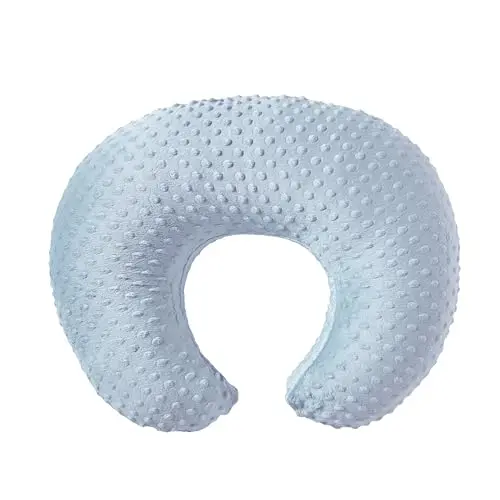
Nursing Pillow and Body Positioner – Soft Value Pick
A soft nursing pillow and body positioner with a plush dot cover, 7D PP fiber fill, and a removable machine-washable cover. It’s designed for feeding, propping, tummy time, and sitting support.
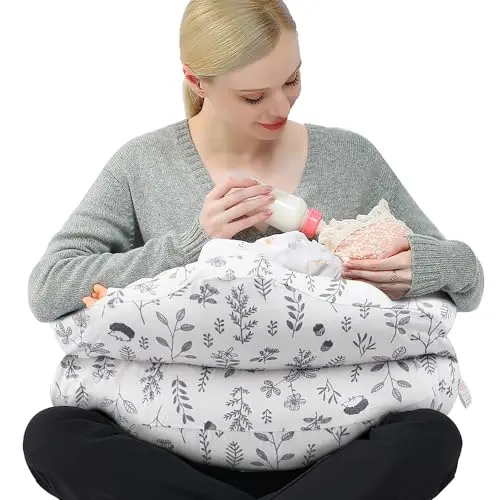
Adjustable Nursing Pillow – Plus-Size Support With Safety Fence
A plus-size nursing pillow with a three-sided safety fence, adjustable waist strap, and removable cotton cover. The filling can be adjusted to change the pillow’s height.

Original Nursing Pillow – Wide Surface and Adjustable Strap
A wide nursing pillow with an adjustable waist strap, a safety guard design, and a removable 100% cotton cover. The wider surface is meant to support arms and elbows during longer feeds.

Anywhere Travel Nursing Pillow – Compact On-the-Go Support
A compact travel nursing pillow with a crescent shape, a snap-and-loop hanging closure, and a firm hypoallergenic fill. The outer cover is spot-clean only.
How We Evaluated These Breastfeeding Pillows
We didn’t run hands-on feeding trials with newborns or measure cushion compression in a lab. What we did: cross-referenced 8 breastfeeding pillow models from 6 distinct brands across 5 decision axes – support and positioning, firmness and loft, back and waist support, cover care, and portability or multistage use. We triangulated published specifications, feature sets, owner feedback where available, and use-case fit for different feeding routines. We also mapped how each pillow’s shape affects the gap between caregiver and baby, because that gap is often the difference between a relaxed latch and a strained one. For every model, we weighed whether the cushion stayed firm under pressure, whether the waist strap or wraparound design kept the pillow anchored, and how much effort the cover required in daily cleanup.
The scoring framework weighted real-world performance (70%) – how well each pillow holds a firm, flat surface, keeps baby positioned, and reduces strain during actual feeds – against feature differentiation (30%) – unique shaping, safety features, adjustable support, and care details. We have no commercial relationship with any of the brands featured; recommendations track fit and differentiation, not brand preference. If you want a dedicated at-home pillow with strong back support, the My Brest Friend Deluxe is the pick; if you prefer memory foam and a more structured cradle, the Momcozy Cozylite is the better match. Parents shopping for a best friend should start with the same questions: feeding position, body fit, and how much cleanup the cover can handle.
How to Choose the Right Breastfeeding Pillow
1. Support and Positioning: What a Breastfeeding Pillow Should Do
A breastfeeding pillow’s main job is to bring baby to the breast without making you hunch, twist, or hold all the weight in your arms. The best designs create a firm, flat surface that stays level while you adjust the latch. That’s why a wraparound design with a back panel can feel more supportive than a simple crescent: it keeps the pillow from rotating away and gives you a stable base for longer feeds.
Positioning matters more than plushness. A pillow that lets the baby sink or roll inward can make latching harder, especially in the early weeks. Look for a shape that fills the space between your lap and the baby rather than one that only cushions your forearms. If you want a dedicated at-home pillow with a firm flat surface and back support, the My Brest Friend Deluxe is the pick.
2. Firmness, Loft, and the Gap Problem
Firmness and loft are the two specs that matter most, even if they’re rarely labeled clearly. A pillow that’s too soft collapses under the baby’s weight; one that’s too tall can push the baby up past the breast. The goal is a surface that stays flat and high enough to close the gap between your body and the baby without forcing you to lean forward.
Memory foam, high-loft fiber, and extra-firm polyester all behave differently. Memory foam tends to hold a shape and distribute pressure, while fiberfill feels lighter and easier to fluff. If you prefer a more structured cradle with a memory-foam core, the Momcozy Cozylite is worth a look.
3. Back Support, Waist Straps, and Long Feeding Sessions
Feeding sessions can stretch past twenty minutes, and that’s when back support starts to matter. A wraparound pillow with a cushioned back panel or lumbar section can help you sit straighter instead of curling around the baby. The waist strap is the other key piece: it keeps the pillow from sliding forward when you shift, which means less readjusting mid-feed.
Straps should be adjustable enough to fit different body types without digging in. Side-release buckles are convenient, but silent-release versions are a nice detail if you’re trying not to wake a sleeping baby.
4. Covers, Cleaning, and Everyday Durability
Spit-up happens, so a removable cover is close to non-negotiable. A machine-washable cover is easier to live with than a spot-clean-only surface, especially if you’re feeding in different rooms and don’t want to treat the pillow like a fragile object.
Check how the cover attaches, whether the zipper is covered, and whether the filling can be adjusted or reshaped. Some pillows arrive vacuum-compressed and need time to reach full loft; that’s normal, but it’s worth knowing before the first feed.
5. Travel, Portability, and Multistage Use
Portability and multistage use are separate needs. A full-size wraparound pillow is great at home but awkward in a diaper bag; a compact crescent is easier to travel with but offers less back support. If you need support in the car, on a plane, or at a relative’s house, a smaller pillow with a snap closure and a firm surface is the practical choice. The Boppy Anywhere is the travel pick for exactly that reason.
Multistage designs can also work for propping, tummy time, and sitting support as your baby grows. Just remember that a nursing pillow is not a sleep surface, and none of these should be used for unsupervised sleep.
6. How Much Should You Spend on a Breastfeeding Pillow?
Breastfeeding pillows sit in a few broad tiers. Budget-friendly options often use fiberfill and a simpler crescent shape, while mid-range pillows add firmer foam, adjustable straps, or larger surfaces. Premium picks tend to include memory foam, wraparound back support, safety rails, or more elaborate covers.
Spend more if you plan to feed at home for long stretches and want back support or a structured surface. If you mainly need something portable, a simpler compact pillow can be the smarter buy. The right tier depends on your feeding setup, not on which pillow has the longest feature list.
Frequently Asked Questions
1. What's the difference between the My Brest Friend Deluxe and the Momcozy Cozylite?
The My Brest Friend Deluxe is a wraparound pillow with a firm, flat cushion and a back panel, so it’s built for stable positioning and back support during longer at-home feeds. The Momcozy Cozylite uses a memory-foam core and a safety guard, which gives it a more structured, cradled feel. Choose the My Brest Friend if you want a traditional wraparound fit; choose the Momcozy if you prefer memory foam and a wider surface. For firm, flat support, the My Brest Friend Deluxe is the clearer match.
2. Little Grape Land vs ESEN: which breastfeeding pillow is the better value?
The Little Grape Land leans firmer, with a high-loft cushion and safety certifications, while the ESEN is softer, lighter, and more budget-friendly. If you want a stable surface that won’t sag, Little Grape Land is the stronger pick. If you prefer a plush feel and a simple cover, ESEN makes more sense. The ESEN is the value pick in this lineup, but firmness seekers should go the other way.
3. Do I need a firm or soft breastfeeding pillow?
Most parents do better with a firm, flat surface in the early weeks, because it keeps the baby at breast height and reduces the chance of rolling inward. A soft pillow can feel cozy, but it may collapse under the baby’s weight and make positioning harder. The right balance is supportive enough to hold its shape without feeling like a board. If you’re unsure, start firmer and add a softer cover rather than choosing a pillow that sags.
4. Are breastfeeding pillows safe for sleep?
No. Nursing pillows are designed for awake-time feeding and support, not for sleep. A baby should not be left unsupervised on a nursing pillow, and it should never be used as a sleep surface or placed inside a crib. Follow the manufacturer’s instructions and move the baby to a safe sleep space after feeding.
5. Can a breastfeeding pillow help with back and shoulder pain?
It can help indirectly by raising the baby to a better height, which means less hunching and less arm strain. A pillow with back support and an adjustable waist strap is more likely to make a difference than a simple crescent. That said, a pillow is not a fix for persistent pain. If feeding continues to hurt, it’s worth checking your positioning and latch with a lactation consultant.
6. What's a good breastfeeding pillow to buy for a best friend?
Start with her feeding setup. If she’ll be at home for long feeds, a wraparound pillow with back support is usually the safer gift than a compact travel pillow. If she’s often on the go, a portable crescent with a snap closure is more useful. Also check whether the cover is machine-washable, because that’s the detail new parents appreciate most. A firm, flat pillow with adjustable fit tends to be the most universally helpful choice.
Final Verdict
For most parents, the My Brest Friend Deluxe is the answer. It has the firm, flat cushion, wraparound back support, and adjustable fit that make longer feeds feel less like a balancing act. If you want a more structured memory-foam feel, the Momcozy Cozylite is the premium alternative, with a safety guard and a wider surface. Budget-conscious shoppers should look at the ESEN; it’s softer and less supportive, but it covers the basics and is easy to clean. And if you need support away from the nursery, the Boppy Anywhere is the travel-first pick. Start with the pillow that matches where you feed most often, then add a compact option only if you actually need one.
