
Best Carry-On Luggage For Europe – 2026 Reviews

You feel it the moment you step off the plane in a European city: the cobblestones, the narrow hotel stairwell, the train platform that is three tracks away and up a flight of stairs. A carry-on that felt fine on a U.S. domestic trip can suddenly feel like the wrong tool for the job. The bags that work best in Europe are not simply the smallest or the lightest; they are the ones that clear strict cabin sizers, roll smoothly over uneven ground, and still hold enough for a week of city clothes.
Two things separate the good options from the frustrating ones. First is true packed size – depth and handle height matter as much as the advertised height. Second is wheel and handle quality, because you will move these bags through stations, up stairs, and over stone streets far more than you would at home. We compared the market with those European realities in mind, from budget hard shells to premium polycarbonate picks, so you can choose the carry-on that fits your itinerary rather than the one with the loudest label.
Best Carry-On Luggage for Europe – 2026 Reviews
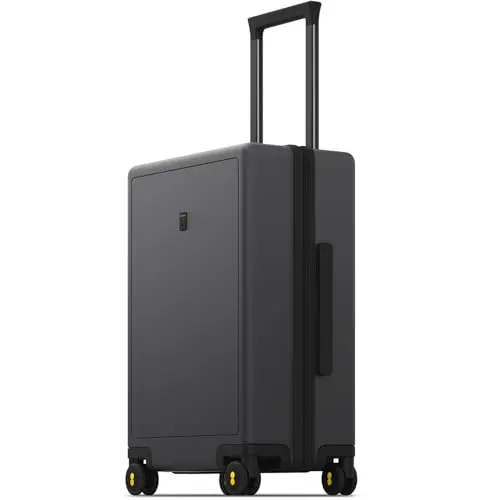
Luminous – Polycarbonate City Carry-On
A square-profile polycarbonate carry-on with a split-case interior, TSA combination lock, and eight spinner wheels. It is the strongest all-around balance of capacity, glide, and packed size in this Europe-focused lineup.

KVC EX-Core – PC Hard Shell with 8-Wheel Glide
A 100% polycarbonate carry-on with a 40L interior, eight spinner wheels, and reinforced corners. It is the value-focused pick for travelers who want hard-shell protection without a premium-tier layout.
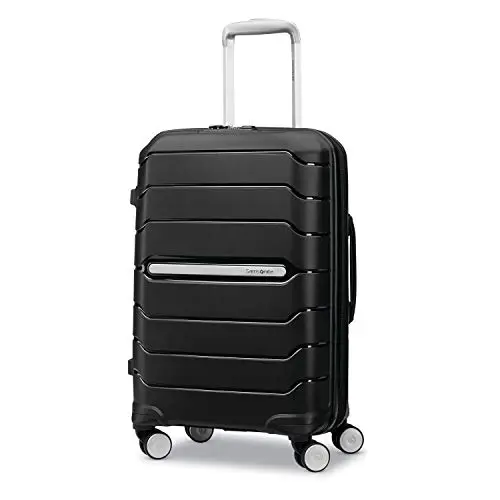
Freeform Hardside – Scratch-Resistant Expandable Carry-On
A textured polypropylene hardside carry-on with expandable capacity, TSA combination lock, and eight spinner wheels. The scratch-resistant exterior is the standout feature for travelers who dislike scuffed bags.
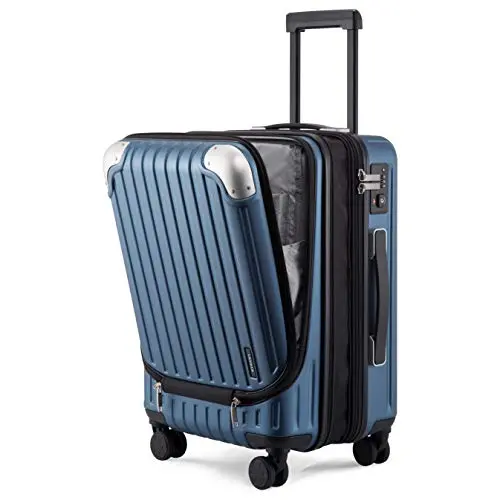
Grace Expandable – Front-Pocket Business Carry-On
A front-pocket carry-on with a dedicated laptop compartment, expandable capacity, and eight rubber-covered spinner wheels. It is built for business travelers who want quick access to tech at security.

Pagosa – Expandable Hardshell with TSA Lock
A polypropylene hardside carry-on with a TSA combo lock, expansion gusset, and eight spinner wheels. It is a solid mid-tier option with a roomy 37L interior and multiple pockets.

Stratum 2.0 – Budget-Friendly Expandable Spinner
An expandable polycarbonate hardside carry-on with spinner wheels, a carbon-fiber-textured trolley grip, and a 10-year limited warranty. It is a budget-friendly option with a roomy interior.
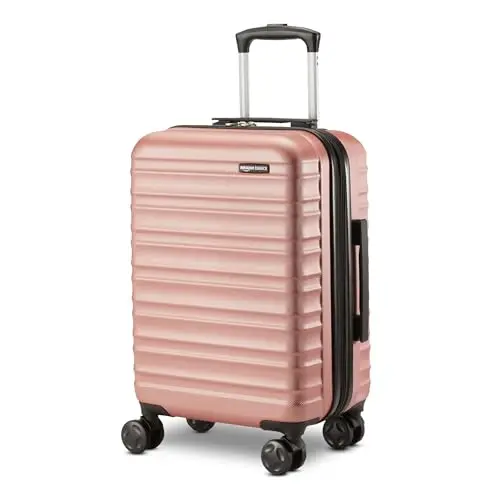
21-Inch Hardside – Expandable Budget Spinner
An expandable ABS hardside carry-on with four multi-directional wheels, a scratch-resistant finish, and a simple interior divider. It is a low-cost option for short trips.

20-Inch Expandable – Lightweight ABS Spinner
An expandable ABS carry-on with a built-in TSA lock, dual-wheel spinner design, and wet/dry mesh compartments. It is a low-cost option for weekend trips and short vacations.
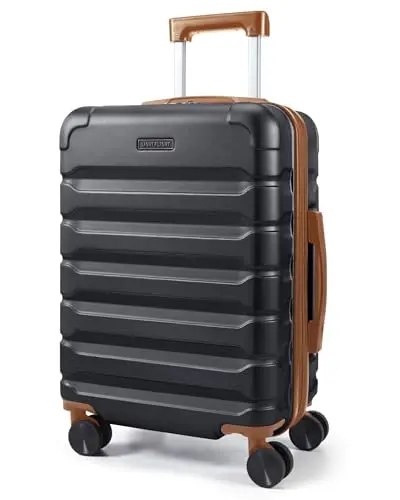
20-Inch Expandable – Airline-Friendly ABS Spinner
An expandable ABS carry-on with 360 spinner wheels, a three-stage telescopic handle, and a 33L-to-41L capacity range. It is a lightweight option for air, train, and bus travel.
How We Evaluated These Carry-On Luggage Options for Europe
We didn’t wheel these carry-ons through a full European rail-and-city itinerary, run sizer-gauge checks at every budget-airline gate, or subject them to months of cobblestone abuse. What we did: cross-referenced 9 carry-on models from 8 distinct brands across six decision axes – exterior dimensions and weight, shell material and impact protection, wheel and handle hardware, interior organization and expansion, security features, and fit for European cabin rules. We triangulated published specifications, feature sets, owner feedback where available, and real-world use-case fit for city breaks, train travel, and short business trips. We also mapped each bag against the kind of traveler it suits: the minimalist weekend flyer, the laptop-carrying business traveler, the rail-first city hopper, and the budget-conscious shopper who wants one bag to do it all.
The scoring framework weighted real-world fit (70%) – how well each bag handles a Europe itinerary in practice – against feature differentiation (30%) – the hardware, layout, and materials that separate one carry-on from another. We have no commercial relationship with any brand here; recommendations track fit and differentiation, not brand preference. If you want the most balanced city-travel carry-on, the LEVEL8 Luminous is the pick; if value matters more, the LUGGEX KVC EX-Core is the stronger budget route.
How to Choose the Right Carry-On Luggage for Europe
1. Why European Cabin Rules Change the Carry-On Math
The first thing to understand is that ‘carry-on” is not one universal size. Many European carriers use a 55 x 40 x 20 cm frame, and some budget airlines enforce it with a sizer at the gate. A bag that clears a U.S. domestic carrier can still be too deep for a strict European cabin. Start with your itinerary, then work backward to depth, height, and handle hardware rather than trusting a label.
If you are flying a mix of legacy and budget carriers, treat the strictest airline as your baseline. That usually means prioritizing packed depth over maximum volume, and accepting that expansion zippers are a convenience, not a free pass. A slightly smaller bag that clears the sizer is worth more than a roomy one you have to gate-check.
2. Measure Depth and Handle Height Before You Buy a Carry-On for Europe
Measure the overall dimensions including wheels and handles, then check the depth against your airline’s published limit. Height gets the attention, but depth is where many carry-ons fail European sizers. A bag with a 9-inch depth is generally easier to live with than one pushing past 10 inches, especially on regional jets and older train carriages.
If your route leans on strict budget carriers, the LUGGEX KVC EX-Core is the safer starting point because its 22 x 14 x 9-inch footprint is easier to verify. For a more premium polycarbonate build with a split-case layout, the LEVEL8 Luminous is the better all-around choice, but check its 9.2-inch depth against your specific carrier.
3. Wheels, Handles, and Cobblestone Reality
European travel is hard on wheels. Cobblestones, curbs, train platforms, and staircases punish cheap casters. Look for eight spinner wheels or well-protected four-wheel setups, and a telescoping handle with minimal wobble. A bag that rolls smoothly in an airport can still rattle your arm on a stone street.
Handle height matters too. A multi-stage or four-level handle is easier to set for your height, which reduces wrist strain on long walks. If you plan to carry the bag up stairs, check the top and side grab handles and the empty weight before you commit.
4. How Much Capacity Do You Need for a Week in Europe?
For a week-long Europe trip, 35L to 40L is the practical carry-on range for most travelers. That is enough for a capsule wardrobe, a pair of shoes, and a small toiletry kit if you pack with packing cubes and wear your bulkiest layer on travel days. Bags closer to 33L suit long weekends or business trips; bags near 40L give you more slack but can tempt you into overpacking.
If you need to bring a laptop, the LEVEL8 Grace Expandable is the pick here because its front compartment keeps tech separate from clothes. For a straightforward week of city clothes, the 40L LEVEL8 Luminous is the more balanced packing layout.
5. Hard Shell vs. Soft Shell: Which Carry-On Suits European Travel?
Hard-shell carry-ons protect clothes and electronics better and are easier to wipe clean, but they can be less forgiving when you need to cram in one more item. Polycarbonate tends to flex and absorb impact; ABS is lighter on the wallet but usually less resilient. Polypropylene sits in the middle with a good strength-to-weight balance.
Soft-shell bags offer exterior pockets and a bit more give, but they are less protective and can sag when overpacked. For European city travel, a hard shell with a split-case interior is usually the easier bag to live with, especially if you are moving between hotels and trains.
6. Locks, Expansion, and the Tradeoffs That Matter
Locks and expansion are convenience features, not substitutes for packing discipline. A TSA combination lock is useful for peace of mind, but it will not make a soft bag secure. Expansion zippers add room when you need it, yet they also add depth, which can push a borderline bag over a European carrier’s limit.
Think about how you actually travel. If you routinely bring back gifts, an expandable bag is worth the tradeoff. If you are a strict one-bag traveler, a simpler fixed-size carry-on is easier to manage and less likely to fail a sizer check. The right answer is the bag that matches your packing style, not the one with the longest feature list.
Frequently Asked Questions
1. What size carry-on luggage is best for Europe?
Many European carriers frame carry-on limits around 55 x 40 x 20 cm, though budget airlines can be stricter and may also limit weight. For a Europe-focused bag, prioritize true packed depth and a handle that collapses flush over headline capacity. A 35L to 40L bag is the practical sweet spot for a week of city travel if you pack with cubes. Always check your specific airline’s sizer, because a bag that clears one carrier may not clear another.
2. Is the LEVEL8 Luminous or Samsonite Freeform better for European travel?
The LEVEL8 Luminous is the better European city-travel pick for most people because its 40L split-case layout, eight spinner wheels, and three-layer polycarbonate shell balance capacity and glide. The Samsonite Freeform has the edge on scratch resistance and a familiar expandable layout, but its 10-inch depth is bulkier for strict cabin sizers. Choose the Freeform if hiding scuffs matters more than a slim footprint; choose the Luminous if you want the more balanced all-around bag.
3. Can I use a 22x14x9 carry-on on European budget airlines?
Sometimes, but not automatically. A 22 x 14 x 9-inch bag is a common U.S. carry-on size, yet many European budget carriers use a smaller 55 x 40 x 20 cm frame and enforce it with a sizer. The 9-inch depth is usually the safer side of the line, but handle height and wheel protrusion still count. Check the airline’s published dimensions and weight limit before you pack, and do not assume expansion can stay unzipped at the gate.
4. How does the LUGGEX KVC EX-Core compare with the Traveler's Choice Pagosa?
The LUGGEX KVC EX-Core is the stronger value pick if you want a 100% polycarbonate shell, eight spinner wheels, and a straightforward 40L interior. The Traveler’s Choice Pagosa counters with a 37L expandable interior, multiple zippered pockets, and a water-resistant polypropylene shell. If organization and expansion matter more, the Pagosa is the better fit; if you want the tougher shell and lower spend, the KVC EX-Core wins.
5. Do I need a TSA lock for a carry-on in Europe?
A TSA combination lock is optional for carry-on travel, but it is useful if you will leave the bag in a hotel luggage room or on a train rack. It is not a substitute for keeping valuables with you, and it will not stop a determined thief. If your bag already has a built-in TSA lock, use it; if not, a small luggage lock is enough for basic peace of mind. The bigger security win is a split-case interior that keeps your packing organized and easy to audit.
Final Verdict
For most travelers heading to Europe, the LEVEL8 Luminous is the carry-on to beat. It pairs a 40L split-case interior with a three-layer polycarbonate shell and eight spinner wheels, so it handles city streets, train platforms, and hotel rooms without feeling like a compromise. If you want the best value, the LUGGEX KVC EX-Core gets you a 100% polycarbonate shell and a 3-year warranty for a budget-friendly spend. Business travelers should look at the LEVEL8 Grace Expandable for its front laptop compartment, while the Sweetcrispy 20-Inch is the low-cost route for a short weekend trip. Match the bag to your itinerary, check the sizer, and you will travel lighter.
