
Best Cheap Home Espresso Machines – 2026 Reviews

A daily latte habit can quietly drain a surprising amount of money, which is why so many of us eventually look at a home espresso machine. The appeal is obvious: pay once, then pull shots in your pajamas. The tricky part is that ‘cheap’ means different things to different shoppers. For some, it’s an entry-level pump machine that still steams milk. For others, it’s a capsule system or a stovetop-style electric maker that skips the pump entirely.
What separates a good cheap home espresso machine from a frustrating one usually comes down to a few practical details. Pressure and pump consistency matter for crema and flavor. A real steam wand matters if you drink lattes or cappuccinos. Temperature control and pre-infusion are the quiet features that keep shots from tasting sour or bitter. And durability is the wild card at this price tier – some budget machines hold up for years, while others develop leaks or heating issues sooner than you’d like.
We cross-shopped the budget aisle across major brands to find the machines that deliver the best balance of shot quality, milk frothing, and everyday usability without asking you to spend like a café owner. Here’s how they stack up.
Best Cheap Home Espresso Machines – 2026 Reviews

EM3131 – Compact PID Espresso for Beginners
The AMZCHEF EM3131 packs a 20-bar Italian pump, PID temperature control, and a 50-ounce removable tank into a compact frame. It’s aimed at first-time home baristas who want one-touch brewing and a steam wand for milk drinks without spending a lot.

3700 Essential – Budget 20-Bar Starter Machine
The CASABREWS 3700 Essential is a compact semi-automatic with a 20-bar pump, a powerful steam wand, and a 43.9-ounce removable tank. It’s one of the most affordable true pump espresso machines in this lineup.

PE3670U – Compact Digital Espresso
The Neretva 20 Bar is a compact semi-automatic with a temperature display, low-pressure pre-infusion, and a 1.31-liter removable tank. It’s aimed at home baristas who want visible temperature feedback and a small footprint.

ECMG0 – 20-Bar Espresso with Pressure Gauge
The Gevi ECMG0 pairs a 20-bar pump with a built-in pressure gauge, pre-infusion, and a hot-water function for Americanos. It’s a full stainless steel compact machine with a 1-liter tank.
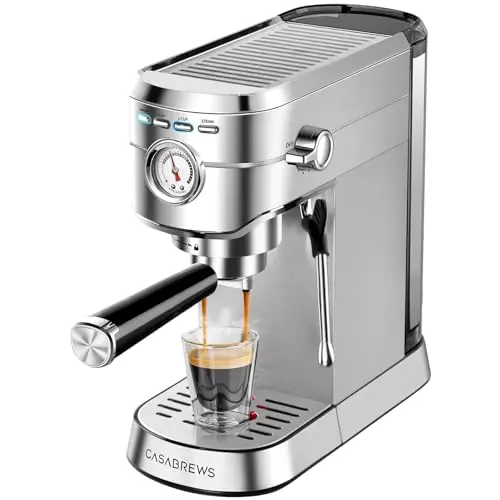
CM5418 – Compact 20-Bar with Pressure Gauge
The CASABREWS CM5418 is a compact semi-automatic with a 20-bar pump, a built-in pressure gauge, and a 34-ounce removable tank. It’s a small-footprint option for espresso and milk drinks.

Stilosa EC260BK – Classic Manual Espresso
The De’Longhi Stilosa is a compact manual espresso machine with a 15-bar pump, a stainless steel boiler, and a manual steam wand. It’s a straightforward entry-level option from a well-known espresso brand.
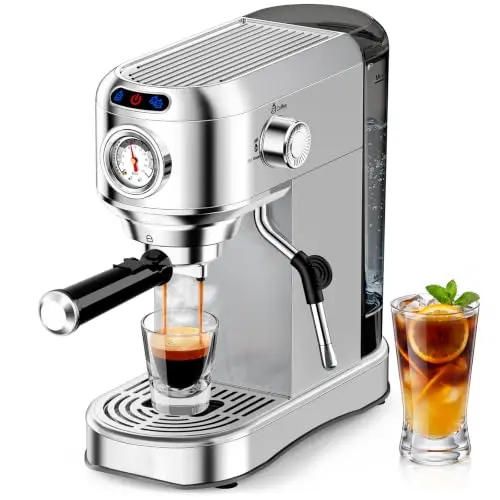
ST-699B – Fast-Heating 20-Bar Espresso
The AERCANA ST-699B is a compact 20-bar semi-automatic with a visible pressure gauge, a 1450-watt heating system, and a 34-ounce removable tank. It’s designed for quick preheating and small counters.
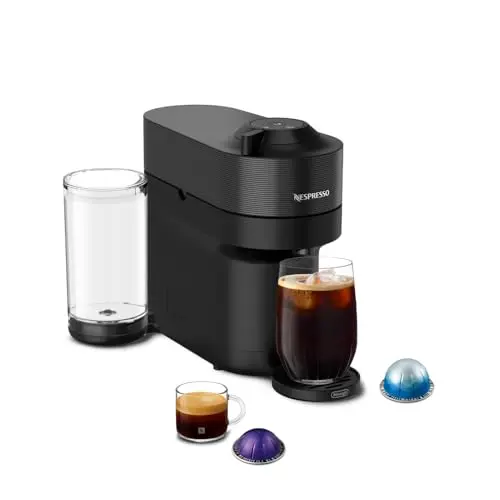
Vertuo Pop+ – One-Touch Capsule Convenience
The Nespresso Vertuo Pop+ is a capsule machine that brews coffee and espresso in five sizes, with a 25-ounce side tank and a 30-second heat-up. It’s the most hands-off option in this lineup.
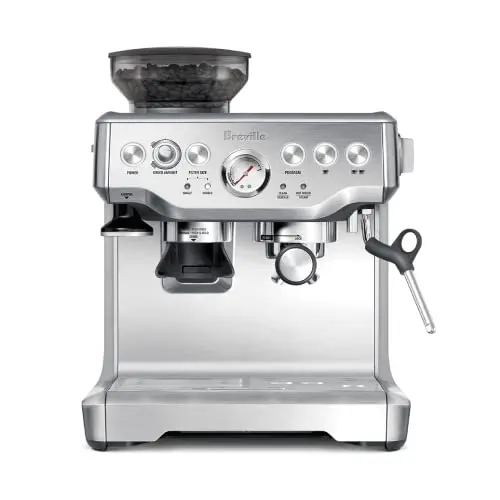
Barista Express BES870XL – Built-In Grinder All-Rounder
The Breville Barista Express is a bean-to-cup espresso machine with a built-in conical burr grinder, PID temperature control, and a manual steam wand. It’s the premium pick here, and the only one with an integrated grinder.
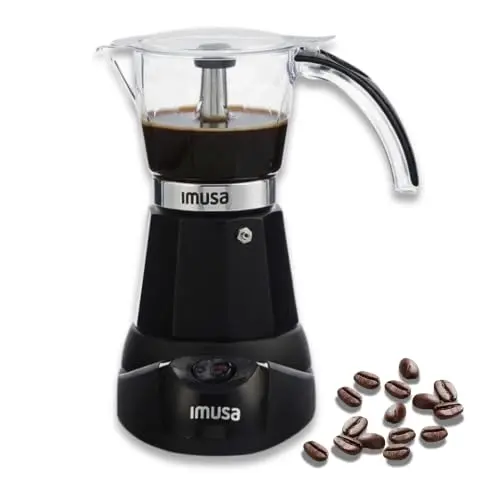
GAU-18234 – Electric Cuban Coffee Maker
The IMUSA electric espresso maker brews 3 or 6 espresso cups with a cast aluminum base and a detachable cool-touch base. It’s a budget-friendly way to make strong Cuban-style coffee, not a pump espresso machine.
How We Evaluated These Cheap Home Espresso Machines
We didn’t pull hundreds of shots in a test kitchen or measure pressure at the group head. What we did: cross-referenced 10 cheap home espresso machines from 9 distinct brands across 7 decision axes – pump pressure and type, milk frothing, temperature control, water tank capacity, footprint, build and durability, and ease of use. We triangulated published specifications, feature sets, and owner feedback where available, then mapped each machine against realistic buyer profiles for this category. That meant weighing entry-level pump machines against capsule systems and stovetop-style electric makers, because ‘cheap home espresso machine’ means different things to different shoppers.
The scoring framework weighted real-world fit for budget espresso brewing (70%) – how well each machine delivers a satisfying shot and usable milk frothing without asking for a premium spend – against feature differentiation (30%) – the extras that separate one budget machine from another, like PID control, pressure gauges, and pre-infusion. We audited the feature sets for meaningful differences rather than marketing noise, and we pressure-tested the value story against the reality of daily use: refill frequency, cleanup, learning curve, and long-term reliability signals. A few things we can’t tell you: how each machine will hold up after years of daily use, or how your specific grinder and beans will interact with its baskets. What we can: rank each option on the signals that matter before you buy. We have no commercial relationship with any of the brands featured; recommendations track fit and differentiation, not brand preference. If you want the most balanced feature set, the AMZCHEF EM3131 is the pick; if you want the lowest-cost true espresso machine with a steam wand, the CASABREWS 3700 Essential is the value route.
How to Choose the Right Cheap Home Espresso Machine
1. What Makes a Cheap Home Espresso Machine Worth Buying?
Cheap is a relative term in espresso. At the entry-level price tier, you’re usually choosing between a manual pump machine, a semi-automatic pump machine, a capsule system, or a stovetop-style electric maker. The first two can make true espresso and steam milk; the latter two trade flexibility for convenience or simplicity. A cheap home espresso machine is worth buying when it nails the basics: stable pressure, a usable steam wand, and a footprint you can live with.
What you’re generally giving up at this price is build material quality and long-term durability. That doesn’t mean every budget machine is disposable, but it does mean warranty terms and replacement-part availability matter more than they do on premium machines. If you want the most balanced feature set for the money, the AMZCHEF EM3131 is the pick.
2. Pressure and Pump Type in Budget Espresso Machines
Most cheap pump machines advertise 15-bar or 20-bar pressure. Higher numbers aren’t automatically better – espresso extraction typically happens around 9 bar, and the pump rating is a ceiling, not the brewing pressure. What matters more is pressure consistency and whether the machine uses a pressurized basket or a non-pressurized basket. Pressurized baskets are forgiving with pre-ground coffee; non-pressurized baskets reward a good grinder and fresh beans.
A pressure gauge is a useful budget feature because it gives you visual feedback while dialing in. It won’t fix bad beans, but it shortens the learning curve.
3. Milk Frothing on Cheap Espresso Machines
If you drink lattes or cappuccinos, the steam wand is the feature to scrutinize. A manual steam wand gives you control and can produce silky microfoam with practice. A panarello sleeve is easier to use but produces foam that’s closer to bubbly than velvety. Some budget machines have a fixed steam wand that swivels but doesn’t articulate much, which can make positioning awkward.
For a budget machine with a real steam wand, the CASABREWS 3700 Essential is the one we’d route you to. It won’t match a premium machine’s steam power, but it’s capable of respectable microfoam for milk drinks.
4. Temperature Control and Pre-Infusion
PID temperature control is the feature that separates consistent budget machines from frustrating ones. A PID controller holds the brewing temperature steady, which helps you avoid sour or bitter swings. Pre-infusion is the other quiet upgrade: it wets the coffee puck gently before full pressure, reducing channeling and evening out extraction. You won’t find PID on every cheap machine, but when you do, it’s worth paying attention to.
5. Water Tank, Footprint, and Daily Handling
Water tank capacity affects how often you refill, and footprint determines whether the machine actually fits your counter. A removable tank is easier to refill and clean than a fixed tank. A removable drip tray makes cleanup less annoying. These sound like small details, but they’re the difference between a machine you use daily and one you resent.
6. Durability and Warranty on Entry-Level Espresso Machines
Durability is the biggest wild card in this price tier. Some budget machines develop leaks, heating-element failures, or pump issues within a year; others hold up. A one-year warranty is common, but check whether the brand offers accessible support and replacement parts. A stainless steel boiler is generally a good sign for longevity. If brand support matters, the De’Longhi Stilosa has a stainless steel boiler and a familiar name behind it.
Frequently Asked Questions
1. Are cheap espresso machines worth it?
Yes, if you set expectations around durability and workflow. A cheap home espresso machine can absolutely pull a satisfying shot and steam milk – the AMZCHEF EM3131 is proof that PID temperature control and a 20-bar pump can show up at an entry-level price tier. What you’re usually giving up is build materials, long-term reliability, and sometimes temperature stability under back-to-back use. If you want a machine that feels like a lifetime purchase, you’ll need to spend more. But for a first machine or a small kitchen, the value is real.
2. What's the difference between the AMZCHEF EM3131 and the CASABREWS 3700 Essential?
The AMZCHEF leans on PID temperature control and a 50-ounce tank, which makes it a better fit for consistent shots and fewer refills. The CASABREWS 3700 Essential counters with a 43.9-ounce tank, a stainless steel exterior, and a slightly lower entry price. Both use a 20-bar pump and a manual steam wand. If you want the most features per dollar, the AMZCHEF wins. If you want the lowest-cost true espresso machine with a steam wand, the CASABREWS is the value play.
3. How does the De'Longhi Stilosa compare to the Gevi 20 Bar?
The De’Longhi Stilosa uses a 15-bar pump and a stainless steel boiler, and it comes from a brand with a long espresso history. The Gevi 20 Bar steps up to a 20-bar pump, a built-in pressure gauge, and a hot water function for Americanos. The Stilosa is simpler and arguably more repairable, while the Gevi gives you more feedback and flexibility. If you want visual pressure feedback, Gevi is the pick. If you want a classic manual workflow from a known brand, Stilosa is the safer bet.
4. Do cheap espresso machines make real espresso?
Most of the pump machines here do make real espresso – they push water through a pressurized basket at enough pressure to create crema. The catch is that many cheap machines use pressurized baskets (also called dual-wall baskets), which are forgiving with pre-ground coffee but limit how much you can dial in fresh beans. The IMUSA electric maker is a different category: it brews strong, moka-style coffee, not true espresso. If you want true espresso with a steam wand, stick to the 20-bar pump machines on this list.
5. Can a cheap espresso machine steam milk for lattes?
Yes, but the quality of the steam wand varies. A manual steam wand on a cheap machine can produce good microfoam if you practice, while a panarello sleeve makes it easier but less precise. The CASABREWS 3700 Essential and AMZCHEF EM3131 both have manual wands that are capable of latte art with some practice. The Nespresso Vertuo Pop+ doesn’t steam milk at all – it’s capsule coffee only. If milk drinks are a daily habit, prioritize a machine with a real steam wand over one with a panarello.
Final Verdict
For most shoppers, the AMZCHEF EM3131 is the answer. It delivers PID temperature control, a 20-bar pump, and a 50-ounce tank at an entry-level price tier, which is a combination most budget machines can’t match. If you want the lowest-cost true espresso machine with a steam wand, the CASABREWS 3700 Essential is the value pick. For capsule convenience, the Nespresso Vertuo Pop+ is the easiest way to get espresso-adjacent coffee without any learning curve. And if you’d rather skip the upgrade cycle entirely, the Breville Barista Express is the splurge that adds a built-in grinder and years of headroom. Start with your milk-drink habits and your counter space, and the right cheap home espresso machine becomes obvious.
