
Best Chemo Port Pillows For Sleeping – 2026 Reviews

Sleeping with a chemo port or a fresh chest incision changes the math on pillows. The wrong one shifts under you, bunches against the port, or feels fine for a five-minute sit and miserable by 2 a.m. The right one is soft, low-profile enough to lie against, and stable enough that you are not rearranging it every time you turn.
Most port pillows are sold for seatbelt protection, which is a different job. A car cushion needs to sit on a belt; a sleep pillow needs to stay near the port without a strap digging in. That distinction shapes this guide. We looked at the market for chemo port pillows that make sense for sleeping, then separated the options by softness, placement, adjustability, and how discreet they are under clothing.
You will see full chest pillows and low-profile bra-strap pads in this lineup. Neither is automatically better. The useful choice depends on whether you want a pillow to rest against, a clip-secured cushion for recliner time, or something nearly invisible under a bra. The goal is a calmer night, not a drawer full of recovery gadgets.
Best Chemo Port Pillows for Sleeping – 2026 Reviews
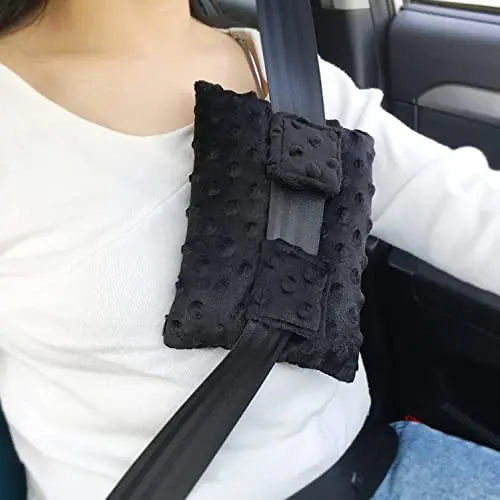
Minky Dot Port Pillow – Soft Chest Protection for Rest and Sleep
A soft chemo port pillow with a minky dot cover and adjustable polyester fill. The brand lists it for sleeping, sitting, walking, and driving, and the zippered design lets you tune the loft.
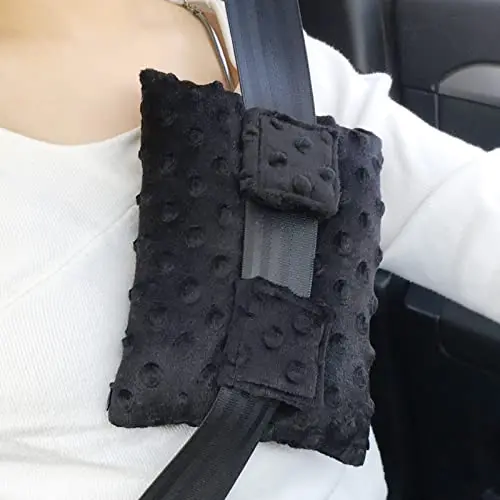
Pacemaker & Port Pillow – Plush Chest Cushion for Recovery
A plush chemo port and pacemaker pillow with a minky dot cover and a clip designed to hold it in place. It is positioned for chest protection during recovery and can be used in the car, in a walker, or at home.
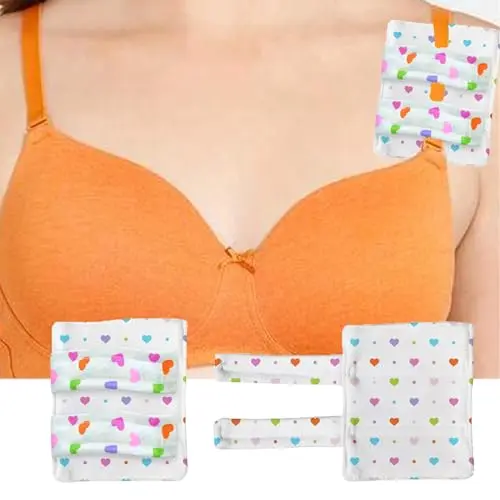
Bra Strap Port Pads – Discreet Chest Port Protection
A two-pack of low-profile bra strap pads for chest port and pacemaker recovery. The soft cotton covers attach with hook-and-loop tape and are designed to sit discreetly under clothing.
How We Evaluated These Chemo Port Pillows for Sleeping
We didn’t run overnight sleep trials or clinical pressure mapping. What we did: cross-referenced three chemo port pillows from three distinct brands across six decision axes – fabric softness, fill and loft, placement and stability, coverage area, adjustability, and care. We triangulated published specifications, feature sets, and owner feedback where available, then mapped each option to the sleeping use case rather than treating every port cushion as a car-ride accessory.
That last point matters. A pillow that works on a seatbelt is not automatically a good sleep pillow; overnight, you want softness against skin, a shape that does not dig in, and enough stability to stay near the port without a strap pulling tight. We audited the product details for those signals and weighed how each design would behave when you are resting, sitting up in bed, or lying on your side.
The scoring framework weighted real-world fit for sleeping (70%) – how well each option cushions a port site without bulk or constant repositioning – against feature differentiation (30%) – adjustable fill, discreet profiles, washability, and secure placement. We have no commercial relationship with any of the brands featured; recommendations track fit and differentiation, not brand preference. If you want the most sleep-ready option, the HapiPoppy Port Pillow is the match; if you prefer a plush clip-secured cushion for around-the-house use, the BNRendles Pacemaker & Port Pillow is the better fit.
How to Choose the Right Chemo Port Pillows for Sleeping
1. What Makes a Chemo Port Pillow Comfortable for Sleeping
A sleep-friendly chemo port pillow should feel soft against skin, sit low-profile against the chest, and avoid rigid hardware that can press into a port site. The fabric matters as much as the fill: minky dot and soft cotton covers are common because they feel gentle, while a polyester fill can be adjusted or washed more easily than a dense foam block.
For sleeping, prioritize a cushion you can place or tuck where you need it without tightening a strap. If a product is only described for seatbelt use, treat that as a clue that it may be better for car rides than overnight rest. If you want a pillow the brand explicitly lists for sleeping, the HapiPoppy Port Pillow is the pick.
2. Placement and Stability: Keeping a Port Pillow in Place While Sleeping
Stability is the hard part in bed. A full chest pillow can cover more area, but it may move when you roll; a bra-strap pad sits closer to the body and stays put with less bulk. Neither design is a safety device, so the goal is comfort and padding, not restraint.
Look for hook-and-loop tape or clips that are easy to reposition, and avoid anything that pulls tight across the chest. If you want a discreet under-clothing option, the CHYDST Bra Strap Port Pads are the pick.
3. Fabric, Fill, and Breathability for Overnight Comfort
Breathable covers help when you are lying against a pillow for hours. Cotton feels cooler for some sleepers; minky dot polyester feels softer but can run warmer. An adjustable fill is useful because you can make the cushion firmer for sitting up or flatter for side sleeping.
Check the care label before you commit. Machine washable covers are easier to keep clean during recovery, and a gentle cycle is often enough for minky or cotton styles.
4. Coverage Area and Size: Full Chest Pillow vs Low-Profile Port Pad
Coverage area is a Goldilocks problem. A full chest pillow can shield a broad incision line, but if it is too large it may bunch under a shirt or feel awkward when you turn. A low-profile pad covers a smaller port site and is easier to wear under clothing, but it will not cushion a wide chest area.
Measure the area you want to protect, then choose the smallest shape that covers it. For a single port, a small rectangular pillow or bra-strap pad is often enough; for a longer chest incision, a broader cushion may be more comfortable.
5. Care and Maintenance for Daily Recovery Use
Recovery pillows get close to skin and incisions, so cleaning matters. A gentle cycle and mild detergent are safer than heavy heat; check whether the fill can stay in or needs to be removed. Bra-strap pads may need more frequent changes, especially if you wear them daily.
Keep a spare if you can. Having one cushion in the wash and one within reach makes the sleep routine less stressful.
6. Budget, Mid-Range, and Premium Chemo Port Pillows
In this category, the price tiers are less about luxury and more about construction. Budget-friendly options are usually simple fabric-and-fill cushions; mid-range picks add adjustable fill, nicer covers, or more secure attachment; premium options may offer specialized shapes or more finish details. You do not need the most expensive pillow to get soft, washable chest protection, but paying a little more can make sense if you want a specific placement style or a cover that feels gentler overnight.
Frequently Asked Questions
1. What should I look for in a chemo port pillow for sleeping?
Start with soft fabric, a low-profile shape, and adjustable fill so you can tune the cushion to your port site. Look for washable covers and gentle attachment; you want padding, not a strap that pulls tight while you sleep. It is comfort gear, not a medical device, so check with your care team about port-site care.
2. What's the difference between the HapiPoppy Port Pillow and the BNRendles Pacemaker & Port Pillow?
The HapiPoppy is the more sleep-focused option: it explicitly lists sleeping as a use case, uses a minky dot cover, and has an adjustable polyester fill behind an invisible zipper. The BNRendles is a plush minky cushion with a clip-secured design, which makes it a strong around-the-house or car-ride pick. For overnight rest, the HapiPoppy Port Pillow is the more natural starting point; for a clip-secured cushion, choose BNRendles.
3. What's the difference between the BNRendles Pacemaker & Port Pillow and the CHYDST Bra Strap Port Pads?
BNRendles is a full chest pillow with a plush cover and clip, so it cushions a broader area and stays put with hardware. CHYDST is a two-pack of bra-strap pads with a soft cotton cover and a low-profile design that sits discreetly under clothing. If you want a pillow to rest against, BNRendles is the better fit; if you want under-bra protection, the CHYDST Bra Strap Port Pads are the pick.
4. Can I use a chemo port pillow designed for a seatbelt while sleeping?
Sometimes, but check the details. A seatbelt pillow may have extra straps or clips that are useful in a car and unnecessary in bed. For sleep, prioritize a soft cover, gentle placement, and a shape that does not press hard against the port. A sleep-first chest cushion or low-profile bra-strap pad is usually simpler overnight.
Final Verdict
For most people shopping for a chemo port pillow to sleep with, the HapiPoppy Port Pillow is the answer. It is the one in this lineup that the brand explicitly positions for sleeping, and its soft minky dot cover, adjustable fill, and 8-inch by 6-inch size make it easier to cushion a port without a bulky feel. If you want a plush clip-secured cushion for recliner time or around-the-house recovery, the BNRendles Pacemaker & Port Pillow gets you that secure feel with a softer footprint than a full recovery pillow. And if your priority is discreet protection under a bra rather than a standalone pillow, the CHYDST Bra Strap Port Pads are purpose-built for that job. Start with the pillow that matches how you will actually rest, not just how you travel.
