
Best Cloth For Bed Sheets – 2026 Reviews

You crawl into bed, the sheets feel cool for about ten minutes, and then something changes: the fabric turns clammy, wrinkles bunch under your shoulders, or the fitted sheet pops off the corner. The cloth you choose for bed sheets matters more than most shoppers expect, and the label on the package rarely tells the whole story.
The biggest split is between natural cotton and brushed microfiber, but that’s only the start. Weave structure changes how a sheet feels against your skin: sateen slides and reflects a little light, percale feels crisp and airy, jersey stretches like a favorite T-shirt, and microfiber leans on brushing for softness. Then there’s fit, pocket depth, and whether the fabric holds up after repeated washing.
This guide surveys the cloth options across the bed sheet market and matches them to how you actually sleep. If you run hot, a breathable percale or lightweight cotton sateen is worth prioritizing. If you want a plush, low-maintenance set for a guest room, brushed microfiber can make more sense. The picks below span those tradeoffs rather than crowning one fabric for every bedroom.
Best Cloth for Bed Sheets – 2026 Reviews
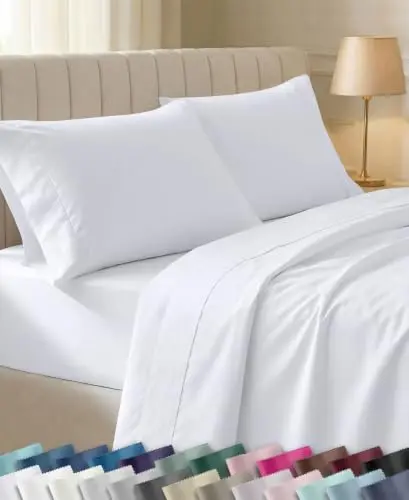
400 Thread Count Sateen – Crisp Cotton Comfort
A 400-thread-count long-staple cotton sateen set with a smooth, lightly lustrous hand feel. The fitted sheet uses all-around elastic and fits mattresses up to 16 inches deep, while top and bottom tags simplify bed making.
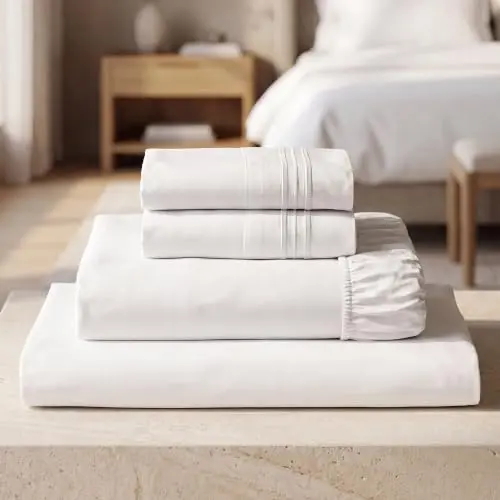
Iconic 4-Piece – Buttery Microfiber Everyday Set
A double-brushed microfiber set with a buttery-soft hand feel and a standard 16-inch pocket. The four-piece queen set includes flat and fitted sheets plus two envelope-closure pillowcases, all machine washable.
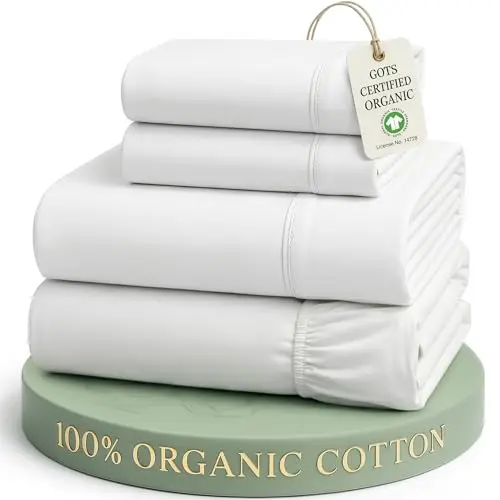
Organic Cotton Percale – Cool Crisp Weave
A GOTS-certified organic cotton percale set woven for a crisp, cool feel. The queen set includes a flat sheet, a deep-pocket fitted sheet with all-around elastic, and two envelope-closure pillowcases.
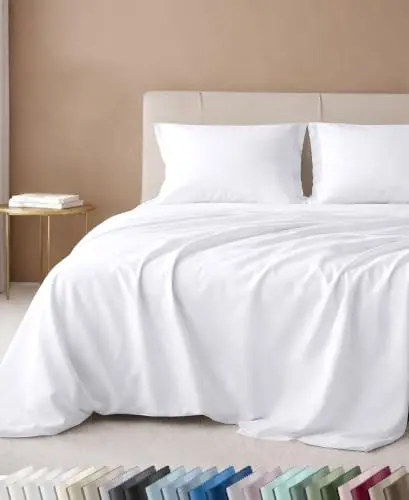
600 Thread Count Sateen – Plush Premium Cotton
A 600-thread-count long-staple cotton sateen set with a denser, plusher hand feel than the brand’s 400-count option. It includes a 16-inch deep-pocket fitted sheet with all-around elastic and two open-end pillowcases.
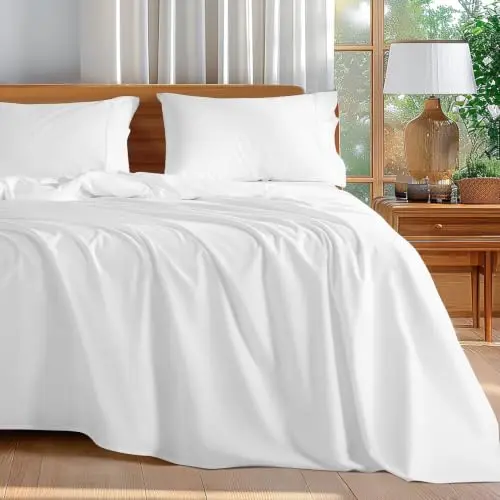
Egyptian Cotton Sateen – Hotel-Style Cotton Set
A 100% Egyptian cotton sateen set with a smooth, hotel-style finish. The fitted sheet has all-around elastic and deep pockets up to 16 inches, and the set includes two pillowcases.

Cotton Jersey Knit – Stretch-Fit Cotton Set
A 100% cotton jersey knit set with a soft, T-shirt-like stretch. The fitted sheet has a pull-on design and fits mattresses up to 14 inches deep; the queen set includes flat and fitted sheets plus pillowcases.
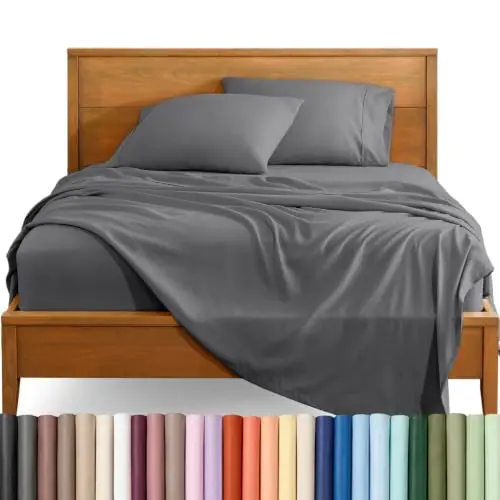
1800 Ultra-Soft – Deep-Pocket Microfiber
A double-brushed microfiber set with fully elasticized deep pockets that fit mattresses from 6 to 15 inches. The queen set includes a flat sheet, fitted sheet, and two pillowcases.
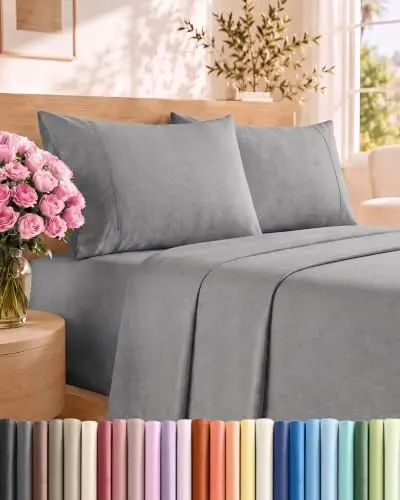
4-Piece Brushed Microfiber – Silky Budget Set
A double-brushed microfiber set with a silky-soft hand feel and deep pockets that fit most mattresses up to 16 inches. The four-piece queen set includes two pillowcases.
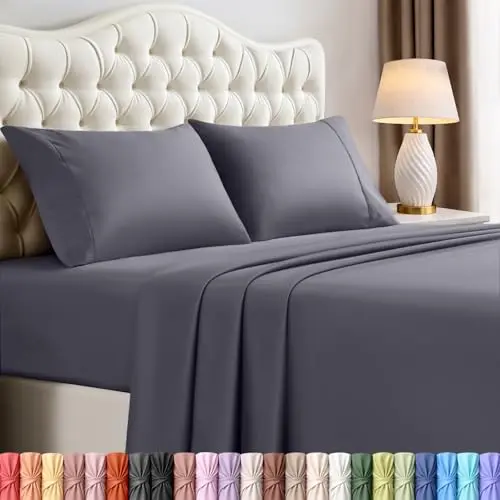
UB850 4-Piece – Budget-Friendly Brushed Microfiber
A four-piece full-size brushed microfiber set with a soft, lightweight feel and deep pockets up to 16 inches. The set includes a flat sheet, fitted sheet, and two pillowcases.
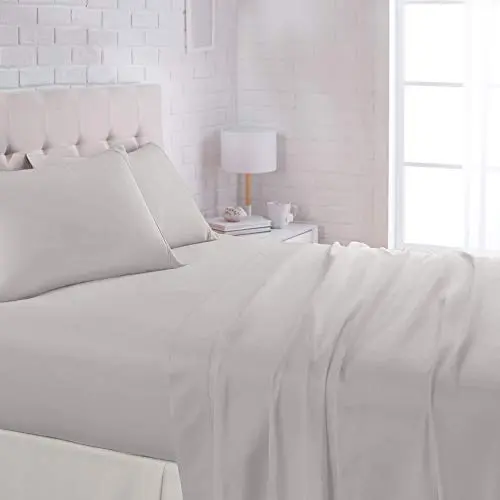
Lightweight Microfiber – Budget All-Season Set
A 120 GSM brushed microfiber set with a lightweight, wrinkle-resistant finish. The fitted sheet has a 14-inch pocket, and the four-piece queen set includes two pillowcases.
How We Evaluated These Cloth for Bed Sheets
We didn’t run wash-cycle durability testing or multi-month sleep trials. What we did: cross-referenced 10 bed sheet models from 8 distinct brands across six decision axes – fiber content, weave structure, breathability and cooling, fit and pocket depth, care and durability, and certifications. We audited published specifications for cotton type, thread count, weave, and pocket depth, then triangulated those details with feature sets and owner feedback where available. We also mapped each set against representative buyer profiles: hot sleepers, shoppers with thick mattresses, guest-room hosts, and value-focused first-apartment buyers.
The scoring framework weighted real-world fit and performance (70%) – how well each cloth type matched its stated sleep scenario – against feature differentiation (30%) – unique construction, certifications, and fit details. We pressure-tested claims like breathability and wrinkle resistance against the listed fabric and construction rather than taking marketing language at face value. We weighed how each weave is likely to feel against skin, how much airflow the fabric construction suggests, and whether the fitted sheet has the elastic and pocket depth to stay put. We have no commercial relationship with any of the brands featured; recommendations track fit and differentiation, not brand preference. If you want a natural cotton sateen for most beds, the California Design Den 400 Thread Count Sateen is the pick; if you want brushed softness with a lower entry point, the Mellanni Iconic 4-Piece is the softer alternative.
How to Choose the Right Cloth for Bed Sheets
1. Why Fabric and Weave Matter More Than Thread Count for Bed Sheets
Thread count gets the headline, but fiber content and weave structure shape how bed sheets actually feel. A sateen weave has a smooth, lightly lustrous surface that feels plush; a percale weave is crisper and more breathable; a jersey knit stretches like a T-shirt; and brushed microfiber relies on a synthetic brushing process for softness. A 400-thread-count long-staple cotton sateen can feel more refined than a higher-count sheet made from shorter fibers. If you want a balanced cotton sateen, the California Design Den 400 Thread Count Sateen is the pick.
2. How to Match Sheet Cloth to Your Sleep Temperature
Hot sleepers usually do best with breathable cotton percale or a lightweight sateen that lets air move. Brushed microfiber can feel soft and cool at first touch, but some sleepers find it traps heat overnight. If you run cold, a denser sateen or brushed microfiber may feel cozier. For a dedicated cool-sleeping set, the Lane Linen Organic Cotton Percale is the pick.
3. Fit, Pocket Depth, and Elastic: Getting Bed Sheets to Stay Put
Measure your mattress before buying. A 14-inch pocket is common, but many modern mattresses need 16-inch deep pockets. All-around elastic generally holds better than corner-only elastic, especially on thicker beds. If you use a mattress topper, add its height to the mattress before choosing. A set that’s too shallow will pop off; one that’s too deep can bunch.
4. Microfiber vs Cotton for Bed Sheets: Which Cloth Suits You?
Microfiber wins on initial softness, wrinkle resistance, and price. It’s a practical choice for guest rooms, rentals, and anyone who wants low-maintenance sheets. Cotton wins on breathability, natural feel, and temperature regulation, though it wrinkles more and often costs more. If you want brushed softness without much spend, the Mellanni Iconic 4-Piece is the pick; if you prioritize airflow, lean cotton.
5. Care, Durability, and What Soft Really Means
Long-staple cotton softens over time and often lasts longer if cared for properly, while double-brushed microfiber feels soft immediately. Check the care label: hot water and high heat can shrink cotton and degrade elastic. Pilling is a useful durability signal, and lab-tested wash cycles matter more than a soft first impression. If you want a denser cotton sateen, the California Design Den 600 Thread Count Sateen is the premium pick.
6. Budget, Mid-Range, and Premium Sheet Cloth: What You Get
Budget-minded shoppers can get a budget-friendly microfiber set that feels soft and resists wrinkles, but expect a thinner hand feel and shorter lifespan. Mid-range cotton sets add breathability and a more natural hand feel. Premium cotton sateen sets bring denser fabric, verified thread counts, and more rigorous testing. Spend where you sleep most: a daily-use bed justifies better cotton, while a guest room can do fine with microfiber.
Frequently Asked Questions
1. Which cloth is best for bed sheets if you sleep hot?
For most hot sleepers, a breathable cotton percale or a lightweight cotton sateen is the better starting point than heavy microfiber. Percale’s open weave feels crisp and allows more airflow, while sateen feels smoother but can sleep a bit warmer. If you want a set built around cooling, the Lane Linen Organic Cotton Percale is the pick. Just expect some wrinkles; that’s part of the natural-cotton tradeoff.
2. Mellanni Iconic vs CGK Unlimited: Which microfiber sheet set is better?
Both are double-brushed microfiber sets with a soft, synthetic hand feel. The Mellanni Iconic has a 16-inch deep pocket, OEKO-TEX certification, and a more established reputation for holding color through washing. The CGK Unlimited set is similarly soft and often lands at a lower entry point, but feedback suggests it can be thinner and less durable. Choose Mellanni if you want the safer fit-and-finish bet; choose CGK if initial softness and price matter more than long-term wear.
3. California Design Den 400 vs 600 Thread Count: What's the difference?
The 400-thread-count set is lighter and more breathable, with a smooth sateen finish that suits year-round use. The 600-thread-count set is denser and plusher, with a more substantial hotel-style feel. Both use long-staple cotton, all-around elastic, and 16-inch deep pockets. Choose the 400 for versatility and airflow; choose the 600 if you want a weightier sateen. The California Design Den 400 Thread Count Sateen is the more broadly comfortable pick.
4. Do microfiber bed sheets breathe as well as cotton?
Quality brushed microfiber can feel breathable at first, but it generally doesn’t move air as well as cotton percale. The synthetic fibers can trap heat for some sleepers, especially in heavy or tightly woven versions. If you sleep warm, cotton is the safer choice; if you sleep neutral or cool, microfiber’s softness and wrinkle resistance can outweigh the airflow gap.
5. What pocket depth do I need for bed sheets?
Measure your mattress height, including any topper. A 14-inch pocket fits many standard mattresses, while 16-inch deep pockets are safer for thicker beds. Look for all-around elastic if you want the fitted sheet to stay put, and avoid going deeper than necessary, since excess fabric can bunch under you. If your mattress is over 16 inches, check the set’s stated maximum before buying.
Final Verdict
For most shoppers, the California Design Den 400 Thread Count Sateen is the best cloth for bed sheets: it pairs breathable long-staple cotton with a smooth sateen finish, a secure 16-inch fit, and useful lab testing. It’s the set we’d recommend to a friend who wants natural fibers without overpaying for a thread-count gimmick. If you need a low-cost full-size set for a guest room or first apartment, the Utopia Bedding UB850 4-Piece covers the basics at a budget-friendly tier. Hot sleepers should lean toward the Lane Linen Organic Cotton Percale for its crisp, airy weave. And if you want a denser, plusher cotton sateen, the California Design Den 600 Thread Count Sateen is the premium step up. Match the cloth to your sleep temperature and mattress depth, and you’ll sleep better than any marketing label can promise.
