
Best Coffee Beans For Breville Espresso Machine – 2026 Reviews

You’ve got a Breville on the counter, a bag of beans, and a shot that either sings or sputters. Espresso is unforgiving that way: the same machine can taste completely different depending on how fresh the beans are, how they’re roasted, and whether the grind matches the basket you’re using.
The smartest way to shop for coffee beans for a Breville espresso machine is to start with how you drink. Straight-shot drinkers usually want clarity and balance; latte and cappuccino fans need a bean with enough body and crema to push through milk. Roast level, bean composition, and freshness separate the easygoing picks from the fussy ones.
This guide compares beans across major brands and focuses on real-world fit for Breville owners, not brand hype. You’ll see which options are forgiving, which are built for milk, and which are worth the premium when you want something more distinctive.
Best Coffee Beans for Breville Espresso Machine – 2026 Reviews

Super Crema – Espresso Workhorse with Crema
A medium espresso roast built from Arabica and Robusta beans, Super Crema is designed for full body and a creamy finish. The 2.2 lb whole-bean bag suits daily espresso drinkers who want a dependable, crema-friendly starting point for a Breville machine.
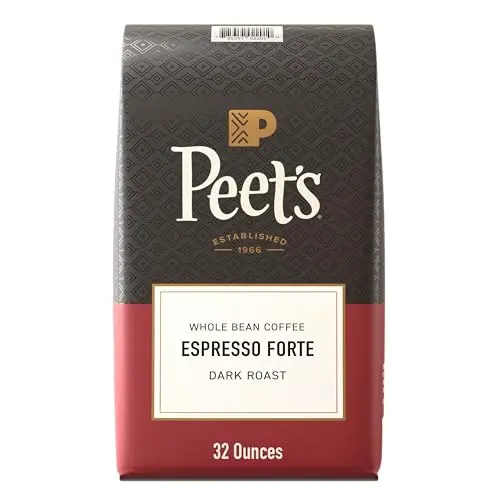
Espresso Forte – Bold Crema for Milk Drinks
A dark espresso roast with chocolate and hazelnut notes, crafted for a stout body and smooth crema. It is a strong fit for latte and cappuccino drinkers who want the coffee to hold its own against milk.
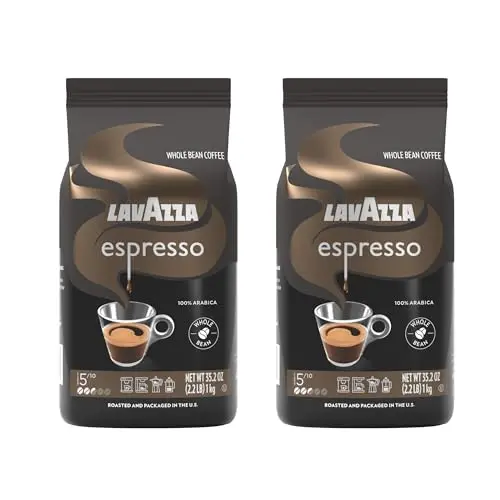
Espresso – Smooth 100% Arabica Option
A medium roast made entirely from Arabica beans, with aromatic notes and a rich body. This two-bag format suits Breville owners who prefer a smoother, less robusta-forward espresso profile.
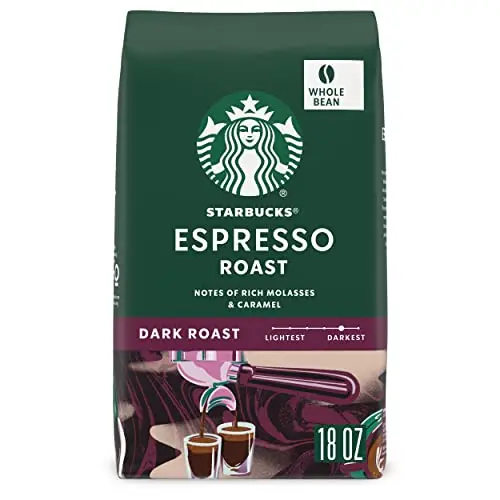
Espresso Roast – Everyday Dark Roast Value
A classic dark espresso roast with molasses and caramel notes, sold as an 18 oz whole-bean bag. It is an easy, widely available option for Breville owners who want a familiar dark-roast profile without a specialty-coffee commitment.
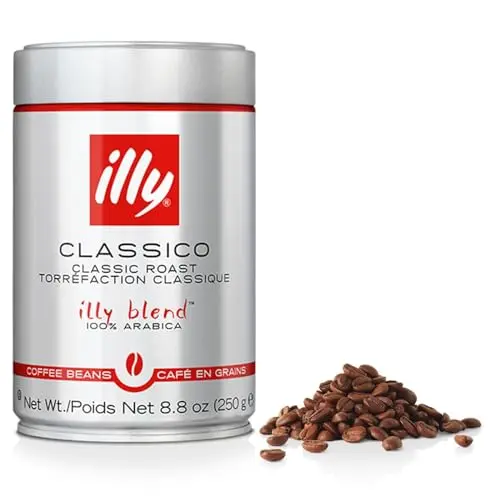
Classico – Balanced Classic Italian Roast
A medium roast 100% Arabica coffee with notes of caramel, orange blossom, and jasmine, packed in an 8.8 oz can. It suits Breville owners who want a balanced, classic Italian espresso profile in a smaller format.
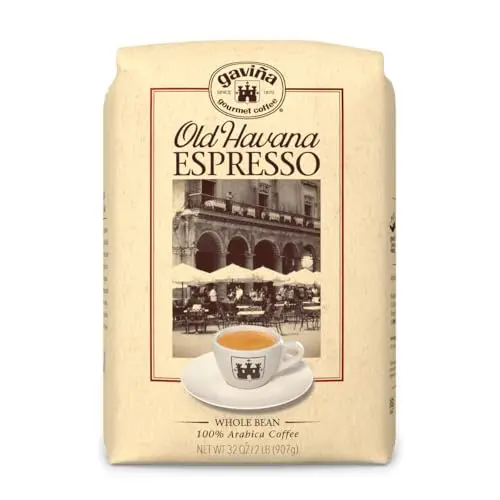
Old Havana Espresso – Nutty Medium-Dark Blend
A medium-dark 100% Arabica espresso with nutty, sweet notes and subtle citrus, sold in a 32 oz bag. It is a strong fit for Breville owners who want a smooth Latin-style espresso with enough body for milk drinks.
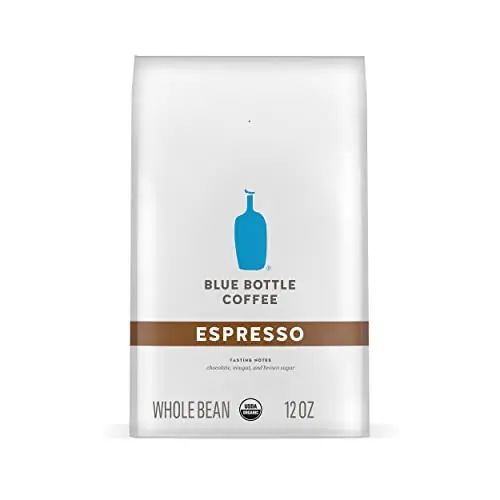
Espresso – Organic Specialty Dark Roast
An organic dark espresso blend with rich, chocolatey flavor, roasted in small batches and sold in a 12 oz bag. It is the specialty pick for Breville drinkers who want a darker, dessert-leaning espresso that pairs well with milk.
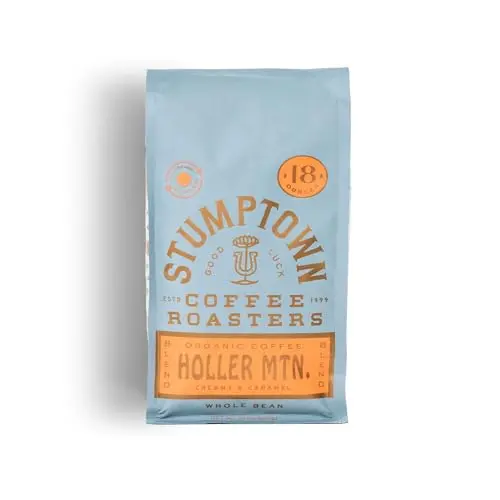
Holler Mountain – Versatile Organic Medium Roast
An organic medium roast with citrus, berry jam, and creamy caramel notes, designed to work as both espresso and drip. It suits Breville owners who want one bag that can handle espresso and a daily brew.
How We Evaluated These Coffee Beans
We didn’t pull shots on every Breville model or run blind tasting panels. What we did: cross-referenced eight coffee bean options from seven distinct brands across six decision axes – roast level, bean composition, crema performance, grind compatibility, freshness signals, and value tier. We triangulated published specifications, feature sets, and owner feedback where available, then mapped each option to the way Breville owners actually brew: straight espresso, milk drinks, and daily dialing-in.
Because Breville machines vary by basket type and grinder, we treated grind compatibility as a practical filter rather than a spec-sheet formality. We also weighed bag size and storage format because espresso drinkers go through beans quickly, and a large bag only helps if the roast stays fresh. Flavor notes were checked against published roaster descriptions, not inferred from brand reputation.
The scoring framework weighted real-world fit (70%) – how well a bean behaves in a Breville basket and what it delivers in the cup – against feature differentiation (30%) – roast character, blend composition, bag size, and versatility. We have no commercial relationship with any of the brands featured; recommendations track fit and differentiation, not brand preference. Our pick is not the boldest or rarest bean; it is the one most likely to produce repeatable shots without a long learning curve. If you want the most forgiving everyday starting point, the Lavazza Super Crema is the match; if milk drinks are the priority, Peet’s Espresso Forte serves you better.
How to Choose the Right Coffee Beans for a Breville Espresso Machine
1. Match Coffee Beans to Your Breville Basket
Breville machines often come with pressurized and non-pressurized baskets, and the bean you choose should match how you brew. Pressurized baskets are more forgiving with pre-ground coffee or a coarser grind, while non-pressurized baskets reward a fine espresso grind and fresh beans. If you want a forgiving starting point, Lavazza Super Crema is the pick; it gives you crema and body without demanding a perfect dial-in on day one.
2. Roast, Blend, and Crema on a Breville Espresso Machine
Roast level changes how a bean behaves in espresso. Darker roasts tend to be more soluble and forgiving, while medium roasts can offer more aromatic complexity if your grinder and basket are consistent. Arabica beans bring sweetness and nuance; a touch of Robusta can add body and crema but may flatten delicate notes. For Breville owners, the practical question is not which roast is objectively better but which one matches your milk-drink ratio and tolerance for brightness.
3. Freshness and Grind Fit Matter More Than Marketing
Espresso exposes stale beans quickly, so roast date matters more than a long best-by date. Whole beans preserve more aroma than pre-ground coffee, and a burr grinder gives you the adjustability a Breville machine needs. Look for bags that seal well and avoid buying more than you can finish within a few weeks after opening. Grind fit is also bean-dependent: a bean that channels in one basket may behave well in another, so small dose and grind adjustments matter.
4. Lavazza Super Crema vs Peet's Espresso Forte for Breville Milk Drinks
These two are the clearest cross-brand contrast in this lineup. Lavazza Super Crema is the more balanced, crema-forward option, with a medium roast that works for straight shots and smaller milk drinks. Peet’s Espresso Forte is darker and more assertive, so it holds up better in a large latte or cappuccino. If milk is the main event, Peet’s Espresso Forte is the pick; if you split between espresso and milk drinks, Super Crema is easier to live with.
5. Pricing Coffee Beans by Tier, Not Hype
Espresso beans fall into three practical tiers: budget-friendly daily drinkers, mid-range staples, and premium specialty bags. The budget tier is not automatically worse; it often means a larger bag, a familiar blend, or a simpler roast profile. Mid-range beans usually add more traceability or a more specific flavor profile. Premium bags tend to be smaller, fresher-roasted, or organic, so the cost per shot rises. If you want the lowest-cost everyday bag, Starbucks Espresso Roast is the pick; it is straightforward and easy to replace.
6. Storage and Dialing-In for a Breville Espresso Machine
Keep beans in an airtight container away from light and heat, and grind immediately before brewing. Start with a consistent dose, then adjust grind before changing the dose; that order makes dialing in less frustrating. If shots run fast and taste thin, go finer; if they stop completely, go coarser. Fresh beans may need a day or two to settle after roasting, and very dark roasts can extract faster than medium roasts. Taste is the final check, not the gauge alone.
Frequently Asked Questions
1. What should I look for in coffee beans for a Breville espresso machine?
Start with fresh whole beans and a roast that matches your drinking style. A medium espresso roast with some body is the easiest all-purpose choice, while dark roasts are more forgiving for milk drinks. Avoid very oily dark beans if your grinder struggles, and choose a consistent grind over a fancy origin story. The bean should taste good as a straight shot before you hide it under milk.
2. Lavazza Super Crema vs Peet's Espresso Forte: which fits a Breville setup?
Lavazza Super Crema is the more balanced pick, with a medium roast and crema-friendly blend that works across straight shots and smaller milk drinks. Peet’s Espresso Forte is darker and more assertive, so it stands up better in a large latte. If milk drinks dominate, Peet’s Espresso Forte is the pick; if you want one bean for both styles, Super Crema is easier to dial in.
3. illy Classico vs Lavazza Espresso: which is easier to dial in?
Both are 100% Arabica medium roasts, but illy Classico is the more delicate, aromatic option with caramel and floral notes. Lavazza Espresso has a bit more body and broad appeal, which often makes it easier to dial in for Breville owners who switch between straight shots and milk. Choose illy for clarity and aroma; choose Lavazza Espresso for a smoother everyday balance.
4. Do I need a dark roast for a Breville espresso machine?
No. Dark roasts are more soluble and forgiving, which is why they are common in espresso, but medium roasts can deliver more aromatic complexity if your grinder is consistent. The right choice depends on your basket type, your milk-drink ratio, and whether you prefer chocolatey or fruity notes. A fresh medium roast often beats a stale dark roast.
5. How should I store coffee beans for espresso?
Store beans in an airtight container away from light, heat, and moisture. Buy whole beans and grind immediately before brewing; pre-ground coffee loses aroma quickly. Avoid the freezer for daily-use beans because repeated thawing introduces moisture. A smaller bag you can finish within a few weeks is usually better than a bulk bag that sits open.
Final Verdict
For most Breville owners, the Lavazza Super Crema is the answer – it delivers crema, body, and a forgiving medium roast without asking you to chase a finicky dial-in. If you mostly make lattes and cappuccinos, the Peet’s Espresso Forte is the stronger milk-drink pick, with a darker profile that does not disappear under foam. Budget-conscious drinkers should look at the Starbucks Espresso Roast; it is straightforward, widely available, and easy to live with. And if you want a specialty organic bag with chocolatey depth, the Blue Bottle Espresso is purpose-built for that treat-yourself role. Start with the bean that matches how you actually drink espresso, then adjust grind and dose from there.
