
Best Coffee Beans For Espresso Machine – 2026 Reviews

There’s a particular disappointment in pulling a shot that looks right, with thick crema and a dark stream, but tastes flat or ashy. The espresso machine can only do so much; the beans in the hopper decide whether you get sweetness, body, and a finish that doesn’t need sugar.
For espresso machine owners, the useful split isn’t just dark versus medium. It’s how forgiving the beans are as you dial in the grind, whether they hold up with milk, and whether the bag size matches how fast you go through beans.
This guide surveys the category across brands, from everyday Italian-style blends to organic dark roasts and specialty espresso options. The goal is to help you pick beans for your machine and your daily drinking habit, not to crown one roaster for everyone.
Best Coffee Beans for Espresso Machine – 2026 Reviews
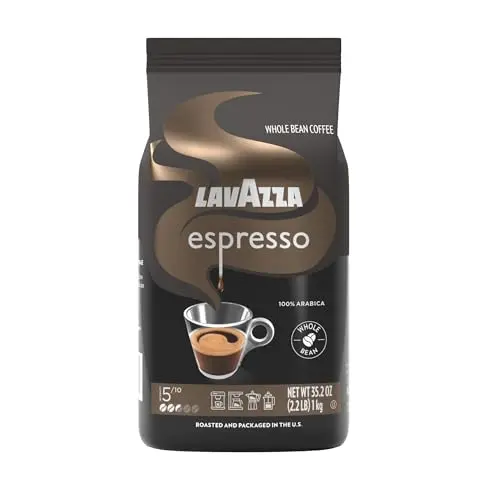
Espresso Whole Bean Medium Roast – Everyday Espresso Workhorse
A medium-roast 100% Arabica blend built for espresso machines, with a sweet, aromatic finish and enough versatility for moka and drip. The large whole-bean bag suits daily drinkers who want a reliable house espresso.
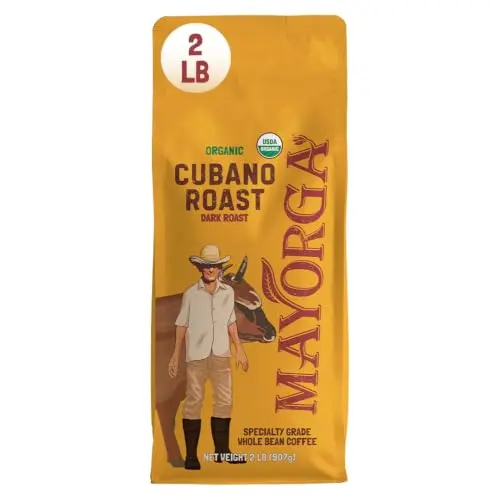
Cafe Cubano Dark Roast – Organic Cuban-Style Espresso
A dark, Cuban-style organic roast with vanilla, smoky sweetness, and low acidity. It’s a strong fit for espresso drinkers who want a bold, smooth shot that holds up in milk.
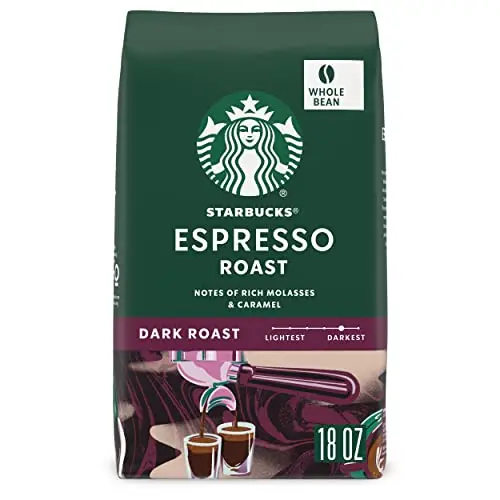
Espresso Roast – Molasses-Caramel Dark Roast
A dark espresso roast with molasses and caramel notes, designed to stand up to milk in lattes and cappuccinos. The familiar profile is easy to dial in for everyday espresso drinks.
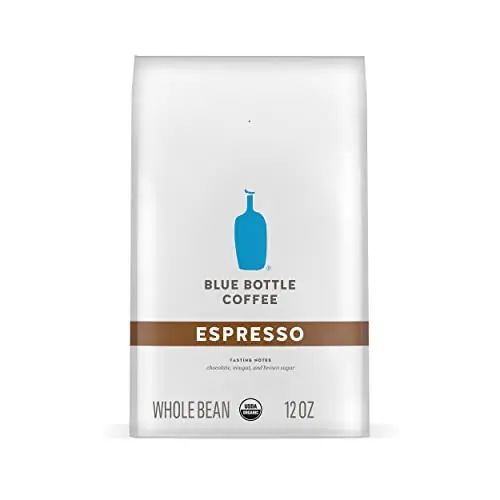
Espresso Dark Roast – Chocolatey Specialty Blend
A specialty dark roast formulated for espresso, with chocolatey depth and organic beans from Latin America and Central Africa. It’s a good match for straight shots and milk drinks alike.
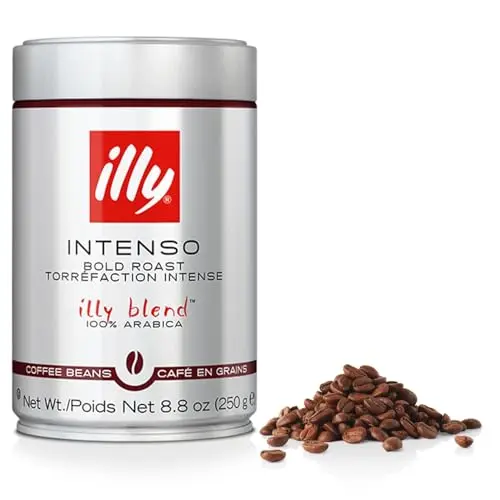
Intenso Dark Roast – Deep Cocoa Espresso
A robust dark roast with deep cocoa notes and a dry, full-flavored finish. The vacuum-sealed tin and compact format suit espresso drinkers who want an intense, bittersweet shot.
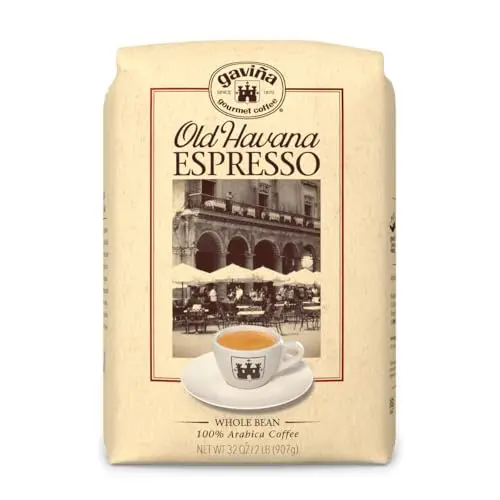
Old Havana Espresso – Nutty Medium-Dark Cuban Profile
A medium-dark Cuban-style espresso with nutty sweetness and subtle citrus. The generous whole-bean bag works well for espresso machines and moka pots.
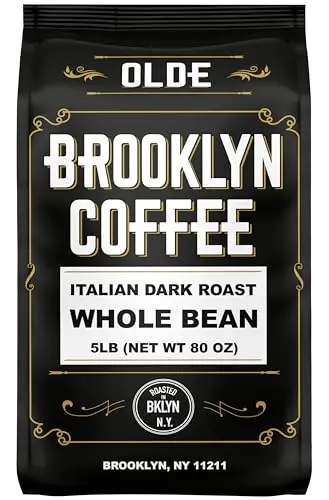
Italian Dark Roast – Bold Bulk Espresso Beans
A bold Italian dark roast sold in a bulk bag, with strong flavor and a heavy body for espresso. It’s aimed at high-volume drinkers who want fresh, intense beans.
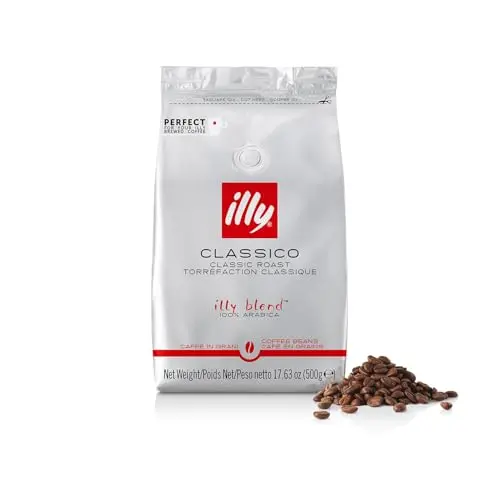
Classico Medium Roast – Floral Caramel Espresso
A medium roast with caramel, orange blossom, and jasmine notes. It’s a balanced, aromatic option for straight espresso and a change of pace from darker espresso blends.
How We Evaluated These Coffee Beans
We didn’t pull shots on every machine or run lab extraction tests. What we did: cross-referenced eight coffee bean bags from seven distinct brands across six decision axes – roast level, freshness packaging, grind suitability, milk compatibility, bag size, and flavor profile. We triangulated published roast and origin details, brew-method claims, and owner feedback where available, then mapped each option to representative espresso-machine drinkers. We weighed how each bean is likely to behave as a daily espresso option, not just how it reads on a label. We also favored bags with clear storage or packaging signals, since freshness is the variable espresso drinkers feel first. Our scope stayed on whole-bean coffee intended for espresso and espresso-adjacent brewing; we did not include flavored syrups, pods, or pre-ground options.
The scoring framework weighted real-world fit (70%) – how well each bag performs as an espresso-machine bean for straight shots or milk drinks – against feature differentiation (30%) – organic certification, roast style, bag format, and flavor specificity. We have no commercial relationship with the brands featured; recommendations track fit and differentiation, not brand preference. If you want a forgiving everyday bag, Lavazza Espresso Whole Bean is your match; if you prefer an organic dark roast, Mayorga Cafe Cubano serves you better.
How to Choose the Right Coffee Beans
1. Why Bean Choice Matters for an Espresso Machine
Espresso machines are unforgiving about bean freshness, roast level, and grind consistency. A machine can hit pressure and temperature, but stale or poorly matched beans produce flat, hollow shots. For espresso, look for whole beans with a roast date or a tight packaging setup, then grind immediately before brewing. The right beans for your espresso machine are the ones that stay sweet as you dial in the grind, not just the darkest bag on the shelf. If you want a forgiving starting point, Lavazza Espresso Whole Bean is the pick.
2. Roast Level and Espresso Machine Extraction
Medium roasts tend to be more forgiving when you’re learning to dial in, while dark roasts bring chocolate, caramel, and smoke but can turn ashy if extraction runs long. Light roasts can work in espresso, but they usually demand a capable grinder and tighter recipe control. Match roast to how you drink: straight shots reward clarity and sweetness, while milk drinks can handle darker, more intense beans. For an organic dark-roast option, Mayorga Cafe Cubano is the pick.
3. How Freshness Shapes Coffee Beans for Espresso
Freshness is not just a slogan for coffee beans for espresso. Beans release carbon dioxide after roasting, and very fresh beans can make espresso flow unevenly until they rest. Very old beans, meanwhile, taste papery and thin. A one-way valve, small-batch roasting, and a bag size you can finish within a few weeks matter more than a long list of flavor adjectives. If you drink multiple shots daily, a larger bag can still work; just store it airtight and away from light.
4. Milk Drinks vs Straight Shots on Your Espresso Machine
Your espresso machine setup changes what best means. Lattes and cappuccinos need beans with enough body and bittersweet intensity to cut through milk, which is where dark roasts and blends with chocolate or caramel notes earn their keep. Straight espresso drinkers often prefer more sweetness and aromatic detail, so medium roasts and specialty blends can be more interesting. If you want a chocolatey specialty profile, Blue Bottle Espresso is the better fit.
5. Organic, Blends, and Single-Origin Beans for Espresso
Organic certification matters if you prioritize farming practices, but it doesn’t guarantee a better shot. Blends are common for espresso because roasters can balance body, sweetness, and acidity across lots; single-origin beans can be more expressive but less consistent in milk. 100% Arabica is the baseline for most specialty espresso, though some blends use robusta for crema and punch. Buy for the flavor profile you actually enjoy, not the label alone.
6. Common Pitfalls When Buying Coffee Beans for Espresso
The biggest mistake is buying a huge bag of beans with no roast date and assuming the freezer will fix everything. Another is chasing ultra-dark roasts for intensity and ending up with char that tastes bitter no matter how you adjust the grind. Pre-ground coffee is also a weak match for espresso machines because the grind needs to match your basket and machine. Start with a medium or medium-dark blend, adjust one variable at a time, and only then move toward lighter or darker extremes.
Frequently Asked Questions
1. What's the difference between Lavazza Espresso Whole Bean and Mayorga Cafe Cubano for espresso machines?
Lavazza Espresso Whole Bean is the more forgiving, balanced choice for a first espresso-machine bag, with a sweet, aromatic medium roast that works in straight shots and milk. Mayorga Cafe Cubano is the darker, smokier option, with organic certification and a low-acidity finish. Choose Lavazza for versatility; choose Mayorga if you want a Cuban-style dark roast with vanilla and smoke.
2. Is Starbucks Espresso Roast or illy Intenso better for milk-based espresso drinks?
Starbucks Espresso Roast is the milk-drink specialist, with molasses and caramel notes and enough dark-roast body to push through steamed milk. illy Intenso is more cocoa-forward and dry, which suits small, intense shots but can feel less plush in a latte. Pick Starbucks for crowd-pleasing lattes; pick illy Intenso for compact, bittersweet espresso.
3. Do coffee beans for espresso machines need to be dark roast?
No. Medium and medium-dark roasts are often more forgiving for dialing in an espresso machine, while dark roasts bring chocolate and smoke but can taste ashy if extraction runs long. Light roasts can work, but they usually need a capable grinder and tighter recipe control. The right choice depends on whether you drink straight shots or milk drinks.
4. How should I store coffee beans for an espresso machine?
Store beans in an airtight container away from light and heat, and keep the bag’s one-way valve working if you use the original packaging. Buy a bag size you can finish within a few weeks of opening for espresso. Avoid the fridge; freezing can work for longer storage if the beans are sealed tightly and thawed once.
5. Are coffee beans for espresso machines different from drip coffee beans?
Espresso blends are often roasted a bit darker and built for body and crema, but the same whole beans can work in drip or pour-over. The real difference is grind setting: espresso needs a fine, consistent grind, while drip uses a coarser bed. If you want one bag for both, choose a versatile medium or medium-dark roast and adjust the grinder. Avoid pre-ground coffee if espresso is the priority.
Final Verdict
For most espresso-machine owners, Lavazza Espresso Whole Bean is the answer. It has the balance and forgiveness that make daily dialing less fussy, whether you drink straight shots or lattes. If organic and dark-roast character matter more, Mayorga Cafe Cubano is the alternative I’d point to. Milk-drink households should look at Starbucks Espresso Roast for its molasses-caramel body, while Blue Bottle Espresso is the specialty pick when you want a chocolatey, small-batch profile. Start with the bag that matches how you actually drink espresso; the machine will reward the better match.
