
Best Coffee And Espresso Machines – 2026 Reviews

Your morning coffee routine has a way of exposing whether a machine actually fits your life. A manual espresso setup can reward you with cafe-style shots, but it can also turn a rushed weekday into a cleanup project. A drip coffee maker or pod machine may be simpler, yet it won’t give you the same control over pressure, grind, and milk texture.
The useful split in this category is not brand versus brand; it’s workflow versus control. Machines with built-in grinders and steam wands ask more of you but deliver more adjustability. Superautomatic and pod options trade some craft for speed and consistency.
We looked across the market at coffee and espresso machines that cover the main buyer profiles: manual learners, milk-drink regulars, carafe-first households, and anyone who wants push-button espresso. The right pick comes down to how much hands-on work you want and how often you make espresso versus a full carafe.
Best Coffee and Espresso Machines – 2026 Reviews
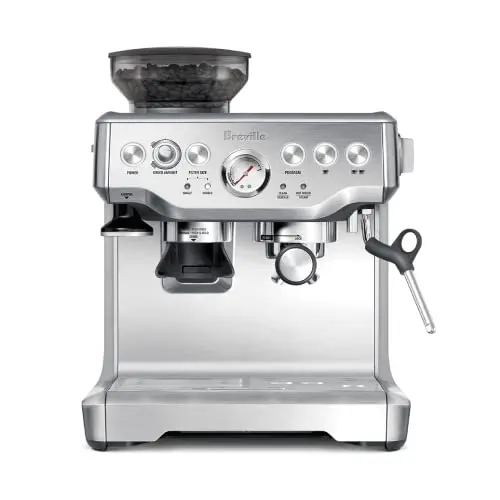
Barista Express BES870XL – Bean-to-Cup Espresso with Built-In Grinder
A bean-to-cup manual espresso machine with an integrated conical burr grinder, PID temperature control, low-pressure pre-infusion, and a powerful steam wand. It’s built for home baristas who want to dial in grind and dose rather than press one button.
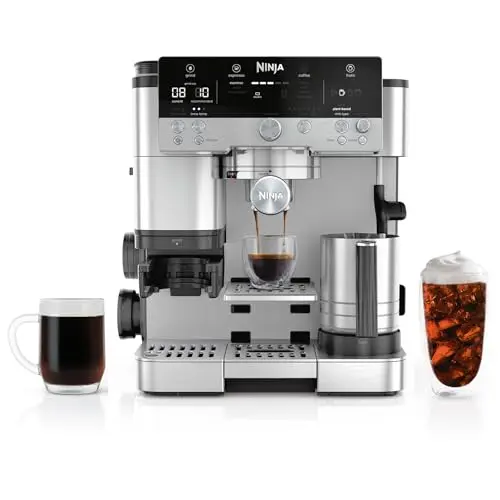
Luxe Cafe Premier ES601 – 3-in-1 Espresso, Drip, and Cold Brew
A 3-in-1 machine that handles espresso, drip coffee, and rapid cold brew with a built-in burr grinder, guided barista assistance, and hands-free dual frothing. It’s aimed at buyers who want variety without mastering every variable.
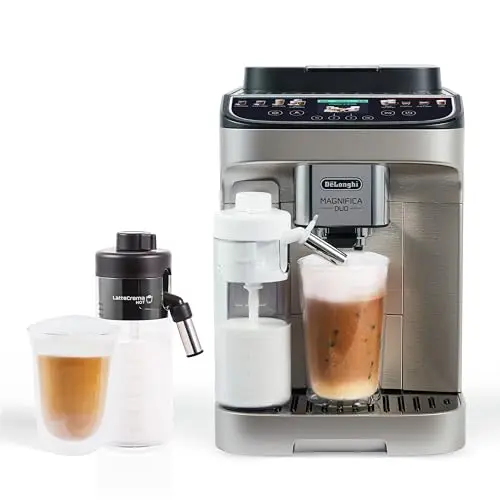
Magnifica Duo ECAM33080SXB – Automatic Espresso with 20 Recipes
A fully automatic espresso machine with a built-in conical burr grinder, 20 one-touch hot and iced recipes, and automatic hot or cold milk frothing. It’s for buyers who want cafe-style drinks with minimal manual steps.
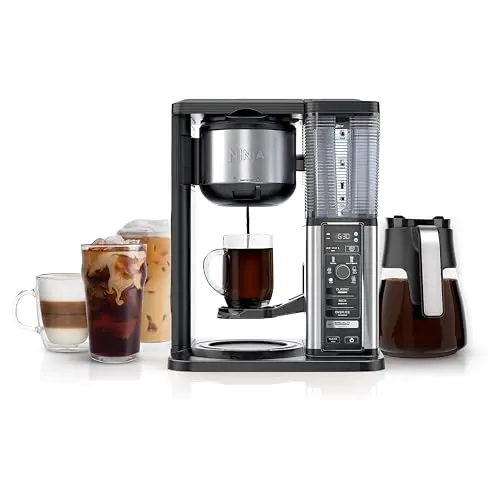
Specialty Coffee Maker CM401 – Drip, Iced, and Specialty Brews
A 10-cup specialty coffee maker with classic, rich, over-ice, and specialty concentrate brews, plus a fold-away frother. It’s a flexible drip machine for households that want carafe coffee and occasional latte-style drinks.

Stilosa EC260BK – Compact Manual Espresso Starter
A compact manual espresso machine with a 15-bar pump, stainless steel boiler, and manual steam wand. It’s an entry-level pick for learning espresso and milk texturing without a built-in grinder.
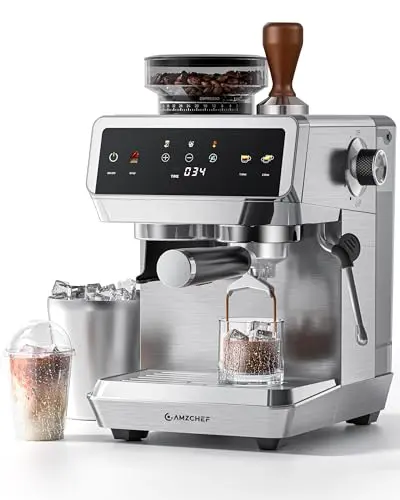
CM1626 – Grinder-Equipped Espresso with Temp Control
A semi-automatic espresso machine with a built-in grinder, 44 grind settings, adjustable brew temperature, and a steam wand. It adds touchscreen control and cold brew mode at a mid-range position.
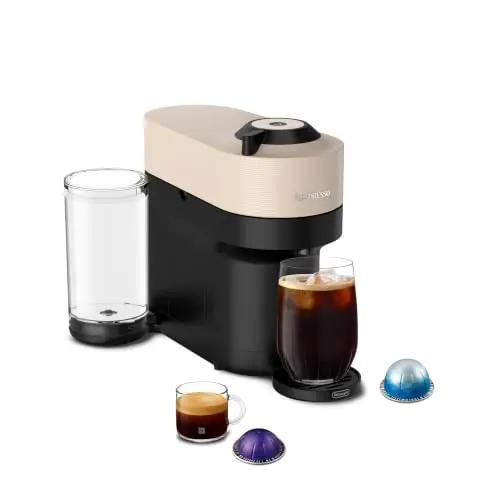
Vertuo Pop+ ENV92BE – Pod Coffee and Espresso Convenience
A compact pod coffee and espresso maker with five cup sizes, one-touch brewing, and a 30-second heat-up. It’s the low-effort route to espresso and full cups of coffee.

3700 Essential – Compact 20-Bar Espresso with Steam Wand
A compact 20-bar semi-automatic espresso machine with a powerful steam wand and a removable 43.9-ounce water tank. It’s a budget-friendly entry point for lattes and cappuccinos.
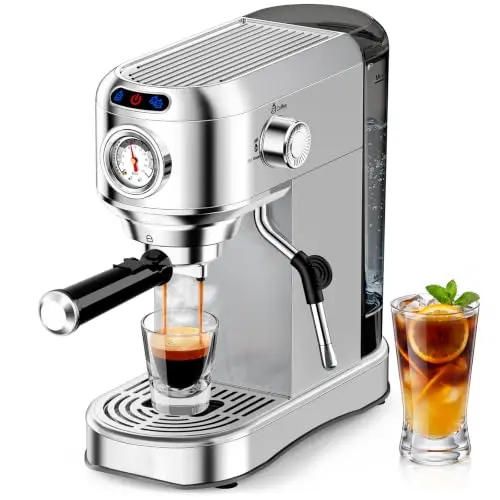
ST-699B – Slim 20-Bar Espresso with Pressure Gauge
A slim 20-bar semi-automatic espresso machine with a visible pressure gauge, fast 1450-watt heating, and a 34-ounce removable tank. It’s designed for small counters and quick single drinks.
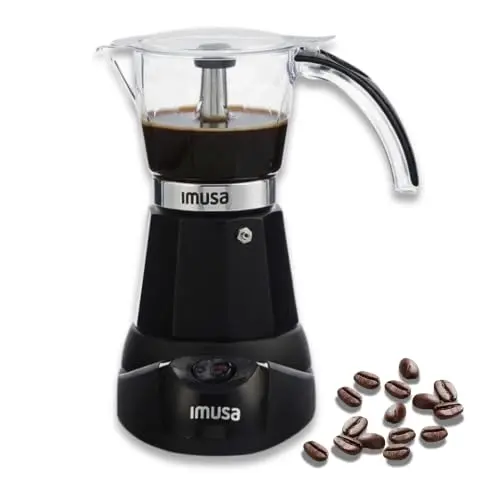
Electric Espresso Maker GAU-18234 – Cuban and Moka-Style Brewing
An electric moka-style espresso maker that brews 3 or 6 small cups with a cast aluminum base and detachable cool-touch base. It’s a traditional, low-cost route to strong Cuban or Italian-style coffee.
How We Evaluated These Coffee and Espresso Machines
We didn’t run controlled kitchen lab tests or long-term reliability trials. What we did: cross-referenced 10 coffee and espresso machines from 8 distinct brands across six decision axes – brewing method, grind integration, milk frothing, capacity, footprint, and daily maintenance. We triangulated published specifications, feature sets, and owner feedback where available, then mapped each machine to representative buyer workflows: manual espresso learners, milk-drink regulars, carafe-first households, pod users, and small-counter setups.
The scoring framework weighted real-world fit and performance (70%) – how well each machine delivers on its stated drink style and workflow – against feature differentiation (30%) – unique technical advantages and use-case specificity. We have no commercial relationship with any brand featured; recommendations track fit and differentiation, not brand preference. If you want hands-on control and a built-in grinder, the Breville Barista Express is the machine to beat. If you want espresso, drip, and cold brew from one guided setup, the Ninja Luxe Cafe Premier is the stronger match.
We weighed accessories, water-tank handling, and cleaning routines because those details decide whether a machine gets used on a Tuesday morning or becomes countertop clutter. Thin or inconsistent owner signal lowered our confidence in a pick, but did not automatically disqualify it; in those cases we leaned more heavily on published specs and the machine’s stated workflow.
How to Choose the Right Coffee and Espresso Machines
1. Espresso Machine vs Coffee Maker: Match the Machine to Your Daily Drink
The first fork in this category is drink style. A pump espresso machine is built for concentrated shots and milk drinks, while a drip coffee maker is built for volume and convenience. If your mornings are mostly lattes and cappuccinos, prioritize a machine with a capable steam wand or automatic frother. If you fill a travel mug or brew for several people, a carafe machine like the Ninja CM401 is the more rational centerpiece.
Don’t assume every espresso machine fits every espresso drinker. Manual and semi-automatic models reward attention to grind, dose, and tamp. Superautomatic and pod machines remove those variables but narrow your control. The right choice is the one whose workflow you’ll actually repeat on a busy morning.
2. Manual, Semi-Automatic, and Fully Automatic: How Much Control Do You Want?
Manual and semi-automatic machines put you in charge of grind, dose, and extraction time. That control is the point: it’s how you chase a specific shot. Fully automatic machines grind, dose, and brew at the press of a button, which trades craft for consistency. Neither is inherently better; they serve different temperaments. If you want to learn the variables, the Breville Barista Express is the clear manual pick in this lineup. If you want the machine to handle them, the De’Longhi Magnifica Duo is the automatic counterpart.
3. Why a Built-In Grinder Changes the Espresso Workflow
A built-in conical burr grinder removes a separate appliance and shortens the path from beans to basket. It also makes freshness practical: you can adjust grind size for a new bag instead of living with pre-ground coffee. The tradeoff is complexity. Grinder-equipped machines need periodic cleaning, and a jam or failure can take the whole machine out of service. If you’re not ready for that maintenance, a pod machine or a drip maker with pre-ground coffee is the simpler route.
4. Milk Frothing: Steam Wand vs Automatic Frother
Steam wands give you control over microfoam texture and are essential for latte art. They also require practice and a prompt wipe-down after every use. Automatic frothers are more consistent for beginners and often handle dairy and plant-based milk, but they add cleaning parts and less control. If you drink mostly black coffee, don’t pay for frothing complexity. If milk drinks are the reason you’re shopping, prioritize a strong frothing system over extra brew modes.
5. Counter Space, Water Tanks, and the Cleaning Routine
Measure your counter before you fall for a feature list. Footprint, cup clearance, and water-tank access decide whether a machine feels easy or annoying. A removable tank is a small feature that matters daily. So is a drip tray that comes out without a fight. Cleaning is the other hidden spec: steam wands need wiping, automatic milk systems need rinsing, and grinder-equipped machines need periodic burr care. A machine that’s simple to clean gets used more often.
6. Budget, Mid-Range, and Premium Coffee and Espresso Machines
The category splits into clear tiers. Entry-level manual machines get you into espresso with a steam wand but usually require a separate grinder. Mid-range grinder-equipped machines add convenience and temperature control. Premium automatic machines add one-touch recipes and automatic milk handling. Spend where the workflow matters most: grinder integration, milk frothing, and easy cleaning. A higher tier doesn’t guarantee a better cup if the machine’s routine doesn’t fit your mornings.
Frequently Asked Questions
1. What's the difference between the Breville Barista Express and the De'Longhi Magnifica Duo?
The Breville Barista Express is a manual machine with a built-in conical burr grinder, PID temperature control, pre-infusion, and a manual steam wand. The De’Longhi Magnifica Duo is fully automatic, with 20 one-touch recipes and an automatic hot/cold milk frother. Choose the Breville if you want to learn grind, dose, and tamp; choose the De’Longhi if you want push-button drinks and easier milk handling. For a hands-on workflow, the Barista Express is the pick.
2. How does the Ninja CM401 compare with the Nespresso Vertuo Pop+ for everyday coffee?
The Ninja CM401 is a drip coffee maker with a 10-cup carafe, iced-coffee mode, specialty concentrate, and a fold-away frother. The Nespresso Vertuo Pop+ is a pod espresso and coffee maker with five cup sizes and one-touch brewing. The Ninja suits households that want a full carafe and flexible brew sizes; the Nespresso suits someone who wants espresso and coffee with no grinding or cleanup. For carafe-first mornings, the Ninja CM401 is the better fit.
3. Do I need a built-in grinder in a coffee and espresso machine?
A built-in grinder is worth it if you want fresh grounds and adjustable grind size without a separate appliance. It also shortens the espresso workflow. You don’t need one if you prefer pods, pre-ground coffee, or a simpler drip machine. Grinder-equipped machines need periodic cleaning, and a grinder failure can take the whole unit out of service. Match the feature to your willingness to maintain it.
4. Can a budget espresso machine make good lattes?
Yes, a budget-friendly manual espresso machine can make good lattes if it has a capable steam wand and you’re willing to learn. The biggest limitations are usually temperature stability, grinder quality, and build durability. Pair a budget machine with a decent burr grinder and fresh beans, and the results can be satisfying. Expect a longer learning curve than a fully automatic model.
5. How hard is it to clean a steam wand versus an automatic milk frother?
A steam wand needs wiping right after each use and a deeper purge to avoid milk buildup. An automatic milk frother usually has removable parts that need rinsing or dishwasher care, plus a milk line to clean. Steam wands are simpler mechanically but more hands-on; automatic systems are easier to repeat but add parts. If cleaning friction is your dealbreaker, choose the simpler system you’ll actually maintain.
Final Verdict
For most espresso-curious buyers, the Breville Barista Express remains the pick: it combines a built-in grinder, PID temperature control, and a real steam wand in one workflow that rewards practice. If you want a single machine to cover espresso, drip coffee, and cold brew, the Ninja Luxe Cafe Premier is the more versatile all-in-one. The De’Longhi Magnifica Duo is the premium shortcut for automatic milk drinks and one-touch recipes. And if you’re keeping the budget tight while learning milk texturing, the De’Longhi Stilosa gets you into manual espresso without the grinder. Choose by the routine you’ll repeat, not the spec sheet you’ll admire once.
