
Best Coffee Grinders For Espresso – 2026 Reviews

Pulling a good espresso shot starts before the water hits the puck. The grinder has to deliver a fine, even bed of coffee, and it has to do it again tomorrow with the same setting. A grinder that drifts, clumps, or forces you to guess the dose will make every bag of beans feel harder than it should.
For espresso, two things separate the useful options from the frustrating ones: fine adjustment and repeatable dosing. You want enough steps to dial in a new bean, plus a workflow that doesn’t fight you when you’re half awake. The picks below come from across the market, not one brand’s lineup, so you can match the grinder to your machine and routine.
Best Coffee Grinders for Espresso – 2026 Reviews
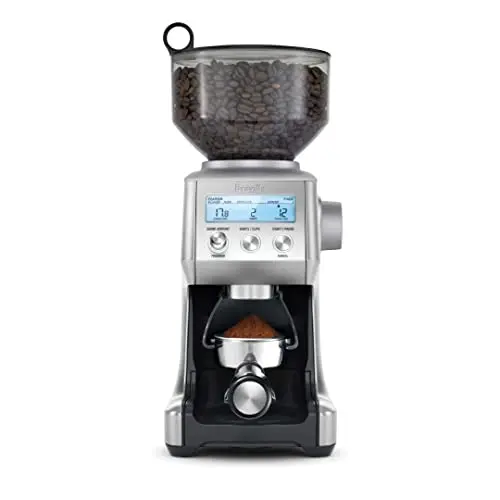
Smart Grinder Pro – Programmable Espresso Dosing
The Smart Grinder Pro is built around espresso workflow: programmable time, direct portafilter grinding, and a wide adjustment range. The LCD keeps dose and setting visible, and the included cradles fit common espresso portafilters.
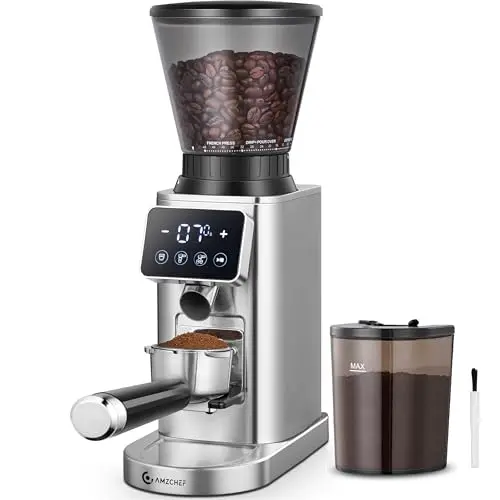
UL-CG209-SV – Anti-Static Espresso Prep
The AMZCHEF UL-CG209-SV pairs 40mm conical burrs with 48 settings, a touchscreen timer, and anti-static grinding. It’s set up for direct portafilter dosing and includes a cleaning brush.
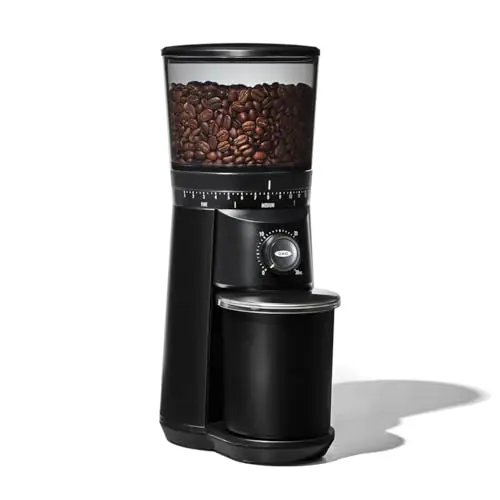
Brew Conical Burr Grinder – One-Touch Simplicity
The OXO Brew Conical Burr Grinder keeps daily espresso simple with one-touch start, memory for your last setting, and a 12-ounce UV-blocking hopper. It offers 15 main settings plus micro-adjustments.
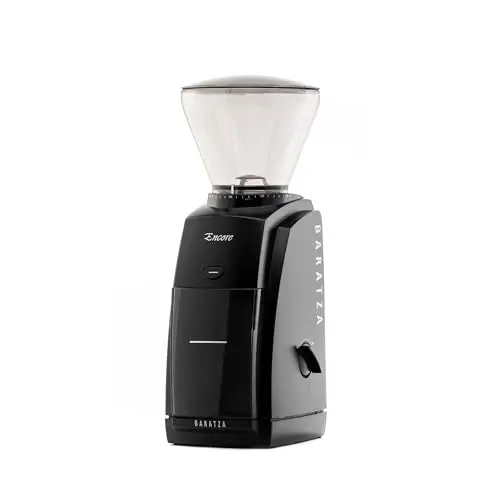
Encore – Beginner-Friendly Conical Burr
The Baratza Encore is a beginner-friendly conical burr grinder with 40 settings and a front pulse button. It’s a popular entry point for brew coffee, with enough range to experiment with espresso.
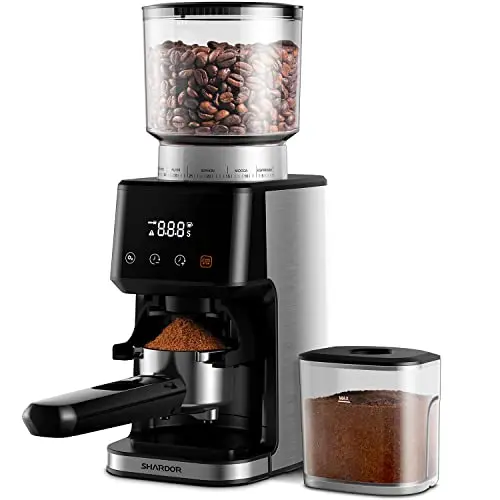
CG018B – Budget Espresso Dosing
The SHARDOR CG018B is a budget conical burr grinder with 51 settings, a precision timer, and a portafilter cradle. It’s aimed at home espresso users who want dosing control without a premium price.
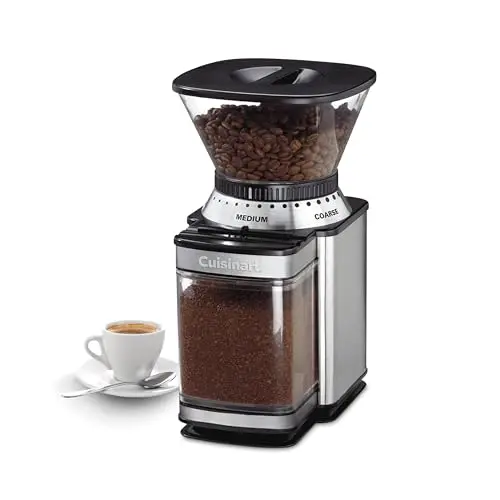
Supreme Grind DBM-8P1 – Entry-Level Burr Grinder
The Cuisinart Supreme Grind DBM-8P1 is an entry-level flat burr grinder with 18 settings, an 8-ounce hopper, and automatic shutoff. It’s a step up from blade grinders, though not a dedicated espresso machine.
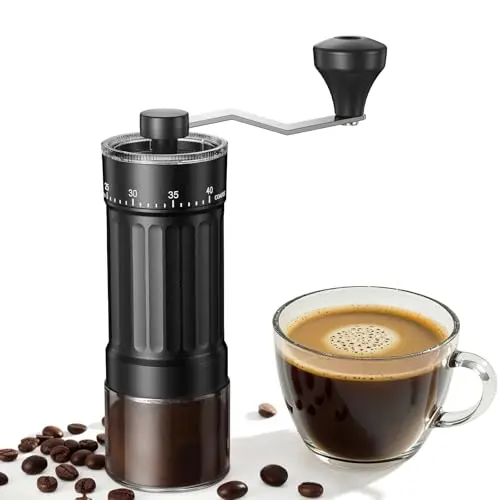
MCG-01 – Portable Hand Espresso Mill
The CEVING MCG-01 is a compact manual grinder with ceramic conical burrs and 40 external settings. It’s built for travel and small batches, not high-volume espresso mornings.
How We Evaluated These Coffee Grinders for Espresso
We didn’t pull shots on every grinder in a test kitchen or measure particle distribution with a lab sieve. What we did: cross-referenced eight coffee grinders from eight distinct brands across six decision axes – burr type, grind adjustment range, espresso-fine consistency, dosing workflow, hopper capacity, and cleanup. We triangulated published specifications, feature sets, owner feedback where available, and use-case fit for home espresso routines.
The scoring framework weighted real-world espresso fit (70%) – how well each grinder supports fine, repeatable dosing without fighting the user – against feature differentiation (30%) – unique workflow advantages and build details that separate one model from another. We have no commercial relationship with any brand here; recommendations track fit and differentiation, not brand preference. If you want the most complete espresso workflow, the Breville Smart Grinder Pro is the first one we’d route you to; if you want strong espresso features for less, the AMZCHEF UL-CG209-SV is the value-first alternative.
We also weighed whether each grinder can grind directly into a portafilter, how easy the controls are to repeat, and whether static or retention is likely to make a mess in daily use. We did not run lab particle-size tests or multi-month durability trials; this review is built on published specs, documented feature sets, and owner feedback where available. That matters for espresso because small workflow irritations add up when you’re dialing in a new bag of beans.
How to Choose the Right Coffee Grinder for Espresso
1. What Actually Matters in Coffee Grinders for Espresso
Espresso is less forgiving than drip coffee because the grind has to be fine, even, and repeatable. The three things that matter most are consistent particle size, fine adjustment, and a repeatable dose. If any one of those is off, you’ll chase sour or bitter shots instead of enjoying them.
A good espresso grinder doesn’t need to be the most expensive machine on the counter. It needs to hold a setting, deliver enough range for a new bag of beans, and make the daily routine feel manageable.
2. Burr Type and Grind Adjustment Range for Espresso
Conical burrs and flat burrs both crush beans into a more uniform grind than blades, but they produce slightly different grind profiles. For home espresso, either design can work; the bigger question is whether the grinder gives you enough control at the fine end.
Look for stepped settings that are close together, or a micro-adjustment system, so you can make small changes without jumping from too coarse to too fine. A wide range matters for switching between espresso and French press, but espresso is won in the small increments.
3. Workflow: Dosing, Timers, and Portafilter Fit
Workflow matters more for espresso than for any other brew method. A portafilter cradle lets you grind directly into the basket, which reduces transfers and mess. A programmable timer helps make the dose repeatable, while direct grinding keeps the process short.
If you want the most complete espresso workflow, the Breville Smart Grinder Pro is the pick. It combines timed dosing with direct portafilter grinding and a clear display.
4. Static, Retention, and Cleanup in Espresso Coffee Grinders
Static cling and retention are the quiet frustrations of espresso grinding. Static sends grounds onto the counter, and retention leaves old coffee inside the chute. Both make it harder to keep doses consistent.
A removable burr assembly and a cleaning brush help, but so does a design that reduces static in the first place. If you hate mess, put more weight on anti-static features and easy access to the grind chamber.
5. How Much Should You Spend on an Espresso Coffee Grinder?
Espresso grinders come in three broad tiers. An entry-level burr grinder can get you started, but it may limit how precisely you can dial in. A mid-range model usually adds better dosing control, more settings, and a more espresso-focused workflow. A premium grinder buys more consistency and finer adjustment, but the returns taper if your machine and routine are simple.
If you’re keeping costs down, the SHARDOR CG018B is the value route, with espresso-oriented settings and a precision timer. Spend more only when you know the extra control will change your daily results.
6. Matching a Coffee Grinder to Your Espresso Machine and Routine
Match the grinder to your portafilter size, your counter space, and your tolerance for noise. A grinder that fits your machine but wakes the house every morning may still feel like the wrong choice.
If you want the simplest daily routine, the OXO Brew is the easy pick. It remembers your last setting and keeps the controls out of the way.
Frequently Asked Questions
1. Do you really need a burr grinder for espresso?
For espresso, yes. A burr grinder produces a more consistent particle size than a blade grinder, which matters because espresso extraction is sensitive to both fine grounds and fines. A blade grinder can chop unevenly, leaving chunks and powder in the same dose. If you’re serious about espresso, prioritize a conical or flat burr grinder with enough adjustment to dial in.
2. What's the difference between the Breville Smart Grinder Pro and the Baratza Encore?
The Breville Smart Grinder Pro is the more espresso-focused machine, with a programmable dose timer and direct portafilter grinding. The Baratza Encore is simpler and more brew-oriented, with a friendly pulse button. If you want repeatable espresso dosing, the Breville Smart Grinder Pro is the stronger pick. If you mostly brew drip and make espresso occasionally, the Encore makes more sense.
3. How does the OXO Brew compare with the Cuisinart Supreme Grind for espresso?
The OXO Brew is the easier daily espresso grinder, thanks to one-touch memory, micro-adjustments, and a larger hopper. The Cuisinart Supreme Grind is a more basic entry-level burr grinder with 18 settings; it can handle espresso-style grinding but gives you less precision. If you want simpler dialing, the OXO is the better fit. If budget is tight and espresso is occasional, the Cuisinart is the compromise.
4. What's the difference between the SHARDOR CG018B and the AMZCHEF UL-CG209-SV?
Both are budget-friendly espresso-capable grinders with conical burrs and portafilter-friendly dosing. The SHARDOR CG018B has a 0.1-second timer and 51 settings, making it the lower-cost feature pick. The AMZCHEF UL-CG209-SV adds anti-static grinding and a larger hopper, which can make daily cleanup easier. If you want the lowest-cost espresso workflow, the SHARDOR CG018B is the value route. If anti-static handling matters more, the AMZCHEF is worth the step up.
5. Can the CEVING MCG-01 manual grinder handle espresso?
Yes, but with caveats. The CEVING MCG-01 has 40 external settings and ceramic conical burrs, so it can grind fine enough for espresso. The tradeoff is manual effort and time, especially for multiple shots. It’s a good fit for travel or small batches, not a busy morning routine.
Final Verdict
For most home espresso setups, the Breville Smart Grinder Pro is the answer. It combines a wide grind range, programmable dosing, and direct portafilter grinding in a way that makes dialing in less of a chore. If budget is the deciding factor, the SHARDOR CG018B gets you espresso-focused settings and a precision timer for far less, with the caveat that long-term durability is less certain. If you want the simplest daily routine, the OXO Brew remembers your last setting and keeps the workflow short. And if you need to grind away from home, the CEVING MCG-01 is the portable manual option. Match the grinder to how you actually make espresso, and you’ll spend less time fighting the gear.
