
Best Coffee Makers For Coffee Shops – 2026 Reviews

A coffee shop’s morning rush exposes every weak link in the brew process. The line stacks up, someone orders a latte, another wants a batch drip refill, and the machine that looked fine on a quiet afternoon suddenly needs to recover faster than it can. That pressure is why coffee-shop coffee makers are judged differently from home machines: throughput, drink range, and serviceability matter more than a long feature list.
The first fork in the road is your menu. A batch-drip shop needs a fast, hot batch brewer with a reliable warming system and quick turnaround between carafes. An espresso-led shop needs a grinder, stable temperature, and a steam wand or frother that can keep up with milk drinks. Many small shops try to cover both with one machine, which is possible but usually involves a tradeoff in speed, durability, or drink quality.
This guide compares coffee makers from several brands through that coffee-shop lens. We’ll look at batch capacity, recovery time, espresso and milk-drink capability, cleaning routines, and the practical question of whether a home-style machine can survive daily shop duty.
Best Coffee Makers for Coffee Shops – 2026 Reviews
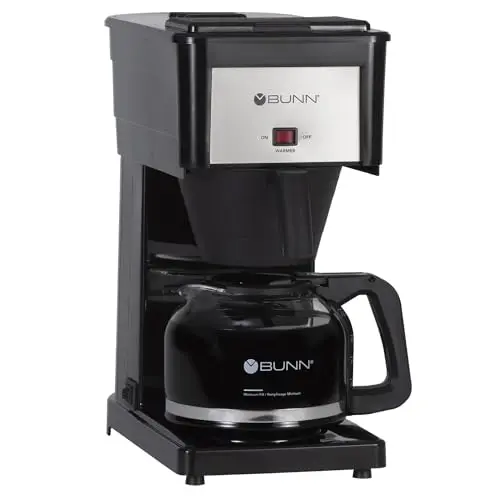
GRB Velocity Brew – Commercial-Style Drip for Small Shops
The Bunn GRB Velocity Brew is a 10-cup drip brewer built around an internal hot water tank and a fast, cafe-style sprayhead. It is designed for quick carafes and travel-mug fills, with a drip-free carafe and a switch-activated warming plate.
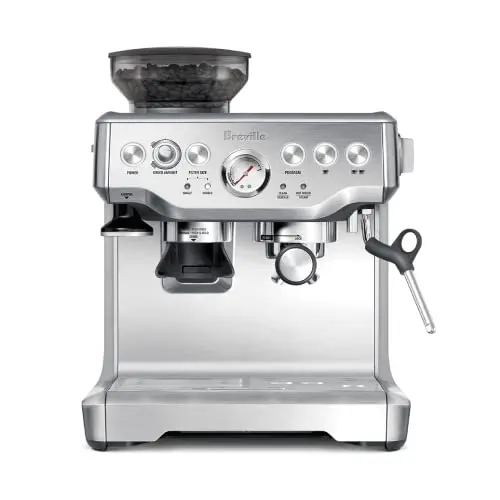
Barista Express – Espresso Menu Starter
The Breville Barista Express is a manual espresso machine with an integrated conical burr grinder, PID temperature control, low-pressure pre-infusion, and a steam wand for microfoam. It is built for bean-to-cup espresso drinks rather than batch drip.
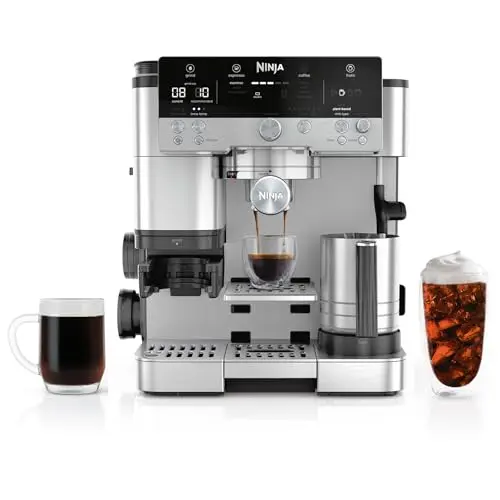
Luxe Cafe Premier – 3-in-1 Espresso and Drip
The Ninja Luxe Cafe Premier is a 3-in-1 machine that brews espresso, drip coffee, and cold brew with a built-in conical burr grinder, guided barista assist, assisted tamping, and a hands-free dual froth system.
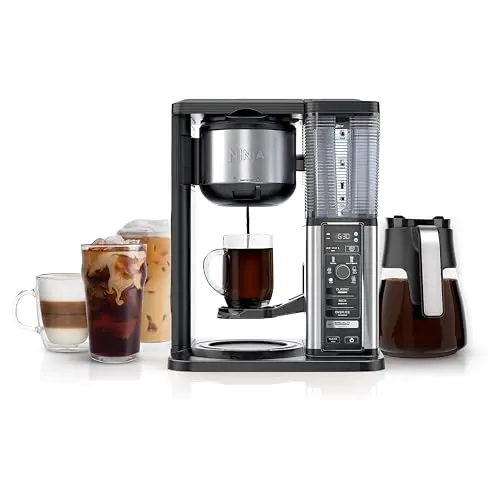
CM401 Specialty – Drip, Iced Coffee, and Froth
The Ninja CM401 is a specialty drip coffee maker with four brew styles, six brew sizes, a fold-away frother, a removable water reservoir, and dishwasher-safe parts. It brews coffee concentrate for latte-style drinks rather than true espresso.
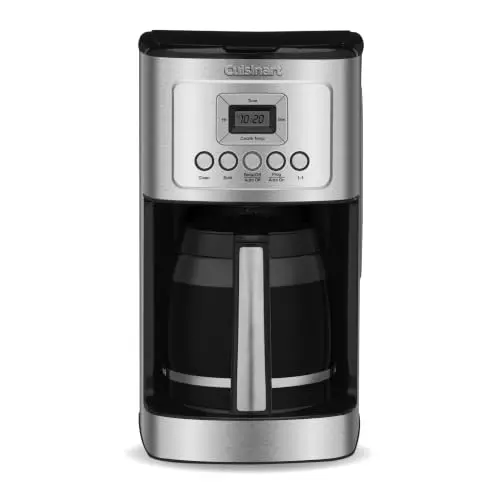
PerfecTemp 14-Cup – Hotter Batch Brewing
The Cuisinart PerfecTemp 14-Cup is a programmable drip coffee maker with hotter brewing, an adjustable warming plate, brew strength control, a 1-4 cup setting, 24-hour programmability, and a self-clean cycle.
How We Evaluated These Coffee Makers for Coffee Shops
We didn’t run these machines through a commercial coffee-shop service day. What we did: cross-referenced five coffee makers from four brands across six decision axes – batch capacity, brew speed and recovery, espresso and milk-drink capability, build and warranty, cleaning and maintenance, and small-shop workflow fit. We triangulated published specifications, feature sets, and owner feedback where available, then mapped each machine against the realities of a low-volume shop: morning rush, repeat batches, milk drinks, and counter space. We also weighed counter footprint and how easily each machine can be cleaned between shifts, because a coffee shop cannot afford a brewer that needs a long cool-down or a complicated cleaning routine.
The scoring weighted real-world coffee-shop fit (70%) – how well each maker handles the drinks and pace a small shop actually needs – against feature differentiation (30%) – unique brewing modes, grinder integration, frothing, and serviceability. We have no commercial relationship with the brands featured; recommendations track fit and differentiation, not brand preference. If your menu is built on fast batch drip, the Bunn GRB Velocity Brew is the most direct match. If espresso leads the menu, the Breville Barista Express makes more sense. A few things we can’t tell you: how each machine holds up after months of daily shop use. What we can: which features and workflows line up with a coffee-shop counter.
How to Choose the Right Coffee Makers for Coffee Shops
1. Start With the Coffee Shop Menu, Not the Machine
The most useful first question is not which coffee maker is biggest or fanciest; it is what your coffee shop actually sells. A batch-drip menu lives on brewed coffee, refills, and maybe iced coffee, so the machine’s job is to deliver hot water consistently, brew full carafes quickly, and hold coffee at a serving temperature without scorching it. An espresso-led menu needs a different toolkit: a grinder, stable brew temperature, and a way to texture milk.
If you are building a simple drip counter, the Bunn GRB Velocity Brew is the most shop-oriented starting point in this group. Its internal hot water tank is designed for fast repeat brewing, which matters when the line does not pause for a refill. If your shop is espresso-first, read the next sections before defaulting to a batch brewer; a machine without a steam wand or frother will leave a gap in the menu.
2. Batch Brewing Capacity, Speed, and Recovery Time
For a coffee shop, batch capacity is only half the story. A 10- to 14-cup carafe matters, but so does recovery time – how quickly the brewer can produce the next pot after the first one is poured. A machine with a hot water tank, like the Bunn, is built to shorten that gap. A home-style brewer may need a cooldown and refill cycle between batches, which is fine for a quiet cafe but painful during a rush.
Look for brew-pause if staff need to grab a cup mid-cycle, and an adjustable warming plate if coffee may sit briefly before pickup. A 14-cup model like the Cuisinart PerfecTemp gives you more batch size for low-volume service, but it still behaves like a home machine when demand spikes. Match batch size to your busiest hour, not your average one.
3. Espresso and Milk Drinks: What a Coffee Shop Really Needs
Espresso changes the equipment equation. You need a burr grinder, temperature stability, and enough control to pull a shot that tastes balanced rather than sour or bitter. A steam wand or frother is not a nice extra if lattes and cappuccinos are on the menu; it is the difference between a coffee shop and a pot of drip coffee.
The Breville Barista Express is the most espresso-focused machine here, with an integrated conical grinder, PID temperature control, low-pressure pre-infusion, and a manual steam wand for microfoam. The tradeoff is operator skill: manual dosing, tamping, and steaming take practice. If your staff turnover is high, an assisted or automatic workflow may be more realistic than a traditional manual espresso setup.
4. All-in-One Machines and Small-Shop Versatility
Some small coffee shops want one machine to test several drink categories before committing to a dedicated espresso setup. That is where a 3-in-1 brewer can be useful. The Ninja Luxe Cafe Premier combines espresso, drip coffee, and cold brew with a built-in grinder, guided barista assist, and hands-free frothing. For a pop-up or a cafe with a compact menu, that flexibility can reduce counter clutter.
Be realistic about the tradeoff. An all-in-one home-style machine may not match a dedicated commercial espresso machine for back-to-back volume, and complex internals can mean more maintenance. Serviceability and warranty coverage matter as much as the brew modes. If the machine goes down, can you get parts or service quickly enough to keep the shop open?
5. Durability, Warranty, and Serviceability for Daily Shop Use
Coffee-shop use is harder on a machine than home use: more cycles, more water, more cleaning, and less downtime. Check the warranty length, the build materials, and whether the parts that wear out – carafes, filters, gaskets, frothers – are replaceable. Stainless steel and commercial-style components usually signal a machine built for more cycles, but the proof is in the service model.
Do not assume a home-style warranty covers heavy daily use. Read the terms before you rely on a machine for revenue. A three-year warranty is a meaningful advantage for a small shop, but only if the machine’s failure modes are covered and service is accessible. Keep a backup brewer or a manual pour-over station for the days when maintenance cannot wait.
6. Cleaning, Water, and Maintenance Routines
Cleaning is not glamorous, but it decides whether your coffee tastes consistent on day 90. Look for a self-clean cycle, a descale indicator, and removable parts that can be washed quickly during a shift. Water quality matters too: a charcoal water filter or a shop water-treatment plan will reduce scale and off-flavors.
Milk systems need daily attention. A steam wand must be wiped after each use, and a frother should be disassembled and cleaned before residue builds up. If the machine has a removable water reservoir, make sure staff can refill it without moving the whole brewer. The best coffee-shop machine is the one your team can keep clean during a busy day, not just on paper.
7. Budget, Mid-Range, and Premium Coffee Shop Setups
The price tier you choose should follow the menu and volume you expect, not the other way around. A budget batch setup can work for a pop-up, a mobile cart, or a very low-volume shop where the main job is hot drip coffee and quick refills. Expect home-style controls, shorter warranties, and less headroom during a rush.
A premium espresso setup buys you more control, better milk texturing, and more consistent shots, but it also demands training and maintenance discipline. Mid-range all-in-one machines can be a practical bridge if you want to test espresso, drip, and cold brew without buying three separate machines. In every tier, the real cost is not just the machine – it is the staff time, cleaning, and downtime it creates.
Frequently Asked Questions
1. What's the difference between the Bunn GRB Velocity Brew and the Cuisinart PerfecTemp for a coffee shop?
The Bunn is built around fast repeat brewing: its internal hot water tank keeps water hot so a full carafe can brew in about four minutes, and it carries a three-year warranty. The Cuisinart PerfecTemp is a 14-cup batch brewer with adjustable warming and a lower price tier, but it behaves like a home machine when demand spikes. For a drip-focused shop with a steady morning rush, the Bunn GRB Velocity Brew is the more shop-ready pick; the Cuisinart makes sense for very low-volume service or backup batch brewing.
2. Breville Barista Express vs Ninja Luxe Cafe Premier: Which fits a coffee shop?
The Breville is the more traditional espresso workflow: built-in conical grinder, PID temperature control, low-pressure pre-infusion, and a manual steam wand. It rewards trained staff who want control and can practice their technique. The Ninja Luxe Cafe Premier is the more versatile all-in-one: espresso, drip, cold brew, guided barista assist, and hands-free frothing. It is easier to hand off to less experienced staff, but durability is the watch item for daily shop use. For an espresso-focused shop with trained staff, the Breville Barista Express is the better match; for a small shop testing multiple drink categories, the Ninja Luxe Cafe Premier is more flexible.
3. Can a home coffee maker really work in a coffee shop?
Yes, but only with clear limits. A home-style brewer can work for a pop-up, mobile setup, or very low-volume shop where the machine is not running back-to-back during a rush. It is not a substitute for commercial-grade equipment in a high-volume cafe. Check the warranty terms, replacement-part availability, and whether the machine can recover quickly between batches. If your business depends on consistent volume, treat a home-style machine as a starter or backup rather than the long-term workhorse.
4. Do I need an espresso machine or is batch drip enough for a coffee shop?
It depends on the drink menu you plan to sell. Batch drip is enough for a shop focused on brewed coffee, iced coffee, and refills, especially if you keep a fast batch brewer and a backup plan for peak hours. If lattes, cappuccinos, and flat whites are core to your identity, you need an espresso machine with a grinder and milk-steaming capability. Many small shops start with drip and add espresso later, but the counter space and workflow should be planned from the beginning.
5. What daily maintenance does a coffee shop coffee maker need?
Daily maintenance should include carafe and basket cleaning, a water reservoir rinse, and a wipe-down of any milk system. Steam wands need immediate wiping after each use, and frothers should be disassembled before residue hardens. Weekly tasks usually include descaling or a self-clean cycle, depending on water hardness and how many cycles the machine runs. Keep a maintenance log so cleaning does not depend on who is on shift.
Final Verdict
For most small coffee shops, the Bunn GRB Velocity Brew is the answer: it keeps hot water ready, brews a full carafe fast, and carries a longer warranty than most home-style machines here. If espresso is the center of your menu, the Breville Barista Express gives you a built-in grinder and manual steam wand for cafe-style drinks. The Ninja Luxe Cafe Premier is the better fit if you want one machine to cover espresso, drip, and cold brew while you test demand. And for a very low-volume shop or pop-up, the Cuisinart PerfecTemp is the budget batch option. Match the machine to your menu, not the other way around.
