
Best Coma Inducer Comforters – 2026 Reviews

You know the feeling: the room is cold, the sheets are crisp, and the last thing you want is a comforter that sits on top of the bed like a piece of cardboard. The comforters people call ‘coma inducers’ are trying to solve that exact problem. They’re the ones that feel heavy enough to settle you, plush enough to make you sink in, and generous enough to wrap around your shoulders without leaving a cold strip down the side.
But the label gets used loosely. A comforter can be fluffy in a product photo and still feel airy in person, or it can be warm without ever feeling cocooning. The difference usually comes down to two things: how much fill weight and loft it actually has, and how the shell fabric feels against your skin. Noise, drape, and care instructions matter too, especially once you’re dealing with an oversized size.
We looked across the market at comforters that lean into that heavy, plush, sleep-deep feel – some down, some down-alternative, some oversized, some more budget-minded. The goal isn’t to crown one brand. It’s to help you pick the version of ‘coma inducer’ that matches your bed, your temperature, and how much maintenance you’re willing to do.
Best Coma Inducer Comforters – 2026 Reviews
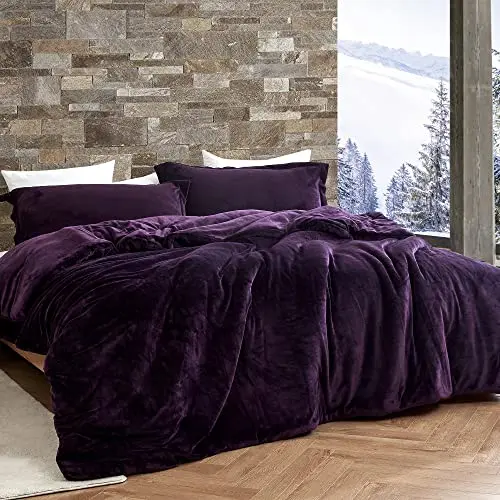
The Original Plush Coma Inducer – Oversized Plush for Heavy Sleep
The Original Plush is the closest thing to the ‘coma inducer’ idea in this lineup: a heavyweight oversized queen comforter set with a soft plush shell, down-alternative fill, and two matching shams. It’s built for sleepers who want a cocooning, heavier bed rather than a light all-season layer.
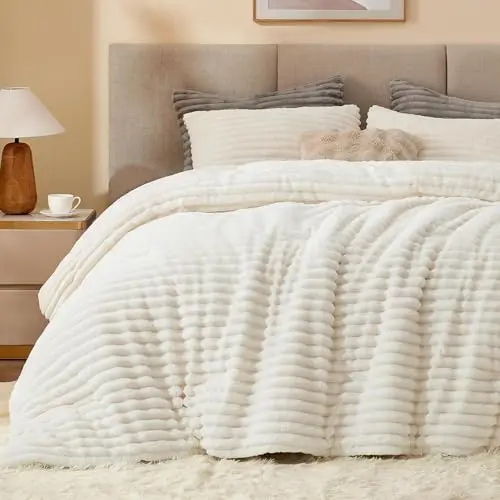
Fleece Comforter Set – Faux-Fur Warmth for Cold Sleepers
A budget-friendly faux-fur comforter set with a striped, high-loft fleece face and a smooth micro-mink reverse. It’s built for cold-room warmth and a cozy, textured look, and it comes with two pillowcases.
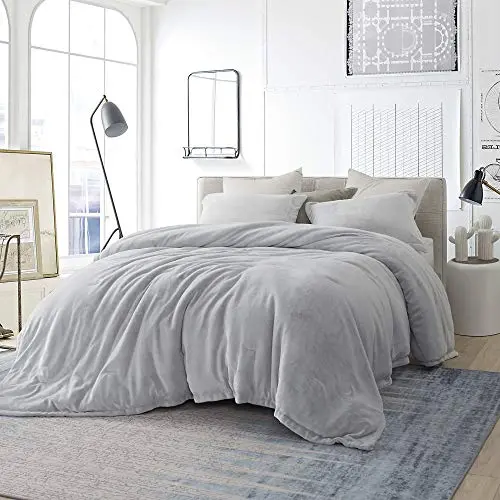
Coma Inducer Frosted – Oversized Plush with a Soft Sheen
A plush microfiber comforter set with a soft frosted sheen, oversized queen dimensions, and a thick down-alternative fill. It’s the lighter, smoother sibling to the Original Plush, with the same generous drape and cozy intent.
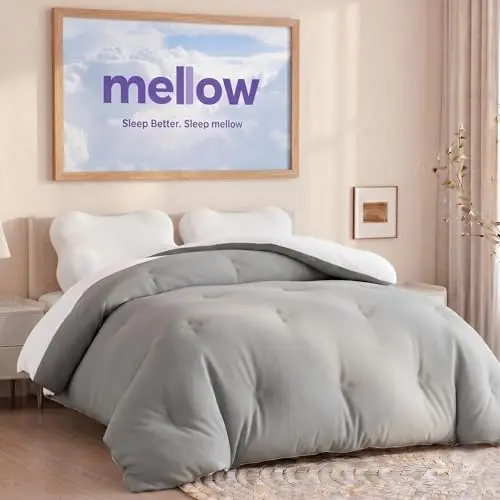
Marshmellow Comforter – Double-Stuffed Cloud Loft
A double-stuffed down-alternative comforter with a visibly puffy loft, heat-adaptive fibers, and a soft OEKO-TEX Class I shell. It’s designed to work as a standalone comforter or a duvet insert for sleepers who want cloud-like fluff without a heavy down fill.

Premium Down Comforter – All-Season Baffle-Box Warmth
A down-and-feather comforter with a 400 thread count cotton shell, 3D baffle-box construction, and eight corner tabs. It’s an all-season medium-warmth option for sleepers who want natural fill and a breathable cotton feel.
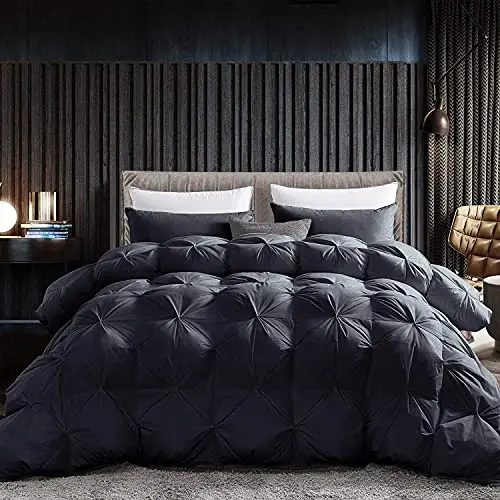
Pinch Pleat Down Comforter – Palatial King with Hotel Look
An oversized palatial king down-feather comforter with a black pinch-pleat face, 1200 thread count Egyptian cotton, and a 90 oz fill weight. It’s a statement bedding piece built for generous drape and hotel-style loft.
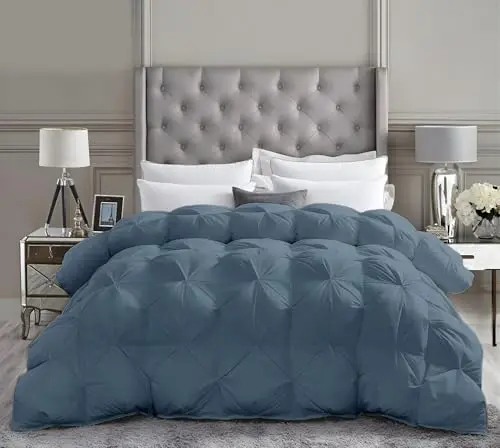
Pinch Pleat Comforter – Oversized Down-Alternative Warmth
An oversized king-plus down-alternative comforter with a 500 GSM fill, organic cotton shell, and pinch-pleat styling. It’s built for sleepers who want a big, warm, hotel-like drape that reaches past the mattress edges.
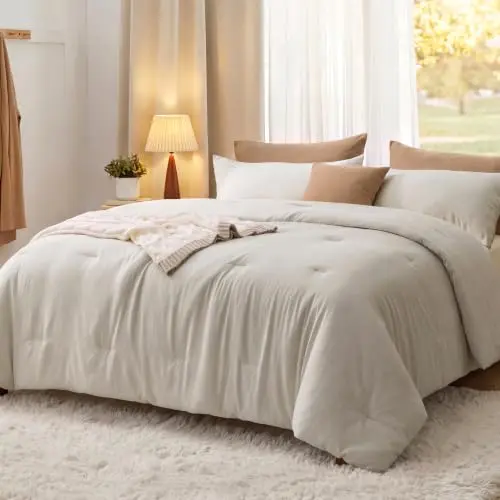
Prewashed Comforter Set – Soft Oversized Everyday Bedding
A prewashed oversized king comforter set with a soft cotton-like hand, subtle beige finish, and two matching pillowcases. It’s an everyday, warm-yet-light option rather than a heavyweight plush cocoon.
Prewashed Comforter Set – Soft Oversized Everyday Bedding
A prewashed oversized king comforter set with a soft cotton-like hand, subtle beige finish, and two matching pillowcases. It’s an everyday, warm-yet-light option rather than a heavyweight plush cocoon.
How We Evaluated These Coma Inducer Comforters
We didn’t sleep under all eight comforters through a full winter or run controlled thermal tests. What we did: cross-referenced eight comforter models from seven distinct brands across five decision axes – fill type and weight, shell material and hand feel, warmth and breathability balance, size and drape, and care and construction. We triangulated published specifications, feature sets, and owner feedback where available, then mapped each option against the way people actually use a heavy, plush comforter: cold-room sleeping, layering over sheets, and sharing a bed with a hot sleeper. We also audited the practical details that tend to get buried in marketing copy, including corner tabs, baffle or box stitching, and whether the comforter is machine washable or dry clean only.
The scoring framework weighted real-world fit (70%) – how convincingly each comforter delivers the cocooning, coma-inducer feel it promises – against feature differentiation (30%) – construction details, shell quality, and size options that separate one model from another. We have no commercial relationship with the brands featured; recommendations track fit and differentiation, not brand preference. That matters more in this category than in most bedding buys, because ‘warm enough’ is highly personal. If you want the most direct expression of the brief, The Original Plush is your match; if you want a lower-cost route to the same cozy idea, the BEDELITE Fleece Comforter Set is the alternative we’d point you toward.
How to Choose the Right Coma Inducer Comforter
1. What Makes a Comforter a True Coma Inducer
The phrase isn’t a standardized spec, and no label on a box officially certifies it. In practice, a coma inducer comforter needs a combination of heavier fill, visible loft, and a plush or brushed shell that feels cozy against the skin. It should drape over you like a cocoon rather than float on top of the bed.
The tricky part is that fluff alone doesn’t get you there. A comforter can look puffy in photos and still feel light and airy in use. The models that earn the nickname tend to balance warmth without clamminess with enough weight and body to feel settling. That’s why fill weight, shell texture, and size all matter together.
2. Comforter Fill Weight and Loft: The Engine of the Feel
Fill weight is the clearest predictor of whether a comforter will feel substantial or airy. Down-alternative fills are often measured in GSM, while down and feather comforters may list fill weight in ounces. Higher numbers usually mean more loft and more warmth, but construction matters just as much: baffle-box and box-stitch designs keep fill from sliding into corners.
If you want the exact heavy plush feel, The Original Plush is the clearest expression of that brief. If you prefer natural fill, a down-and-feather blend can feel breathable and lofty, though it may need more shaking to keep its shape.
3. Comforter Shell Fabric, Hand Feel, and Noise
The shell decides whether a comforter feels silky, fuzzy, crisp, or noisy. Plush microfiber and fleece faces create the softest, most cocooning hand feel, but they can trap heat and make some sleepers run warm. Cotton shells breathe more readily and feel cooler at first touch, though they won’t have the same furry coziness.
Noise is a real differentiator. Some down-proof fabrics make a crackling sound when you move, while brushed microfiber and plush shells stay quieter. If you’re sensitive to sound, prioritize soft brushed fabric over crisp, tightly woven cotton.
4. Comforter Size and Drape: Why Oversized Matters
Bed coverage changes the feel as much as fill does. An oversized queen or king-plus comforter hangs farther down the sides, which reduces the chance of cold spots and makes the bed look more generous. Standard sizes can leave a visible gap between the comforter edge and the mattress, especially on thicker mattresses.
Check the drop you want before buying. A comforter that reaches toward the floor looks dramatic but can be harder to wash. Corner tabs and sewn loops help keep a duvet cover from twisting, so they’re worth looking for whether you use the comforter alone or inside a cover. For a bed that needs extra drop, the Saferay Green Pinch Pleat Comforter is the oversized option to check.
5. Warmth vs. Breathability for Hot and Cold Sleepers
Heavy doesn’t have to mean suffocating. Cold sleepers usually do well with plush shells and higher fill weights, while hot sleepers should look for breathable cotton, temperature-balancing fibers, or a down-alternative fill that doesn’t trap heat. A comforter that sleeps too warm is worse than one that’s slightly light, because you can always add a blanket but you can’t easily subtract heat.
If you share a bed with someone who runs hot, consider a lighter all-season comforter and let the cold sleeper add a throw. The ‘coma inducer’ feel is personal, and the right balance depends on your room temperature and sleep style.
6. Comforter Care, Construction, and Long-Term Loft
Before you commit, check the care label. A machine-washable comforter is far easier to live with than one that requires dry cleaning or hand washing, especially in a larger size. Construction details matter too: baffle boxes and box stitching keep fill evenly distributed, while double-stitched seams and corner tabs help the comforter survive regular use.
Larger comforters can overwhelm standard washers, so measure your machine or plan a laundromat trip. If easy care is a priority, a down-alternative fill is usually the simpler choice.
Frequently Asked Questions
1. What actually makes a comforter a 'coma inducer'?
It’s shorthand for a comforter that feels unusually heavy, plush, and cocooning. There’s no official standard, but the combination usually includes higher fill weight, visible loft, a soft brushed or plush shell, and a generous drape that settles around you. A down-alternative comforter can absolutely qualify if it nails those traits.
2. Byourbed Coma Inducer vs. BEDELITE Fleece: which is warmer?
The Byourbed Original Plush leans harder into the heavy, plush, weighted-blanket feel, with a thick down-alternative fill and an oversized cut. The BEDELITE Fleece is more of a budget-friendly cold-night comforter, with a faux-fur texture and a heat-trapping fleece face. If you want maximum cocooning, go with the Original Plush; if you want cozy warmth for less, the BEDELITE Fleece Comforter Set is the practical pick.
3. How does the Mellow Marshmellow compare with the SNOWMAN down comforter?
The Mellow Marshmellow is the double-stuffed down-alternative pick, with a cloud-like loft and heat-adaptive fibers designed to reduce overheating. The SNOWMAN uses a down-and-feather fill and a 400 thread count cotton shell for a more natural, breathable feel. Choose Mellow for airy fluff; choose SNOWMAN if you prefer natural fill and a cotton hand.
4. Do I need an oversized comforter for a queen or king bed?
Not always, but it helps. An oversized queen or king-plus comforter gives you more drop on the sides, which reduces cold spots and creates a fuller look. Check your mattress thickness and whether you use a duvet cover, since a cover adds bulk. Corner tabs are a small detail that makes a big difference in keeping everything aligned.
5. Are down comforters or down-alternative comforters better for heavy sleep?
Neither is automatically better. Down and feather can feel breathable and lofty, but some versions are dry clean only and may shed feathers over time. Down-alternative fills are often machine washable and less likely to trigger allergies, and modern versions can feel convincingly plush. Focus on fill weight and shell feel rather than assuming one fill type is warmer.
Final Verdict
For most buyers, the Original Plush is the answer – it delivers the heavy, plush, oversized cocoon that the coma-inducer search is really about, and it does so without requiring a duvet cover. If you want that same cozy idea at a more budget-friendly tier, the BEDELITE Fleece Comforter Set is the value pick, with a warm faux-fur face and easy machine care. And if you want cloud-like loft with temperature balance rather than maximum weight, the Mellow Marshmellow Comforter is purpose-built for that softer, airier feel. Choose by the sleep you want: dense and cocooning, fuzzy and affordable, or fluffy and breathable.
