
Best Comforter Inserts – 2026 Reviews

The best comforter insert is the part of your bedding setup you notice only when it fails. Too thin, and winter feels drafty; too hot, and you wake up kicking covers off at 2 a.m. The right one adds loft, warmth, and structure without turning your bed into a sauna.
Most shoppers get stuck on fill labels. Down alternative, feather fiber, bamboo viscose, cotton shell: the material matters, but so does fill weight, box construction, and whether the insert is meant for a duvet cover or standalone use. A well-built budget insert can feel better than a poorly designed premium one.
This guide compares comforter inserts across brands and sleep styles, from cool-touch designs for hot sleepers to traditional feather blends for hotel-style beds. We will help you choose the right balance of warmth, breathability, loft, and care so you can stop shopping and start sleeping.
Best Comforter Inserts – 2026 Reviews
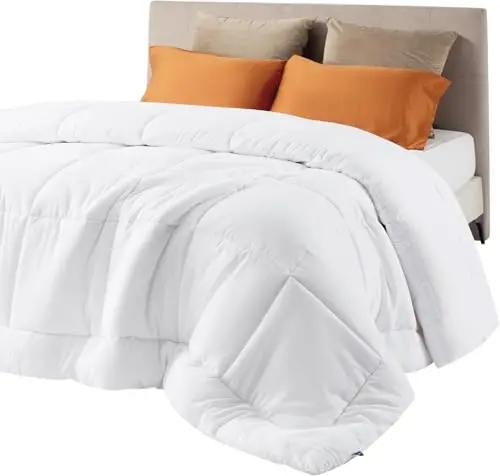
Comforter Duvet Insert – All-Season Hotel Softness
A down-alternative queen insert with box stitching, eight corner tabs, and a soft polyester shell. It is built to work alone or inside a duvet cover, with all-season warmth and machine-wash care.
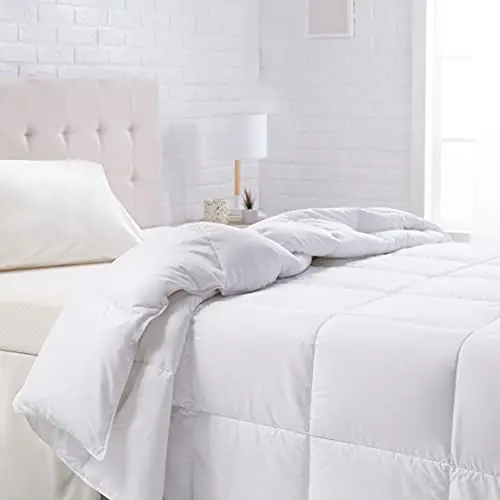
Down Alternative Comforter – Simple All-Season Value
A straightforward down-alternative comforter insert with a microfiber shell, 300 gsm polyester fill, corner tabs, and machine-wash care. It is sized for full/queen beds and aimed at all-season use.
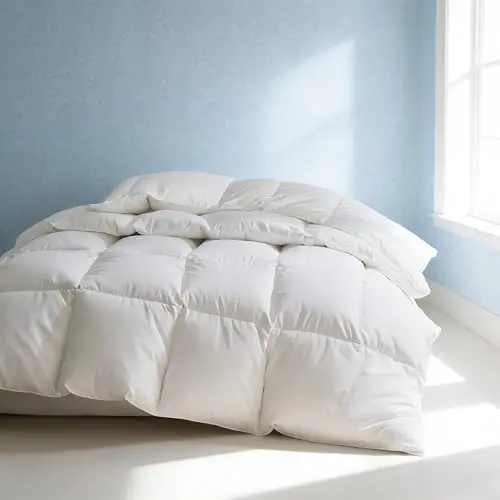
Goose Feathers Down Fiber Comforter – Tailored Hotel Warmth
A cotton-shell feather-and-down-fiber comforter insert with sewn-through box construction, medium all-season warmth, and a hotel-style drape. It is designed for dry-clean care and comes in multiple warmth levels and sizes.
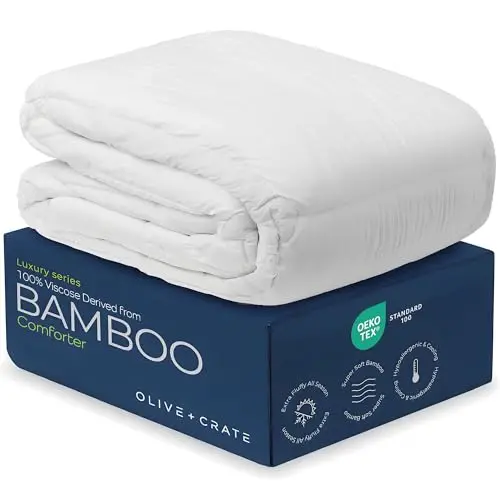
Bamboo Comforter – Cooling for Hot Sleepers
A bamboo-viscose-shell comforter insert with a recycled polyester and bamboo-viscose fill, Oeko-Tex certification, box stitching, and corner ties. It is designed for hot sleepers and year-round use.
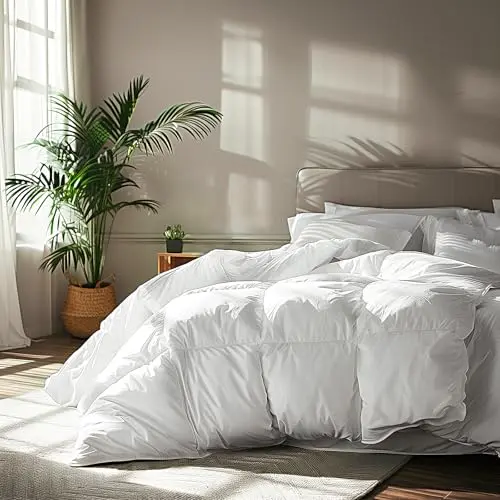
Goose Feather Down Fiber Comforter – Traditional Hotel Loft
A cotton-cover comforter insert filled with goose feather fiber and goose down fiber, featuring sewn-through box construction, corner loops, and medium all-season warmth. It is dry-clean only.

Queen Comforter Duvet Insert – Plush Everyday Value
A queen-size down-alternative comforter insert with a microfiber shell, siliconized fiberfill, box stitching, and corner tabs. It is machine washable and designed for all-season use.
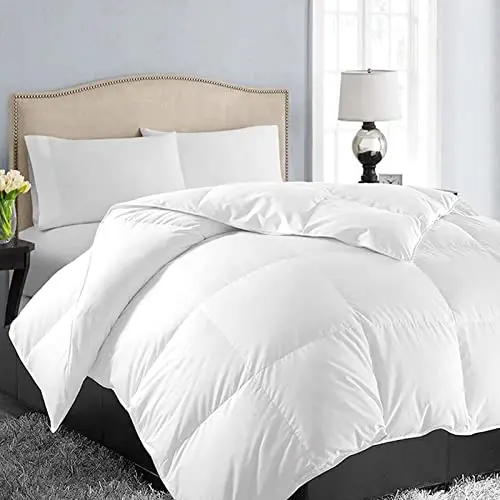
Queen Down Alternative Comforter – Brushed Softness
A queen-size down-alternative comforter insert with a brushed polyester cover, 300 gsm whole-piece fill, box stitching, and corner tabs. It is machine washable and designed for year-round use.
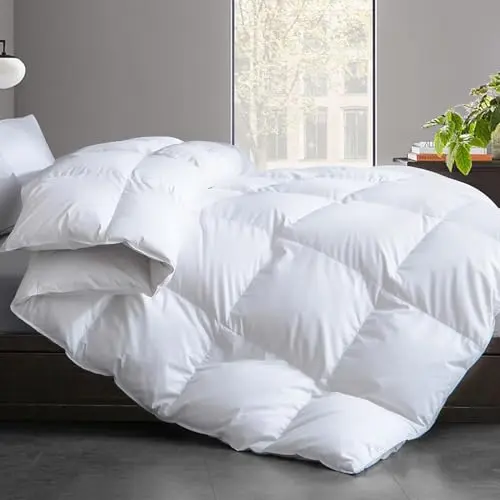
Feather and Down Fiber Insert – Breathable Cotton Feel
A queen-size feather-and-down-fiber comforter insert with a 100% cotton shell, medium warmth, box stitching, and corner tabs. It is Oeko-Tex certified and machine washable on a gentle cycle.

Queen Duvet Insert – Lightweight Marshmallow Softness
A queen-size down-alternative duvet insert with a microfiber shell, 3D and 7D fiberfill, box stitching, and corner loops. It is lightweight, machine washable, and designed for all-season use.
How We Evaluated These Comforter Inserts
We didn’t sleep under each comforter insert for a full season or run controlled wash-cycle durability trials. What we did: cross-referenced nine comforter inserts from nine distinct brands across five decision axes – fill material, loft and warmth, shell fabric, construction details, and care requirements. We triangulated published specifications, feature sets, owner feedback where available, and use-case fit for different sleep temperatures and bedding setups. We also weighed whether each insert works better as a standalone comforter or inside a duvet cover, because that changes how much corner-tab placement and shell noise matter. Care labels were audited closely, since machine-wash versus dry-clean care changes the long-term ownership experience.
The scoring framework weighted real-world fit (70%) – how well each insert delivers on warmth, breathability, and duvet-cover practicality – against feature differentiation (30%) – unique shell materials, corner-tab counts, certification, and care advantages. We mapped each option to a buyer profile rather than treating every insert as a generic white rectangle. Hot sleepers need a different balance from cold sleepers; a guest-room insert has different priorities from a primary-bed insert. We have no commercial relationship with any of the brands featured; recommendations track fit and differentiation, not brand preference. If you want the easiest all-season starting point, the Bedsure Comforter Duvet Insert is the match; if you want the simplest value route, the Amazon Basics Down Alternative Comforter serves you better.
How to Choose the Right Comforter Inserts
1. What to Look for in a Comforter Insert
A comforter insert is judged on three things: fill material, loft, and shell fabric. Fill determines warmth and weight; loft determines whether it feels fluffy or flat; shell determines breathability, noise, and hand feel. Pay attention to fill weight rather than marketing words like hotel or luxury.
2. Down Alternative vs. Feather-and-Down Comforter Inserts
Down-alternative inserts use polyester fiberfill, which is machine-washable, hypoallergenic, and usually more affordable. Feather-and-down-fiber inserts use a blend of feather fiber and down fiber for a more traditional loft, often with a cotton shell, but many require dry cleaning. If you want the cotton-shell feel with a polished finish, the Martha Stewart Goose Feathers Down Fiber Comforter is the pick, though it is still dry-clean only. For a pure down-alternative approach, stick with a box-stitched model and check the fill weight.
3. How to Match a Comforter Insert to Your Sleep Temperature
Hot sleepers should prioritize breathable shells and lightweight fill; cold sleepers should look for medium or heavyweight fill and a duvet cover for added insulation. A true all-season insert sits in the middle. If you overheat easily, the Olive + Crate Bamboo Comforter is the pick here because its bamboo viscose shell feels cool to the touch.
4. Construction Details That Keep a Comforter Insert in Place
Look for box stitching or sewn-through construction to keep fill from shifting. Corner tabs or loops matter if you use a duvet cover; four is standard, eight gives more anchor points. Piped edges add structure and reduce fraying.
5. Comforter Insert Care: Machine Wash vs. Dry Clean
Always check the care label before buying. Many down-alternative inserts are machine washable, while feather and down inserts often require dry cleaning. If easy care is a priority, the Amazon Basics Down Alternative Comforter is the safer route. Use cold water, gentle cycles, and low or no heat to protect loft.
6. Comforter Insert Pricing Tiers Without the Guesswork
Budget-friendly comforter inserts cover the basics and may need replacing sooner. Mid-range inserts add better shells and more consistent fill. Premium inserts often use cotton shells, feather blends, or specialty fibers and may require more careful maintenance. Spend up only when the shell, fill, or care requirements match how you actually sleep.
Frequently Asked Questions
1. What's the difference between the Bedsure Comforter Duvet Insert and the Amazon Basics Down Alternative Comforter?
The Bedsure Comforter Duvet Insert has a softer, more hotel-like hand feel, eight corner tabs, and a broader size range, so it is the better fit if you want a polished standalone comforter or a duvet insert with extra anchor points. The Amazon Basics Down Alternative Comforter is simpler: a 300 gsm polyester fill, a smooth microfiber shell, and a very approachable price tier. It is the one to choose if you want no-fuss machine washing and a light, cloud-like weight. For most shoppers, the Bedsure Comforter Duvet Insert is the easier all-season pick; the Amazon Basics is the value route.
2. How does the Serta Goose Feather Down Fiber Comforter compare with the Martha Stewart Goose Feathers Down Fiber Comforter?
Both use a cotton shell and a feather-and-down-fiber fill, and both are dry-clean only. The Serta has a medium-weight hotel loft and is a good match for sleepers who want a traditional feather feel. The Martha Stewart Goose Feathers Down Fiber Comforter feels a little more tailored, with a breathable cotton cover and a hotel-style drape that owner feedback tends to praise. If you want the more polished finish, go Martha Stewart; if you want a straightforward feather insert, Serta is the practical alternative.
3. Do feather-and-down comforter inserts require dry cleaning?
Many do, including several cotton-shell feather inserts in this category. The fill can clump or lose loft in a home washer, and the cotton shell may shrink. Always check the care label before buying. If you want machine washable care, choose a down-alternative insert with a polyester or microfiber shell instead.
4. Are down alternative comforter inserts warm enough for winter?
Yes, if you match the fill weight to your bedroom. A 300 gsm fill with a duvet cover can work for cool months, while lighter fills are better for warm sleepers. Look for box stitching to prevent cold spots and a breathable shell to avoid overheating. For winter, a medium-warmth insert plus a cover is often more versatile than a single heavy comforter.
5. How do I keep a comforter insert from shifting inside a duvet cover?
Use the corner tabs or loops on the insert and tie them to the inside ties on your duvet cover. Eight tabs hold better than four, especially on larger beds. A snug fit between insert and cover helps, and box stitching keeps the fill from migrating inside the insert itself. If your cover has no ties, add duvet clips or choose an insert with more anchor points.
Final Verdict
For most shoppers, the Bedsure Comforter Duvet Insert is the answer. It pairs a soft, hotel-like feel with eight corner tabs, a broad size range, and all-season warmth that works alone or inside a cover. If you want the lowest-fuss value pick, the Amazon Basics Down Alternative Comforter gets you a light, cloud-soft insert with simple machine-wash care. Hot sleepers should start with the Olive + Crate Bamboo Comforter, whose cool-touch bamboo viscose shell is built for overheating. And if you want a traditional cotton-shell feather insert and do not mind dry cleaning, the Martha Stewart Goose Feathers Down Fiber Comforter is the premium route. Match the insert to how you sleep, not to the label on the box, and you will end up with bedding you stop thinking about.
