
Best Comforters For Night Sweats – 2026 Reviews

It’s 3 a.m. and you’re awake again, one leg out from under the covers, the pillow flipped to the cool side. Night sweats turn sleep into a negotiation – too warm under a heavy comforter, too cold without one. The fix usually isn’t a thinner blanket; it’s a comforter that’s built to move heat and moisture away instead of holding onto them.
The options split along two lines. Some comforters use cool-touch synthetic fabrics rated for how quickly they draw heat off your skin, while others lean on natural fibers like bamboo that wick moisture and stay breathable. A third factor ties it together: fill weight and loft. A dense all-season comforter can still sleep hot, and a featherlight one can leave you cold by morning. Matching fabric, fill, and coverage to how you actually sleep is what separates a good pick from a frustrating one.
We looked across the major brands to sort out which comforters genuinely help with night sweats – not just which ones market themselves that way. Below you’ll find picks for cool-touch shoppers, natural-fiber fans, budget buyers, and anyone who just wants a lighter layer, so you can choose by sleep style rather than by brand loyalty.
Best Comforters for Night Sweats – 2026 Reviews
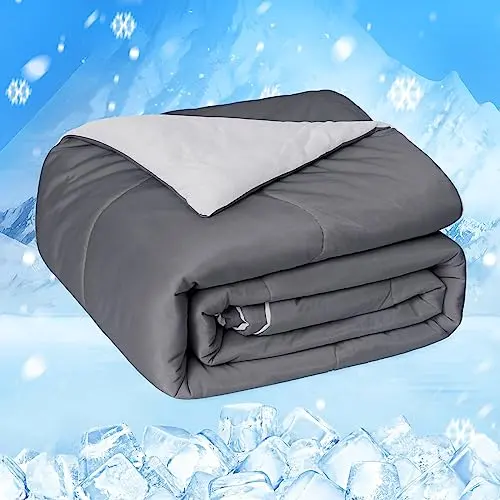
Double-Sided Cooling Comforter – Q-Max Cooling for Hot Sleepers
A purpose-built cooling comforter aimed squarely at hot sleepers, with a double-sided cold-touch fabric and a lightweight polyester fill that breathes rather than traps heat.
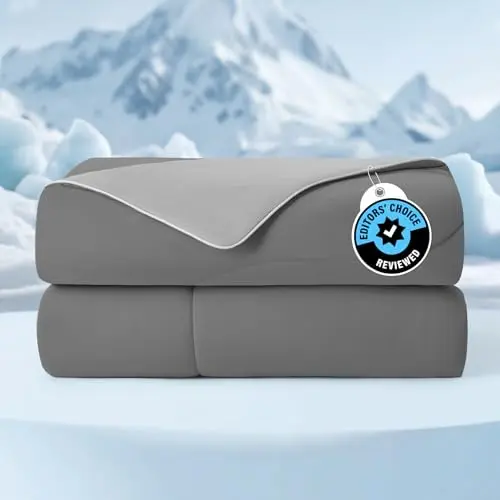
Cooling Comforter – Silky Cool for Night Sweats
A Q-Max-rated cooling comforter with a silky shell and a plush down-alternative fill, built to pull heat and humidity away from hot sleepers.
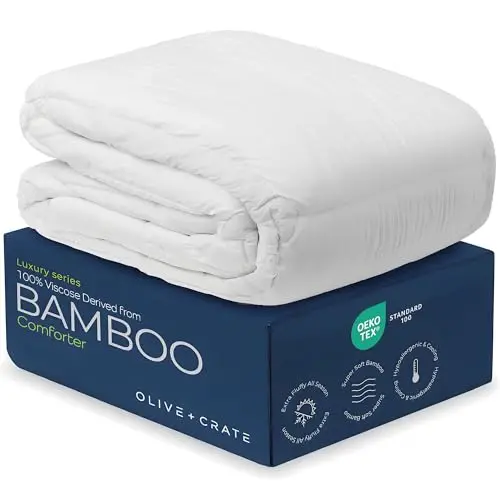
Bamboo Comforter – Moisture-Wicking Natural Fiber
A bamboo-viscose comforter that leans on natural fiber’s moisture-wicking and breathable qualities to keep hot sleepers dry through the night.
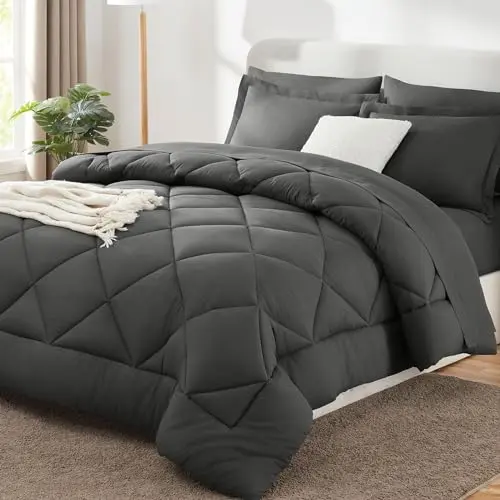
7-Piece Comforter Set – Lightweight Bed-in-a-Bag
A complete lightweight bed-in-a-bag set pitched specifically at hot sleepers, pairing a breathable 240GSM comforter with sheets and shams.
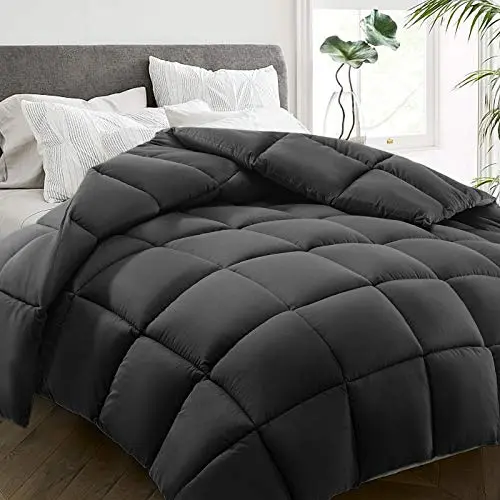
All-Season Down Alternative – Cooling Quilted Insert
An affordable down-alternative comforter with a peach-skin brushed cover and cooling fiber fill, aimed at anyone who overheats or can’t use down.
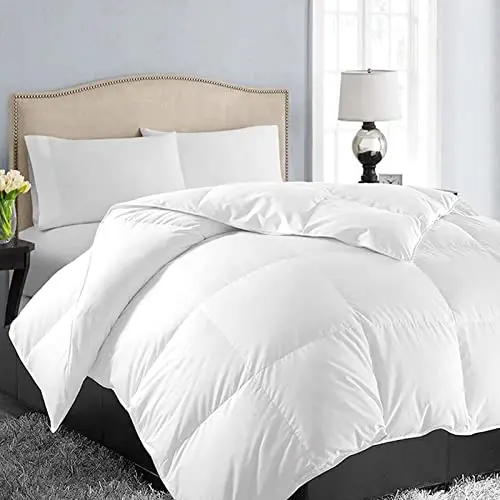
Down Alternative Comforter – Lightweight Year-Round Insert
A lightweight down-alternative duvet insert with a soft brushed cover and even whole-piece fill, built for transitional weather and warm sleepers.
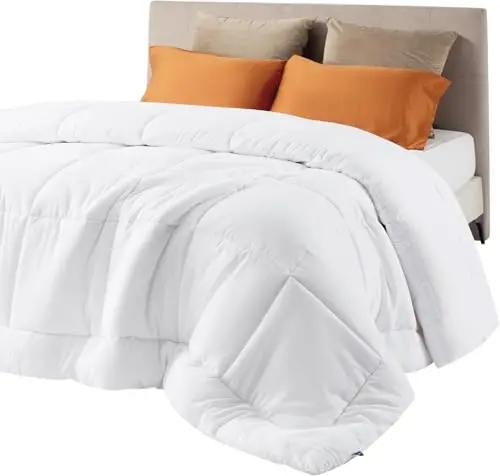
Duvet Insert Comforter – Soft All-Season Fill
A widely loved all-season down-alternative duvet insert with soft GentleSoft fill, eight corner tabs, and box-stitch construction.

All-Season Duvet Insert – Anti-Clump Box Stitching
An all-season down-alternative duvet insert with high-loft fill, anti-clump box stitching, and eight tabs for securing a cover.
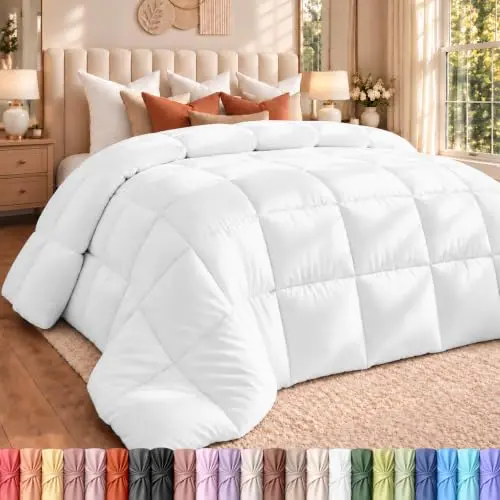
King Duvet Insert – Down Alternative with Corner Tabs
A no-frills down-alternative duvet insert with a soft siliconized fiberfill, box stitching, and corner tabs – a budget starting point for a cooler bed.
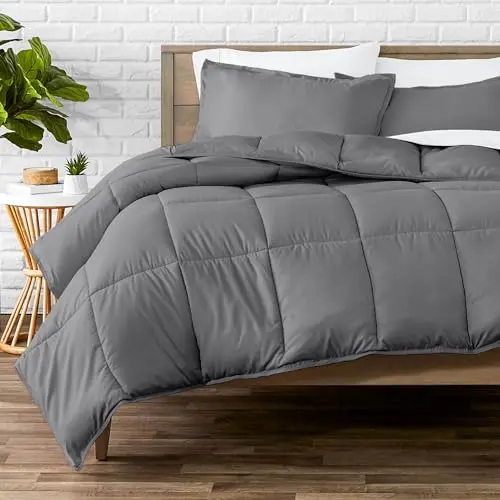
Down Alternative Comforter Set – Ultra-Soft All-Season
An ultra-soft brushed microfiber comforter set with a 300GSM down-alternative fill and matching shams, built for all-season coziness.
How We Evaluated These Comforters for Night Sweats
A comforter that runs hot is often the real culprit behind a sweaty night, so we went looking for options that manage heat rather than trap it. We didn’t run controlled sleep-temperature trials or measure surface temperatures with instruments. What we did: cross-referenced 10 comforter models from 10 distinct brands across six decision axes – cooling fabric technology, moisture-wicking ability, fill weight and breathability, size and coverage, care requirements, and qualitative price tier. We triangulated published specifications, feature sets, and owner feedback where available, then mapped each option against the way hot sleepers actually sleep.
That last part matters. A comforter marketed as all-season can still sleep warm if the fill is dense, and a genuinely cool-touch fabric only helps if it covers the area you sleep under. So we weighed how each pick behaves for someone who overheats in the middle of the night, not just how it performs in a generic bedroom.
The scoring framework weighted real-world fit for hot sleepers (70%) – how well each comforter helps a night-sweat sufferer stay dry and cool – against feature differentiation (30%) – unique cooling tech, natural fiber benefits, and use-case specificity. We have no commercial relationship with any of the brands here; recommendations track fit and differentiation, not brand preference. If cooling fabric is your priority, the HOMFINE is the natural starting point; if you want a plush cool-touch feel with more loft, the Cozy Bliss is the alternative we’d suggest.
How to Choose the Right Comforter for Night Sweats
1. What Actually Helps With Night Sweats
Overheating under a comforter comes down to two things: how much heat the fabric holds and how well it lets moisture escape. A comforter that traps both will leave you damp and restless no matter how light it is. The most effective options rely on cool-touch fabrics that pull heat off the skin, moisture-wicking fibers that move sweat away, and a breathable fill that doesn’t lock warmth in.
It also helps to think about your whole sleep setup. A cooling comforter on top of a non-breathable mattress pad won’t do much – the goal is a stack of layers that each move heat and moisture along. Start with the comforter, then adjust sheets and pads to match.
2. Cooling Fabric vs. Natural Fiber: Two Routes to a Drier Night
There are two main approaches to staying dry. The first is a synthetic cool-touch fabric rated by its Q-Max rating – a measure of how quickly it draws heat away from your skin. These feel almost cold to the touch and are the most direct fix for overheating. If that’s your priority, the HOMFINE leans fully into cool-touch construction.
The second route is natural fiber. A bamboo viscose shell wicks moisture and stays breathable rather than relying on a cold-to-the-touch surface. That can suit heavy sweaters who want the dampness managed. The Olive + Crate bamboo comforter is the clearest example of this approach, and it’s worth the premium if natural fibers matter to you.
3. Why Fill Weight and Breathability Matter for Hot Sleepers
A GSM fill weight tells you how much fill is packed into the comforter – and higher isn’t always better for a hot sleeper. A dense fill can sleep warm even if it’s marketed as all-season. What you want is a comforter that’s lightweight by design, with a brushed or breathable cover that lets air move. The CozyLux, for example, is specifically built light rather than plush, which is exactly the trade-off a hot sleeper is after.
4. Sizing and Coverage for Comforters
Coverage matters more than people expect. A comforter that’s too small leaves your shoulders and feet exposed, which can trigger the kick-off-pull-on cycle. Look for a size that gives you decent drape, and consider oversized options if you want more overhang on the sides. Corner tabs are a small but useful detail – they keep the comforter anchored inside a duvet cover so it doesn’t bunch up overnight.
5. How to Care for a Cooling Comforter
Cooling fabrics and lightweight fills need gentler handling than a heavy winter duvet. Wash cold on a gentle cycle, and use a laundry bag for cool-touch synthetics to prevent snags. A low tumble – or air drying – restores loft without stressing the fibers. Comforters often arrive vacuum-sealed and look flat at first; give them a day or two, or a short low-heat tumble, to puff back up before you judge them.
6. The Comforter Price Landscape
You don’t have to spend a lot to sleep cooler, but the money does buy real differences. Budget-friendly comforters get you a soft, breathable down-alternative insert without much fanfare. Mid-range options add better stitching and cooling-specific fabrics. The premium tier buys natural fibers, higher-end cool-touch materials, and more careful construction. If you want the most value, the CozyLux set bundles a lightweight comforter with sheets and shams for a modest outlay.
Frequently Asked Questions
1. Do cooling comforters actually help with night sweats?
They can, and the mechanism is fairly simple. Fabrics with a high Q-Max rating are designed to move heat off your skin quickly, so a cool-touch fabric feels cooler the moment you get under it. Natural fibers like bamboo viscose take a different path – they wick moisture away so you stay drier rather than colder. Neither is magic, but both address the heat-and-moisture problem better than a dense, heat-trapping duvet.
2. What's the difference between the HOMFINE and Cozy Bliss cooling comforters?
Both are built around Q-Max-rated cooling, but they diverge on feel. The HOMFINE uses a double-sided cold fabric and stays deliberately thin and light – the most single-minded cooling pick here. The Cozy Bliss adds more loft with a plush fill and a silkier shell, so it feels fuller under the covers, though it sits at a premium price. If you want maximum cool-touch, go HOMFINE; if you want more cushion for a little more money, the Cozy Bliss is the one to weigh.
3. Is a bamboo comforter better than a polyester cooling comforter for night sweats?
Not better, just different. A bamboo viscose shell excels at moisture-wicking – useful if you wake up damp rather than just hot. A polyester cool-to-the-touch fabric is better at pulling down surface temperature fast. Heavy sweaters often prefer the bamboo route, while people who mainly feel overheated lean toward the synthetic cooling picks. Matching the fiber to your kind of overheating is the real decision.
4. What's the difference between the CozyLux and Bedsure comforters?
The CozyLux is a lightweight set aimed at hot sleepers, and it arrives as a full bedding bundle with sheets and shams. The Bedsure is a standalone all-season insert that’s softer and warmer-leaning, and it’s widely praised as a plush, hotel-style comforter. If your main goal is staying cool, the CozyLux’s lighter build fits better. If you only overheat occasionally and want one cozy comforter for the whole year, the Bedsure makes more sense.
5. How do I stop overheating under a comforter?
Start with the layers that touch your skin. A lightweight comforter plus breathable sheets moves heat better than a heavy duvet, and a cool-touch fabric on top can pull warmth away directly. Leave a foot out to vent heat, and wash bedding regularly so trapped oils and dust don’t add to the warmth. If overheating is a nightly problem, a purpose-built cooling comforter is worth the swap.
Final Verdict
For most night-sweat sufferers, the HOMFINE is the answer – it treats cooling as the whole point, with a cold-touch fabric that stays cool and a lightweight fill that won’t trap heat. If you want more loft and a silkier feel, the Cozy Bliss gives you a plush cool-touch option. Budget-conscious shoppers should look at the CozyLux, which packages a lightweight comforter with a full set of sheets and shams for far less. And if natural fiber is your priority, the Olive + Crate bamboo comforter wicks moisture beautifully and earns its premium. Start with the cooling pick that matches your budget, then adjust with breathable sheets and a lighter layer.
