
Best Compact Carry-On Luggage – 2026 Reviews

The gate sizer is where carry-on luggage gets honest. You can read every spec sheet in the category and still end up as the person kneeling on the floor, pressing a bag down while a gate agent waits. Compact carry-on luggage exists to make that moment not happen.
The tricky part is that compact gets used loosely. Some bags are genuinely sized under standard limits so they clear the stricter sizers that international and budget carriers use. Others are just slightly smaller versions of a standard 22-inch spinner and bump the same ceiling. Two numbers separate them: overall exterior dimensions, with wheels and handle counted, and empty weight.
There’s a second tradeoff worth knowing before you shop. Compact sizing costs volume. A bag that’s an inch shorter on paper gives up a few liters inside, and the bags that claw that space back usually do it with expansion zippers, thinner shells, or a smarter interior layout. We compared the major options across brands to sort out which ones handle that tradeoff best for which kind of trip.
Best Compact Carry-On Luggage – 2026 Reviews
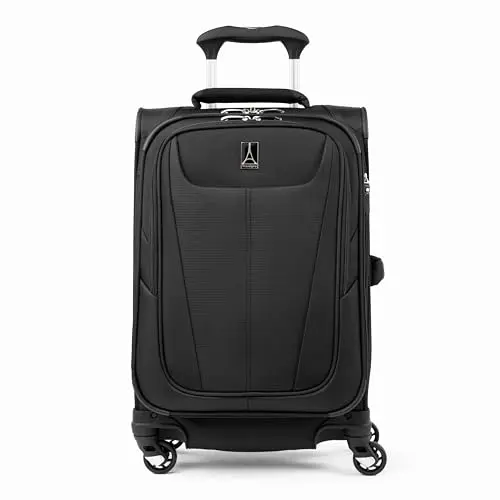
Maxlite 5 Compact Carry-On Spinner – Ultralight for Tight Size Limits
A softside spinner built for travelers who would rather not gamble at the gate sizer. The compact 20-inch shell is sized below standard carry-on dimensions to clear tighter international limits, and at just over five pounds empty it leaves more of your weight allowance for actual clothes.
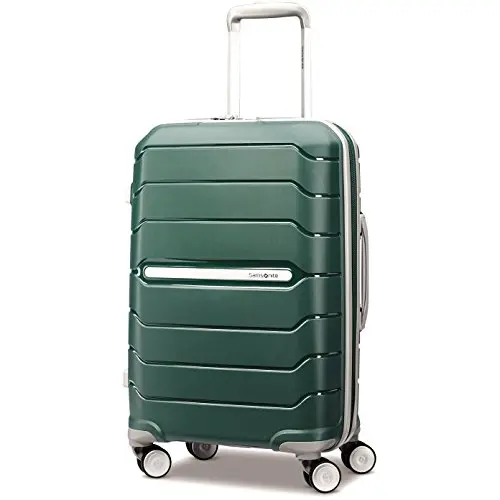
Freeform Hardside Carry-On – Double Spinner Wheels and Recessed TSA Lock
A 21-inch hardside spinner that pairs a light polypropylene shell with multi-directional double spinner wheels, a recessed combination lock, and an expansion zipper. The packing dimensions stay compact enough for domestic carry-on limits while the hard shell absorbs the abuse of an overhead bin.
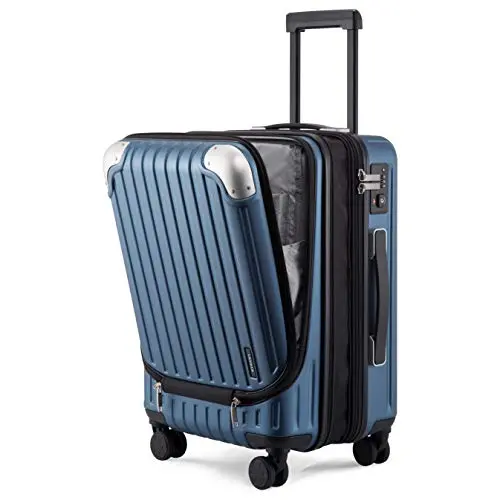
Grace Expandable Carry-On – Front Laptop Compartment for Work Trips
The carry-on for people who travel with a laptop and hate digging for it. A dedicated front compartment holds up to a 15.6-inch machine and clears security separately from your clothes, while the textured PC-and-ABS shell and eight rubber-covered wheels keep it rolling quietly through terminals.
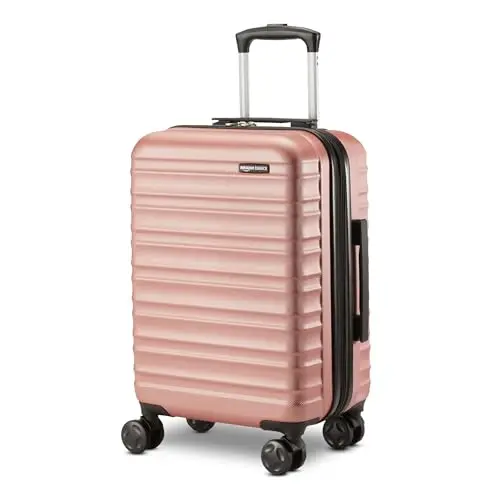
21-Inch Hardside Carry-On – Expandable Value Pick
A no-frills hardside that covers the basics well. An extra-thick shell with a scratch-resistant finish, an expansion zipper that adds meaningful room, and an interior divider with three zippered pockets keep it practical. At under seven pounds empty it stays easy to lift.
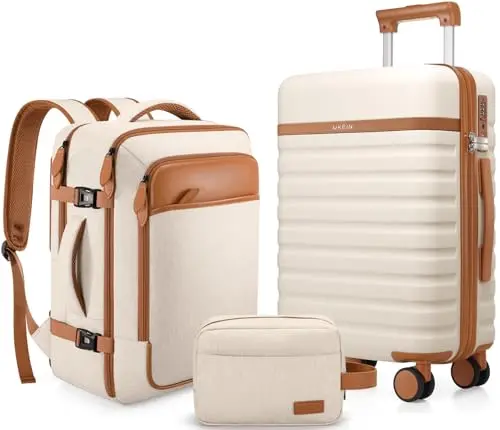
3-Piece Carry-On Set – Suitcase, Backpack, and Toiletry Bag
A matched travel kit rather than a single bag: a 20-inch polycarbonate hardside spinner, an 18-inch backpack with a trolley sleeve, and a toiletry bag. The textured shell hides scratches, and the built-in TSA lock saves you hunting for a padlock before a trip.

Sion Softside Carry-On – Expandable Front-Pocket Organizer
A softside spinner for travelers who want to reach their stuff without opening the whole bag. Two front pockets handle quick access, the expansion gusset adds room on the return trip, and a removable wet bag plus packing straps keep the interior sorted.
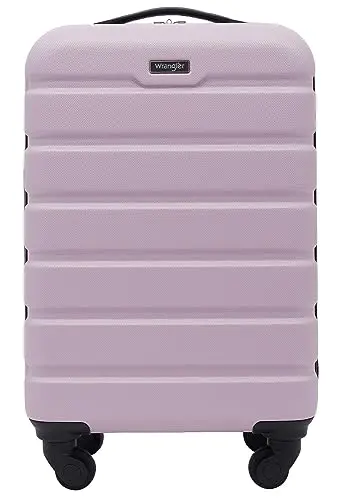
22-Inch Hardside Spinner – Budget ABS Carry-On
A light, inexpensive hardside that leans on a simple formula: an ABS shell, four in-line blade spinner wheels, and a push-button trolley handle. The fully lined interior uses adjustable compression straps to hold clothes flat.
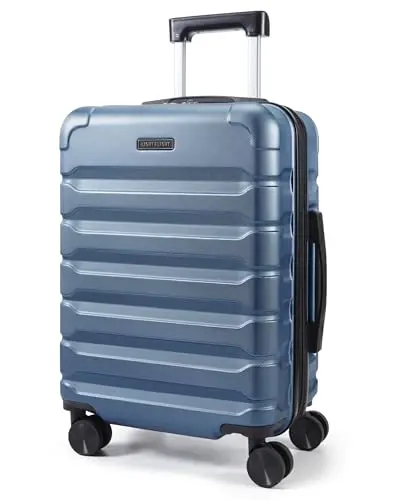
20-Inch Expandable Carry-On – Lightweight ABS Hardshell
A compact 20-inch ABS hardside with an expansion zipper that takes it from weekend bag to something closer to a week-long one. Dual interior compartments with buckle compression straps keep packing organized, and the three-stage handle adjusts for different heights.
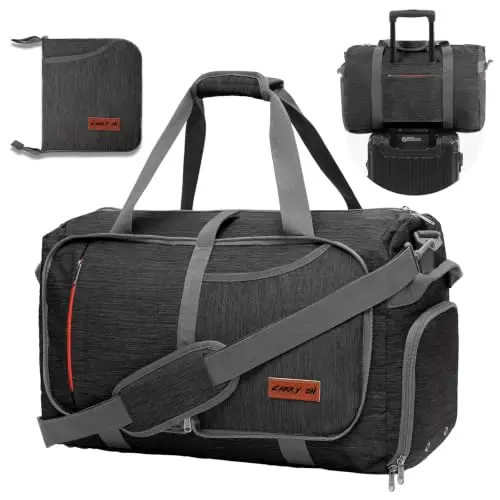
40L Carry-On Duffle – Wheel-Free Weekend Option
A soft, unstructured 40L duffle sized to the common 22-by-14-by-9 carry-on envelope. Shoulder straps tuck away when you want a classic duffle, a trolley sleeve slides over a rolling bag’s handle, and a vented shoe compartment keeps dirty gear separate.
How We Evaluated These Compact Carry-On Luggage
We didn’t pack these bags for a month of real trips or run them through an airline sizer at the gate. What we did: cross-referenced nine compact carry-on models from nine distinct brands across five decision axes – overall exterior dimensions, empty weight, wheel and handle hardware, internal organization, and expansion behavior. We triangulated published specifications, audited each bag’s feature set against how people actually travel with a carry-on, and weighed aggregated owner feedback where available.
The scoring framework put real-world fit (70%) ahead of feature differentiation (30%). Fit meant one question: does this bag actually behave like a compact carry-on when you’re standing at the gate? Differentiation covered the things a spec sheet hides – whether a front pocket is genuinely useful, whether an expansion zipper pushes a bag past the limits it claims to meet. We have no commercial relationship with any brand here; recommendations track fit and differentiation, not brand preference. If you fly international carriers with strict sizers, the Maxlite 5 is the safer call; if you want a hard shell with a flush lock, the Freeform is the better match.
One note on scope: compact is not the same as small. A bag can be short and still fail a sizer because its wheels and handle push the overall length past the limit, and a bag can be light and still feel unwieldy once it’s full. We treated those two failure modes as the center of the evaluation.
How to Choose the Right Compact Carry-On Luggage
1. What Actually Makes Carry-On Luggage Compact
Compact is a measurement, not a marketing word. The number that matters is the overall exterior dimension, wheels and handle included, because that’s what an airline’s sizer measures. A bag advertised as 20 inches can measure 22.5 inches overall once the wheel housings and top handle are counted. Before you buy, find the overall dimensions on the spec sheet and compare them to your airline’s published limit.
The second half of compact is empty weight. A bag that saves you an inch but adds two pounds costs you a pair of shoes in a weight-limited cabin. The lightest options here sit around five to seven pounds empty, while heavier softsides push nine. Good compact luggage buys you back both space and weight.
2. Packing Dimensions vs. Overall Dimensions in Compact Carry-Ons
Manufacturers list two numbers, and conflating them is the single most common carry-on mistake. Packing dimensions describe the interior box; overall dimensions include the frame, wheels, and handle. A 19.5-inch packing dimension can easily become 21.25 inches overall. Airlines measure the outside of the bag, always.
If you fly a mix of carriers, size to the strictest one you use. Several international carriers set limits that a standard 22-inch domestic spinner will not clear, which is exactly why compact 19- to 20-inch cases exist. If your travel is mostly domestic mainline flights, a standard spinner is usually fine and you’re giving up interior space for nothing.
3. Softside vs. Hardside: Picking the Right Compact Carry-On Build
Softside bags flex, which matters when you’re forcing one into a full overhead bin, and they usually add exterior pockets you can reach without opening the main compartment. The tradeoff is that fabric and zippers take the wear, and an empty softside won’t protect fragile contents. A softer option like the Sion leans hard into organization with front pockets and an expansion gusset.
Hardside shells resist rain, crush, and the general abuse of a conveyor belt, and they hold their shape on the carousel. ABS is the lighter, less expensive material; polycarbonate and polypropylene cost more and generally handle impact better. Neither is invincible, and zipper quality matters as much as the shell on any hard case.
4. Wheels, Handles, and the Weight Tax
Four spinner wheels let you roll the bag upright at your side. Two inline skate wheels roll it tilted behind you and are simpler and lighter. The tradeoff is real: spinners add hardware and a little width, but they take the load off your wrist. Eight-wheel setups, with two wheels per corner, track better over carpet and rough pavement.
Handles are where compact bags quietly fail. Look for a telescoping handle with multiple stops, since a single-height handle forces taller travelers into an awkward pull, and a wobbly one makes a light bag feel unstable. If minimizing weight is the whole point, the Maxlite 5 is the reference point in this lineup.
5. Entry-Level, Mid-Range, and Premium Carry-On Tiers
Entry-level carry-ons typically use ABS shells, basic single-height handles, and simpler interiors. They’re fine for a handful of trips a year, and the savings are real. A budget hardside like the 21-inch Amazon Basics still gives you expansion and an organized interior without asking for much.
Mid-range bags add better wheels, textured polycarbonate shells, TSA locks, and more thoughtful interiors. Premium tiers buy lighter materials, stronger warranty commitments, and hardware that stays tight after years of use. The honest question is frequency: if you fly a handful of times a year, mid-range is usually the sweet spot, and the extra spend buys durability you’ll notice rather than features you won’t.
6. Expansion Zippers and Pocket Layout: Where Compact Bags Get Complicated
An expansion zipper adds one to two inches of depth, which is genuinely useful on the return leg. It also pushes a compliant bag past the limit it was designed to meet, so plan on checking it once expanded. Front-access compartments, like the one on the Grace, are worth the small volume penalty if you travel with a laptop.
Packing discipline does more for a compact bag than any single feature. Packing cubes compress soft items and keep a 38-liter interior from turning into a jumble. Two medium cubes plus a toiletry kit will cover a five-day trip in most of the bags here.
Frequently Asked Questions
1. Are compact carry-on suitcases actually smaller than standard ones?
Usually, yes, but only by an inch or two in each direction. A standard domestic carry-on measures roughly 22 by 14 by 9 inches overall. A compact model usually lands closer to 19 to 20 inches in the case, with overall dimensions around 21 to 22 inches once wheels and handles are counted. That gap is what clears stricter international limits and some budget-carrier sizers.
The catch is volume. Compact bags give up a few liters compared with a full-size carry-on, so packing discipline matters more. If you fly mostly domestic mainline carriers, a standard 22-inch bag is generally fine.
2. Travelpro Maxlite 5 vs. Samsonite Freeform: which compact carry-on should you pick?
They solve the same problem differently. The Maxlite 5 is softside and about 5.1 pounds, sized below standard carry-on limits so it clears tighter international sizers, and it carries a limited lifetime warranty. The Freeform is a 21-inch hardside at roughly 6.5 pounds, with a recessed TSA lock and multi-directional double spinner wheels.
Pick the Maxlite 5 if weight and sizer clearance are your priorities. Pick the Freeform if you want hard-shell protection and a flush lock. Both see reports of zipper and handle wear, so neither is a buy-it-once proposition.
3. Is the LEVEL8 Grace worth the step up from a basic hard shell?
If you travel with a laptop, probably. The front-access compartment holds a 15.6-inch machine flat and separate from clothing, which changes how fast you move through security. The textured PC-and-ABS shell and eight rubber-covered wheels are also a step above entry-level hardware.
What you give up is weight, at about nine pounds empty, plus simplicity. A basic ABS hardside like the Amazon Basics 21-inch is lighter, less expensive, and easier to replace. The Grace earns its place only if that front pocket gets used on every trip.
4. Do compact carry-on bags work for a week-long trip?
They can, but it depends on the trip. A 38- to 40-liter interior, common in this class, holds roughly four to five days of clothing if you pack flat and use cubes. Expansion zippers add a little more, though an expanded bag often exceeds carry-on depth limits and has to be checked.
Laundry access is the real variable. If you can wash mid-trip, a compact bag covers a week comfortably. If not, expect to pack tighter or move up a size.
5. Can a carry-on duffle replace a suitcase?
For short trips, yes. A 40L duffle like the Canway sits in the same 22-by-14-by-9 envelope as a carry-on suitcase and adds a vented shoe compartment and a trolley sleeve that lets it ride on your rolling bag. It also folds away when you’re not using it.
What it lacks is wheels. Once it’s full, the weight sits on one shoulder, which gets old on a long terminal walk. Treat it as a weekend or backup bag rather than a full suitcase replacement.
Final Verdict
For most travelers, the Maxlite 5 is the compact carry-on to buy. It’s the lightest bag here that still clears the tighter size limits some international carriers enforce, and its warranty backs it in a way most rivals don’t. If you’d rather have a hard shell, the Freeform gives you protection, a flush TSA lock, and double spinner wheels without much added weight. Traveling with a laptop? The Grace earns its extra pounds with a front compartment you’ll actually use. And if budget is the deciding factor, the Amazon Basics 21-inch delivers expansion and an organized interior without asking much. Whatever you choose, measure the overall dimensions against your airline before you pack. That’s the step most people skip.
