
Best Cordless Clothes Irons – 2026 Reviews

A cordless clothes iron sounds like a small upgrade until you use one on a real shirt. The cord stops snagging on the board, you can turn the garment without wrestling a cable, and the whole task feels less like a chore and more like a quick press. Then the base beeps, the soleplate cools, and you remember why cordless irons have a learning curve.
The best cordless clothes irons earn their freedom by recovering heat quickly, gliding cleanly, and making the handoff to the power base feel natural. That’s the dividing line in this category: not just whether the iron can go cordless, but whether it can do so without turning a five-minute touch-up into a stop-start session. Steam output and soleplate shape matter too, especially if you sew, quilt, or press garments with seams and collars.
We looked across the market at cordless clothes irons from the major names in this space, comparing how each handles the cordless rhythm, fabric variety, and storage. The goal isn’t to crown the most feature-packed model. It’s to match you with the iron that suits the way you actually press clothes.
Best Cordless Clothes Irons – 2026 Reviews
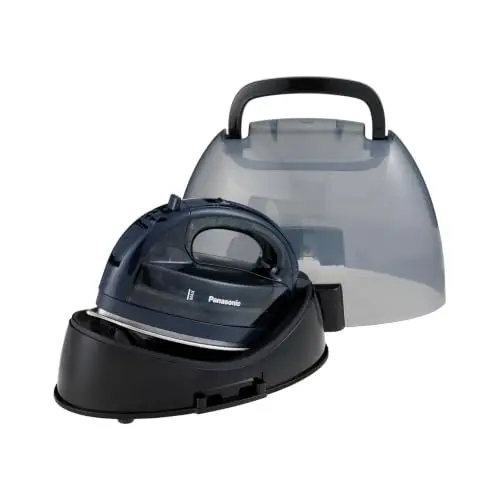
NI-WL700A – 360-Degree Cordless Freedom
A 1500W cordless steam-and-dry iron built around a 360-degree Freestyle soleplate. It heats quickly, runs on a power base, and snaps into a heat-resistant case for storage or quilting meet-ups.
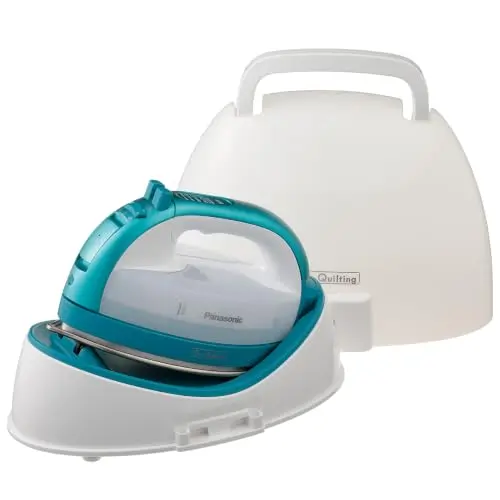
NI-QL1000G – Precision Cordless for Quilting
A 1500W cordless steam-and-dry iron with a double-tipped, nickel-coated stainless soleplate. The retractable-cord power base and anti-calc system suit detailed sewing, quilting, and vertical steaming.
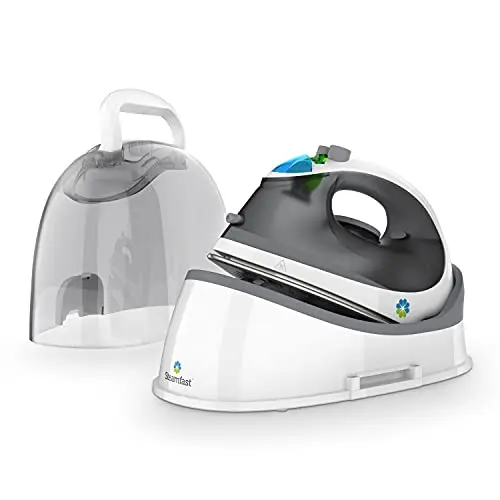
SF-760 – Portable Cordless with Travel Case
A 1200W cordless steam iron with dry and steam modes, spray mist, burst steam, and vertical steam. It ships with a carrying case and measuring cup for travel or storage.
How We Evaluated These Cordless Clothes Irons
We didn’t run controlled ironing trials across every fabric type or measure soleplate temperature with lab equipment. What we did: cross-referenced 3 cordless clothes irons from 2 distinct brands across 5 decision axes – cordless heat retention, soleplate glide and precision, steam output, portability and storage, and safety features such as auto-off. We triangulated published specifications, feature sets, owner feedback where available, and use-case fit, then mapped each model to realistic scenarios: everyday household pressing, quilting and sewing detail work, and travel or small-space use.
The scoring framework weighted real-world fit (70%) – how well each iron handles its intended cordless rhythm and fabric mix – against feature differentiation (30%) – soleplate shape, steam controls, base design, and included accessories. We also audited practical extras like carrying cases, water tanks, cord storage, and warranty terms, because those details shape whether a cordless iron actually earns counter space. We also checked how each base stores its cord and whether the carrying case feels like an afterthought. We have no commercial relationship with any of the brands featured; recommendations track fit and differentiation, not brand preference. If you want the most complete everyday cordless iron, the NI-WL700A is the pick; if precision quilting is the priority, the NI-QL1000G is the better match. A cordless iron is only as good as its base and heat recovery, so we weighed how each model handles the back-and-forth between pressing and reheating.
How to Choose the Right Cordless Clothes Irons
1. Cordless Clothes Irons: The Power Base Is the Real Engine
A cordless clothes iron swaps the trailing cord for a power base that heats the soleplate between passes. That changes the rhythm of ironing: you press for a short window, set the iron back on the base, then pick it up again. The best models recover heat quickly and make that handoff feel natural rather than annoying.
Pay attention to heat recovery and the length of the reheat cycle. A fast base can make a cordless iron feel nearly as continuous as a corded one; a slow base turns a simple shirt into a stop-start chore. This is the single biggest split between satisfying cordless clothes irons and fussy ones.
2. Soleplate Shape and Glide Matter for Cordless Clothes Irons
The soleplate material affects glide, but shape matters just as much. A double-tipped soleplate lets you move forward, backward, and sideways without lifting the iron, which is why freestyle designs appeal to quilters and sewists. A curved or contoured plate also helps around buttons, seams, and collars.
If your ironing is mostly quick touch-ups, a simpler plate is fine. If you do precision work on quilt blocks or handmade garments, look for a pointed tip and a plate that doesn’t drag. If that’s your priority, the NI-QL1000G is the pick in this lineup.
3. Steam Output, Vertical Steaming, and Water Handling
Steam is where cordless irons separate. Look for steam vents that spread across the soleplate rather than a narrow cluster, and check whether the iron offers vertical steaming for hanging garments or curtains. A spray mist or burst setting helps with stubborn wrinkles, but steady steam matters more for daily use.
Water handling is the quiet make-or-break feature. An anti-calc system protects fabrics from mineral stains, while anti-drip design keeps cold-water spots off delicates. A water tank that is easy to fill and see through saves time, and leakage complaints are a reminder to check the seal design and warranty terms.
4. Heat Retention and Reheat Cycles: The Real Cordless Tradeoff
Every cordless clothes iron asks you to accept a heat retention tradeoff. You gain freedom from the cord, but you give up the endless heat of a corded model. The practical question is how long the iron holds temperature and how often you need to park it back on the base.
For light loads, a short dry-iron window is plenty. For a basket of cotton shirts or linen, look for a model that reheats fast and has clear temperature settings so you aren’t guessing. If you want the most complete everyday balance, the NI-WL700A fits that brief better than the rest here.
5. Portability, Storage, and Safety Features
If the iron will travel, a carrying case and a base that locks together matter more than extra steam modes. A lightweight build helps, but too light can mean shaky heat retention. Check the footprint too: cordless irons need counter space for the base, even when the iron itself is compact.
Safety features are not glamorous, but auto-off is worth having if you iron in short bursts or get interrupted. A warranty also matters here because cordless bases and water chambers are the parts most likely to cause trouble over time. Read the care instructions and keep the soleplate clean to protect glide.
Frequently Asked Questions
1. Are cordless clothes irons as hot as corded irons?
Usually close, but not identical in practice. A cordless clothes iron can reach the same temperature settings, yet it relies on a power base to recover heat between passes. The reheat cycle and heat retention determine whether it feels as steady as a corded model. For light and medium loads, the difference is minor; for long cotton or linen sessions, expect to park the iron on its base more often.
2. How does the Steamfast SF-760 compare with the Panasonic NI-WL700A for travel?
The SF-760 leans harder into the travel brief with a carrying case, measuring cup, and a simpler cordless setup. The NI-WL700A is the more polished all-rounder, with a 360-degree soleplate, fast heat-up, and a heat-resistant case that snaps onto the base. For travel where you want the most predictable heat and steam, the NI-WL700A is the safer pick; the SF-760 makes sense if lightweight portability and a lower-cost travel companion matter more than consistency.
3. Is the Panasonic NI-QL1000G a better choice than the Steamfast SF-760 for quilting?
Yes, for quilting and sewing detail work. The NI-QL1000G has a double-tipped soleplate that moves naturally in any direction, plus an anti-calc system and steam vents along the plate for even coverage. The SF-760 is more of a general travel iron, and its heat retention and steam output are less consistent. If precision is the goal, the NI-QL1000G is the stronger tool.
4. Do cordless clothes irons leak or drip?
Some do, especially if the water tank seal or anti-drip system is weak. Look for an anti-calc system and a leak-proof design, and treat owner feedback about water chamber cracks as a caution rather than a universal flaw. No cordless iron is completely immune, so buy from a brand with a clear warranty and return path.
Final Verdict
For most buyers, the NI-WL700A is the answer – it nails the cordless rhythm with a 360-degree soleplate, quick heat-up, and a carrying case that makes storage easy. It isn’t immune to the category’s heat-retention tradeoff, but it balances everyday pressing better than the alternatives here. If quilting and precision work are your main reason for going cordless, the NI-QL1000G gets you the double-tipped soleplate and anti-calc system that make detail work easier. And if you want a simple travel companion with a case and a lower-cost footprint, the SF-760 is worth a look, provided you keep expectations in check on heat retention and long-term reliability. Start with the iron that matches your ironing rhythm, not the one with the longest feature list.
