
Best Dehumidifiers For Crawl Space Under House – 2026 Reviews

A crawl space under a house is a moisture trap with a long memory. Cool soil, humid outside air, and limited airflow let dampness settle into joists, insulation, and stored boxes until the whole floor above feels clammy. The fix is not just a bigger dehumidifier; it is a unit that can live in that awkward, low-clearance space and keep draining without someone crawling in to empty a tank.
The wrong pick usually fails on installation rather than specs. A basement dehumidifier with a bucket is miserable under a house, and an oversized commercial box may not fit through the access hatch. The better options balance real moisture removal against cabinet depth, continuous drainage, and auto defrost behavior in cool air.
We compared the serious cross-brand choices for crawl space duty, focusing on how each one handles damp air, tight access, and permanent drainage. The goal is simple: help you choose the unit that fits your actual crawl space, not the one with the loudest marketing sheet.
Best Dehumidifiers for Crawl Space Under House – 2026 Reviews
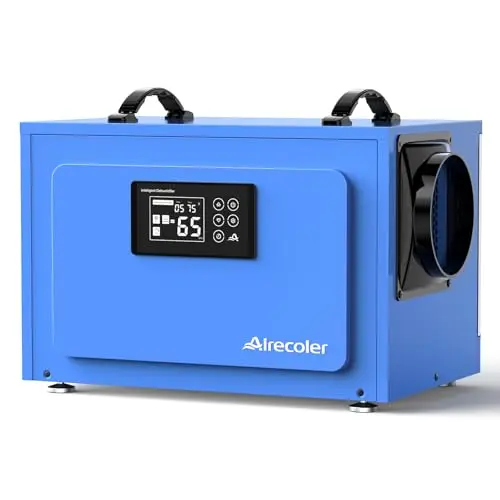
GT-X5 – Compact Commercial Crawl Space Unit
A commercial-grade crawl space dehumidifier built around a compact metal body. It pairs high moisture removal with a low-clearance footprint, continuous drain hose, auto defrost, and restart memory for power interruptions.
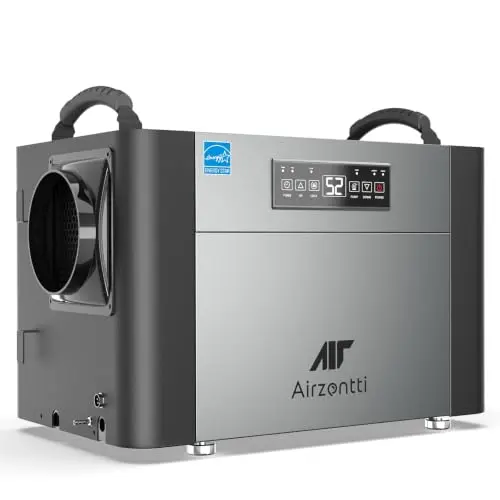
ACD155P-PG100(B) – Large-Space Pump Drain Dehumidifier
A high-capacity commercial dehumidifier with a built-in pump, duct collar, and Energy Star operation. It is aimed at large crawl spaces, basements, and water-damage jobs where drainage must travel upward or across distance.
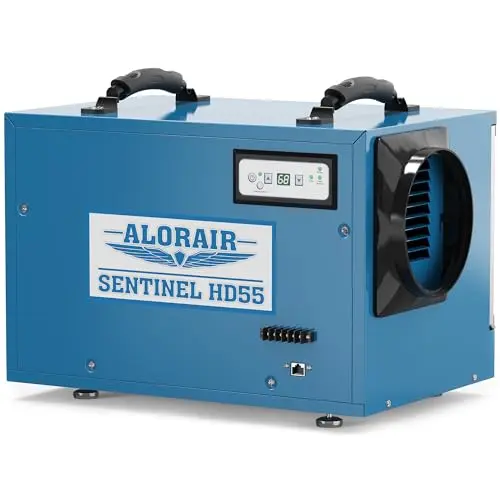
Sentinel HD55 – Tankless Crawl Space Workhorse
A dedicated crawl space and basement dehumidifier with a tankless design, MERV-1 filter, and automatic defrost. Its compact metal cabinet and drain-hose setup are made for low-clearance spaces where manual emptying is not practical.
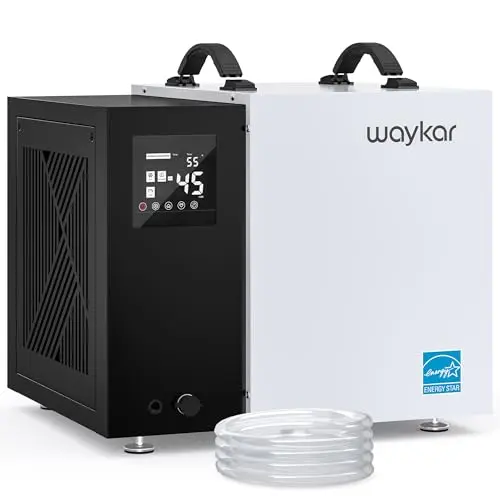
AFW1.5DPM – Pump-Equipped Crawl Space Unit
A pump-equipped crawl space dehumidifier with a metal body, wide humidity range, and Energy Star operation. It is designed for spaces up to 5,000 sq. ft. and includes both pump and gravity drain hoses for flexible installation.

JD025CE-80 – Budget-Friendly Basement Drying
A budget-friendly basement dehumidifier with Energy Star operation, auto swing airflow, and both tank and hose drainage. It is a simpler option for crawl spaces only when a reliable gravity drain and modest expectations are in place.
How We Evaluated These Dehumidifiers for Crawl Space Under House
We didn’t install these units under a house or run controlled moisture-removal tests across a full crawl space season. What we did: cross-referenced 5 dehumidifiers from 5 brands across six decision axes – moisture removal at crawl-space conditions, low-clearance fit, drainage method, defrost and low-temperature behavior, build and warranty support, and owner feedback where available. We triangulated published specifications, feature sets, and use-case fit against the realities of joist bays, access hatches, and gravity drain routes. We also audited the practical details that decide whether a unit gets installed properly: cabinet dimensions, service clearance, hose length, and whether the drain can be made permanent.
The scoring framework weighted real-world fit (70%) – how well each unit handles a damp crawl space without constant fussing – against feature differentiation (30%) – pump capability, filtration, footprint, and controls. We weighed installation friction as seriously as raw pints-per-day numbers, because a unit that cannot drain reliably will not solve the problem. We have no commercial relationship with any brand here; recommendations track fit and differentiation, not brand preference. If you need a compact all-rounder, the Airecoler GT-X5 is the first unit we would route you toward; if your crawl space is large or drainage must go uphill, the Airzentti ACD155P-PG100(B) earns the premium call.
How to Choose the Right Dehumidifiers for Crawl Space Under House
1. Start With Moisture Load and Crawl Space Size
Crawl space dehumidifiers are rated in pints per day, but the headline number can mislead. A saturation rating is measured at hot, near-100% humidity; an AHAM rating is closer to real basement conditions. For a crawl space under a house, use the AHAM number as your anchor, then size up if the space is open to vents, has exposed soil, or stays damp year-round.
Square-footage claims deserve skepticism too. A 1,200 sq. ft. rating and a 7,500 sq. ft. rating can both be technically true under different conditions. Match capacity to the actual moisture load: damp soil, groundwater, laundry exhaust, and outside air all add work.
2. Low-Clearance Fit and Placement in a Crawl Space
Measure the access hatch before you fall in love with a spec sheet. Cabinet depth and weight decide whether you can get the unit into the space without disassembling the doorway. Once inside, leave service clearance for the filter, drain, and controls; a great dehumidifier that is buried behind pipes is a future headache.
Some units can sit on a pier, hang between joists, or use a duct collar to move air into a dead corner. Any of those approaches can work, but the installation needs to match the manual and the way your access hatch actually opens.
3. Drainage Options That Work Under a House
A crawl space dehumidifier should drain continuously, because a tank you have to empty is a chore you will skip. A gravity drain is the simplest route when the hose can slope downward to a safe exit. If the outlet is uphill or far away, a built-in pump is the feature that makes the installation possible.
Pay attention to lift height and hose length, not just the presence of a pump. If gravity drainage is impossible, the Waykar AFW1.5DPM is the pick to start with because its pump is built for vertical lift.
4. Auto Defrost and Cool-Weather Crawl Space Performance
Crawl spaces run cooler than living rooms, and that changes how a dehumidifier behaves. Auto defrost matters because coils can frost up when the air is chilly, reducing performance until the unit clears itself. A machine without it may work hard and deliver less in the shoulder seasons.
Low-temperature operation is not the same as winter use, but it is a useful signal for cool, damp conditions. Look for clear defrost behavior and realistic operating ranges rather than an optimistic capacity headline.
5. Build Quality, Filtration, and Warranty Support
Crawl spaces are dusty, cramped, and easy to neglect, so construction details matter. A metal casing generally resists dents and moisture better than thin plastic. A washable filter or replaceable MERV-style filter protects the coils and keeps the unit from losing airflow.
Warranty coverage varies widely and is often split between the whole unit and the refrigeration system. Read the details, keep the receipt, and register the unit if the brand requires it. The price tier usually tracks capacity, pump hardware, and warranty length rather than fit.
6. Airecoler GT-X5 vs ALORAIR Sentinel HD55 for Crawl Space Use
Both are compact metal units aimed at low-clearance spaces, but they solve the problem differently. The Airecoler GT-X5 offers more capacity from a similar footprint, making it easier to justify in a larger or wetter crawl space. The ALORAIR Sentinel HD55 is a more modest dedicated unit with a MERV-1 filter, simple tankless drainage, and a 6-year limited warranty.
If you want more capacity in the same footprint, choose the Airecoler GT-X5. If a MERV-1 filter and a longer limited warranty matter more, the ALORAIR Sentinel HD55 is the pick.
Frequently Asked Questions
1. What size dehumidifier do I need for a crawl space under a house?
The honest answer starts with the AHAM rating, not the headline pint count. A crawl space under a house often sits cooler and more stable than a hot garage, so the saturation number can flatter a unit. Use the AHAM figure to compare models, then add capacity for exposed soil, open vents, or a history of standing water. Square footage is only a rough guide; the real variable is moisture load.
2. Airecoler GT-X5 vs Waykar AFW1.5DPM: Which is better for a crawl space?
The Airecoler GT-X5 is the stronger default for most crawl spaces because it pairs a higher capacity with a compact metal body and simple continuous drainage. The Waykar AFW1.5DPM makes more sense when the drainage path is the hard constraint, since its built-in pump can lift condensate vertically. If you have a gravity drain and a smaller space, the Waykar saves you complexity; if capacity and footprint both matter, the Airecoler GT-X5 is the pick here.
3. Airzentti ACD155P-PG100(B) vs ALORAIR Sentinel HD55: Which handles larger crawl spaces?
The Airzentti ACD155P-PG100(B) is built for bigger moisture loads: its 155-pint maximum rating and 7,500 sq. ft. coverage claim outclass the ALORAIR on paper, and the built-in pump solves uphill drainage. The ALORAIR Sentinel HD55 is the more modest, crawl-space-specific unit with a MERV-1 filter and a smaller coverage envelope. For a large or wet crawl space, go Airzentti; for a smaller space with gravity drainage, ALORAIR is easier to justify.
4. Do crawl space dehumidifiers need a pump, or is gravity drain enough?
Gravity drainage is enough if the crawl space has a downward slope to a safe exit and the hose can stay clear. A built-in pump is worth it when the outlet is uphill, far away, or above the unit, because lift height decides whether condensate actually leaves. Pumps add a service point, so plan service access and check the drain line periodically. A gravity drain has fewer failure points, but only if the route works.
5. Are commercial dehumidifiers safe for a home crawl space?
Yes, provided the unit carries the right safety marks and is installed per the manual. Look for cETL listing, TUV compliance, and Energy Star certification where efficiency matters. Commercial-grade crawl space units are often tankless and set up for continuous drainage, so follow the manufacturer instructions for circuit and drain requirements. Do not treat a commercial label as a substitute for proper service clearance.
Final Verdict
For most crawl spaces under a house, the Airecoler GT-X5 is the right starting point. It has the compact metal footprint crawl spaces demand, enough capacity to dry a damp joist bay, and the practical controls – auto defrost, continuous drain, restart memory – that keep it running without babysitting. If the budget is tight and you have a reliable gravity drain, the Waykar JD025CE-80 gets you basic moisture control for less, provided you accept the no-pump, plastic-body tradeoffs. And if the space is large or the drain must climb, the Airzentti ACD155P-PG100(B) is the premium answer with a built-in pump and big airflow. The common thread: prioritize drainage and low-clearance fit over flashy extras.
