
Best Duvet Clips – 2026 Reviews

A duvet cover that looks crisp at bedtime can turn into a loose sack of fabric by morning. The comforter slides toward one corner, the cover sags, and you spend the first minutes of the day shaking everything back into place. Duvet clips are a small fix for an annoying problem, but they are not all the same. The attachment style matters most: padded clips, mushroom pins, and magnetic fasteners each solve the problem in a different way.
The second decision axis is fabric safety. A clip that holds too hard can leave marks or pull threads, while one that barely grips lets the insert drift. You also need to think about duvet thickness, cover material, and how often you change bedding. This guide surveys the category across brands and focuses on which style suits which sleeper, rather than pushing one label as the default answer.
Best Duvet Clips – 2026 Reviews
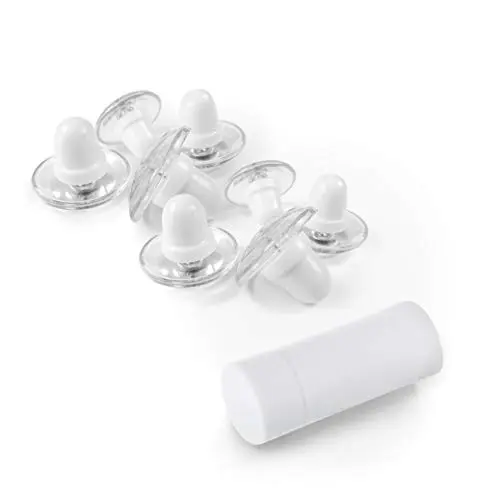
Clear Magnetic Duvet Clips – Easy-Release 8-Pack
A magnetic pin set with a dedicated release key, designed to hold comforters, duvets, and lightweight bedding without a visible clip on top. The eight-pin pack covers two beds, and the clear finish keeps the hardware discreet.
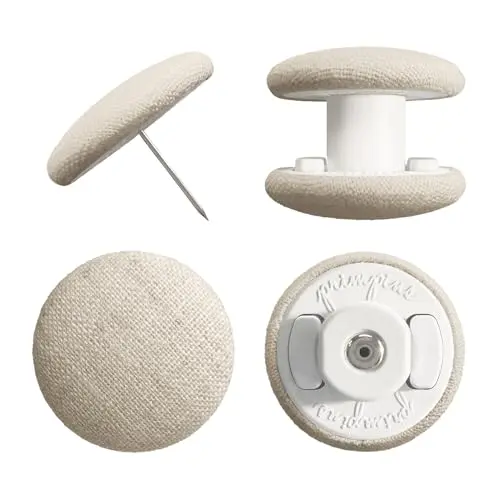
Classic Linen Duvet Clips – Quick-Release Steel Lock
A quick-release pin set with a steel-core locking mechanism and a linen-cotton fabric cap. The four-pin pack is aimed at buyers who want a more finished look and tool-free removal.
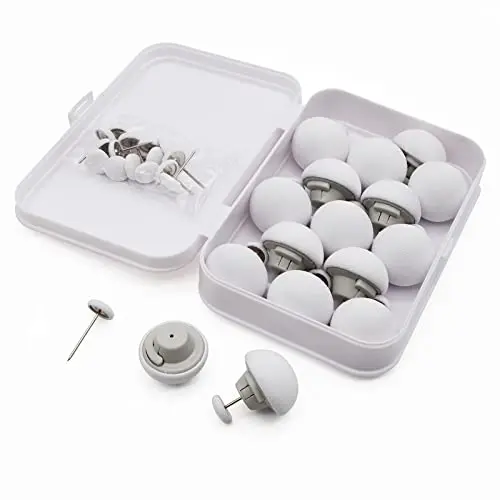
Mushroom Duvet Pins – 16-Set One-Click Fasteners
A 16-set mushroom-style duvet pin system with one-click release and a soft cotton surface. The long nails suit thicker quilts, cushions, and curtains.
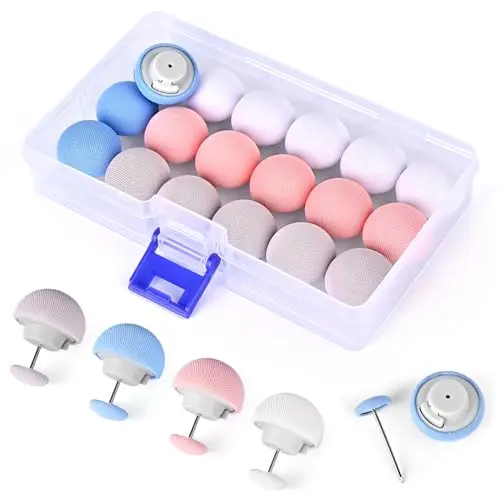
Color-Coded Duvet Pins – 20-Piece Mushroom Set
A 20-piece color-coded mushroom pin set with stainless steel pins and a compact storage box. The mixed colors make it easy to sort bedding sets or share pins across rooms.
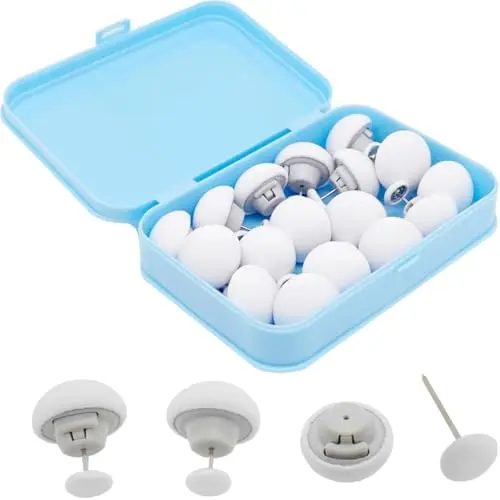
Duvet Pins with Storage Box – 20-Piece Mushroom Set
A 20-piece white mushroom pin set that includes a storage box. The cotton-surface caps and stainless steel pins are designed for duvets, quilts, cushions, and curtains.
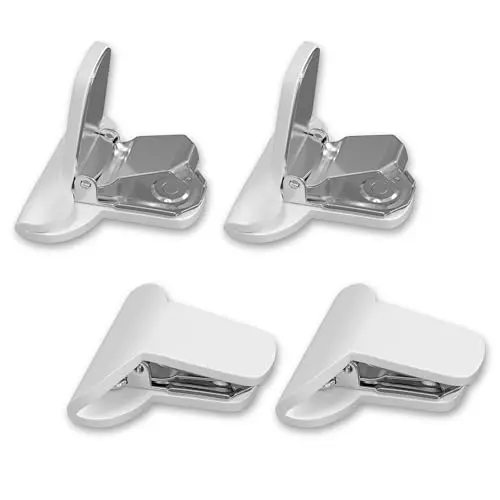
Comforter Clips – Padded Steel 4-Pack
A four-pack of padded comforter clips with a steel grip and EVA foam padding. The concealed design is meant to hold duvet corners without changing the look of the bed.
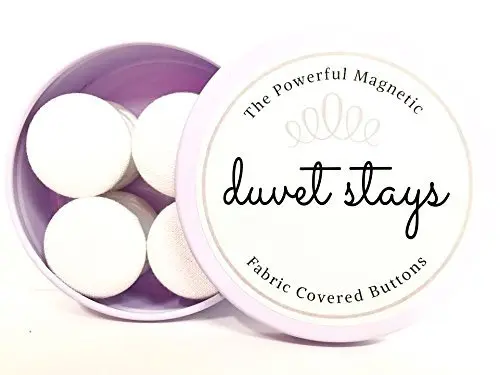
Magnetic Duvet Stays – Cotton-Covered 4-Pack
A set of four magnetic, cotton-covered duvet fasteners designed to pin a comforter to its cover. The button-like rounds add a softer look than plastic clips.
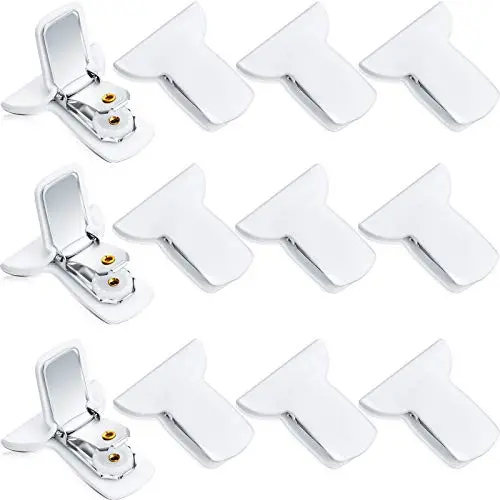
Padded Comforter Clips – 12-Piece White Set
A 12-piece set of white padded comforter clips with foam-coated jaws. The low-profile clips are sized for standard duvets and bedding.
How We Evaluated These Duvet Clips
We didn’t run overnight sleep trials or repeated wash-cycle durability tests. What we did: cross-referenced 8 duvet clip models from 8 distinct brands across 5 decision axes – attachment mechanism, holding strength, fabric gentleness, install-and-removal ease, and pack size and versatility. We triangulated published specifications, audited feature sets, and weighed owner feedback where available, then mapped each option to common bedding setups such as thick comforters, lightweight inserts, and king-size covers.
The scoring framework weighted real-world fit (70%) – how reliably a clip keeps a duvet aligned without damaging fabric – against feature differentiation (30%) – magnetic keys, quick-release mechanisms, padding, color options, and multi-use flexibility. A clip earned credit for clear installation logic, secure hold, and a low profile under the cover; it lost ground when the mechanism seemed fussy, the grip looked harsh on fabric, or the pack size forced awkward compromises. We also separated clips that suit standard comforters from those that make more sense for thick winter bedding or multi-bed households, because the right answer changes with the duvet.
We have no commercial relationship with any of the brands featured; recommendations track fit and differentiation, not brand preference. If you want the most balanced magnetic pin set, the Pinion Pins Clear Magnetic Duvet Clips is the strongest all-around choice; if you prefer a tool-free quick-release pin with a softer fabric cover, the Primpins Classic Linen is the better match.
How to Choose the Right Duvet Clips
1. How Duvet Clips Keep Comforters From Bunching
Duvet clips work by creating a small, repeated anchor point between the comforter and its cover. Most sets attach at the four corners, though larger beds often benefit from pins along the sides too. The goal is not to clamp the duvet into submission; it is to add enough tension that the insert stops shifting inside the cover as you move overnight.
Padded clips grip from the outside, mushroom pins pierce through the layers, and magnetic fasteners use two rounds that lock through fabric. Each approach has a different feel in use, and each adds a different level of visible hardware to the bed.
2. Clip, Pin, or Magnetic Duvet Clips: Which Attachment Style Wins?
Padded clips are the simplest entry point. They are easy to add, easy to remove, and generally gentle on fabric because the jaws are coated or lined. The tradeoff is bulk: cheap clips can be visible through a light cover, and the hinge can loosen over time. They suit standard comforters and buyers who want a no-learning-curve solution.
Mushroom pins use a two-piece fastener with a cap and pin. They hold firmly and sit flatter than most clips, but the pin must pass through the duvet cover, so fabric condition matters. A smooth, tightly woven cover handles pins better than a loose or delicate weave. Magnetic systems sit between the two: the hold is strong and removal is clean, but the hardware can be pricier and the backer must be kept track of. If you want the most balanced magnetic design, the Pinion Pins Clear Magnetic Duvet Clips are the pick here; for a tool-free quick release with a softer fabric cap, the Primpins Classic Linen is the stronger premium choice.
3. Fabric Safety and Holding Strength Matter More Than Bulk
A duvet clip can be strong without being harsh. Look for padded jaws or cotton-covered caps that spread pressure instead of concentrating it on one tiny point. Thin or sateen covers are more vulnerable to pulls, so a rounded pin tip and a smooth locking action matter. Thick comforters need more holding strength, but brute force is not the answer; the mechanism should stay secure without requiring you to yank it loose.
Check the pin diameter and cap size if you use a lightweight insert. A thick pin can leave a visible hole over time, while a cap that is too large may feel bulky through the cover. The best duvet clips match their grip to the bedding rather than trying to be the strongest option in every situation.
4. Pack Size, Duvet Thickness, and Bed Size
Four clips are the common starting point for a double or queen bed, but a king-size duvet often benefits from six or more anchor points. If you change covers often or have multiple beds, a larger pack is more practical than buying a second set later. Thick winter comforters also put more strain on each clip, so spreading the hold across more points reduces the load on any single fastener.
For a multi-bed household or a bedding rotation, the RITDVNI Color-Coded Duvet Pins make sense because the larger count gives you spares and the colors help you sort sets. For a single guest bed or a lightweight summer duvet, a smaller four-pack may be all you need.
5. Budget, Mid-Range, and Premium Duvet Clips
The budget tier gets you basic plastic or padded clips and simple mushroom pins. They can work well for standard bedding, but the hardware may feel lighter and the finish less refined. The mid-range tier adds better padding, stronger pins, larger packs, or more thoughtful release mechanisms. This is where most shoppers find the best balance of price and durability.
The premium tier buys nicer materials, tighter tolerances, and details like fabric-covered caps or tool-free quick releases. You are not paying for a different job; you are paying for a more pleasant version of the same job. If bedding is a visible part of your bedroom design, that finish can be worth it. If the duvet cover is always under a bedspread, spend less and focus on hold.
Frequently Asked Questions
1. Do duvet clips actually keep a comforter from shifting?
They do when the clip matches the bedding. Duvet clips work best when they anchor the cover at the four corners and, on larger beds, along the sides. A clip that grips too loosely lets the insert drift; one that grips too hard can stress the fabric. The most reliable setups combine a secure mechanism with a cover that fits the comforter properly. If the cover is oversized, even good clips have to fight extra slack.
2. Pinion Pins vs. Primpins: which duvet clips suit thick comforters?
Both can handle thick comforters, but they solve the problem differently. Pinion Pins use a magnetic key release and a backer that holds with 10 lbs of securing strength, which makes them forgiving if you change covers often. The clear pins stay discreet, and the eight-pin pack lets you add extra anchor points. Primpins use a steel-core locking mechanism with side buttons and a thin 0.9 mm pin that can pierce multiple layers cleanly. For very thick winter comforters, Primpins feels more precise; for a mixed bedding drawer and easy removal, Pinion Pins is more versatile.
3. How many duvet clips do you need for a king-size duvet?
Start with six anchor points for a king duvet and add more if the comforter is heavy or the cover is loose. Four clips at the corners can work for a lightweight summer insert, but a king-size cover has more fabric to manage. Put clips at the corners first, then add one midway along each long side if the duvet still slides. A larger pack is useful here because it lets you spread the tension instead of over-tightening one corner.
4. MQUPIN vs. RITDVNI: are mushroom-style duvet pins worth it?
Mushroom pins are worth it if you want a low-profile hold and don’t mind piercing the duvet cover. MQUPIN offers a one-click unlock, aluminum-core pins, and a soft cotton surface; the 16-set pack suits thick quilts and cushions. RITDVNI leans toward volume and color-coding, with 20 pieces and stainless steel pins. Both can keep a comforter from sliding, but the pin style demands a cover that can tolerate small puncture points. If you rotate delicate covers, a padded clip is gentler. If you want the flattest hold and easy removal, the mushroom style is the better fit.
5. Can duvet clips damage bedding or be used beyond duvets?
Damage usually comes from sharp pins, rough jaws, or too much tension on a delicate weave, not from the concept of clipping. Choose padded clips for sateen or loosely woven covers, and pins for tighter weaves that can handle a small puncture. Many sets also work on curtains, cushions, and slipcovers, but test on a hidden area first. A clip that is safe on a cotton duvet may still mark a fragile decorative fabric.
Final Verdict
For most buyers, the Pinion Pins Clear Magnetic Duvet Clips is the answer. The magnetic key makes removal clean, the hold is strong enough for everyday comforters, and the eight-pin pack gives you room to anchor a larger cover without hunting for extras. If you want a more polished, tool-free pin with a fabric cap, the Primpins Classic Linen is the premium pick. It feels more precise on thick duvets and looks better if the bedding is on display.
If you are outfitting multiple beds or want a budget-friendly volume set, the RITDVNI Color-Coded Duvet Pins cover a lot of ground. For a simple padded clip, Fresh Ideas is the familiar choice, though it is best for standard inserts. Start with your duvet thickness and cover fabric, then choose the mechanism that makes bedtime less of a tug-of-war.
