
Best Duvet Inserts For Ikea Covers – 2026 Reviews

A duvet cover gets all the attention, but the insert inside it decides whether your bed looks tailored or lumpy. That is especially true with IKEA covers, which often have a specific cut and a clean, modern look that depends on the insert filling out the corners without turning the whole bed into a marshmallow.
The right duvet insert for an IKEA cover needs three things: a size that matches the cover’s labeled dimensions, enough loft to smooth out the fabric, and a shell that feels comfortable against the skin. Warmth is the wild card. A hot sleeper and a cold sleeper can buy the same cover and need very different fills.
We looked across major brands at down-alternative, feather-down, and cotton-cover options, weighing size, fill, tabs, breathability, and care. The goal is not to crown one universal duvet insert; it is to help you choose the one that fits your cover and your sleep style.
Best Duvet Inserts for IKEA Covers – 2026 Reviews
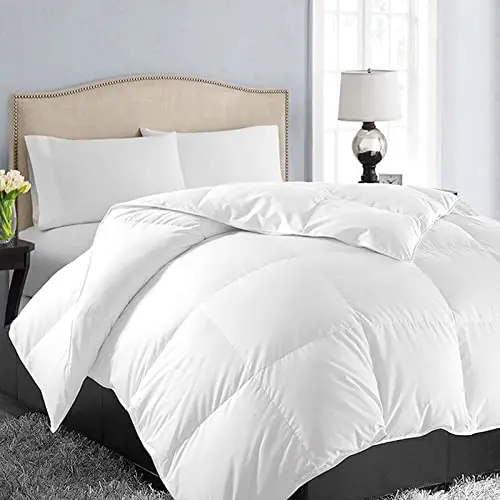
Oversized Queen Down Alternative Comforter – Extra Coverage for Queen Beds
A roomier oversized queen insert with a 300gsm whole-piece fill and brushed microfiber shell. It is built for generous drape, even warmth, and simple machine-wash care.

Queen Duvet Insert – Budget-Friendly All-Season Loft
A standard queen duvet insert with box stitching, corner tabs, and down-alternative fill. It is an entry-level workhorse for guest rooms, kids’ beds, and everyday IKEA covers.
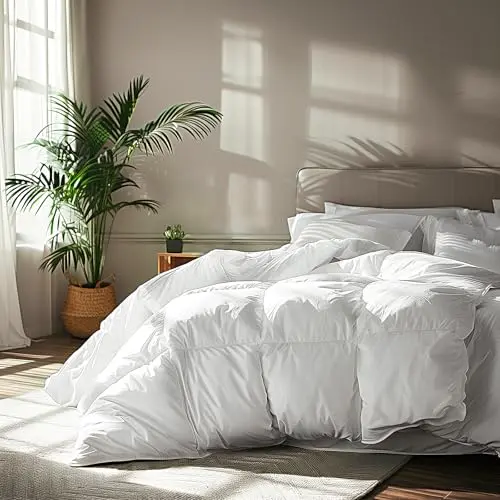
Goose Feather Down Fiber Comforter – Hotel-Style Natural Fill
A natural-fill comforter with a 100% cotton shell, feather and down fiber fill, and medium warmth. It is the hotel-style premium pick, though it requires dry cleaning.
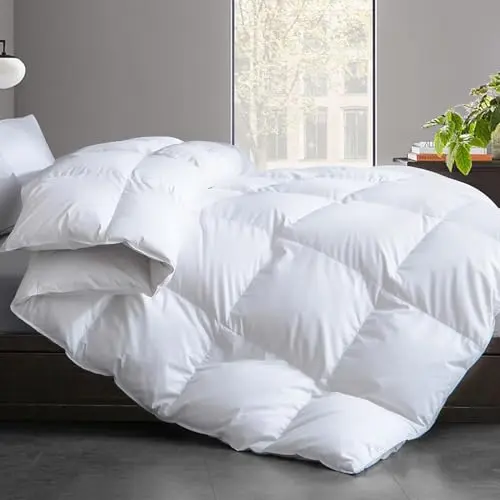
Feather and Down Fiber Comforter Insert – Cotton-Cover Natural Warmth
A cotton-cover feather and down fiber insert in a 90×90 queen size. It is OEKO-TEX certified, box stitched, and designed for medium warmth with a plush hotel feel.

All-Season Queen Duvet Insert – Anti-Clump Whole-Piece Fill
A mid-range queen duvet insert with whole-piece polyfill, eight tabs, and reversible box stitching. It is built for all-season use and easy machine washing.
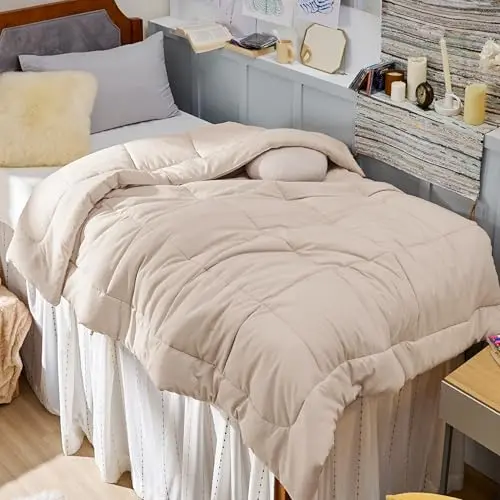
Quilted Duvet Insert – Soft Down Alternative for Dorms
A soft down-alternative duvet insert in a twin size with eight tabs and box quilting. It works as a standalone comforter or an insert for dorm and guest beds.

Lightweight Queen Duvet Insert – Breathable Budget Pick
A lightweight queen insert with 3D and 7D down-alternative fill, corner loops, and a breathable microfiber shell. It is a budget-friendly layer for warm sleepers.
How We Evaluated These Duvet Inserts for IKEA Covers
We didn’t sleep under each insert for a full season or run lab loft measurements. What we did: cross-referenced 7 duvet insert models from 7 distinct brands across six decision axes – fill type and weight, shell fabric, size and coverage, attachment tabs, care requirements, and warmth-to-breathability balance. We mapped each model against a standard 88×88 cover and a roomier oversized queen cover to see where the drape would land. We triangulated published specifications, feature sets, owner feedback where available, and use-case fit for people shopping around IKEA duvet covers.
The scoring framework weighted real-world fit and performance (70%) – how well each insert matches typical IKEA cover dimensions and sleep needs – against feature differentiation (30%) – useful details like tab count, natural versus synthetic fill, and washability. We also audited the practical side: whether an insert needs dry cleaning, arrives vacuum-compressed, or runs large enough to change the drape. We weighed feature breadth against practical friction, because an insert that looks plush but needs special care is not automatically the better buy. We have no commercial relationship with the brands featured; recommendations track fit and differentiation, not brand preference. If you want a roomier queen fit, the EASELAND Oversized Queen Down Alternative Comforter is the strongest all-around match; if you want a standard, budget-friendly insert, the Utopia Bedding Queen Duvet Insert is the easier starting point.
How to Choose the Right Duvet Insert for IKEA Covers
1. How Duvet Inserts Fit IKEA Covers
The first job is matching the insert to the cover’s labeled dimensions. An insert that is too small leaves the cover looking flat and empty at the corners; one that is too large can bunch up and make the bed feel heavy. Most standard queen duvet inserts land around a square 88×88 or 90×90, while oversized queen inserts push closer to 98×98. Neither is automatically better. It depends on whether you want a trim, tailored look or a fuller, hotel-style drape.
Pay attention to corner tabs and duvet loops. IKEA covers typically have internal ties, and a matching insert is much easier to keep in place. If your cover has a patterned or textured fabric, a smoother insert helps the pattern sit cleanly. If your cover is already roomy, a slightly larger insert can fill it out without looking sloppy.
2. Down Alternative vs Feather-Down Duvet Inserts
Down-alternative duvet inserts use polyester fiberfill and are usually the easier choice for allergy-conscious households and machine-wash routines. They tend to hold their shape well, resist clumping when box stitched, and cost less than natural fill. The tradeoff is breathability: some polyester fills sleep warmer than natural fill, especially in a hot bedroom.
Feather-down fiber inserts use a blend of feather and down fibers for a loftier, more hotel-like feel. They often pair with 100% cotton shells, which breathe better than basic microfiber. Natural fill can be a better match for cool sleepers, but check the care label. Some feather-down models are dry-clean only, and some shed feathers over time. Neither fill is universally superior; match it to your sleep temperature and tolerance for maintenance.
3. Warmth and Breathability for Duvet Inserts for IKEA Beds
All-season is a broad label. In practice, it means the insert should work across most of the year without being either a sweat trap or a thin sheet. A 300gsm fill sits in a comfortable middle ground for many bedrooms, while a lightweight insert is better for warm sleepers or summer-only use. If you sleep hot, prioritize breathable shells and moderate loft over maximum puffiness.
For an IKEA bed, the cover itself also changes the feel. A tightly woven cotton cover breathes differently from a brushed microfiber cover. If you use a duvet cover year-round, a medium-warmth insert is usually the most flexible. If you switch to a lighter blanket in summer, a warmer insert can make more sense for winter. The goal is a layer that matches your room, not a showroom display.
4. Shell Fabric, Tabs, and Care for IKEA Duvet Covers
The shell fabric affects noise, skin feel, and durability. Cotton is breathable and quiet but may wrinkle; microfiber is smoother and often more affordable but can trap heat. Piped edges and box stitching are signs of a more finished insert, and they help contain the fill. If you have a light-colored IKEA cover, a white or light insert is the safe choice because darker fills can show through.
Machine washability is a practical filter. A machine-washable insert is easier for guest rooms, kids’ beds, and anyone who wants low-fuss care. Dry-clean-only natural fill requires more commitment. Also check the number of attachment tabs: four is common, eight gives you more anchor points. If you want a generous drape and easy care, the EASELAND Oversized Queen Down Alternative Comforter is the natural route; for a simple standard queen, the Utopia Bedding Queen Duvet Insert is easier on the wallet and the wash routine.
5. Budget, Mid-Range, and Premium Duvet Inserts
Entry-level duvet inserts are usually polyester-fill models with simple box stitching and fewer tabs. They can be perfectly serviceable, especially for guest rooms or a first apartment, but expect a more moderate loft and a shorter lifespan. Mid-range inserts add better shells, more tabs, and more consistent fill distribution. Premium inserts move into cotton covers, feather-down blends, and certification details like OEKO-TEX.
The sweet spot depends on how hard the insert will work. A guest bed that gets occasional use does not need a premium natural-fill insert. A primary bed that gets nightly use and frequent washing may justify the upgrade. Look for the features that solve your specific annoyance: shifting fill, a flat-looking cover, overheating, or difficult care. The best value is the insert that fixes the problem you actually have.
Frequently Asked Questions
1. What size duvet insert fits an IKEA queen cover?
Start with the dimensions printed on the cover, not the bed size alone. Many queen duvet covers are designed around a square insert in the 88×88 to 90×90 range, while an oversized queen insert closer to 98×98 gives a fuller drape. If your cover is a roomy cut, a larger insert can look better; if it is tailored, a standard insert is less likely to bunch. Always check the corner tie placement and insert loops before buying.
2. EASELAND Oversized Queen vs. Utopia Bedding Queen Duvet Insert: which fits an IKEA cover better?
The EASELAND Oversized Queen is the better fit if you want a fuller, hotel-style look and your cover has room to drape. Its 98×98 dimensions and 300gsm fill are built to fill out a generous cover. The Utopia Bedding Queen Duvet Insert is the safer match for a standard 88×88 cover where you want a trim look and an entry-level price tier. If your cover is already loose, go with the EASELAND Oversized Queen Down Alternative Comforter; if it is standard and you want easy care, choose the Utopia Bedding Queen Duvet Insert.
3. Serta Goose Feather Down Fiber vs. Cosybay Feather and Down Fiber: which natural-fill insert is right for IKEA covers?
The Serta Goose Feather Down Fiber Comforter leans more hotel-luxury: 100% cotton shell, OEKO-TEX certification, and a medium-warmth build. The catch is dry-clean-only care and a rustling fabric. The Cosybay Feather and Down Fiber Comforter Insert is machine washable, also uses a cotton cover, and comes in a 90×90 size that gives a little extra coverage. Choose Serta for a more traditional hotel feel; choose Cosybay if washability matters more than the last bit of polish.
4. Do duvet inserts for IKEA covers need corner tabs?
They are not strictly required, but corner tabs or duvet loops make a real difference. IKEA covers usually have internal ties, and without matching loops the insert can slide down or bunch at the foot of the bed. Four tabs are common; eight tabs give more anchor points and are useful on larger or oversized inserts. If you hate wrestling with a cover every morning, prioritize tabs over a slightly higher fill weight.
5. Are down-alternative duvet inserts warm enough for winter?
Many are, but fill weight matters more than the label. A moderate-loft down alternative can work year-round in a normal bedroom, while a lightweight insert may need an extra blanket in winter. If you sleep cold, look for higher gsm fill and a shell that feels substantial. If you sleep hot, a breathable microfiber or cotton shell is more important than maximum puffiness.
Final Verdict
For most people buying a duvet insert for an IKEA cover, the EASELAND Oversized Queen Down Alternative Comforter is the best overall answer. It gives you generous coverage, even 300gsm warmth, and a low-fuss machine-wash routine without pushing into premium natural-fill territory. If you have a standard 88×88 cover and want to keep the spend modest, the Utopia Bedding Queen Duvet Insert is the value pick that covers the basics well. And if you want a cotton cover with feather-down loft and do not mind dry cleaning, the Serta Goose Feather Down Fiber Comforter is the premium route. The right call comes down to your cover’s dimensions and how much maintenance you are willing to take on.
