
Best Espresso And Coffee Makers – 2026 Reviews

Espresso at home is easy to romanticize until you are staring at a counter full of gear and a shot that tastes thin. The real divide in this category is not brand loyalty; it is how much control you want versus how much convenience you are willing to pay for. A manual machine with a steam wand rewards attention. A bean-to-cup model removes most of the guesswork. A versatile coffee maker can cover drip, iced coffee, and something espresso-adjacent without turning your kitchen into a lab.
We weighed those tradeoffs across the market, from compact pump machines to fully automatic espresso centers. The strongest options separate themselves on brew style, grind and pressure control, milk frothing, and how much counter space and cleaning they demand. If you mostly drink lattes, froth quality matters as much as pump pressure. If you want one machine for a household with mixed coffee habits, flexibility beats a narrow espresso focus.
This guide is built to help you choose from the category as a whole, not to push one logo. The right pick depends on whether you want to learn espresso, press one button, or brew a full carafe.
Best Espresso and Coffee Makers – 2026 Reviews
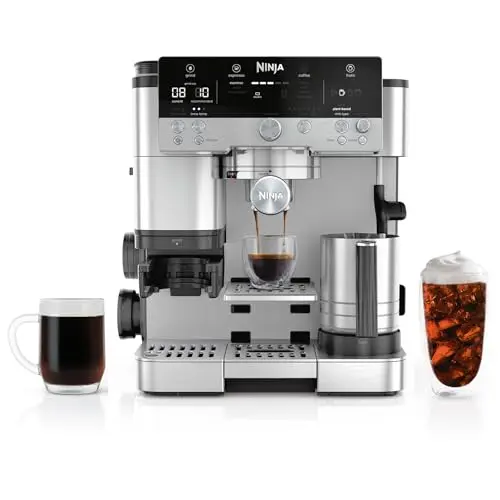
Luxe Cafe Premier ES601 – 3-in-1 Espresso and Coffee
A 3-in-1 espresso, drip, and cold brew machine with a built-in burr grinder and guided workflow. It is aimed at buyers who want cafe-style drinks without mastering every variable.
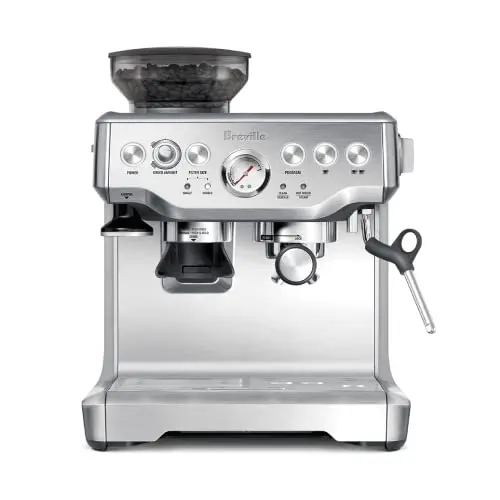
Barista Express – Built-In Grinder for Hands-On Espresso
A hands-on espresso machine with a built-in conical burr grinder, PID temperature control, and a manual steam wand. It is built for buyers who want to learn dialing in.
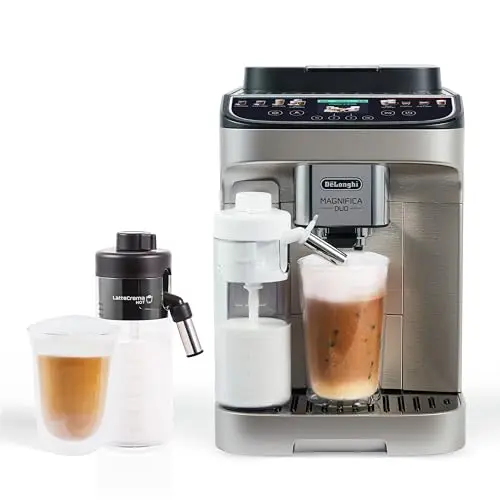
Magnifica Duo – Fully Automatic Espresso and Cold Brew
A fully automatic espresso machine with 20 one-touch recipes, built-in grinder, and hot or cold milk frothing. It is the premium convenience pick.
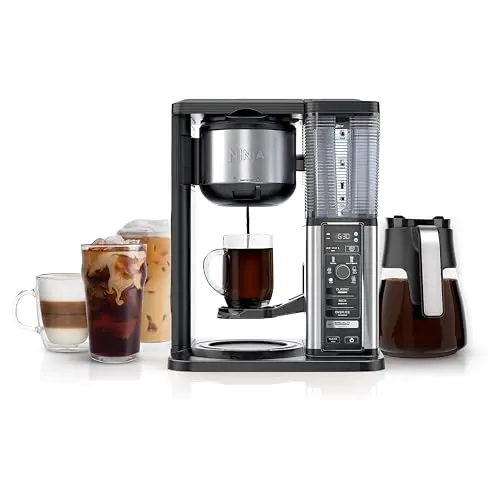
CM401 Specialty Coffee Maker – Drip, Iced, and Froth
A drip coffee maker with specialty brew styles, a fold-away frother, and six brew sizes. It is the flexible value option for coffee-first households.
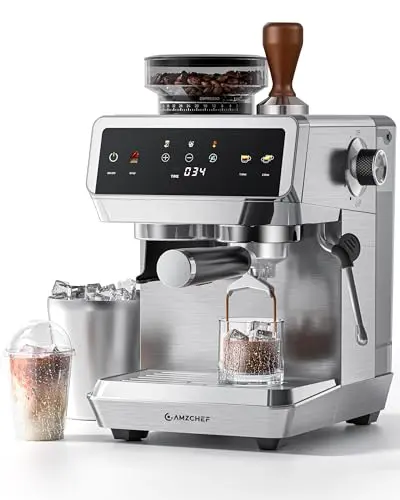
CM1626 – Built-In Grinder and Temperature Control
A compact espresso machine with a built-in grinder, 44 grind settings, temperature control, and a steam wand. It targets buyers who want grind flexibility without a separate grinder.
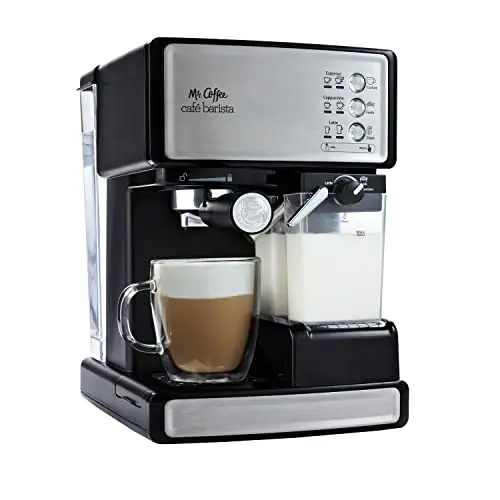
Cafe Barista – One-Touch Espresso and Lattes
A semi-automatic espresso and cappuccino machine with a 15-bar pump, automatic milk frother, and one-touch drink buttons. It is aimed at easy home lattes.
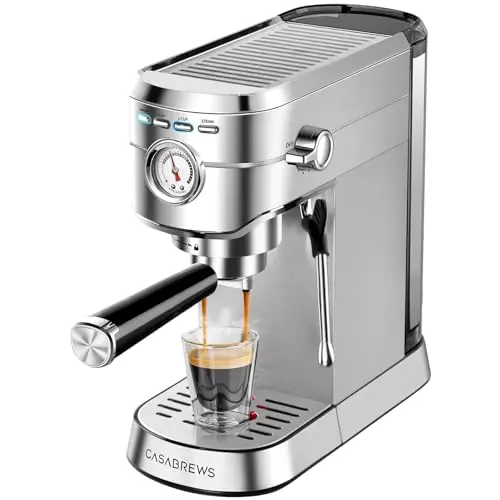
CM5418 – Compact 20-Bar Espresso with Pressure Gauge
A compact 20-bar espresso machine with a pressure gauge, steam wand, and 34-oz removable water tank. It is built for small kitchens and first-time espresso setups.
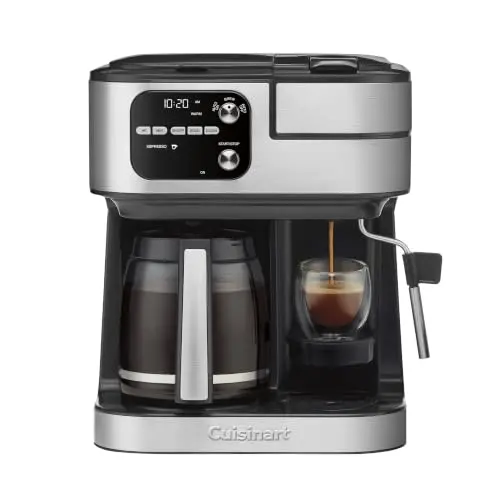
Coffee Center Barista Bar – Pods, Drip, and Espresso
A 4-in-1 coffee maker with a 12-cup drip side, K-Cup compatibility, Nespresso OriginalLine capsule support, and single-serve espresso. It is for pod and carafe flexibility.

3700 Essential – Entry-Level Espresso with Steam Wand
An entry-level 20-bar espresso machine with a steam wand, 43.9-oz removable tank, and compact stainless body. It is a basic first espresso setup.
How We Evaluated These Espresso and Coffee Makers
We didn’t run lab extraction tests or measure pressure at the group head. What we did: cross-referenced 9 espresso and coffee maker models from 7 distinct brands across 5 decision axes – brew style, grind and pressure control, milk frothing, capacity and footprint, and cleaning routine. We triangulated published specifications, audited feature sets, and weighed owner feedback where available alongside use-case fit for different coffee routines.
The scoring framework weighted real-world performance (70%) – how well each machine delivers on its stated role, whether that is espresso, drip coffee, or a hybrid – against feature differentiation (30%) – unique brewing modes, grinder quality, frothing approach, and workflow advantages. We have no commercial relationship with any of the brands featured; recommendations track fit and differentiation, not brand preference. If you want one guided machine for espresso, drip, and cold brew, the Ninja Luxe Cafe Premier ES601 is the most complete fit. If you would rather learn to dial in shots by hand, the Breville Barista Express is the better route.
We also looked at what each machine asks of you after the honeymoon phase: whether the water tank is easy to refill, how much of the milk system is removable, how often descaling is required, and whether the grinder or steam wand introduces a routine chore. Those ownership details separate a machine that stays on the counter from one that gets pushed into a cabinet.
How to Choose the Right Espresso and Coffee Makers
1. Espresso and Coffee Makers: Start With the Brew Style You Actually Use
The first question is not which brand makes the best espresso and coffee maker. It is what you actually drink on a normal Tuesday. If you want real espresso and milk drinks, a pump espresso machine with a steam wand or automatic frother belongs on your shortlist. If you mostly drink drip coffee and iced coffee, a versatile drip machine with a specialty brew mode may fit better. Hybrid machines try to cover both, but they usually ask you to accept a larger footprint and some compromise in one direction.
Brew style, drink menu, and household size should drive the shortlist. A solo espresso drinker can live happily with a compact manual machine. A family with mixed habits will get more use from a carafe-and-single-serve design or a 3-in-1 model.
2. Grind and Pressure Control: Where Espresso and Coffee Makers Diverge
Espresso depends on a tight relationship between grind, dose, and pressure. A machine with a built-in conical burr grinder and adjustable grind settings gives you more room to dial in than a machine that only accepts pre-ground coffee. PID temperature control and low-pressure pre-infusion are helpful signals that the machine is designed for repeatable extraction rather than just pressure on a spec sheet.
If you want to experiment, the Breville Barista Express is the clearest hands-on choice in this lineup. If you want the machine to handle more of the variables, the Ninja Luxe Cafe Premier ES601 is built around guided dosing and assisted tamping. For grind flexibility at a lower tier, the AMZCHEF CM1626 offers an unusually wide grind range for its size.
3. Milk Frothing: Automatic, Steam Wand, or Fold-Away Whisk?
Milk texture is half the drink. An automatic milk frother is the lowest-effort route and can be fine for everyday lattes. A manual steam wand gives more control and is the better choice if you want to learn latte art or texture alternative milks precisely. A fold-away whisk frother on a drip machine is a practical middle ground: it will not match a dedicated espresso steam wand, but it adds foam without another appliance.
Pay attention to whether the frother is removable and dishwasher-safe. That detail matters more than a long list of preset drinks.
4. Capacity, Footprint, and the Counter-Space Reality
Espresso and coffee makers are not small once you account for clearance, bean storage, and cup height. Check water tank capacity, dimensions, and whether the machine has a removable water tank before you fall for a feature list. A removable tank is a small convenience that becomes important if your sink is across the kitchen.
Compact pump machines suit tight kitchens, while 3-in-1 and fully automatic models need more breathing room. If you are short on depth, measure twice: some premium machines are deeper than a standard cabinet run.
5. Ninja Luxe Cafe Premier vs Breville Barista Express: Which Fits Your Routine?
These two represent the category’s main fork. The Ninja Luxe Cafe Premier ES601 is the convenience-first choice: it grinds, brews espresso, drip coffee, and cold brew, and its guided workflow is friendly to beginners. The Breville Barista Express is the craft-first choice: it has a built-in grinder and PID control, but it expects you to manage dose, tamp, and milk texture yourself.
Buy the Ninja if your household wants variety and one-button guidance. Buy the Breville if you want to learn espresso and do not mind a steeper learning curve.
6. Cleaning, Descaling, and the Long-Term Ownership Check
The best espresso and coffee maker is the one you will actually clean. Look for removable water reservoirs, dishwasher-safe parts, and a clear descaling routine. Milk systems need particular attention because residue can affect flavor and hygiene. Pod machines reduce cleanup on the coffee side but still need capsule handling and regular rinsing.
Also check the warranty and the availability of replacement parts. A one-year warranty is common in this category, while some premium models add registration-based extensions. That coverage matters if you are buying a machine with a built-in grinder or an automatic frother.
Frequently Asked Questions
1. What's the difference between the Breville Barista Express and Ninja Luxe Cafe Premier?
The Breville is a hands-on espresso machine with a built-in grinder, PID control, and a manual steam wand. It rewards practice and gives you direct control over dose, tamp, and milk texture. The Ninja Luxe Cafe Premier is a 3-in-1 convenience machine that also brews drip coffee and cold brew, with guided assistance and hands-free frothing. Choose the Breville Barista Express for espresso craft; choose the Ninja for household versatility and a shorter learning curve.
2. Do I need a built-in grinder in an espresso and coffee maker?
A built-in grinder is a major convenience because it keeps beans fresh and removes a separate appliance from your counter. It is especially useful on semi-automatic machines where you are already managing dose and tamp. The tradeoff is that a built-in grinder adds complexity and can become a long-term failure point. If you already own a good standalone grinder, a machine without one can be a smarter use of your budget.
3. Can a drip coffee maker like the Ninja CM401 make real espresso?
No. The Ninja CM401 is a drip coffee maker with a specialty brew concentrate and a frother, not a true espresso machine. It can make strong coffee and frothy milk drinks, but it does not produce pressurized espresso shots with the same texture and crema. If real espresso is the priority, look at a pump machine like the CASABREWS CM5418 or Breville Barista Express.
4. How does the De'Longhi Magnifica Duo compare with the Ninja Luxe Cafe Premier?
The De’Longhi is the more fully automatic option: it offers 20 one-touch recipes, hot and cold frothing, and a built-in grinder, with less manual input from you. The Ninja Luxe Cafe Premier is also versatile, but it leans more on guided assisted brewing and a 3-in-1 format. Choose the De’Longhi Magnifica Duo if you want the most hands-off drink menu and are comfortable paying premium; choose the Ninja if you want similar flexibility with more beginner-friendly guidance.
5. How important is milk frothing if I mostly drink lattes?
Very important. On a latte, the milk texture can matter as much as the espresso itself. An automatic frother is easier and more consistent for casual drinkers, while a manual steam wand gives more control once you learn it. If you drink mostly iced lattes, look for a machine with cold foam or a frother that works with cold milk.
Final Verdict
For most buyers, the Ninja Luxe Cafe Premier ES601 is the answer – it covers espresso, drip coffee, cold brew, and hands-free frothing without turning your morning into a science project. If you want to learn espresso properly and do not mind a manual workflow, the Breville Barista Express is the craft-first alternative. If convenience is worth a premium and you want the most hands-off drink menu, the De’Longhi Magnifica Duo is purpose-built for that. And if your household mostly drinks drip and iced coffee with occasional frothy drinks, the Ninja CM401 gets you the flexibility at a more budget-friendly tier. Match the machine to your actual routine, and you will use it every day instead of admiring it on the counter.
