
Best Espresso Machines With Steam Wands – 2026 Reviews

Espresso is simple until you want milk. A steam wand is what turns a shot into a latte, cappuccino, or flat white, and the quality of that wand – how dry the steam is, how much control you have, how quickly it recovers – separates a frustrating machine from one you’ll actually use every morning.
There’s also a fork in the road: manual wands reward practice and give you full control over texture, while automatic steam wands handle more of the work for beginners. The right choice depends on whether you want to learn milk texturing or just want consistent microfoam without thinking about it.
This guide surveys the market across brands, from entry-level manual machines to all-in-one models with built-in grinders. We’ll focus on steam-wand performance, extraction consistency, footprint, and the grinder question so you can pick the setup that fits your counter and your routine.
Best Espresso Machines with Steam Wands – 2026 Reviews
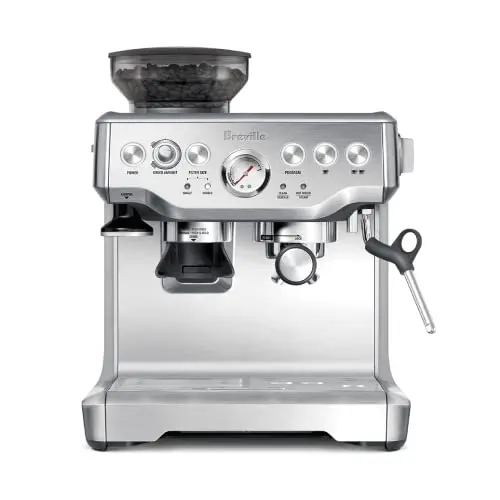
Barista Express – Built-In Grinder and Manual Steam Wand
The Barista Express is the do-it-all option for home baristas who want to grind, pull shots, and texture milk without adding a separate grinder. Its conical burr grinder feeds the portafilter directly, while the manual steam wand gives you hands-on control over microfoam.
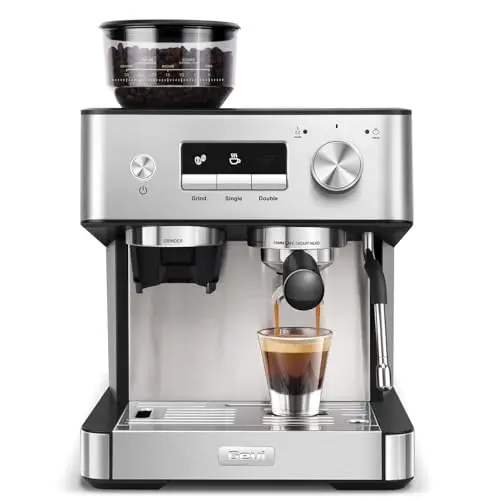
ECMI0 – All-in-One Grinder and Steam Wand
The Gevi ECMI0 packages a conical burr grinder, a 20-bar pump, and a steam wand into a mid-range all-in-one. It’s aimed at buyers who want fresh-ground espresso and textured milk without paying the premium tier.
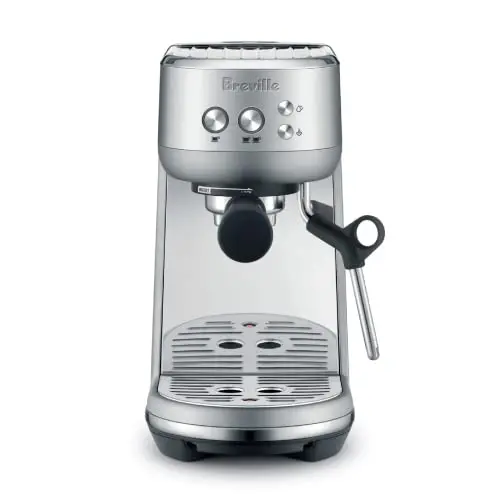
Bambino – Fast Heat and Automatic Microfoam
The Bambino is Breville’s compact, beginner-friendly espresso machine. It heats up in seconds and uses an automatic steam wand to take some of the guesswork out of milk texturing, though you’ll need a separate grinder.

Stilosa – Simple Manual Steam Wand Starter
The Stilosa is a straightforward entry-level espresso machine with a manual steam wand and a stainless steel boiler. It’s best for buyers who want to learn the basics without a large upfront commitment.

3700 Essential – Compact 20-Bar Steam Wand Machine
The 3700 Essential is a compact stainless steel espresso machine with a 20-bar pump and a powerful steam wand. It’s positioned as an affordable step up for buyers who want milk drinks without a large footprint.
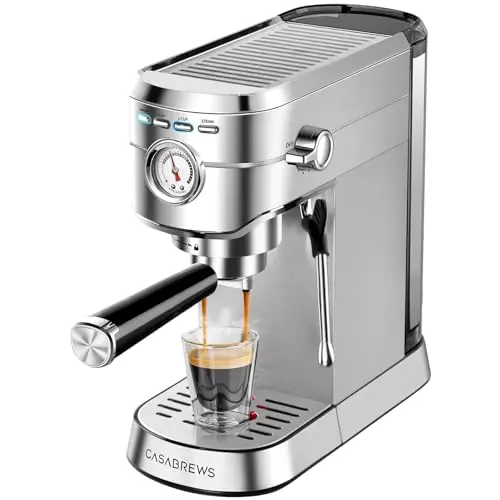
CM5418 – Pressure Gauge and Compact Steam Wand
The CM5418 adds a built-in pressure gauge to CASABREWS’s compact espresso formula. It’s a semi-automatic machine with a 20-bar pump and a steam wand for milk drinks.
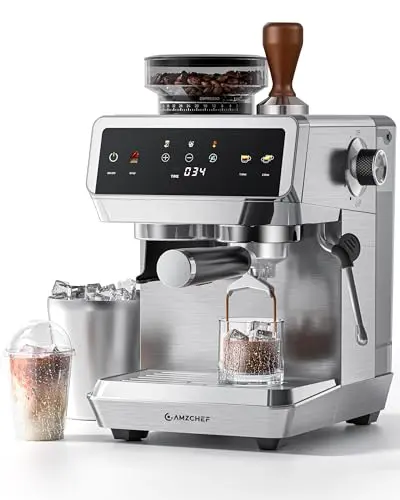
CM1626 – Grinder, Temp Control, and Steam Wand
The AMZCHEF CM1626 is a compact all-in-one with a 44-setting grinder, adjustable brew temperature, and a steam wand. It also adds a cold brew mode, which is unusual at this tier.

ECMG0 – Compact 20-Bar Steam Wand Espresso Maker
The Gevi ECMG0 is a compact 20-bar espresso machine with a pressure gauge, pre-infusion, and a steam wand. It’s a straightforward option for milk drinks without a built-in grinder.
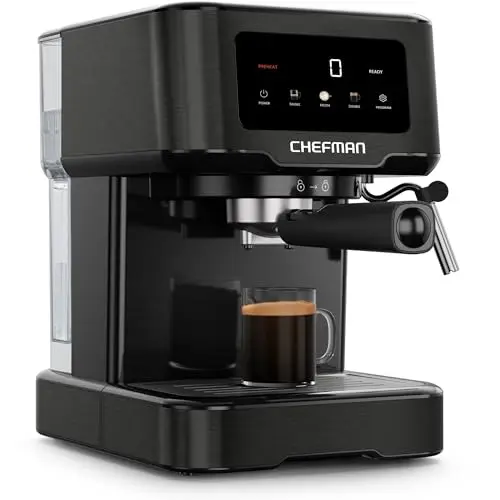
CraftBrew – Digital Steam Wand on a Budget
The Chefman CraftBrew is a budget-friendly digital espresso machine with a 15-bar pump, touch controls, and a steam wand. Its 1.5-liter removable tank and compact body suit small kitchens.
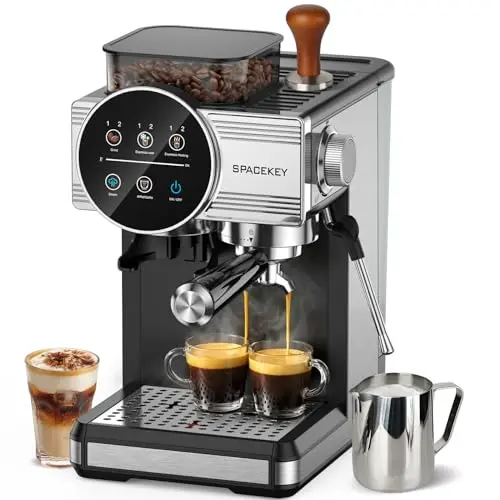
CM5510 – Grinder and Steam Wand All-Rounder
The Spacekey CM5510 is an all-in-one espresso machine with a 30-setting grinder, 20-bar pump, PID control, and a steam wand. It also includes a cold brew function and a solid wood tamper.
How We Evaluated These Espresso Machines with Steam Wands
We didn’t run controlled lab extraction tests or multi-month reliability trials. What we did: cross-referenced 10 espresso machines with steam wands from 7 distinct brands across five decision axes-steam-wand control and milk texture, extraction consistency, grinder integration, footprint and water capacity, and ownership feedback where available. We triangulated published specifications, feature sets, and owner feedback where available, then mapped each model against representative buyer routines: daily latte drinkers, beginners, small kitchens, and anyone who wants one machine to do the grinding too. We also audited included accessories such as portafilters, filter baskets, milk jugs, and tampers, since missing basics add hidden cost.
The scoring framework weighted real-world performance (70%)-how well each machine delivers on its steam wand, espresso extraction, and stated use case-against feature differentiation (30%)-unique technical advantages like built-in grinders, PID temperature control, pressure gauges, and compact footprints. We have no commercial relationship with any brand here; recommendations track fit and differentiation, not brand preference. If you want the most complete all-in-one for milk drinks, the Barista Express is the pick; if you want a faster, more compact beginner setup, the Bambino makes more sense. We weighed steam-wand behavior alongside the rest of the machine because a great wand can’t rescue weak extraction, and strong espresso can’t fix milk that never textures.
How to Choose the Right Espresso Machines with Steam Wands
1. What Matters Most in Espresso Machines with Steam Wands
The headline feature is the steam wand, but it only matters if the espresso underneath is balanced. Look for extraction consistency and a portafilter size that suits your routine. A built-in grinder simplifies the workflow, while a separate grinder gives you more upgrade paths later.
Don’t ignore footprint; a machine that barely fits under your cabinets will wear on you. The best espresso machine with a steam wand is the one that fits your counter and your daily drink.
2. Manual vs Automatic Steam Wands: Which Milk Texture Fits Your Routine?
A manual steam wand gives you full control over air introduction and temperature, which is why experienced home baristas prefer it for latte art. It also has a learning curve: you’ll ruin a few pitchers of milk before microfoam clicks.
An automatic steam wand handles more of the process and is easier for beginners, but you trade some control for convenience. If you mainly want cappuccinos and flat whites without thinking too hard, automatic is the friendlier route.
3. Steam Wand Performance: Dry Steam, Recovery, and Microfoam
A capable wand produces dry steam rather than sputtering water, and it recovers quickly enough for a second pitcher. Recovery time matters if you make multiple milk drinks in one session. Steam tip design also affects how easily you can control the vortex and texture.
Practice matters more than specs here. A modest wand with good technique can outperform a powerful one with poor purging and wiping habits.
4. Built-In Grinder vs Separate Grinder on Espresso Machines
A built-in grinder saves counter space and streamlines the dose, but it limits your upgrade path and can be harder to service. A separate grinder gives you more control and easier replacement later, at the cost of another appliance and a higher total outlay.
If you change beans often or want to experiment with different brew methods, separate is more flexible. If you want one compact setup for espresso and milk drinks, integrated is simpler.
5. Counter Footprint, Water Capacity, and Daily Workflow
Measure your counter depth and height before buying. A machine that blocks cabinets or crowds the grinder will annoy you daily. Water tank capacity matters too: small tanks mean more refills, while removable tanks are easier to fill at the sink.
Cup clearance, drip tray design, and steam-wand swing room are the small details that decide whether a machine feels convenient or cramped.
6. Breville Barista Express vs Gevi ECMI0: Which All-in-One Fits You?
The Barista Express is the more established all-in-one, with a manual steam wand and a proven grind-and-brew flow. The Gevi ECMI0 counters with a larger 58mm portafilter, a 30-setting grinder, and a lower mid-range position in the market.
If you want the more polished all-in-one workflow and don’t mind a larger footprint, the Barista Express is the safer pick. If you want similar features for less and are comfortable with a newer brand, the Gevi ECMI0 is the value route.
7. Budget, Mid-Range, and Premium Espresso Machines
Entry-level machines typically give you a manual wand, a smaller tank, and fewer temperature controls. Mid-range models add better steam recovery, PID-style temperature control, and sometimes a built-in grinder. Premium machines focus on build quality, faster heat-up, and more precise milk texturing.
Spend where you’ll notice it: the steam wand and grinder matter more for daily milk drinks than cosmetic finishes. A mid-range all-in-one often makes more sense than a premium machine paired with a cheap grinder.
Frequently Asked Questions
1. Do espresso machines with steam wands actually make good latte foam?
Yes, but the wand matters less than the technique and the machine’s steam quality. A good steam wand produces dry steam and enough pressure to create a rolling vortex, which is what turns milk into silky microfoam. Cheap wands can sputter or run out of steam, but even a basic wand can make decent foam with cold milk and careful purging and wiping after each use.
2. Manual vs automatic steam wand: which is better for beginners?
Automatic is easier to start with because it handles more of the aeration and heating, giving you consistent microfoam with less practice. A manual steam wand offers more control and is better for learning latte art, but expect a learning curve and some wasted milk. If you want low-fuss cappuccinos, automatic wins; if you want to build a skill, manual is more rewarding.
3. Breville Barista Express vs Gevi ECMI0: which all-in-one espresso machine should you choose?
The Barista Express is the more established choice, with a manual steam wand, a built-in conical burr grinder, and a well-known 54mm portafilter workflow. The Gevi ECMI0 offers a 58mm portafilter, 30 grind settings, and a steam wand at a lower mid-range position in the market.
Choose the Barista Express if you want the more proven all-in-one and don’t mind the footprint. Choose the Gevi ECMI0 if you want similar features with a larger portafilter and a more budget-conscious approach.
4. De'Longhi Stilosa vs CASABREWS 3700 Essential: which budget steam wand machine is right?
The Stilosa is the simpler machine, with a stainless steel boiler, a manual steam wand, and a compact body. The CASABREWS 3700 Essential adds a 20-bar pump and a larger 43.9-ounce water tank, which suits buyers who want more steam headroom and fewer refills.
Pick the Stilosa if you want the lowest learning curve and a basic manual setup. Pick the CASABREWS if you want a more powerful pump and a bigger tank at the entry level.
5. How often should you clean a steam wand?
Wipe and purge the wand immediately after every use, then do a deeper clean weekly with a steam-wand cleaner or a warm water soak for the tip. Milk residue hardens quickly and can clog the steam holes, which hurts microfoam quality. If the steam starts sputtering or the wand looks crusty, clean it before the next pitcher.
Final Verdict
For most people, the Barista Express is the answer: it combines a built-in grinder, a capable manual steam wand, and reliable extraction in one package. If you want a smaller, faster machine and already own a grinder, the Bambino is the easier beginner route, especially with its automatic steam wand.
If the Barista Express feels like too much counter space or too much money, the Gevi ECMI0 is the value-focused all-in-one, with a 58mm portafilter and a 30-setting grinder. And if you’re shopping at the entry level, the CASABREWS 3700 Essential gives you a 20-bar pump and a capable steam wand without stretching the budget. Match the machine to your milk-drink routine, and you’ll be happy with any of these.
