
Best Eucalyptus Comforters – 2026 Reviews

A eucalyptus comforter sounds straightforward until you start reading labels. Plenty of comforters marketed as cooling or plant-based turn out to be polyester with a smooth finish, and the word eucalyptus never appears on the care tag. The real thing usually means Tencel lyocell, a fiber made from wood pulp with a smooth, breathable hand feel that helps hot sleepers stay comfortable.
The two things that separate a good eucalyptus comforter from a mediocre one are material honesty and real-world breathability. A true lyocell shell should feel cool and dry, not slick or plasticky, and the fill needs to support airflow instead of trapping heat. We kept that distinction front and center while comparing the market.
This guide sorts the genuine eucalyptus and Tencel lyocell options from the lookalikes, then adds a budget-friendly fallback for shoppers who want the cooling feel without the plant-based price. You’ll see where each pick fits, which sleepers it suits, and what to check before you buy.
Best Eucalyptus Comforters – 2026 Reviews
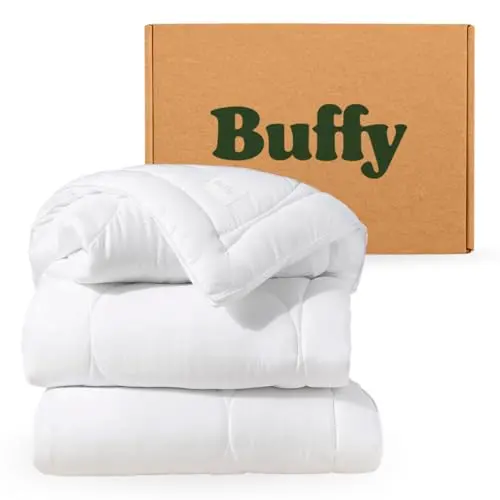
Cloud Cooling Comforter – Eucalyptus Lyocell for Hot Sleepers
The Cloud is the clearest true eucalyptus pick in this lineup, built with a eucalyptus Tencel lyocell shell and a down-alternative fill. It’s designed for hot sleepers who want a lightweight, breathable comforter rather than a heavy duvet. The 300-thread-count sateen weave and Q-Max 0.21 cooling rating are the headline details, and it’s machine washable for easier care.
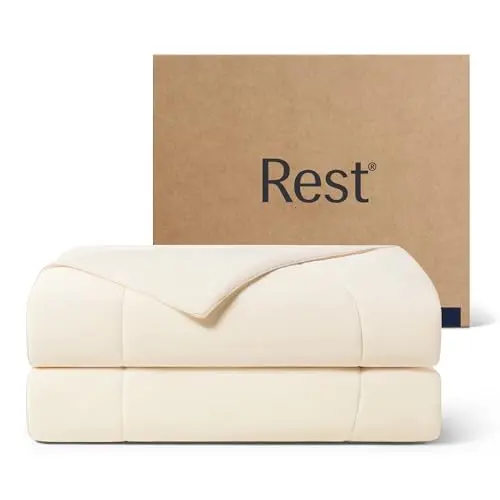
Evercool Cooling Comforter – Tencel-Fill Cooling for Night Sweats
The Evercool is a premium cooling comforter with a cool-to-touch shell and a Tencel lyocell and Sorona fill. It’s aimed squarely at hot sleepers and people dealing with night sweats, with a reversible design and a lightweight feel. It’s not a eucalyptus-shell comforter, but the Tencel lyocell fill puts it in the same breathable, plant-based conversation.
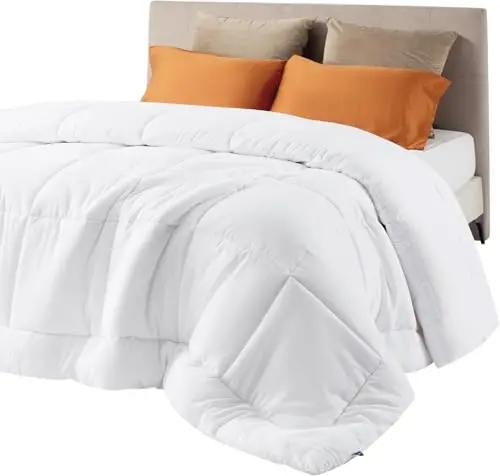
Comforter Duvet Insert – Budget Down-Alternative All-Season
The Bedsure is a polyester down-alternative duvet insert, not a eucalyptus comforter. It’s the budget-friendly fallback here: soft, all-season, and built with box stitching and corner tabs for use inside a duvet cover. If you want the look and feel of a fluffy insert without paying for Tencel lyocell, this is the practical entry-level option.
How We Evaluated These Eucalyptus Comforters
We didn’t run temperature-controlled sleep trials or lab moisture-wicking tests. What we did: cross-referenced 3 comforter models from 3 distinct brands across 5 decision axes – material composition, breathability, temperature regulation, care requirements, and value positioning. We triangulated published specifications, feature sets, and aggregated owner feedback where available, then mapped each option against realistic buyer profiles: hot sleepers, cold sleepers, duvet-cover users, and shoppers who want a plant-based material without a premium price.
The scoring framework weighted real-world fit and performance (70%) – how well each comforter delivers on its stated cooling and comfort claims – against feature differentiation (30%) – unique material advantages, construction details, and use-case specificity. We have no commercial relationship with any of the brands featured; recommendations track fit and differentiation, not brand preference. If you want the real eucalyptus option, the Buffy Cloud Cooling Comforter is the clearest match. If you want a cool-to-touch premium feel with a Tencel fill, the REST Evercool Cooling Comforter is the alternative. We didn’t physically test these comforters through a full season, so our read leans on published specs, construction details, and owner-feedback patterns rather than hands-on wear data.
How to Choose the Right Eucalyptus Comforters
1. What Makes a Eucalyptus Comforter Actually Eucalyptus
The label is where most shoppers get tripped up. A genuine eucalyptus comforter usually uses Tencel lyocell, a fiber made from wood pulp that has a smooth, breathable feel and a soft drape. Some listings say eucalyptus but use a polyester shell with a cooling finish; others blend lyocell with synthetic fill. Neither is automatically bad, but they aren’t the same product.
Check the material line, not just the title. If the shell is 100% polyester and the word eucalyptus only appears in the marketing bullet, treat it as a cooling comforter rather than a plant-based one. If you want the real thing, the Buffy Cloud Cooling Comforter is the clearest example in this lineup.
2. Cooling Performance: Q-Max, Breathability, and Moisture Wicking
Q-Max is a measurable cooling value, and higher numbers generally mean a cooler touch. But a good eucalyptus comforter also needs breathability and moisture-wicking to keep you dry overnight. A cool-to-touch surface helps you fall asleep; airflow through the fill helps you stay asleep.
Don’t assume every cooling comforter is equal. A lightweight down-alternative fill can sleep cooler than a dense polyester fill, and a smooth sateen weave can feel cooler than a brushed microfiber shell. For a cool-to-touch premium option, the REST Evercool Cooling Comforter is the pick here.
3. Weight, Loft, and All-Season Comfort
Lightweight loft is the sweet spot for most hot sleepers. A comforter that’s too thick traps heat even if the shell feels cool at first touch. A mid-weight option can work year-round in air-conditioned rooms, while a heavier comforter may suit cold sleepers or winter use.
Pay attention to fill material and construction. Box-stitch quilting keeps the fill evenly distributed, and corner tabs matter if you use a duvet cover. If you want a plush, hotel-style feel, a down-alternative insert may be more satisfying than a thin lyocell comforter.
4. Care and Durability for Eucalyptus Lyocell Comforters
Eucalyptus lyocell is smoother than cotton but can snag if washed with rough items. Use a cold-water wash on a gentle cycle, skip bleach and fabric softener, and tumble dry on low or line dry. High heat can shrink or dull the fiber.
Check the care tag before buying, especially if you have pets or kids. Some cooling comforters are dryer safe; others need more careful handling. A machine-washable comforter is easier to live with, but gentle care is still the tradeoff for that smooth lyocell feel.
5. Budget vs Premium: Where Your Money Goes
The entry-level tier is dominated by polyester down-alternative inserts. They can be soft and serviceable, but they won’t match the breathable, cool-to-touch feel of Tencel lyocell. The premium tier buys you better cooling technology, finer fibers, and more thoughtful construction.
If you’re shopping the entry-level tier, the Bedsure Comforter Duvet Insert is the practical fallback. It’s not eucalyptus, but it’s a low-risk way to try a lightweight duvet insert before committing to a plant-based comforter.
6. Sizing and Duvet Cover Compatibility
Most eucalyptus comforters are sold as duvet inserts or stand-alone comforters. Check the dimensions against your bed and your duvet cover; a queen comforter that measures 88 x 88 inches fits differently than an oversized queen. Corner tabs and box-stitch construction help keep the insert from bunching inside a cover.
If you sleep with a partner, size up when you’re between sizes. A shared queen bed often feels better with a full/queen or oversized queen comforter than a tight standard queen.
Frequently Asked Questions
1. Are all eucalyptus comforters actually made from eucalyptus?
No. The term gets used loosely. A true eucalyptus comforter usually has a Tencel lyocell shell or fill made from wood pulp, but many listings use polyester with a cooling finish and still mention eucalyptus in the marketing. Check the material line and care tag. If the shell is 100% polyester, treat it as a cooling comforter, not a plant-based one.
2. What's the difference between the Buffy Cloud Cooling Comforter and the REST Evercool Cooling Comforter?
The Buffy is the closer match for a eucalyptus comforter because its shell uses eucalyptus Tencel lyocell. The REST Evercool is a cool-to-touch cooling comforter with a Tencel lyocell and Sorona fill, but its shell is a cooling nylon blend rather than eucalyptus. If material authenticity is your priority, choose the Buffy Cloud Cooling Comforter. If you want the coolest surface feel and a premium build, the REST Evercool Cooling Comforter is the better fit.
3. Buffy Cloud vs Bedsure Comforter Duvet Insert: Which should you buy?
They’re built for different shoppers. The Buffy is a true eucalyptus lyocell comforter with a lightweight, breathable feel and a premium material story. The Bedsure is a polyester down-alternative insert with a lower entry point and a fluffier, more traditional duvet feel. If you want plant-based cooling, go Buffy. If you want a budget insert for a duvet cover and don’t need eucalyptus, the Bedsure is the practical choice.
4. Do eucalyptus comforters actually help hot sleepers?
They can help, but they’re not magic. Eucalyptus lyocell is breathable and moisture-wicking, and a cool-to-touch shell can make it easier to fall asleep. The fill and construction matter just as much: a lightweight down-alternative fill and a breathable weave will sleep cooler than a dense, heat-trapping comforter. If night sweats are severe, pair the comforter with a breathable duvet cover and keep the room cool.
5. How do you wash a eucalyptus comforter?
Use a cold-water wash on a gentle cycle with a mild detergent. Skip bleach and fabric softener, and tumble dry on low or line dry. High heat can damage lyocell fibers and reduce the smooth, cool feel. Always check the care tag first, because some cooling comforters have different shell requirements.
Final Verdict
For most shoppers, the Buffy Cloud Cooling Comforter is the answer. It’s the only pick here that delivers a true eucalyptus Tencel lyocell shell with a lightweight, breathable feel, and it backs that up with a measurable Q-Max 0.21 cooling rating. If you want a premium cool-to-touch surface and don’t need eucalyptus, the REST Evercool Cooling Comforter is the better fit for night sweats and hot sleepers. And if you’re shopping the entry-level tier, the Bedsure Comforter Duvet Insert is the budget fallback – just know it’s polyester, not eucalyptus. Choose Buffy for material authenticity, REST for the coolest surface feel, and Bedsure if price is the deciding factor.
