
Best European Carry-On Luggage – 2026 Reviews

European cabin rules have a way of humbling a bag that looked perfectly carry-on at home. The usual culprit isn’t height or width; it’s depth. A case that clears a U.S. carrier’s sizer can still poke past the stricter 55 x 40 x 20 cm frames used by many European airlines, especially once wheels and handles are counted.
That’s why the best European carry-on luggage isn’t simply the smallest bag in the lineup. It’s the one that pairs a compact exterior with a shell that survives overhead-bin treatment, wheels that roll quietly over cobblestones and terminal floors, and a handle that doesn’t wobble when you’re late for a train. Expansion, locks, and laptop access matter too, but only after the size math works.
We compared hard-side carry-ons and travel sets from major brands with those tradeoffs in mind. Some are built for strict cabin dimensions, some for business travel, and some for travelers who want one bag to cover a weekend and a week. The right pick depends on which of those jobs you need done.
Best European Carry-On Luggage – 2026 Reviews
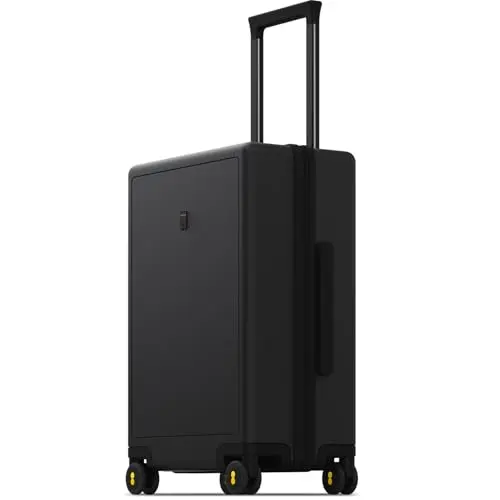
Square Hardside – Compact PC Carry-On
A minimalist square-profile hardside with a three-layer polycarbonate shell, eight spinner wheels, and a four-level aluminum handle. The split-case interior and TSA combination lock make it a strong strict-cabin candidate for city trips.
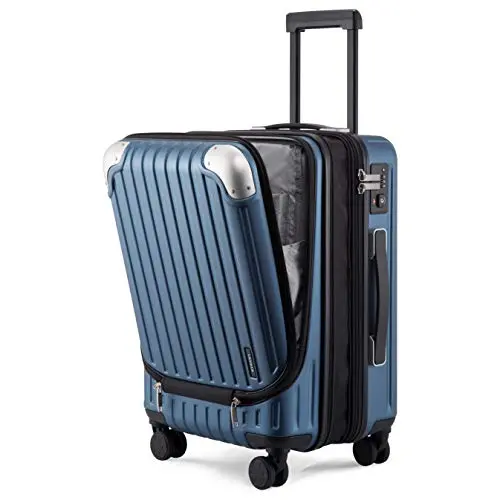
Grace Expandable – Front Laptop Carry-On
An expandable 20-inch hardside with a dedicated front laptop compartment, eight rubber-covered spinner wheels, and a TSA combination lock. It expands for extra capacity, making it a practical business-trip bag.
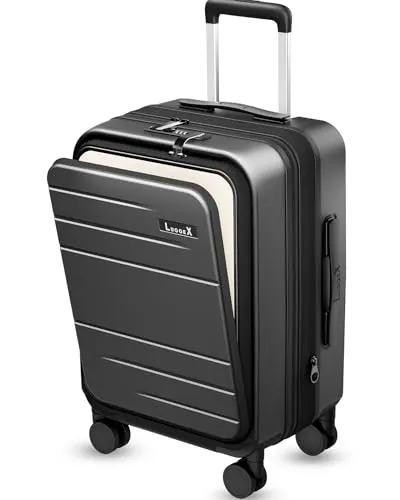
FX-Core – Dual-Zone Front Pocket
A 100% polycarbonate hardside with a front laptop compartment, dual-zone TSA lock, and zipper expansion. It separates tech from clothing and adds capacity without changing the overall footprint.
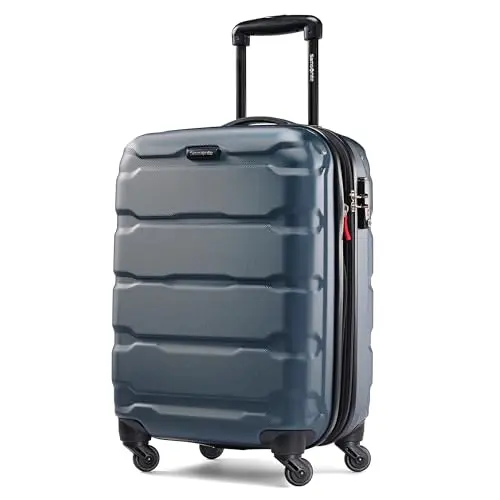
Omni PC – Scratch-Resistant Workhorse
A scratch-resistant polycarbonate hardside with spinner wheels, side-mounted TSA lock, and expansion. The micro-diamond texture is designed to stay presentable trip after trip.

Freeform Carry-On – Lightweight TSA Hardside
A lightweight hardside carry-on with a textured scratch-resistant exterior, oversized spinner wheels, and a built-in TSA combination lock. The 10-year warranty adds long-term confidence.

Pagosa 22-Inch – Expandable PP Carry-On
A polypropylene hardside with a 2-inch expansion gusset, multi-stage telescopic handle, TSA combination lock, and self-mending zippers. The mauve colorway stands out on the carousel.

21-Inch Hardside – Budget Expandable Spinner
A budget-friendly ABS hardside with a scratch-resistant finish, 25% expansion, four spinner wheels, and three interior pockets. It’s a straightforward carry-on for short trips.
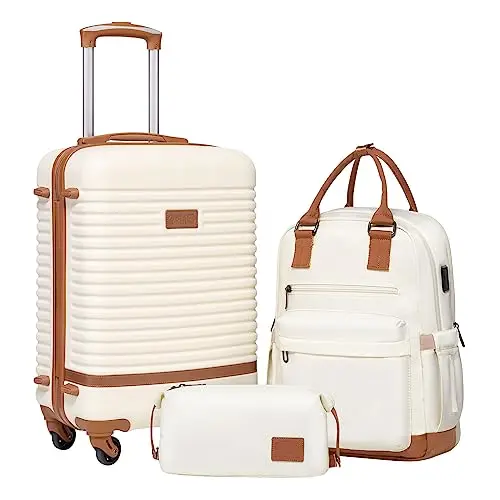
3-Piece Carry-On Set – Suitcase, Backpack, Pouch
A three-piece travel bundle with a 20-inch ABS hardside, a water-resistant backpack, and a toiletry pouch. The suitcase includes a TSA lock and four spinner wheels.
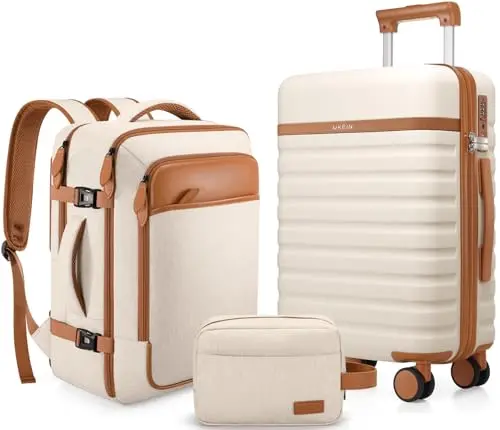
3-Piece Carry-On Set – PC Shell and Backpack
A three-piece set with a polycarbonate 20-inch hardside, an 18-inch travel backpack, and a toiletry bag. The suitcase has dual spinner wheels, a TSA lock, and wet/dry separation.

3-Piece Carry-On Set – YKK Zippers and Backpack
A three-piece set with a 20-inch polycarbonate hardside, an 18-inch backpack, and a toiletry bag. The suitcase has YKK zippers, a TSA lock, and silent spinner wheels.
How We Evaluated These European Carry-On Luggage Picks
We didn’t pack these bags for a multi-city European trip or measure them in airport sizers. What we did: cross-referenced 10 carry-on models from 8 distinct brands across six decision axes – exterior dimensions, shell material, wheel and handle hardware, lock type, expansion and organization, and warranty coverage. We triangulated published specifications, feature sets, and owner feedback where available, then mapped each bag against the realities of European cabin travel: tighter depth limits, frequent train transfers, and the need to lift a loaded case into an overhead bin.
The scoring framework weighted real-world fit (70%) – how well each option works for compact-cabin travel – against feature differentiation (30%) – the hardware, organization, and security details that separate one bag from another. We have no commercial relationship with any of the brands featured; recommendations track fit and differentiation, not brand preference. If you want the cleanest strict-cabin candidate, the LEVEL8 Square Hardside is the first bag we’d shortlist. If laptop access matters more, the LUGGEX FX-Core is the better route.
We also audited the less glamorous stuff: whether expansion changes the footprint, whether a handle has enough height settings, and whether a warranty is backed by a brand with a real service reputation. Where owner feedback was uneven, we treated it as a signal rather than a verdict. That’s why some bags with strong specs still carry a caveat about zippers or wheel durability. The goal isn’t to crown the most feature-packed case. It’s to point you toward the one that clears your airline’s sizer and still makes the trip easier.
How to Choose the Right European Carry-On Luggage
1. European cabin limits: why depth matters more than height
Many European carriers work around a 55 x 40 x 20 cm cabin envelope, and some are stricter still. Height and width usually get the attention, but depth is where otherwise sensible carry-ons fail. A case with a listed depth near 9.5 inches can be too deep once wheels and handles are counted, so compare the overall exterior dimensions rather than the packing-space numbers.
If your itinerary includes strict carriers, the LEVEL8 Square Hardside is the closest starting point in this lineup, but measure it against your specific airline before you commit. A slightly deeper bag can still work if you’re flying carriers with more generous frames and you value extra packing room.
2. Polycarbonate, ABS, and polypropylene: shell materials that survive travel
Polycarbonate is the premium-leaning choice here: it flexes on impact, resists cracking, and often carries a textured finish that hides scratches. ABS is lighter on the wallet but less forgiving over years of rough handling. Polypropylene sits in the middle, with good abrasion resistance and a slightly more flexible feel than ABS.
Material alone doesn’t tell the whole story. A three-layer polycarbonate shell can feel stiffer than a basic ABS case, while a micro-diamond texture does more for scratch resistance than a glossy finish. Look for reinforced corners and bumper feet if you routinely set your bag down on concrete platforms or cobblestones.
3. Wheels, handles, and the daily reality of European carry-on luggage
European travel often means more rolling and less driving: train platforms, cobblestone streets, tight hotel corridors, and overhead bins that seem designed for smaller bags. Four spinner wheels are the baseline, but wheel size and wheel housing matter more than the count. Larger wheels roll over uneven pavement with less chatter; cheap housings are the usual failure point.
Handles deserve equal scrutiny. A multi-stage telescopic handle with a push-button lock is easier to adjust for different travelers, while a four-level handle gives taller users a more comfortable pull height. Check for top and side grab handles too, especially if you’ll be lifting the bag onto trains and buses.
4. Expansion, locks, and organization: what actually earns its space
Expansion gussets are useful when you’re bringing home gifts or dirty laundry, but they add depth, which is the exact dimension European carriers police most closely. Treat expansion as a bonus for flexible itineraries, not a feature you rely on for a strict-cabin flight.
A TSA combination lock is standard on most hard-side bags now, but dual-zone locks are a step up if you carry a laptop in a front compartment. Inside, a zippered divider and cross straps keep clothes from shifting, while mesh pockets and a wet/dry bag help with smaller items. If you need quick laptop access, the LUGGEX FX-Core is the most deliberate design in this group.
5. How to check airline fit before you buy European carry-on luggage
Start with the airline’s published cabin dimensions, not the bag’s marketing name. A case labeled 20-inch can still be too deep once overall dimensions include wheels and handles. Compare the bag’s exterior measurements directly against the carrier’s sizer and leave a little margin for packing bulge.
Weight limits matter too, especially on budget carriers that enforce them at the gate. A lighter shell helps more than a clever packing system when the scale is the obstacle. If the budget is tight and the itinerary is simple, the Amazon Basics 21-Inch Hardside is the practical entry point, as long as you accept its ABS shell and deeper profile.
6. Budget vs premium European carry-on luggage: where the money goes
Entry-level bags get you a hard shell, spinner wheels, and a basic lock. Mid-range options add better wheel hardware, more useful organization, and sometimes a stronger warranty. Premium carry-ons tend to improve the shell material, handle stability, and long-term support rather than adding dramatic new features.
The sweet spot for European travel is usually a bag with a compact exterior, smooth wheels, and a shell that hides wear. Paying more makes sense if you fly often and want a long warranty or a laptop-friendly layout. Paying less makes sense if you need a reliable short-trip bag and can live with a heavier or less refined shell.
Frequently Asked Questions
1. What makes a carry-on truly European in size?
Most European carriers work around a 55 x 40 x 20 cm cabin envelope, though some allow more depth. The critical measurement is the overall exterior size, including wheels and handles, not the packing-space figure. A bag can be labeled 20-inch and still be too deep for strict sizers, so check the depth in centimeters before you book.
2. LEVEL8 Square Hardside vs Samsonite Omni PC: which is better for European travel?
The LEVEL8 Square Hardside has the more compact, minimalist profile and a stiffer polycarbonate shell, which makes it easier to maneuver in tight stations. The Samsonite Omni PC counters with a scratch-hiding micro-diamond texture, a 10-year warranty, and a lower weight. If strict cabin fit is the priority, start with the LEVEL8 Square Hardside; if you want long-term coverage and a proven workhorse, the Omni PC is the safer bet.
3. How does the LUGGEX FX-Core compare with the LEVEL8 Grace Expandable?
Both are front-pocket bags, but they solve different problems. The LUGGEX FX-Core uses a 100% polycarbonate shell and a dual-zone TSA lock that secures the laptop compartment and main bag separately. The LEVEL8 Grace Expandable is more flexible on capacity, with a front laptop compartment and a 36-to-42-liter expansion range. For tech-heavy travelers, the LUGGEX FX-Core is the more security-focused pick; for a business trip where packing volume varies, the Grace has the edge.
4. Are three-piece carry-on sets like Coolife and UKEIN worth it for European trips?
They can be, if you value the coordinated backpack and toiletry bag more than a pure strict-cabin build. Sets like Coolife and UKEIN pair a 20-inch hardside with a backpack and pouch, which is convenient for weekend trips and commuter travel. The tradeoff is weight and depth: these bundles often run heavier and deeper than a single minimalist carry-on, so check the airline sizer carefully before relying on them for strict European carriers.
5. Do European airlines really weigh carry-on bags?
Some do, especially budget carriers that enforce cabin-bag limits at the gate. The risk isn’t universal, but it’s real enough that a light shell and disciplined packing are worth more than an extra pocket. If your bag is already heavy empty, check the airline’s weight limit before you fly and plan to wear your bulkiest items rather than pack them.
Final Verdict
For most travelers, the LEVEL8 Square Hardside is the answer – it pairs a compact, quiet-rolling polycarbonate build with a genuinely useful four-level handle and a spacious split-case interior. If you need laptop access at security, the LUGGEX FX-Core is the more deliberate tech-forward choice. Budget-conscious travelers should look at the Amazon Basics 21-Inch Hardside for short trips where expansion matters more than premium shell material. And if easy lifting and a long warranty top your list, the Samsonite Freeform is the lightweight premium pick. Match the bag to your airline’s sizer first; the rest is detail.
