
Best Firm Latex Mattress Toppers – 2026 Reviews

Most mattress toppers solve one problem and create another. Soft foam cushions a sore hip but lets you sink; a thin pad adds a little comfort but not much support. A firm latex topper sits in a different lane: it adds a resilient layer that pushes back, keeps your spine closer to neutral, and avoids the heat-trapping sink of memory foam.
Firm is not a universal number. A 2-inch firm latex topper feels different from a 3-inch medium-firm layer, and whether the latex comes with a cover changes the surface feel. The best firm latex mattress toppers balance support with enough give to avoid pressure points, and the material quality matters as much as the label.
This guide compares the firm latex toppers worth considering across brands, with notes on who each one suits. We’ll walk through firmness, thickness, certifications, covers, and the tradeoffs that actually affect daily sleep.
Best Firm Latex Mattress Toppers – 2026 Reviews
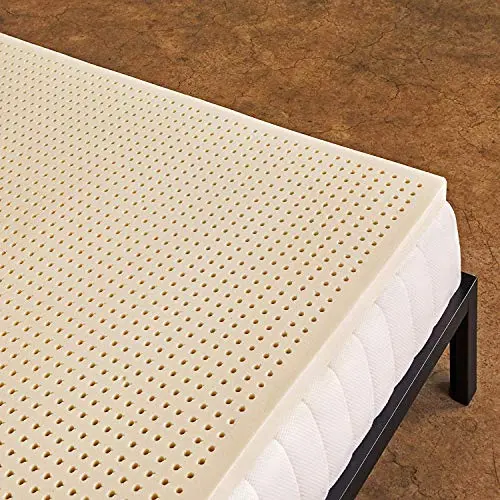
Pure Green Natural Latex Topper – Firm 2-Inch Support
The Pure Green firm topper is the most direct answer to a sagging or too-soft mattress. The 2-inch natural latex layer adds pushback without turning the bed into a board, and the queen size fits standard queen mattresses.
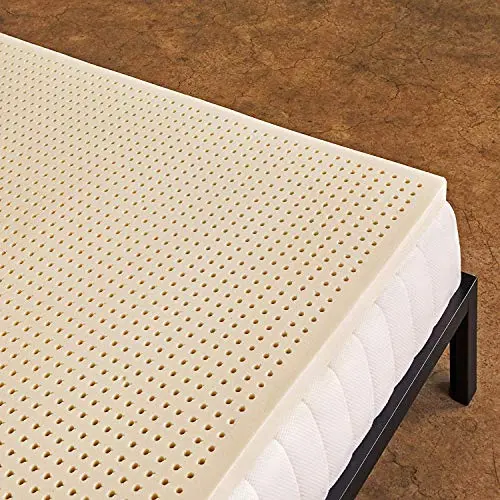
Pure Green Natural Latex Topper – Medium 3-Inch Cushion
The medium-firmness Pure Green topper uses a thicker 3-inch latex layer for sleepers who want support with a little more cushioning. It’s a full-size topper with the same organic latex story as the firm version.
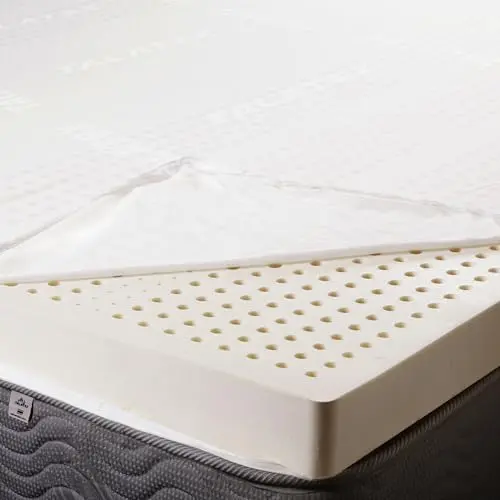
Latex Mattress Topper – Covered Breathable Support
The Talatex topper pairs natural latex with a removable cotton cover, adding a washable surface and a breathable feel. It’s a queen-size 2-inch option for sleepers who want motion isolation and easier care.
How We Evaluated These Firm Latex Mattress Toppers
We didn’t spend weeks sleeping on each topper or measure compression in a lab. What we did: cross-referenced 3 firm latex mattress topper models from 2 distinct brands across 6 decision axes – firmness consistency, thickness and size fit, latex material and certifications, cooling and breathability, cover and care, and warranty support. We triangulated published specifications, feature sets, and owner feedback where available, then mapped each option against common sleeper profiles: side sleepers who need pressure relief, back and stomach sleepers who want a more neutral spine, couples comparing motion isolation, and shoppers deciding between a full, queen, or larger bed. We also weighed whether a topper’s cover, cleaning routine, and certification claims held up against what the product page actually promised. No single spec told the whole story, so we treated firmness, thickness, and cover design as a package rather than isolated numbers.
The scoring framework weighted real-world fit (70%) – how well each topper delivers on firm support for its intended use – against feature differentiation (30%) – unique advantages like covers, certifications, and care requirements. We gave more credit to toppers that made their firmness and sizing clear, and less to features that sounded impressive but didn’t change daily use. We have no commercial relationship with any of the brands featured; recommendations track fit and differentiation, not brand preference. If you want the most straightforward firm support, the Sleep On Latex Firm is your match; if a washable cover matters more, the Talatex serves you better.
How to Choose the Right Firm Latex Mattress Topper
1. What Firm Actually Means in a Latex Mattress Topper
Firmness is the least standardized spec in the topper aisle. One brand’s firm is another brand’s medium, and thickness changes the feel as much as the label. A 2-inch firm latex topper feels more direct than a 3-inch medium-firm layer because there’s less material between you and the mattress. If you want the mattress to stop swallowing you, look for a topper that pushes back quickly rather than slowly conforming.
The other variable is latex resilience. Natural latex rebounds fast, so it feels supportive without the stuck-in-the-sand sensation of memory foam. That doesn’t mean every firm latex topper is hard. A good one should still ease pressure points at the shoulders and hips while keeping your spine closer to neutral.
2. Thickness, Size, and Sleep Position: Matching a Firm Latex Topper to Your Bed
Thickness is a practical decision. A 2-inch topper is usually enough to change the surface feel without making the bed tall; a 3-inch topper adds more cushioning and can soften the effect of a firm label. Side sleepers often want a little more give at the shoulder and hip, while back and stomach sleepers usually do better with a thinner, firmer layer.
Size matters just as much as firmness. A full-size topper is fine for a single sleeper or guest bed, but couples should stay with queen or king sizing. If you want the most direct firm support in a queen bed, the Sleep On Latex Firm is the straightforward match; if you need a full-size layer with more cushioning, the medium version is the better route.
3. Latex Quality, Certifications, and What the Labels Tell You
GOLS certification is the main label to look for on organic latex. It tells you the latex meets the Global Organic Latex Standard, which covers the raw material and processing. Fair For Life certification is a sourcing claim about fair trade practices, not a firmness or comfort guarantee, but it’s useful if ethical sourcing matters to you.
Material quality shows up in how the topper ages. Natural latex is durable and resilient, and it tends to hold its shape better than cheap polyfoam. Still, no topper is indestructible: hand washing or spot cleaning is common because latex doesn’t belong in a washing machine. Check the warranty before you buy, since a limited warranty tells you what the maker expects the topper to survive.
4. Covers, Cooling, and Maintenance for a Firm Latex Mattress Topper
A removable cover changes daily life more than most shoppers expect. It gives the latex a softer surface, protects the material, and makes cleaning practical. A washable cotton cover is especially nice if you sleep hot or want to refresh the topper without hand-washing the latex itself. If the topper comes with no cover, plan on adding a protector.
Cooling is another differentiator. Open-cell latex is designed to let air move, and natural latex generally sleeps cooler than memory foam. If a breathable cover and easier maintenance are priorities, the Talatex Latex Mattress Topper is the pick here; if you’d rather have bare latex and add your own protector, the Sleep On Latex models are the simpler route.
5. How Much Should You Spend on a Firm Latex Mattress Topper?
Firm latex toppers sit in a few clear tiers. Budget-friendly options often use thinner latex or a basic cover; mid-range models add better certifications and more consistent sizing; the premium tier brings thicker latex, organic sourcing, and stronger warranties. You don’t need the most expensive topper to get support, but very cheap latex is worth scrutiny.
Focus on the combination of thickness, certification, and return policy rather than the label alone. A well-made 2-inch firm topper can be a better value than a thick topper that feels vague and mushy. If you’re unsure, start with the firmness and size you actually need, then pay for the cover and sourcing details that matter to you.
Frequently Asked Questions
1. Are firm latex mattress toppers actually firm, or do they soften over time?
They stay firmer than foam, but firmness is subjective and thickness changes the feel. A 2-inch latex topper feels more direct than a 3-inch layer, and natural latex rebounds quickly instead of slowly sinking. It may soften slightly with use, but it shouldn’t turn into a soft foam pad. If you need a hard, board-like surface, latex is probably not the right material; if you want supportive pushback with some give, it’s a good fit.
2. What's the difference between the Sleep On Latex Firm Topper and the Talatex Latex Mattress Topper?
The Sleep On Latex Firm is the more single-purpose support pick: 2-inch firm latex, GOLS organic certification, and no cover. The Talatex is a covered latex topper with a washable cotton surface and a breathable open-cell design, but it doesn’t state a firmness level. Choose the Sleep On Latex if you want the most predictable firm feel; choose the Talatex if cover and easier care matter more.
3. How does the Sleep On Latex Medium compare with the Talatex for back support?
The Sleep On Latex Medium gives you a 3-inch latex layer with a medium-firm feel, so it adds more cushioning than the firm 2-inch model. The Talatex is thinner and relies on a covered surface plus motion isolation. For back support, the firmer Sleep On Latex model is the safer bet; for a softer landing and a washable cover, the Sleep On Latex Medium is the more forgiving choice.
4. Do I need a cover on a firm latex mattress topper?
A cover isn’t mandatory, but it makes a real difference. A washable cotton cover protects the latex, softens the surface, and simplifies cleaning. Bare latex can be wiped down, but most makers recommend hand washing only, so a cover reduces the fuss. If you use your own mattress protector, you can skip a built-in cover; if not, a covered model is the easier long-term choice.
Final Verdict
For most shoppers who want a genuinely firm layer, the Sleep On Latex Firm is the answer. It delivers the most direct pushback in this group, uses certified organic latex, and keeps the profile thin enough to feel like part of the mattress rather than a separate bed. If you want latex support with more cushioning, the Sleep On Latex Medium is the better fit, especially in a full-size bed. And if a breathable, washable cover matters more than a labeled firmness level, the Talatex Latex Mattress Topper is the practical pick. Start with the firmness you actually need, then choose the cover and certification details that fit your priorities.
