
Best Friend Nursing Pillows – 2026 Reviews

A nursing pillow earns its place by feeling less like baby gear and more like a quiet best friend. It shows up at 3 a.m., holds the baby at the right height, and keeps your shoulders from creeping toward your ears. The difference between a helpful pillow and a frustrating one usually comes down to two things: how firmly it supports baby, and how well it fits your body.
The market splits into a few clear camps. Crescent pillows are soft, simple, and easy to move around; wraparound pillows add back support and a strap that keeps the surface close. Within those shapes, you will see tradeoffs in cushion firmness, adjustability, cover care, and whether the pillow can pull double duty for tummy time or sitting support.
This guide compares nursing pillows across brands with an eye on real feeding routines, not just fabric and color. We will help you sort out which shape, firmness, and feature set makes sense for your body, your baby, and the way you actually feed.
Best Friend Nursing Pillows – 2026 Reviews
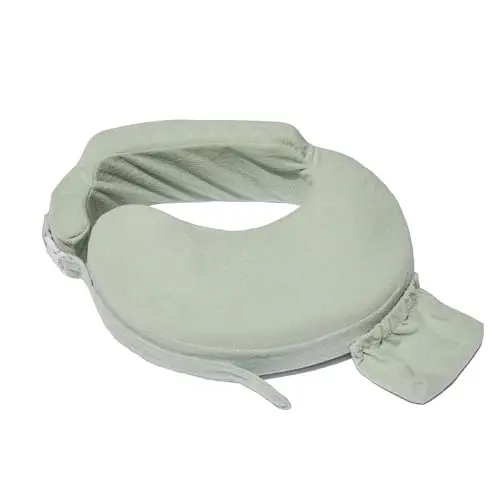
Deluxe – Firm, Flat Support for Better Latching
A wraparound nursing pillow with a flat, firm cushion, a soft backrest panel, and a removable slipcover with a side pocket. It is built to keep baby elevated and centered during breastfeeding or bottle-feeding.
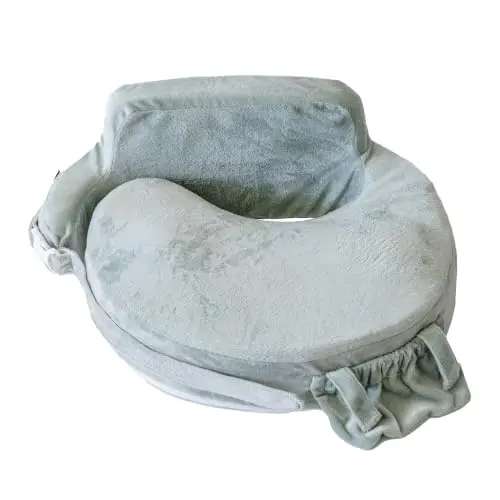
Super Deluxe – Ergonomic Back Support and Silent Straps
An upgraded wraparound pillow with extra-thick cushioning, an improved backrest, silent-release straps, and a soft slipcover with a pocket. It is aimed at parents who want more lumbar support and quieter adjustments during feedings.
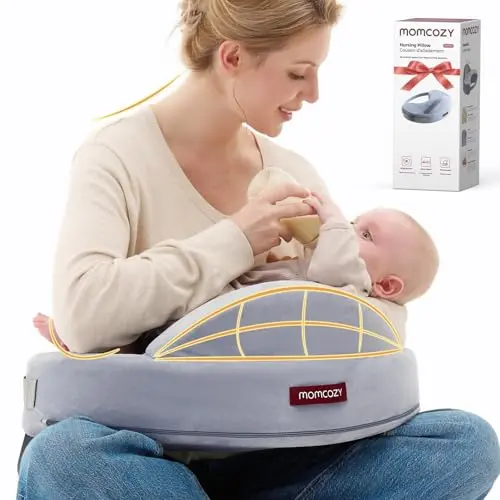
Cozylite – Memory Foam Support with Safety Guard
A memory-foam nursing pillow with a wider surface, an adjustable waist strap, and an innovative safety guard that cradles baby. The cover is removable and machine-washable for everyday cleanup.
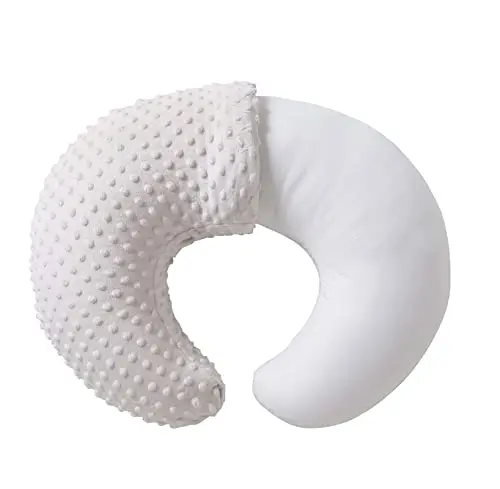
Nursing Pillow and Positioner – Soft Multi-Use Support
A soft nursing pillow and positioner with a removable cover, designed for breastfeeding, bottle feeding, tummy time, and early sitting support. It is machine-washable and budget-friendly.

Original Nursing Pillow – Wide Surface and Adjustable Strap
A widened semicircular nursing pillow with an adjustable waist strap, a safety guard, and a removable cotton cover. It is designed to support breastfeeding, bottle feeding, propping, tummy time, and sitting.
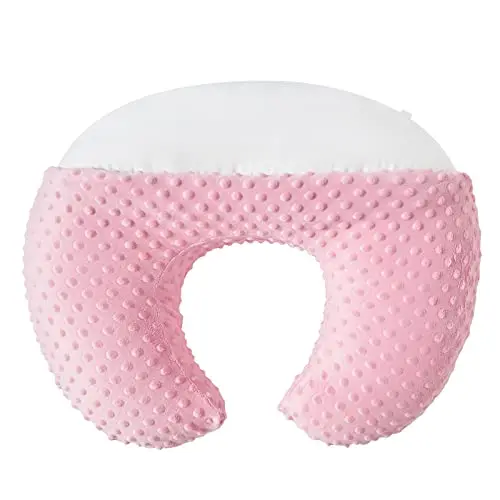
Nursing Pillow – Plush Minky Cover and Budget-Friendly Comfort
A soft nursing pillow with a removable minky-dot cover, offered in nursery-friendly colors. It is designed to reduce pressure on the back, waist, neck, and arms during feeding.
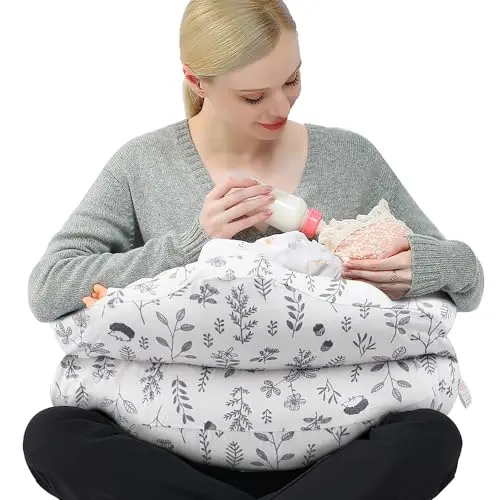
Adjustable Nursing Pillow – Plus-Size Support with Safety Fence
A large adjustable nursing pillow with a three-sided safety fence, an adjustable waist strap, and a cotton removable cover. The filling can be added or removed to tune the height.
How We Evaluated These Nursing Pillows
We didn’t run safety-lab certification testing or observe these pillows through months of overnight feeds. What we did: cross-referenced 7 nursing pillow models from 5 distinct brands across 6 decision axes – cushion firmness, back and waist support, adjustability, cover care, multi-use range, and fit for different body types. We triangulated published specifications, feature sets, and owner feedback where available, then mapped those signals against common feeding scenarios such as breastfeeding, bottle-feeding, and seated support.
The scoring framework weighted real-world fit (70%) – how well each pillow holds baby at the breast, supports the arms, and stays put during a feed – against feature differentiation (30%) – safety guards, memory foam, adjustable fill, silent straps, and other design choices that separate one model from another. We also weighed how easy each pillow is to clean, store, and reposition one-handed at 3 a.m., because those small friction points shape whether a pillow gets used or ends up in the nursery chair. Our read is that a pillow should feel stable before it feels plush, and that covers and straps matter more than most shoppers expect. We have no commercial relationship with the brands featured; recommendations track fit and design differentiation, not brand preference. If you want the firmest, most established wraparound support, the Deluxe is the pick; if you prefer memory foam and a safety guard, the Cozylite is the better match.
How to Choose the Right Nursing Pillow
1. What to Look for in a Nursing Pillow
The first job of a nursing pillow is positioning: it should bring baby to breast height without forcing you to hunch or hold the baby’s full weight with your arms. A flat, firm surface is usually easier to feed on than a deep, plush groove because it helps prevent the gap that can lead to a shallow latch. Look for a pillow that stays put when you shift positions, especially if you feed on a sofa or glider.
Then consider the shape. A wraparound support pillow with a strap hugs your body and keeps the surface close, while a crescent pillow is simpler to slide on and off. If you want the most established wraparound feel, the Deluxe is the pick here; it pairs a firm cushion with a backrest and a removable cover. Just be honest about how much structure you want around your waist.
2. Firm vs. Soft: Why Support Matters More Than Plushness
A plush pillow can feel lovely in the store and still let baby sink into a position that makes latching harder. For most feeding routines, a firm, flat cushion is more useful than a soft cloud because it keeps baby elevated and stable. That does not mean the pillow should feel like a board; the best options pair firmness with a soft cover and enough give for your arms.
Memory foam sits in the middle. It can be supportive and pressure-relieving, but it may feel firmer than expected and usually needs more careful cleaning. If you want a foam-based option with a safety guard, the Cozylite is the pick for that niche. If you prefer a traditional polyester fill that you can adjust, look for a pillow with a zippered inner section.
3. Wraparound vs. Crescent Nursing Pillows
The biggest comfort decision is shape. A wraparound pillow buckles behind your back and closes the gap between you and baby, which can improve latch support and take pressure off your shoulders. The tradeoff is bulk: these pillows take more room to store and can feel warm or restrictive around the waist. A crescent pillow is lighter and easier to reposition, but it can slide forward and leave a gap.
If you feed in one main chair and want maximum support, wraparound is usually the better fit. If you move from room to room or want a pillow that doubles for tummy time, a lighter crescent or multi-use positioner may be easier to live with. Neither shape is universally better; the right answer depends on your body, your feeding position, and how much space you have.
4. Waist Straps, Back Support, and Body Fit
An adjustable waist strap can make a wraparound pillow feel custom-fit, but only if the strap lands comfortably and does not dig in. A good strap keeps the pillow from rotating and helps maintain the ideal feeding position without constant readjustment. If you have a longer torso or a softer midsection, look for a wider strap and a pillow that does not rely on a narrow belt for support.
Back support is another differentiator. Some pillows include a firm backrest panel; others offer only a thin strap. If you already have back pain or feed for long stretches, a model with a dedicated backrest is worth considering. Just remember that no pillow replaces good posture and a supportive chair.
5. Covers, Cleaning, and Everyday Maintenance
Spit-up happens, so a removable cover is close to essential. Look for a cover that is machine-washable and easy to get back on after drying; a stiff or complicated cover will make you dread cleanup. A covered zipper is a small but useful detail because it keeps metal away from baby’s skin.
Check the care instructions for the core as well. Most polyester-fill pillows can be spot-cleaned and aired out, while memory foam should not go in the washer. If the pillow arrives compressed, give it time to fully expand before judging the firmness. A spare cover is not glamorous, but it is one of the most practical add-ons during the spit-up phase.
6. Budget vs. Premium Nursing Pillows
Entry-level nursing pillows usually give you a soft crescent shape, a basic cover, and simple arm support. They can work well for short feeds or as a second pillow for another room, but they may lack firm structure and back support. The QUENESS is the value pick in this guide because it covers feeding, tummy time, and early sitting without a premium price.
Mid-range options add better covers, adjustable straps, and a more supportive shape. The premium tier brings memory foam, larger backrests, silent straps, safety guards, and adjustable fill. Those features are not marketing fluff if you feed frequently or have back pain, but they also add bulk and care complexity. Buy for the features you will actually use, not the longest spec list.
Frequently Asked Questions
1. What's the difference between the My Brest Friend Deluxe and the Momcozy Cozylite?
The Deluxe is the more structured choice: its flat, firm cushion and wraparound back support are built to hold baby in place and keep your posture upright. The Cozylite uses memory foam and adds a safety guard that cradles baby, so it suits parents who want a plusher surface and extra slip protection. Choose the Deluxe for a traditional firm feeding surface; choose the Cozylite if memory foam and a wider, guard-style seat appeal to you.
2. How does the QUENESS nursing pillow compare with the Blackleaf baby pillow?
The QUENESS is softer and more multi-use: it works for feeding, tummy time, and early sitting, and its removable cover is easy to wash. The Blackleaf baby pillow leans on a plush minky cover and a budget-friendly price, but it is less structured than a firm wraparound. If you want one pillow to do several jobs, the QUENESS is the more flexible pick; if cozy fabric matters most, the Blackleaf baby is the softer choice.
3. Do nursing pillows actually help with breastfeeding?
Yes, a nursing pillow can make breastfeeding and bottle-feeding more comfortable by raising baby to breast height and supporting your arms. The biggest benefit is positioning: a firmer surface helps prevent the gap that leads to a shallow latch, while back support reduces shoulder and neck strain. It is not a substitute for help from a lactation consultant if feeding is painful or baby is not gaining weight.
4. Can a nursing pillow help my baby learn to sit?
Some nursing pillows are designed to do more than feed. A multi-use positioner can support propping, tummy time, and seated play as baby grows, but it should only be used while baby is awake and supervised. Never use a nursing pillow as a sleep surface or leave baby unattended on it.
5. How do I clean a nursing pillow?
Check the care label before buying. Most models have a removable cover that is machine-washable, but the pillow core usually needs spot cleaning or air drying. Memory foam cores should not go in the washer, and compressed pillows may need time to fully expand before first use. A spare cover can be worth it during the spit-up phase.
Final Verdict
For most feeding setups, the Deluxe is the easiest recommendation: it combines a flat, firm cushion, real back support, and a simple removable cover without asking you to learn a complicated system. If you want the plushest version of that wraparound design, the Super Deluxe adds an upgraded backrest and silent straps for a premium upgrade. The Cozylite is the better fit if you prefer memory foam and a safety guard, while the QUENESS is the value pick for a soft, multi-use pillow that is easy to wash. Start with the Deluxe unless one of those specific features pulls you elsewhere; that is the pillow most likely to earn its keep through the newborn stage and beyond.
