
Best Fully Automatic Coffee Makers – 2026 Reviews

The first sign that a fully automatic coffee maker is earning its counter space is not the number of buttons. It is whether you can walk up half-asleep, press one option, and get a drink that tastes close enough to your café order that you stop running out for it. The second sign is whether the machine is still pleasant to own after the novelty wears off.
That is where fully automatic models separate. A true bean-to-cup machine grinds, doses, brews, and often handles milk with minimal input, but the experience varies sharply in milk-system cleanup, grind adjustment, drink range, and how clearly the machine guides you through maintenance. Some models are built for espresso purists; others are closer to a connected appliance with a touchscreen and a long drink menu.
We looked across the market at automatic espresso machines and programmable drip coffee makers to find the options that make sense for different kitchens and habits. The goal is not to crown one brand. It is to help you match the level of automation, drink variety, and upkeep you are actually willing to live with.
Best Fully Automatic Coffee Makers – 2026 Reviews
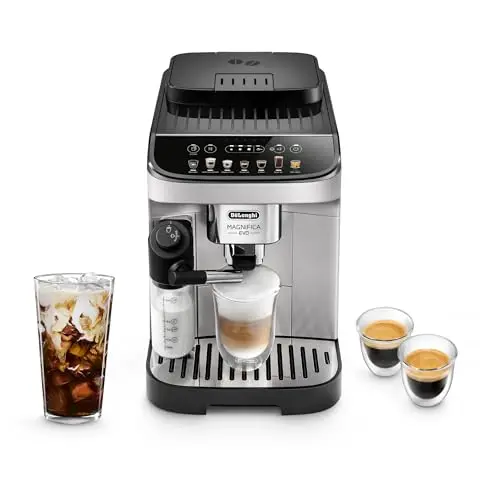
Magnifica Evo – One-Touch Milk Drinks
The Magnifica Evo is a bean-to-cup espresso machine with a built-in conical burr grinder, seven one-touch recipes, and De’Longhi’s LatteCrema milk system. It covers espresso, cappuccino, latte macchiato, iced coffee, coffee, hot water, and a customizable My Latte option.
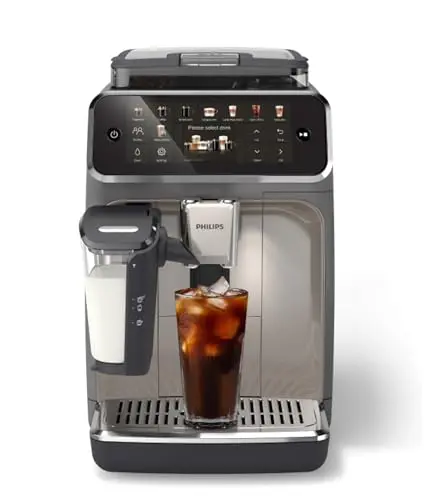
5500 Series – 20 Presets and Quiet Brewing
The Philips 5500 Series is a fully automatic espresso machine with 20 hot and iced presets, the LatteGo milk system, a ceramic grinder, and a color touchscreen. It supports four user profiles and is designed for quieter, faster brewing.
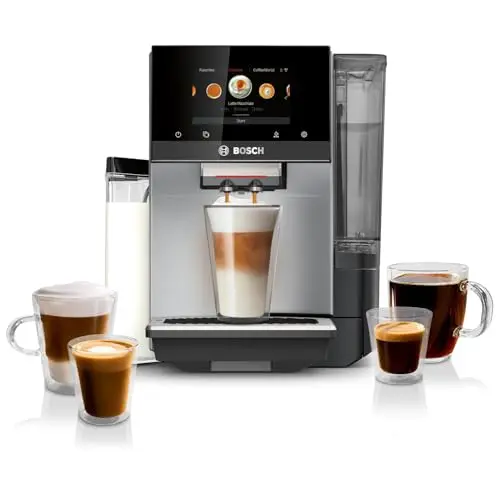
800 Series – Touchscreen Bean-to-Cup
The Bosch 800 Series is a premium fully automatic espresso machine with a large touchscreen, 36 drink options, integrated milk container, double-cup brewing, and Home Connect app control. It supports personalized strength, size, milk ratio, and aroma settings.
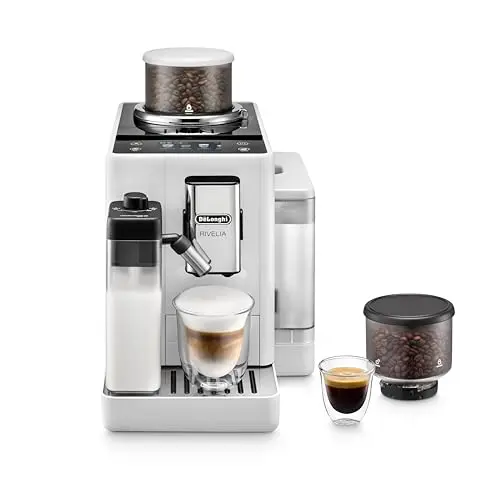
Rivelia – Dual Bean Hoppers
The Rivelia is a fully automatic espresso machine with two removable bean hoppers, 18 one-touch recipes, a 13-setting burr grinder, and the LatteCrema Hot milk system. It is designed for households that switch beans often.

E4 – Black Coffee Specialist
The Jura E4 is a fully automatic coffee machine focused on black coffee specialties, with five one-touch drinks, the Pulse Extraction Process, and a Professional Aroma Grinder. It has a 64-ounce water tank and a 10-ounce bean container.
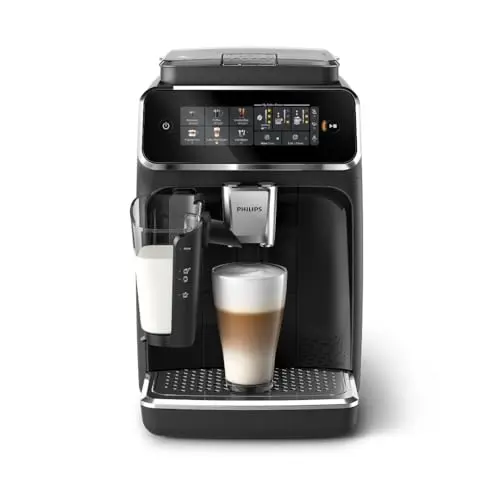
3300 Series – Compact Superautomatic
The Philips 3300 Series is a compact fully automatic espresso machine with six hot and iced presets, LatteGo milk system, ceramic grinder, and AquaClean filter. It is designed as an entry point into bean-to-cup brewing.
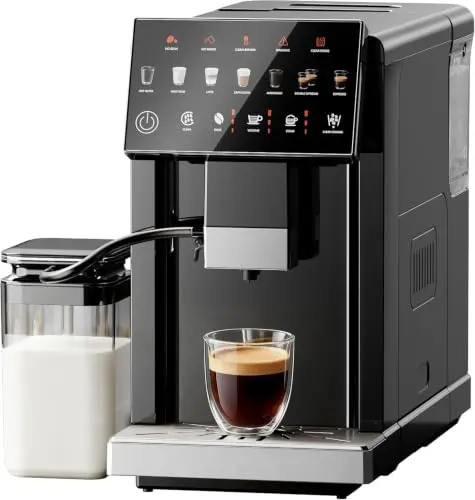
CM004-02 – Budget Bean-to-Cup
The EUHOMY CM004-02 is a budget-oriented fully automatic espresso machine with a built-in burr grinder, 20-bar pump, 15 grind settings, automatic milk frothing, and a self-cleaning program. It has a 1.5-liter water tank and 200-gram bean hopper.
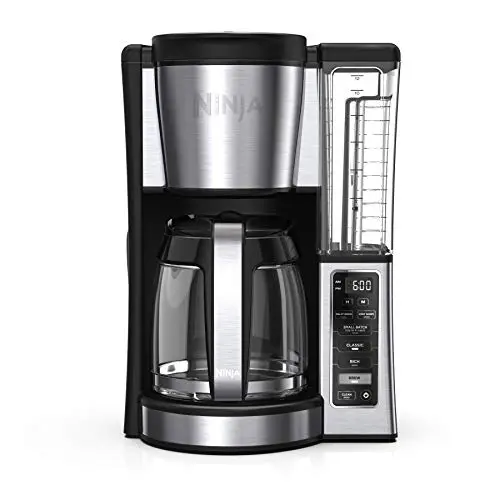
Fresh Brew CE251 – Automatic Drip for Carafes
The Ninja Fresh Brew CE251 is a programmable automatic drip coffee maker with a 12-cup glass carafe, Classic and Rich brew styles, a small-batch function, 24-hour delay brew, and an adjustable warming plate.
How We Evaluated These Fully Automatic Coffee Makers
We did not run controlled kitchen lab tests, timed café-service trials, or long-term reliability trials. What we did: cross-referenced 8 fully automatic coffee maker models from 6 distinct brands across six decision axes – brew automation, drink range, milk handling, grind adjustment, maintenance, and capacity. We triangulated published specifications, feature sets, owner feedback where available, and use-case fit against representative buyer profiles. We mapped each model’s one-touch workflow, milk system design, and cleaning routine so the differences are practical, not just spec-sheet trivia.
The scoring framework weighted real-world fit and performance (70%) – how reliably each machine turns beans into the drink you actually want – against feature differentiation (30%) – unique advantages such as dual bean hoppers, iced-coffee programs, or quieter brewing. We have no commercial relationship with any brand here; recommendations track fit and differentiation, not brand preference. If you want the most balanced one-touch milk-drink experience, the Magnifica Evo is the place to start; if drink variety and easy milk cleanup matter more, the 5500 Series is the stronger match.
We also weighed how each machine handles daily ownership: filling the reservoir, emptying grounds, rinsing milk parts, and running descaling prompts. Where owner feedback was uneven, we treated it as a caution flag rather than a verdict. The goal is a practical shortlist for different kitchens and drink habits, not a single spec winner.
How to Choose the Right Fully Automatic Coffee Makers
1. What Makes a Coffee Maker Truly Fully Automatic?
A fully automatic coffee maker should handle the messy parts for you: grinding beans, dosing the right amount, tamping, brewing, and often frothing milk. If you still have to fill a portafilter and lock it into a group head, you are looking at a semi-automatic espresso machine, not a fully automatic one. That distinction matters because the convenience is the whole point.
Bean-to-cup machines add a built-in grinder and a drink menu, while automatic drip coffee makers automate the brew cycle but leave grinding to you. Both can be fully automatic in their own lane. If you want one-touch milk drinks without a manual steam wand, the Magnifica Evo is the pick to start with.
2. Bean-to-Cup Espresso Machines vs. Automatic Drip Coffee Makers
Bean-to-cup espresso machines are the closest thing to a café counter at home. They grind fresh for each drink, build pressure for espresso, and can layer milk foam into cappuccinos and lattes. The tradeoff is more maintenance and a higher learning curve, even on one-touch models.
Automatic drip coffee makers are simpler: add ground coffee and water, set a timer, and come back to a carafe. They are better for households that drink coffee by the pot and do not need espresso. If that describes your kitchen, the Fresh Brew CE251 is the automatic drip pick here.
3. Milk Systems: LatteGo, LatteCrema, and Built-In Frothers
Milk system design is the biggest day-to-day difference between fully automatic coffee makers. LatteGo uses a compact three-part container with no internal tubes, which makes rinsing and dishwasher cleaning straightforward. LatteCrema systems texture dairy and milk alternatives and can include an auto-clean cycle, but they usually have more pieces to maintain.
If you drink milk drinks daily, prioritize a system that comes apart easily. A machine that makes a great cappuccino but is annoying to rinse will lose its appeal fast. For the easiest milk cleanup with a broad drink menu, the 5500 Series is the strongest match.
4. Grind Settings, Bean Hoppers, and Freshness
Grind settings matter more than most buyers expect. A wider range helps you dial in different bean origins and roast levels, while a narrow range can leave a bright bean tasting flat or a dark roast tasting harsh. Bean hoppers also shape the routine: a single hopper is fine for one daily bean, but dual hoppers are useful if you switch between regular and decaf.
Look for a machine that grinds fresh per drink and has a bypass option if you occasionally use pre-ground coffee. Freshness is the advantage of bean-to-cup brewing, so do not give it up for a machine that encourages you to pre-grind.
5. Cleaning, Descaling, and Daily Maintenance
Descaling is the chore that decides whether a fully automatic coffee maker feels convenient or high-maintenance. Models with AquaClean filters or combined cleaning-and-descaling programs can stretch the interval between deep cleanings, while removable brew groups make weekly rinsing easier.
Check the milk system, drip tray, and grounds container as part of your daily routine. A machine with excellent coffee but a fiddly cleaning process is a poor fit for a busy household. The best automatic coffee makers are the ones you can keep clean without dreading the task.
6. Capacity, Footprint, and Kitchen Fit
Capacity includes water tank size, bean hopper size, and carafe or cup size. A large water tank means fewer refills, but it also takes up more counter space. Footprint matters in a small kitchen, especially once you account for clearance to open the bean lid and slide the machine forward for maintenance.
Measure your counter before you fall for a machine’s looks. A premium superautomatic can be deep and tall, while compact models trade capacity for a smaller outline. Match the machine to your cabinet height and how often you entertain.
7. Budget, Mid-Range, and Premium Fully Automatic Coffee Makers
Entry-level fully automatic coffee makers usually give you a built-in grinder, a basic drink menu, and a manual or simple automatic milk system. Mid-range models add more presets, better milk systems, and larger water tanks. Premium machines bring dual hoppers, app control, larger touchscreens, and more customization, but the coffee in the cup does not always scale at the same rate as the price.
Spend for the features you will use daily: easy milk cleanup, a grind range that suits your beans, and maintenance you will actually keep up with. A simpler machine that fits your routine often beats a feature-heavy one that feels like a chore.
Frequently Asked Questions
1. What's the difference between the De'Longhi Magnifica Evo and the Philips 5500 Series?
The Magnifica Evo is the more traditional one-touch milk-drink machine: seven recipes, a 13-setting burr grinder, and the LatteCrema system. The 5500 Series leans harder into variety with 20 hot and iced presets, four user profiles, and the easier-to-rinse LatteGo milk system. If you want a balanced all-rounder, the Magnifica Evo is the safer starting point; if drink variety and cleanup speed matter more, go with the Philips.
2. Jura E4 vs. De'Longhi Rivelia: which is better for black coffee?
For black coffee, the Jura E4 is the more focused machine. Its Pulse Extraction Process and five black-coffee specialties are built around espresso, coffee, Ristretto, Café Barista, and Lungo Barista rather than milk drinks. The Rivelia is more versatile, with two bean hoppers and 18 one-touch recipes, so it makes more sense if you also want lattes and cappuccinos. Choose the E4 if black coffee is the priority; choose the Rivelia if bean switching and milk drinks matter.
3. Are all fully automatic coffee makers bean-to-cup?
No. A fully automatic coffee maker can be a bean-to-cup espresso machine with a built-in grinder, or an automatic drip coffee maker that automates brewing but uses pre-ground coffee. The key is whether the machine handles the steps you want automated. If fresh grinding is essential, look for an integrated burr grinder and a bean hopper; if you mainly want a timed pot, an automatic drip model is enough.
4. How hard is it to clean a fully automatic coffee maker?
It depends on the milk system and brew group design. Machines with removable milk containers and no internal tubes are the easiest to rinse, while models with automatic cleaning programs reduce the frequency of deep cleaning. Descaling is still necessary unless the machine uses a filter to stretch the interval. Plan on daily rinsing for milk drinks and regular emptying of the grounds container.
5. Can a fully automatic coffee maker replace a drip coffee maker?
Yes, if your household drinks espresso-based drinks and you value one-touch convenience. A bean-to-cup machine can make coffee, espresso, and milk drinks, but it will not fill a 12-cup carafe. If you need a pot for a crowd, keep an automatic drip coffee maker and use the superautomatic for individual drinks. The Fresh Brew CE251 is the carafe-first pick here, while the Magnifica Evo is the drink-by-drink alternative.
Final Verdict
For most buyers, the De’Longhi Magnifica Evo is the fully automatic coffee maker to beat. It covers the drinks most households want, handles milk automatically, and gives you enough grind control to use different beans without turning breakfast into a project. If drink variety and easy milk cleanup matter more, the Philips 5500 Series is the stronger match. If you want the most customizable connected machine and have the counter space, the Bosch 800 Series justifies its premium tier. And if you are shopping on a tighter budget, the Philips 3300 Series gets you bean-to-cup brewing with the same easy-clean LatteGo milk design.
