
Best Garment Steamers For Wedding Dresses – 2026 Reviews

A wedding dress is the least forgiving thing you will ever hang on a steamer. Satin holds a water mark forever, tulle keeps a crease like memory wire, and beaded lace will not survive a hot plate pressed against it. The steamer that rescues a wrinkled work shirt is not automatically the one you want anywhere near a gown.
Two axes separate the good options from the mediocre ones. The first is steam control – whether the unit delivers dry, even steam without spitting, because a single droplet at the wrong angle is permanent on silk. The second is sustained output – whether the tank and heating element can keep pace with a floor-length skirt, a train, and sleeves without a refill in the middle of the job.
Then there’s the format question. A full-size standing steamer with a hanger and a foot pedal lets you work a gown vertically with both hands free, at a pace that doesn’t wear you out. A handheld deploys faster and travels better, but you’ll be tensioning fabric with one hand and aiming steam with the other. The picks below span both formats across several brands, so you can match the tool to where and how you’ll actually be steaming.
Best Garment Steamers for Wedding Dresses – 2026 Reviews
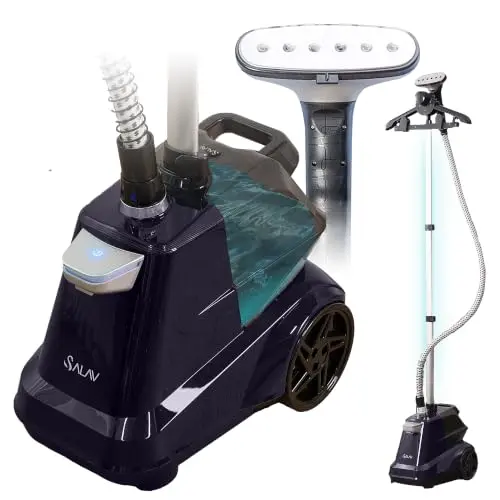
X3A Full-Size Garment Steamer – Continuous Steam for Full Gowns
A full-size standing steamer that’s explicitly built for formal wear. The 3-liter tank and 1800-watt element deliver a long, uninterrupted run, and the foot pedal keeps both hands on the gown instead of on a button.
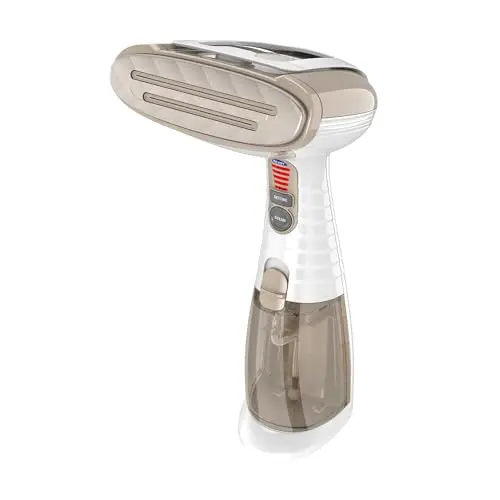
GS59L Turbo Extreme Steam – Handheld Control for Delicate Fabrics
A high-wattage handheld with the most thoughtful attachment set in this lineup. Dry steam technology aims to keep water where it belongs, and the heated soleplate adds a pressed finish to collars and cuffs.
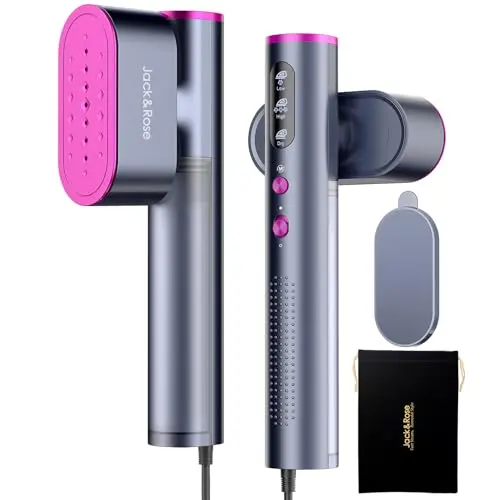
K1 Travel Steamer – Dual-Voltage Kit for Destination Weddings
A genuinely packable steamer-and-iron hybrid with wide voltage support, built for people steaming a dress somewhere other than home.
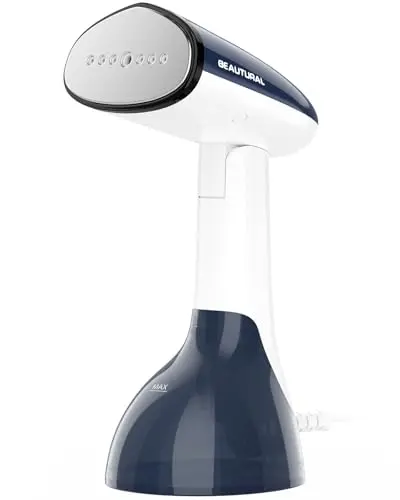
YG-0112A Handheld Steamer – Leak-Proof Budget Pick
An entry-level handheld that punches above its tier on steam control, with an electronic pump that keeps water moving in the right direction.
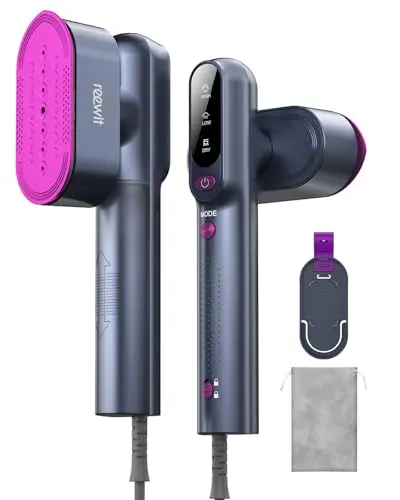
YG-0118-JL-A 2-in-1 Travel Steamer – Rotating Head for Awkward Angles
A compact hybrid that switches between steaming a hanging gown and pressing details flat, with a head that rotates to reach awkward angles.
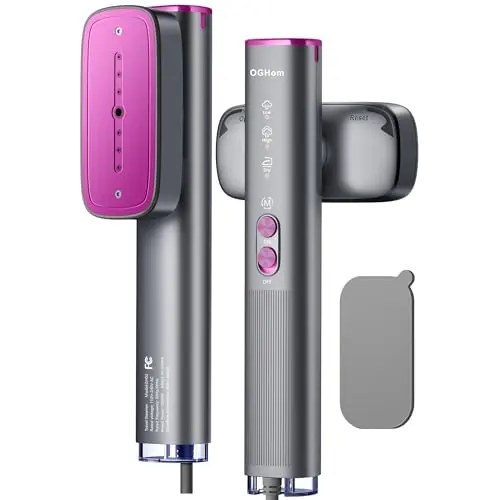
GH02 Travel Steamer & Iron – Compact Dual-Voltage Backup
A travel hybrid with three steam modes and a rotating head, sized for a carry-on and pitched at the entry tier of the category.
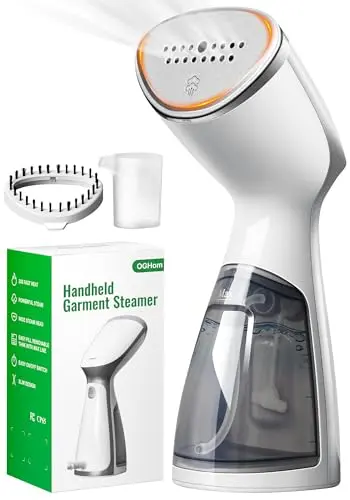
GH01 Handheld Steamer – Simple Steam for Quick Touch-Ups
The simplest and lightest option here: one button, twenty seconds to steam, and a compact body that disappears into a carry-on.
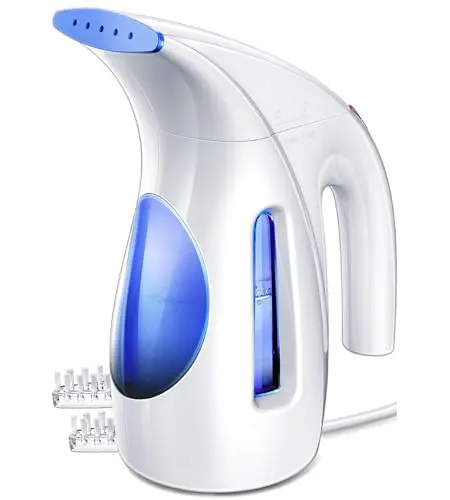
HL7 Handheld Steamer – Big Tank, Gentle Steam
A long-running budget handheld with a bigger tank than most of its rivals, built around gentle, sustained steam rather than raw power.
How We Evaluated These Garment Steamers for Wedding Dresses
We didn’t steam an actual wedding gown, and we didn’t put any of these units through a full bridal-season schedule. What we did: cross-referenced 8 garment steamers from 7 distinct brands across five decision axes – steam control and drip behavior, tank capacity and continuous runtime, heat-up speed, fabric-handling attachments, and physical footprint. We triangulated published specifications, feature sets, and owner feedback where available, then mapped each unit against the specific job of smoothing a floor-length gown without spotting satin, snagging lace, or dumping water onto beading.
The scoring framework weighted real-world fit for bridal fabric care (70%) – how reliably a steamer delivers steady, spit-free steam across the length of a gown – against feature differentiation (30%), meaning the attachments, dual-voltage flexibility, foot-pedal control, and hanger design that change how the work actually feels. Wedding dresses are unforgiving subjects: one water mark on satin is permanent, and a handheld that runs dry halfway down a train is worse than useless. We weighed pump-fed designs against gravity-fed ones on equal footing, audited each spec sheet for what it actually promises rather than what the headline claims, and benchmarked runtime against the dimensions of a real ballgown.
We have no commercial relationship with any of the brands featured here, and our recommendations track fit and differentiation rather than brand preference. If you’re prepping a gown at home with room to set up a stand, the SALAV X3A is purpose-built for that workflow; if you’re handling spot touch-ups or steaming on location, the Conair Turbo Extreme Steam covers more ground than its size suggests. Either way, buy for the fabric you actually own, not the wattage number on the box.
How to Choose the Right Garment Steamer for a Wedding Dress
1. What Actually Matters When Steaming a Wedding Dress
Bridal fabric is the variable that changes every other decision. Dry, even steam matters more than raw wattage, because a steamer that spits leaves marks on satin and silk that no amount of re-steaming will fix. Look for language about drip control or any-angle leak-proof operation – those phrases describe engineering that keeps water in the tank instead of on the dress.
Work a gown from the inside of the lining outward, hold the head a couple of inches off the fabric, and let the weight of the skirt do half the job. Steam relaxes fibers; it doesn’t press them, so never rest a hot soleplate against beading or sequins. If you’re unsure how a fabric will react, test the hem first – it’s the least visible part of the dress and the most representative of what the rest of it will tolerate.
2. Full-Size vs Handheld Garment Steamers for Bridal Wear
A full-size standing garment steamer wins on volume. The built-in hanger holds a gown at working height, a foot pedal frees both hands, and a large tank means one session instead of three. If you’re steaming a floor-length dress with a train, this is the format that makes the job bearable – the SALAV X3A is the clearest example here of a unit designed around that workflow.
A handheld steamer wins on access and portability. You can use it in a hotel room, a dressing suite, or ten minutes before a fitting, and it costs a fraction of a standing rig. The tradeoff is runtime and hand fatigue: you’re holding the tool in one hand and tensioning fabric with the other, which gets old on a full skirt.
3. Steam Control, Drip Behavior, and Fabric Safety
Cheap steamers use gravity feed, which means steaming downward over a train can dump water into the fabric. Electronic pump designs and any-angle leak-proof claims are worth paying for when the garment is a wedding dress. Heat matters too: a plate in the 290 to 300 degree range is enough to set a hem without scorching, but it should never touch beading, sequins, or glued applique.
For delicate work, a low and steady flow relaxes silk without wetting it through. Short passes beat long holds every time – you can always go back over an area, but you can’t un-spot satin.
4. Tank Capacity, Runtime, and Getting Through a Full Gown
Here’s the rough math. A 5-ounce handheld tank typically runs about ten minutes at full steam, while a 3-liter standing unit can run well past an hour. A ballgown skirt, bodice, sleeves, and train is easily half an hour of careful work, so handhelds almost always need a refill mid-job.
Use distilled water if your tap runs hard. Mineral scale is a common reason a steamer’s output fades over a few months, and it’s entirely avoidable.
5. Attachments, Hangers, and Handling a Long Train
Attachments look like filler until you’re working a train. A silicone tension band pulls fabric taut so steam penetrates instead of skimming the surface, and a delicate fabric spacer keeps the head off lace and beading. The Conair Turbo Extreme Steam is the lineup’s best example of a handheld that ships with both, plus a bristle brush for heavier weaves.
On a standing unit, the adjustable hanger and rolling casters matter more than any single attachment – you want to bring the gown to the steamer, not the reverse.
6. What to Budget for a Bridal Garment Steamer
Budget tiers here split cleanly by format. Entry-level handhelds handle touch-ups and travel, and the better ones include pump-fed steam and a removable tank instead of a fixed reservoir. Mid-range hybrids add dry-iron panels, dual voltage, and rotating heads. Premium full-size steamers buy runtime, a hanger, hands-free control, and the ability to finish a gown without refilling.
For a single wedding, pairing a modest handheld with a professional press for the structured sections is often the smarter spend. If you want one tool that covers both jobs without stepping into standing-unit territory, the BEAUTURAL YG-0112A sits in that middle ground.
Frequently Asked Questions
1. Can you steam a wedding dress at home instead of paying a professional?
For light transit creases and storage folds, yes – a steamer used carefully will usually get a gown looking presentable. Where it gets risky is anything with structure: boned bodices, heavy beading, and antique or fragile lace are jobs for someone who has pressed them before.
A sensible middle path is to steam the skirt and train yourself and have a professional handle the bodice and any embellished sections. Always test on the inside hem before you go anywhere near visible fabric.
2. What's the difference between the SALAV X3A and the Conair Turbo Extreme Steam?
They solve different halves of the problem. The SALAV X3A is a full-size standing steamer: a 3-liter tank, a built-in hanger, a foot pedal, and enough continuous runtime to work an entire gown in one session. The Conair Turbo Extreme Steam is a handheld, and it trades runtime and volume for reach, portability, and a delicate fabric spacer that keeps the head off lace.
If you have floor space and one dress to finish, the SALAV fits better. If you need something you can hold in one hand and pack in a suitcase, the Conair Turbo Extreme Steam is the more useful tool.
3. What's the difference between the Jack & Rose K1 and the Reewit 2-in-1 travel steamer?
Both are dual-voltage steamer-iron hybrids built for travel, and both fold a dry-iron panel into a handheld body. The Jack & Rose K1 heats in about 15 seconds, runs on 100-220V, and leans on a large ceramic panel with a rotating head that packs down small.
The Reewit brings more wattage, a 90-degree rotating head, and a fuller accessory kit with a travel bag, measuring cup, and heat-resistant base. Neither replaces a full-size steamer for a ballgown – choose between them on heat-up speed versus accessory completeness.
4. Is it safe to steam beading, sequins, and lace on a wedding dress?
Steam itself is generally safe; contact and condensation are what cause damage. Keep the head a couple of inches away, use the lowest steam setting that works, and never let a heated soleplate rest against sequins, pearls, or glued applique – heat can lift adhesive and dull the finish.
Lace is more forgiving but snags easily, so a delicate fabric spacer or a layer of muslin between head and fabric is cheap insurance. Work in short passes and let the fabric cool before you judge the result.
5. Does tap water damage a garment steamer?
It can, depending on hardness. Mineral scale builds up on the heating element and is a common reason output drops after a few months of regular use. Distilled or filtered water is the simple fix, and it matters most for the full-size units that hold liters at a time.
Never add perfume, essential oils, or fabric scent beads to the tank – they clog the pump and can leave residue behind on the fabric.
Final Verdict
For most people taking on a wedding dress at home, the SALAV X3A is the answer. It’s the only pick here built around the actual workflow – a hanger for the gown, a foot pedal so both hands stay free, and a tank that outlasts your patience. If you want handheld control and the strongest drip protection in the lineup, the Conair Turbo Extreme Steam is the one we’d hand to a friend.
A wedding abroad belongs to the Jack & Rose K1, which will still work when the outlet is 220 volts. And if the budget is tight and you only need to knock out transit creases, the BEAUTURAL YG-0112A covers the essentials without asking much. Match the format to where you’ll be steaming, and the rest sorts itself out.
