
Best Hair Dryers For Fine Hair – 2026 Reviews

Fine hair has a narrow margin for error. A dryer that feels pleasantly hot on thick hair can leave fine strands limp, frazzled, or plastered to the scalp. Too much airflow and you get flyaways; too little and you spend ten minutes chasing the same section around the brush.
The best hair dryers for fine hair strike a balance between heat you can control and airflow that moves hair without scattering it. We looked for dryers with genuinely useful low-heat settings, attachments that concentrate or smooth airflow, and bodies that do not tire your arm before the back of your head is dry.
This is a cross-brand look at the category, from budget-friendly workhorses to premium tools with smart heat regulation. We will help you match the dryer to your hair density, styling routine, and tolerance for noise, weight, and fuss.
Best Hair Dryers for Fine Hair – 2026 Reviews
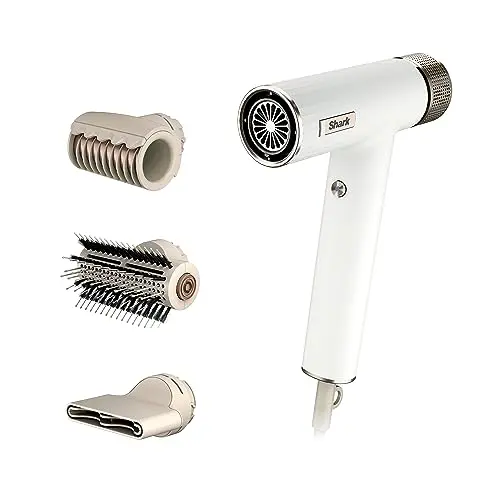
SpeedStyle HD331 – Fine-Hair Styling System
The SpeedStyle HD331 is the most explicitly fine-hair-focused dryer in this lineup. Its smart styling system adjusts heat and airflow when you swap attachments, and the RapidGloss Finisher is designed to smooth flyaways without a second styling pass. The QuickSmooth Brush adds volume, while the Turbo Concentrator gives you precise airflow for roots and ends. It is a premium tool, but the fine-to-medium hair tuning is the reason it tops this list.
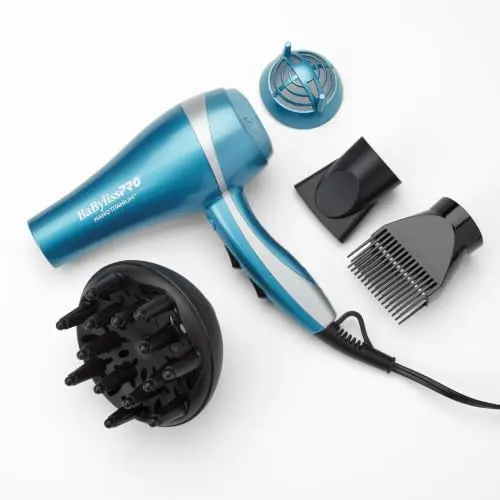
Nano Titanium BNT5548 – Lightweight Ionic Power
The Nano Titanium BNT5548 is a traditional blow dryer with a professional bent. It is remarkably light for a 2000-watt model, and the six heat and speed settings give you room to dial down for fine hair. Nano Titanium and ionic technology target frizz and shine, while the concentrator, diffuser, and straightening pic cover smooth, wavy, and textured finishes. This is a strong choice if you want power and control without a bulky body.
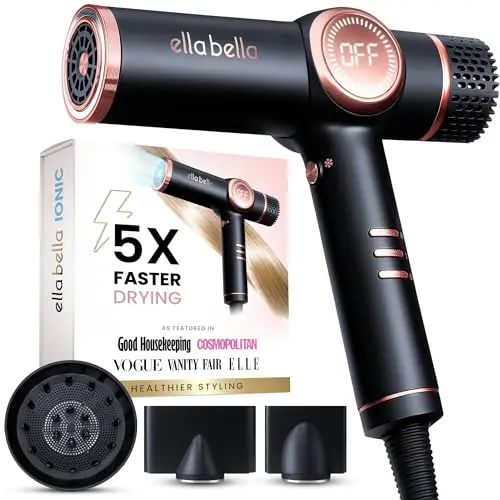
KR-F07 Ionic Hair Dryer – Quiet, Gentle Drying
The ELLA BELLA KR-F07 leans into gentle, quiet drying. Negative ion output targets frizz and static, intelligent heat control aims to prevent hot spots, and the low-noise design is a real plus for early mornings or shared spaces. Three magnetic nozzles snap on and off without fuss, and the 1.2-pound body is easy to maneuver. It is a premium option for fine-haired shoppers who value calm over raw power.
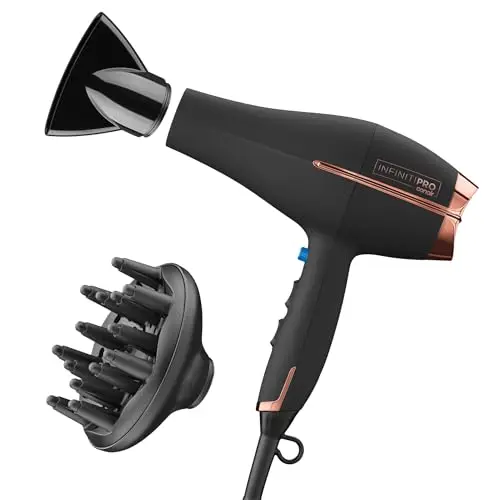
InfinitiPRO 650AMZL – Ceramic Ionic Drying
The InfinitiPRO 650AMZL is a well-rounded ceramic ionic dryer with a 1875-watt AC motor and a true cold shot. Three heat and two speed settings give you enough range for fine hair, and the titanium ceramic heat is paired with ionic technology to fight frizz. The diffuser and concentrator cover both smooth and textured styles. It is mid-range in price and feels more substantial than entry-level dryers, though it is not the lightest option.
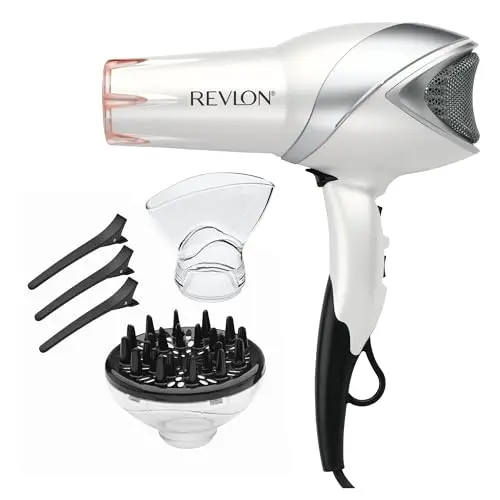
Infrared Ionic RVDR5264 – Frizz-Control Drying
The Revlon Infrared Ionic RVDR5264 is a budget-friendly dryer built around infrared heat and tourmaline ionic technology. The idea is to dry hair without over-stripping moisture, which is appealing for fine hair that can turn brittle. Three heat settings, two speeds, and a cool shot give you basic control, and the diffuser, concentrator, and styling clips add value. It is not the most refined tool, but it covers the essentials.
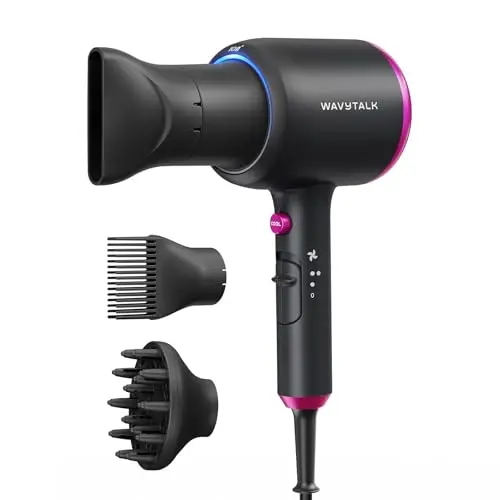
Blown Away QL-5917BDC – Fast, Lightweight Drying
The wavytalk Blown Away QL-5917BDC is a budget-friendly 1875-watt ionic dryer with three attachments and a cool shot. The AC motor is built for consistent airflow, and the three temperature settings with two speeds give you useful control for fine hair. The comb attachment is a nice extra for smoothing, and the diffuser helps define waves. It is lightweight and easy to handle, though long-term durability is the main caveat.
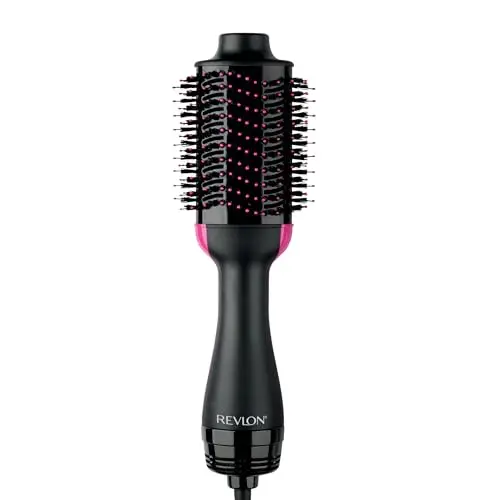
One-Step Volumizer RVDR5222SDI – Volume-Building Dryer Brush
The Revlon One-Step Volumizer RVDR5222SDI is a dryer brush rather than a traditional blow dryer. The 2.8-inch oval barrel and nylon pin bristles are designed for mid-length to long hair, creating lift and a rounded finish in one pass. Three heat settings keep operation simple. For fine hair, it is a volume tool first and a drying tool second, so it works best when you want shape and body rather than a precise root-to-end blowout.
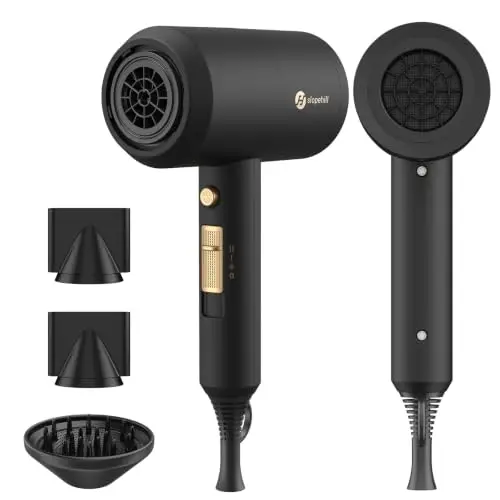
Professional Ionic 1902 – Compact Travel Dryer
The slopehill Professional Ionic 1902 is a compact 1800-watt dryer with a high-airflow motor and a travel-friendly footprint. It includes concentrator and diffuser attachments, plus three heat settings and a cool shot. For fine hair, the compact body and strong airflow are appealing, but the single speed knob and mixed durability reports mean it is best treated as a secondary or travel dryer.
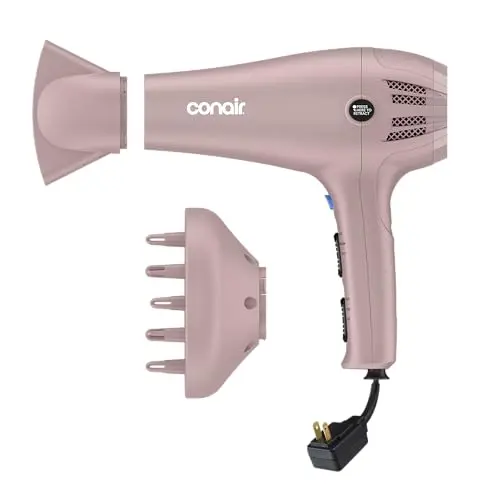
209L Retractable-Cord Dryer – Compact Everyday Styling
The Conair 209L is a compact-looking 1875-watt dryer with a retractable cord, ionic tourmaline ceramic technology, and a budget-friendly price. Three heat settings, two speeds, and a cool shot cover the basics, and the diffuser and concentrator add versatility. For fine hair, it is a simple everyday option, but the retractable cord mechanism and heavier body are worth weighing before you commit.
How We Evaluated These Hair Dryers for Fine Hair
We didn’t run lab airflow or temperature-calibration tests. What we did: cross-referenced 9 hair dryer models from 7 distinct brands across 6 decision axes – heat control, airflow and power, weight and handling, attachments, ionic and frizz control, and durability signals. We triangulated published specifications, feature sets, owner feedback where available, and use-case fit for fine hair. That last part matters more than raw wattage. A dryer that is brilliant on thick hair can be too hot or too forceful on fine strands. We also mapped each dryer’s lowest heat and speed settings against that reality, because a label that says low is not always gentle. We weighed how each attachment changes airflow and whether the lowest heat setting is genuinely usable for fine hair.
The scoring framework weighted real-world performance (70%) – how well each dryer delivers controllable drying and styling for fine hair – against feature differentiation (30%) – unique attachments, heat regulation, weight advantages, and noise control. We audited each model against representative fine-hair routines: quick root drying, smooth blowouts, and low-heat finishing. We have no commercial relationship with any of the brands featured; recommendations track fit and differentiation, not brand preference. If your priority is fine-hair heat control, the Shark SpeedStyle is your match; if you want a lighter traditional dryer with manual control, the BaBylissPRO Nano Titanium serves you better.
How to Choose the Right Hair Dryer for Fine Hair
1. Why Fine Hair Needs a Different Kind of Hair Dryer
Fine hair has less bulk, so heat and airflow reach the strand faster. A dryer that feels comfortable on thick hair can rough up fine cuticles or send wispy strands in every direction. The two qualities that matter most are heat control and airflow. You want a dryer that can start low, move air with some focus, and finish with a cool shot rather than a blast of hot air.
This does not mean you need a weak dryer. It means you need one with a usable low setting and enough speed control to dry the roots without scattering the canopy.
2. Heat Control and Airflow: The Fine-Hair Balancing Act
Intelligent heat control is more than a spec-sheet bragging point on fine hair. It keeps the temperature from spiking when you concentrate airflow on one section. A cool shot is equally practical because it sets the style without adding more heat. Look for airflow speed options that let you move from damp roots to a smooth finish without blasting the hair flat.
If your fine hair overheats easily, the Shark SpeedStyle is the pick here because it regulates temperature below 230F and adjusts its settings when you change attachments.
3. Weight, Balance, and Handling for Fine-Hair Styling
Fine hair often means a longer styling session, especially if you are working in sections. Dryer weight matters, but so does balance. A slightly heavier dryer with a well-placed handle can feel easier than a lighter one that wants to tip. Cord length is another small detail that becomes obvious when you are stretching to reach the back of your head.
If arm fatigue is the deciding factor, the BaBylissPRO Nano Titanium is the pick here because it pairs a 1.05-pound body with a long cord and a comfortable grip.
4. Attachments That Help Fine Hair (and Ones That Don't)
A concentrator nozzle is the most useful attachment for fine hair because it focuses airflow and helps smooth the cuticle. A diffuser is worth having if you wear waves or curls, since it spreads airflow and reduces the risk of frizz. Brush attachments can add volume, but they also put more heat and tension on fine strands, so use them with a light hand.
Skip attachments you will never use. A well-designed concentrator and a cool shot will do more for fine hair than a box full of novelty nozzles.
5. Ionic Technology, Frizz, and Fine Hair
Negative ions can help reduce static and make fine hair easier to smooth, especially in dry weather. Many dryers pair ionic output with tourmaline or ceramic surfaces to spread heat more evenly. That is useful, but it is not a magic fix. Frizz control still depends on keeping the dryer moving, aiming airflow down the hair shaft, and finishing with cool air.
If your fine hair is more limp than frizzy, ionic technology is a nice bonus rather than the main event. Heat control and technique will do more for the finish.
6. What to Spend: Budget vs. Premium Hair Dryers for Fine Hair
Budget-friendly dryers can work for fine hair if they have a genuinely low heat setting and a concentrator nozzle. The tradeoffs are usually fewer speed options, more noise, and less consistent heat. Mid-range models often add a stronger AC motor, better attachments, and smoother controls. Premium dryers earn their keep with smarter heat regulation, lighter bodies, and quieter operation.
If you want a budget-friendly entry point with useful attachments, the wavytalk Blown Away is the pick here. Spend more only for a feature you will actually use, such as heat regulation, low noise, or a lighter body.
Frequently Asked Questions
1. What makes a hair dryer good for fine hair?
Fine hair needs controllable heat, adjustable airflow, and a concentrator nozzle more than raw wattage. A dryer that runs hot on its lowest setting will rough up the cuticle, while a wide-open airflow can scatter fine strands. Look for multiple heat and speed settings, a cool shot, and a body that is easy to maneuver. If you want the most fine-tuned option in this lineup, the Shark SpeedStyle is the pick because its heat regulation and attachment-specific settings take the guesswork out of that balance.
2. Shark SpeedStyle vs. BaBylissPRO Nano Titanium: which is better for fine hair?
The Shark SpeedStyle is the more fine-hair-specific tool. Its sub-230F heat regulation and auto-adjusting attachments make it easier to avoid hot spots, and the RapidGloss Finisher is designed for smoothness. The BaBylissPRO Nano Titanium is the better choice if you want a traditional dryer with a 1.05-pound body and more manual control. For fine hair that overheats easily, the Shark is the safer pick; for fine hair that just wants lightweight power, the BaBylissPRO wins.
3. Do ionic hair dryers help with fine hair frizz?
They can help, but they are not a cure-all. Negative ions can reduce static and help the cuticle lie flatter, which is useful for fine hair that wants to float. Tourmaline ceramic surfaces are often paired with ionic technology to spread heat more evenly. The bigger factor is still heat control and airflow technique: keep the dryer moving, use a concentrator nozzle, and finish with a cool shot. Ionic features are a useful supporting player, not a substitute for careful drying.
4. Conair InfinitiPRO vs. wavytalk Blown Away: which is the better budget pick for fine hair?
The Conair InfinitiPRO has a more substantial 1875-watt AC motor, a true cold shot, and a removable lint filter, so it feels like the more durable daily tool. The wavytalk Blown Away is lighter, includes a comb attachment, and is a strong value if you want versatility on a tighter budget. For fine hair, the Conair’s broader heat range and cold shot give it the edge; the wavytalk makes more sense as a secondary dryer or for travel.
5. How much should I spend on a hair dryer for fine hair?
You do not need the most expensive dryer to get good results, but you do want to avoid the cheapest one if fine hair is prone to heat damage. Budget-friendly models can work if they have multiple heat settings and a concentrator nozzle. Mid-range dryers often add a stronger AC motor, better attachments, and more consistent heat. Premium models earn their keep with smart heat regulation, lighter bodies, and quieter operation. Spend for the feature you will actually use: heat control first, then weight and noise.
Final Verdict
For most fine-haired shoppers, the Shark SpeedStyle is the answer. It pairs sub-230F heat regulation with attachment-specific airflow, so you get speed without the hot spots that make fine hair limp or frazzled. The Shark is not the cheapest route, but it is the one we would hand to a fine-haired friend who is tired of guessing at heat settings. If you prefer a traditional dryer with a lighter body and more manual control, the BaBylissPRO Nano Titanium is the better fit. Quiet mornings point to the ELLA BELLA KR-F07, while value-minded buyers should look at the wavytalk Blown Away. Match the tool to your routine, and fine hair becomes a lot less fussy.
