
Best Hepa Air Purifiers For Pets – 2026 Reviews

Pet hair has a way of showing up everywhere – on the couch, in the corners, and somehow on the ceiling fan. The bigger issue is what you can’t see: dander, tracked-in pollen, and the lingering smell around the litter box or dog bed. A regular fan just moves that stuff around. A HEPA air purifier for pets has to do three jobs at once: pull in hair before it settles, capture fine dander, and manage odors without becoming a nuisance at night.
The models that separate themselves in this category usually get two things right. First, they pair true HEPA filtration with a washable pre-filter, so the big stuff doesn’t clog the expensive filter. Second, they have enough CADR and coverage for the rooms where your pets actually spend time – not just a headline square-footage number. Noise and filter costs matter just as much after the honeymoon phase.
We looked across the market at HEPA air purifiers marketed for pet homes and compared them on pet-hair intake, dander capture, odor control, room fit, and upkeep. The goal isn’t to crown one brand. It’s to help you match the right purifier to your pet, your rooms, and your tolerance for filter changes.
Best HEPA Air Purifiers for Pets – 2026 Reviews
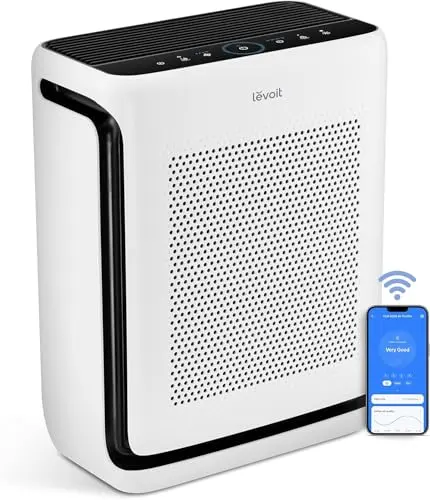
Vital 200S-P – Pet-Focused HEPA for Large Rooms
The Vital 200S-P is built around pet households: a traditional intake plus a U-shaped side inlet pulls in hair and dander before it settles, while a high CADR rating and large coverage claim make it a strong fit for open living areas. App control and an air-quality monitor add convenience.
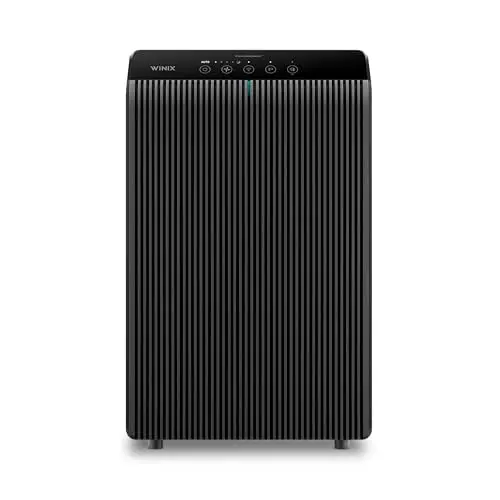
5510 – True HEPA with Advanced Odor Control
The 5510 is Winix’s current large-room workhorse, pairing True HEPA filtration with an advanced carbon filter aimed at pet odors and cooking smoke. Auto mode, an air-quality indicator, and app support make it easy to leave running.
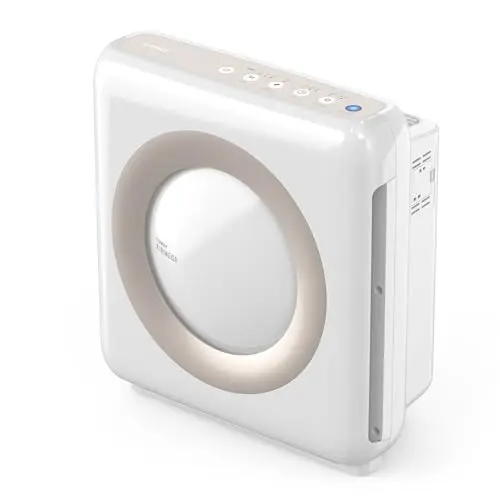
AP-1512HH – Four-Stage Filtration Workhorse
A long-running favorite, the AP-1512HH uses a four-stage system with a washable pre-filter, deodorization filter, and HEPA media to tackle pet dander and household odors. Auto mode and a color-coded air-quality light keep operation simple.
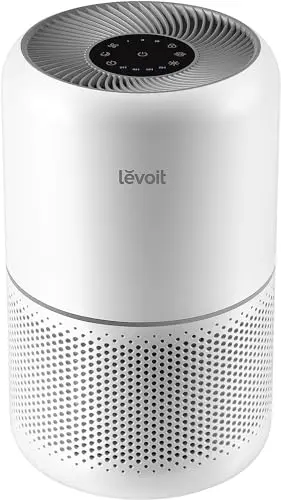
Core 300-P – Quiet Budget HEPA for Bedrooms
The Core 300-P is the value pick for pet owners who need a quiet bedroom purifier without extra smart features. It’s AHAM Verifide, uses a three-stage HEPA-grade filter, and drops to a near-silent sleep mode.
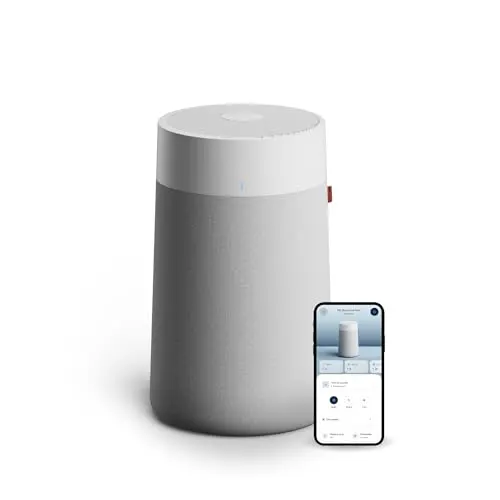
Blue Pure 311i Max – Smart HEPASilent for Open Spaces
The Blue Pure 311i Max pairs HEPASilent dual filtration with a 360-degree intake and app-based control. It’s a good fit for open living areas where you want large coverage and a clean Scandinavian look.
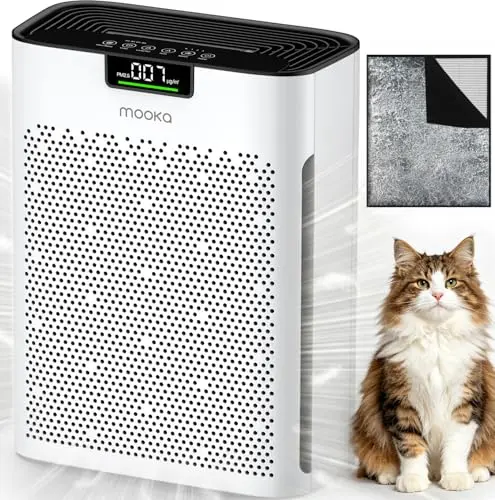
KJ190H – High-Intake Value Pick for Pet Homes
The MOOKA KJ190H is a budget-minded large-room purifier with a wide front and dual-side intake aimed at pet hair, plus auto mode, a PM2.5 display, and an aromatherapy pad. It’s a lot of purifier for the entry-level tier.
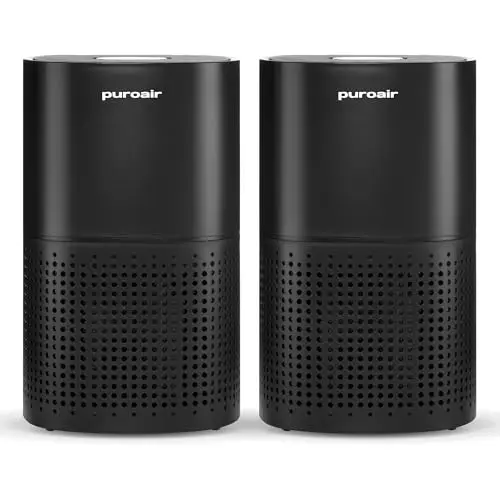
PuroAir 240 – Two-Pack Coverage with Auto Sensing
The PuroAir 240 comes as a two-pack, making it easy to cover a bedroom and living room with the same filter platform. It combines HEPA and carbon filtration with an auto-mode particle sensor and a quiet sleep setting.

HAP607 – Extra-Large Coverage on a Budget
The FreAire HAP607 pushes extra-large coverage claims into the budget tier, with a triple-intake design, washable pre-filter, PM2.5 display, and turbo mode for fast cleanup. It’s aimed at pet owners who want raw airflow per dollar.
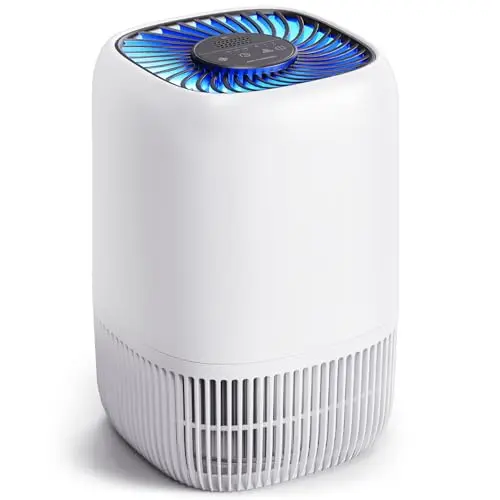
DH-JH12 – Compact HEPA for Small Spaces
The VOOPNU DH-JH12 is a compact desktop purifier for small rooms, with 360-degree intake, three speeds, a timer, and an essential-oil tray. It’s best as a supplemental unit near a litter box or pet bed.
How We Evaluated These HEPA Air Purifiers for Pets
We didn’t run lab particle-count tests or sealed-chamber CADR measurements. What we did: cross-referenced 9 HEPA air purifier models from 8 distinct brands across six decision axes – true HEPA filtration, pet-hair and dander handling, odor control, room coverage and CADR, noise and sleep operation, and filter maintenance. We triangulated published specifications, feature sets, owner feedback where available, and fit for pet households with shedding cats and dogs. We also weighed how each unit would behave in the rooms pet owners actually use: bedrooms, living rooms, and the hallway where the litter box lives.
The scoring framework weighted real-world pet-household fit (70%) – how well each purifier captures hair and dander, manages odors, and suits the room it’s meant for – against feature differentiation (30%) – unique intake designs, sensor and app features, and maintenance advantages. We mapped coverage claims against realistic room sizes rather than taking them at face value, and we audited filter setups for the washable pre-filters that matter in shedding households. We favored units with washable pre-filters, credible CADR figures, and sleep modes that are quiet enough to leave running. We have no commercial relationship with any brand here; recommendations track fit and differentiation, not brand preference. If you want the strongest all-around pet-household package, the Vital 200S-P is our top pick. If odor control is the priority, the Winix 5510 is the better route.
How to Choose the Right HEPA Air Purifiers for Pets
1. Why HEPA Filtration Matters More in a Pet Household
In a pet household, true HEPA filtration is the baseline because it’s rated to capture 99.97% of airborne particles at 0.3 microns, including the dander that rides on hair and skin flakes. The word HEPA gets used loosely, so look for a unit that states true HEPA or HEPA-grade performance and gives a CADR rating you can compare across brands. Activated carbon is the other half of the equation if odors are part of the problem – it helps with litter-box smells, pet odors, and cooking fumes that HEPA alone won’t address.
2. Match CADR and Coverage to the Rooms Your Pets Use
Coverage claims are where spec sheets get optimistic. A purifier that says it cleans a huge room in one hour may only turn that room over once, which isn’t the same as continuous cleaning. Look at CADR for smoke, dust, and pollen, then match it to the room where your pet spends the most time. For a bedroom, a compact unit with solid CADR can be enough; for an open living area, you want a higher air changes per hour target and enough real airflow to keep up. AHAM Verifide listings are a useful shortcut because they’re independently tested.
3. Pet Hair, Dander, and Odor Are Three Different Jobs
Pet hair, dander, and odor are different particle problems. Hair is large and clogs filters, so a washable pre-filter is the first line of defense. Dander is fine and sticky, which is why true HEPA media matters. Odor is a gas problem, so activated carbon and a well-designed carbon filter do the work. If odor is the main complaint, the Winix 5510 is the pick here because its advanced carbon stage is aimed squarely at pet and household smells.
4. Noise and Placement in Pet Households
Noise matters more in a pet home than the spec sheet suggests. A purifier that runs at a conversational level will get turned off in the bedroom, which defeats the purpose. Look for a sleep mode in the low 20s dB if you’re sensitive, and check whether the display lights can be dimmed or turned off. Placement matters too: keep the unit off the wall and away from curtains so 360-degree intake or side inlets can breathe. If you have a curious chewer, a child lock is a small feature that earns its keep.
5. Filter Costs and Maintenance for Pet Owners
Budget for filters, not just the purifier. Pet hair shortens filter life, so a washable pre-filter can save real money over time, and a filter indicator takes the guesswork out of replacement. Check the cost and availability of replacement filters before you commit; some entry-level units are cheap upfront but have limited filter options. If you want low-cost upkeep, the Levoit Core 300-P is the pick for bedrooms, with a simple filter setup and a compact footprint.
6. What HEPA Air Purifier Features Are Worth Paying For?
Smart features are nice, but they’re not all equal. Auto mode with a PM2.5 sensor is genuinely useful in a pet home because it ramps up when dander or smoke spikes. App control helps if the purifier is in a different room, but it’s not essential. A timer is handy, and an aromatherapy tray can add scent but won’t replace carbon filtration. Focus your budget on filtration, airflow, and quiet operation first; app extras are second-tier.
Frequently Asked Questions
1. Are all HEPA air purifiers actually good for pets?
No. HEPA filtration is the starting point, not the whole job. A purifier that’s great for a pet home also needs a washable pre-filter to catch hair before it clogs the HEPA media, enough CADR for the room, and some form of activated carbon if litter-box or dog odors bother you. A compact unit with a true HEPA filter can still be overwhelmed in a large, shedding household.
2. What's the difference between the Levoit Vital 200S-P and Winix 5510 for pet hair?
The Vital 200S-P is the more pet-specific design, with a U-shaped side inlet that pulls hair in from more than one direction and a high CADR rating for large rooms. The Winix 5510 counters with True HEPA filtration and an advanced carbon filter that’s especially strong on odors. If hair and dander are the main problem, start with the Vital; if litter-box or cooking smells dominate, the Winix is the better fit.
3. How does the Coway AP-1512HH compare with the Levoit Core 300-P for a pet bedroom?
The Coway AP-1512HH is the larger-room option here, with a four-stage filtration system, a washable pre-filter, and a three-year warranty. The Levoit Core 300-P is more compact and easier to tuck into a bedroom, and its near-silent sleep mode is a real advantage at night. For a primary bedroom with one pet, the Core is often enough; for a bigger room or a heavier shedding load, the Coway gives you more headroom.
4. Do I need a washable pre-filter if I have a shedding dog or cat?
Yes, if your dog or cat sheds. A washable pre-filter catches hair, lint, and larger dust before it reaches the HEPA layer, which helps the expensive filter last longer. It also makes routine maintenance easier: rinse or vacuum the pre-filter every few weeks, let it dry fully, and put it back. Models like the Coway AP-1512HH, Winix 5510, MOOKA KJ190H, and FreAire HAP607 all include washable pre-filtration.
5. How often should I replace HEPA filters in a pet household?
Follow the filter indicator on your purifier, but don’t ignore what the room is telling you. In a pet household, a HEPA filter can load faster because hair and dander are constant. Check the pre-filter monthly, and replace the HEPA filter when airflow drops noticeably, odor returns quickly, or the indicator comes on. A filter reminder is helpful, but a visual check is still worth doing.
Final Verdict
For most pet households, the Vital 200S-P is the pick – its U-shaped intake, high CADR, and large-room coverage make it the easiest purifier to live with when hair and dander are constant. If you want the best odor-focused alternative, the Winix 5510 brings a stronger carbon filter and a proven large-room design. Budget-minded shoppers should look at the Core 300-P for bedrooms, where its quiet sleep mode and AHAM-verified performance do the important work without extras. And if you need a reliable, simple workhorse with a long warranty, the AP-1512HH remains a sensible choice. Match the purifier to the room your pet uses most, keep the pre-filter clean, and you’ll get the biggest real-world gain.
