
Best In-Duct Uv Air Purifiers – 2026 Reviews

A duct-mounted UV purifier is easy to misunderstand. It doesn’t replace a filter or a whole-home air cleaner; it works inside the HVAC system, shining germicidal UV-C light on coils, duct surfaces, and moving air. That makes it a quiet helper for mold, musty odors, and biological growth rather than a dramatic room-cleaning appliance.
The useful split in this category is between simple single-lamp duct lights and integrated in-duct purification systems. A basic UV lamp is about wavelength, wattage, installation clearance, and how often you’ll replace bulbs. An integrated system adds catalysts, ionizers, or airflow sensors, and those extras can justify a higher tier if odor control or automated operation matters to you.
We looked across the market for models that make sense for different buyers: a premium whole-house purifier, a high-output lamp, budget-friendly duct lights, and multi-bulb options. The goal is to match the unit to your ductwork and maintenance tolerance, not to chase the biggest wattage number.
Best In-Duct UV Air Purifiers – 2026 Reviews
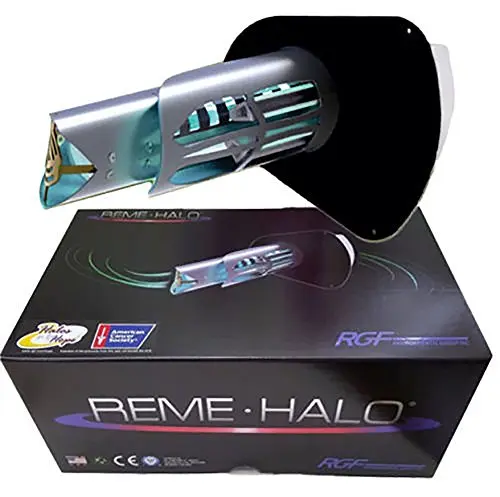
Reme Halo 24V – Whole-House In-Duct Purification
A premium in-duct purification system that pairs UV-C light with an enhanced catalyst and adjustable ionized hydro-peroxide output. It’s aimed at whole-house odor, surface, and airborne biological treatment rather than simple coil illumination.
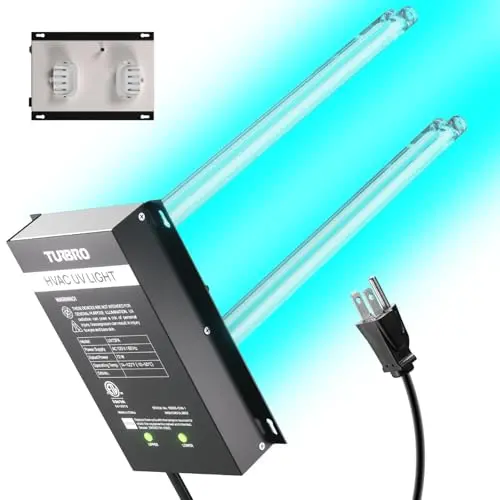
UV72PA – High-Output UV With Airflow Sensor
A high-output 72W in-duct UV lamp with an airflow sensor, HOLD and AIRFLOW modes, and ozone-conscious operation. It’s built for larger ducted systems that need strong UV-C coverage and energy-saving control.
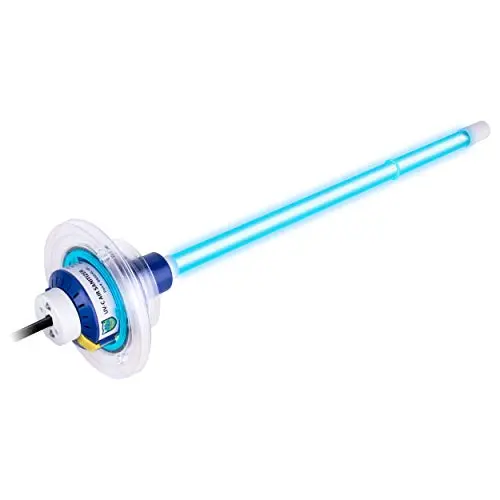
50-BUVAS-E – Complete HVAC UV Kit
A complete 20W HVAC UV-C kit with a 17-inch lamp, DIY guide, and coil-focused design. It’s a straightforward way to add continuous UV treatment to an AC system.
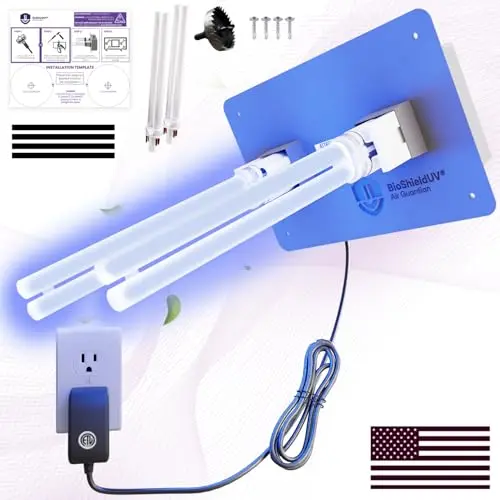
BioShieldUV Air Guardian – Four-Bulb Duct Coverage
A flush-mount in-duct UV purifier with four bulbs, a complete installation kit, and multiple safety certifications. It’s designed for broad duct coverage and continuous operation.

26W HVAC UV Light – D200/R18/R2000 Compatible
A 26W in-duct UV purifier compatible with D200, R18, R18D, and R2000 systems, with two replacement bulbs and dual indicator LEDs. It’s a value-oriented whole-house option.

R2000 – Simple Whole-House Duct UV
A simple 120V in-duct UV lamp with a 9-foot cord and European-made bulbs. It’s a budget-friendly way to add germicidal UV-C to an HVAC duct.

Whole-House UV Duct Kit – Two Replacement Bulbs Included
An ozone-free in-duct UV kit with a sight glass, electronic ballast, and two replacement bulbs. It’s designed for 1-to-5-ton AC systems and straightforward DIY installation.

90W UV Duct Light – High-Output Germicidal Lamp
A high-output duct UV lamp sold as a 90W unit with an ozone-free bulb and a 6-foot cord. It’s aimed at odor and mold control in HVAC ducts.
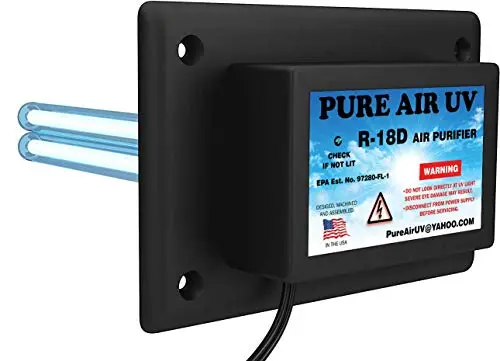
R-18D – Dual-Light In-Duct Purifier
A dual-light in-duct UV purifier with a 120V plug and 9-foot cord. It’s a compact whole-house option built around UVC bulbs at 253.7 nm.
How We Evaluated These In-Duct UV Air Purifiers
We didn’t run these through a full heating-and-cooling season or measure UV-C dose with a calibrated radiometer. What we did: cross-referenced 9 in-duct UV air purifier models from 9 distinct brands across 6 decision axes – UV-C wavelength and output, installation clearance, bulb replacement cadence, build and safety certifications, owner-feedback themes where available, and fit for different HVAC setups. We triangulated published specifications, feature sets, and use-case fit against representative buyer profiles for whole-house and coil-focused installations. We also mapped each unit’s physical requirements, such as duct-hole count, cord length, and lamp clearance, to common residential air-handler layouts. Where specifications were thin, we kept the assessment narrow rather than filling gaps with assumptions.
The scoring framework weighted real-world fit and performance (70%) – how well each option delivers on its stated duct-purification job – against feature differentiation (30%) – unique technical advantages like airflow sensing, multi-bulb coverage, catalysts, or installation kits. We weighed simple single-lamp designs against integrated purifiers rather than assuming more hardware is always better. We treated certifications, replacement bulbs, and installation templates as real ownership factors, not spec-sheet decoration. We have no commercial relationship with the brands featured; recommendations track fit and differentiation, not brand preference. If you want integrated whole-house odor and surface treatment, the RGF Reme Halo is your match; if you want a high-output lamp with airflow-based control, the TURBRO UV72PA serves you better.
How to Choose the Right In-Duct UV Air Purifiers
1. What an In-Duct UV Air Purifier Can and Can't Do
An in-duct UV air purifier is a supplemental treatment device. It shines UV-C light on coil and duct surfaces and on air as it passes, which can help with mold, bacteria, and musty odors. It is not a replacement for a high-quality filter, source control, or a standalone room air cleaner. Expect it to support your HVAC system, not transform a smoky or damp house by itself.
The category splits into single-lamp duct lights and integrated purification systems. A single lamp is simpler and easier to maintain. An integrated system may add a catalyst, ionizer, or airflow sensor, which can broaden treatment but also adds setup complexity and more parts to monitor.
2. UV-C Output, Wattage, and Lamp Wavelength
Look for 253.7 nm UV-C output, the germicidal wavelength most duct lamps target. Wattage is a rough guide to intensity, but it is not the whole story: lamp quality, distance from the coil, and airflow matter just as much. A 20W lamp can make sense for coil-focused treatment, while a 72W or 90W lamp is aimed at larger ducts or stronger output.
Don’t confuse a glowing lamp with a working lamp. UV-C output fades before visible light disappears, so bulb replacement cadence matters more than the glow. Some units include indicator LEDs or a sight glass, but those usually confirm power, not germicidal dose.
3. Installation Clearance, Power, and Duct Safety
Most in-duct UV lamps require two drilled entry points: one for the lamp and one for the ballast or power head. Check duct clearance before buying, especially for longer lamps and multi-bulb panels. A nearby outlet or a hardwired connection is required depending on the model, and some high-output units need more space than a basic lamp.
Fire-safe certification and UL or ETL listing are worth prioritizing for a device that runs continuously inside ductwork. Follow the template, seal the openings, and keep the lamp away from materials that shouldn’t be exposed to concentrated UV.
4. RGF Reme Halo vs TURBRO UV72PA: Integrated Purification vs High-Output UV
The RGF Reme Halo is the more complete purifier: UV-C plus a catalyst and adjustable ionized hydro-peroxide output. That makes it the stronger choice for whole-house odor and surface treatment, though it costs more and has mixed durability reports. The RGF Reme Halo is the pick if you want an integrated approach.
The TURBRO UV72PA is a simpler high-output UV lamp with an airflow sensor and energy-saving modes. It’s the better fit if you mainly want strong UV-C output and automated operation without catalyst hardware. Choose the TURBRO UV72PA if that profile matches your system.
5. Bulb Replacement, Maintenance, and Long-Term Ownership
Plan for annual bulb replacement in many residential setups, with some makers suggesting every 8 to 10 months. Keep a spare set if the unit uses uncommon lamps. Clean the lamp and sight glass when you service the HVAC system, and don’t rely on a power indicator alone to tell you the UV-C is still effective.
Long-term ownership is mostly about bulb availability and ballast quality. A cheap lamp with hard-to-find replacement bulbs can cost more over time than a slightly pricier unit with standard lamps.
6. Matching an In-Duct UV Air Purifier to Your HVAC System
Match the unit to your duct size, air-handler layout, and maintenance tolerance. A single-lamp kit is enough for many coil-focused installs, while a multi-bulb or high-output model suits larger ducts and buyers who want broader coverage. If you have a damp basement or persistent musty odor, treat the UV purifier as one part of a larger moisture and ventilation fix.
For a straightforward low-cost lamp, the REKO Lighting R2000 is the pick. For a complete flush-mount multi-bulb kit, look at the Mammoth BioShieldUV Air Guardian. And if you want integrated purification, the RGF Reme Halo remains the most complete option.
Frequently Asked Questions
1. What's the difference between the RGF Reme Halo and TURBRO UV72PA?
The RGF Reme Halo is an integrated in-duct purifier that pairs UV-C light with a catalyst and adjustable ionized hydro-peroxide output. The TURBRO UV72PA is a high-output UV lamp with an airflow sensor and energy-saving modes. Choose the RGF Reme Halo for a broader whole-house purification approach; choose the TURBRO for simpler high-output UV treatment.
2. Is a 20W in-duct UV air purifier enough for a whole house?
A 20W lamp can be enough for coil-focused treatment in a typical residential system, but it is not a universal answer. Duct size, lamp placement, and airflow determine how much UV-C reaches the coil. Larger air handlers or buyers who want stronger output should look at 72W or 90W models, while smaller systems may do fine with a single-lamp kit.
3. How often do UV-C bulbs in duct purifiers need replacement?
Many makers suggest replacing UV-C bulbs every 8 to 10 months, and annual replacement is a safe default. The lamp may still glow after its germicidal output has faded, so don’t wait for a visible failure. Units with indicator LEDs or a sight glass usually confirm power, not UV dose, so keep a maintenance calendar.
4. Qualirey 26W vs REKO R2000: Which is the better budget-friendly choice?
The Qualirey 26W gives you 253.7 nm UV-C, two replacement bulbs, and indicator LEDs, with compatibility for several common D200 and R-series layouts. The REKO Lighting R2000 is simpler: a 120V plug, a 9-foot cord, and straightforward duct mounting. Choose the REKO Lighting R2000 if you want the simplest low-cost lamp; choose the Qualirey if spare bulbs and monitoring matter more.
5. Do in-duct UV air purifiers produce ozone?
UV-C lamps at 253.7 nm are generally ozone-free when the lamp is designed for air purification. Ozone risk rises when a unit adds an ionizer or uses a lamp that emits 185 nm output. Look for explicit ozone-free claims and safety certifications, and treat any strong ozone smell as a reason to investigate the install.
Final Verdict
For most buyers, the RGF Reme Halo is the best overall in-duct UV air purifier because it combines UV-C with catalyst and ionized hydro-peroxide treatment for whole-house odor and surface coverage. If you want a simpler high-output lamp with airflow-based control, the TURBRO UV72PA is the premium-feature pick. Budget-conscious shoppers should look at the REKO Lighting R2000 for basic duct UV, while the Mammoth BioShieldUV Air Guardian makes sense when you want a four-bulb array and a complete flush-mount kit. Whichever you choose, plan on regular bulb replacement and match the unit to your duct clearance before you drill. That’s the practical route to cleaner duct air without overbuying hardware.
