
Best Mattress Protectors For Bed Wetters – 2026 Reviews

A wet bed at 2 a.m. is less about the laundry and more about what is happening underneath the sheet. Bed wetters need a protector that can absorb a sudden accident, block liquid from the mattress, and survive being washed often enough to be ready for the next night.
The category is crowded with fitted sheets, terry covers, and zippered encasements, and they are not interchangeable. The best mattress protectors for bed wetters balance four things: a reliable waterproof barrier, an absorbent top layer, a quiet surface, and a fit that stays put on a restless sleeper. Depth matters too, especially on thicker mattresses or beds with toppers.
We looked across major brands and compared the details that actually matter for bed wetting, not just the marketing labels. This guide will help you choose between a quick-change fitted protector and a full six-sided encasement, and flag where each design gives up comfort or convenience.
Best Mattress Protectors for Bed Wetters – 2026 Reviews

Queen Mattress Protector – Quiet Cotton-Terry Defense
A fitted Queen protector with a cotton-blend terry surface and a quiet waterproof backing. The stretchable pockets pull over the mattress, and the whole cover goes into the washing machine on cold.
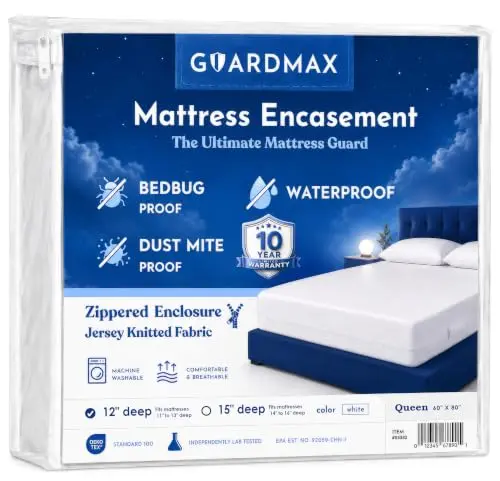
Queen Mattress Encasement – Six-Sided Bedwetting Defense
A zippered Queen encasement that seals on all six sides with a jersey-knit surface and a waterproof layer. It is built for full-mattress containment and machine washing.
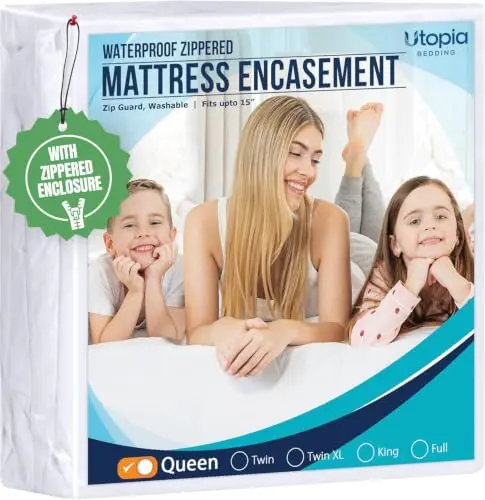
UB1205 Zippered Encasement – Six-Sided Waterproofing
A Queen zippered encasement with a smooth knitted polyester surface and a TPU barrier on all sides. The wrap-around zipper closes the mattress in for full coverage.
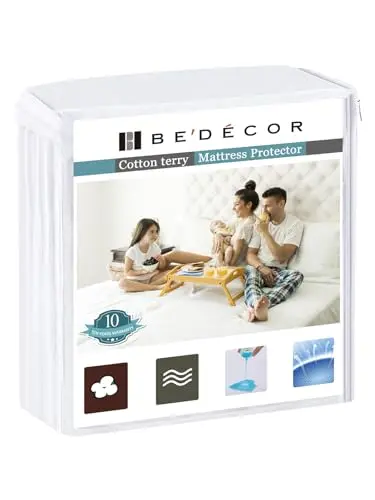
USH8102 Cotton-Terry Protector – Noiseless Deep-Pocket Defense
A Queen fitted protector with a cotton-terry face, a breathable TPU membrane, and deep pockets that stretch from 9 to 18 inches. The noiseless build is aimed at everyday bed-wetting use.
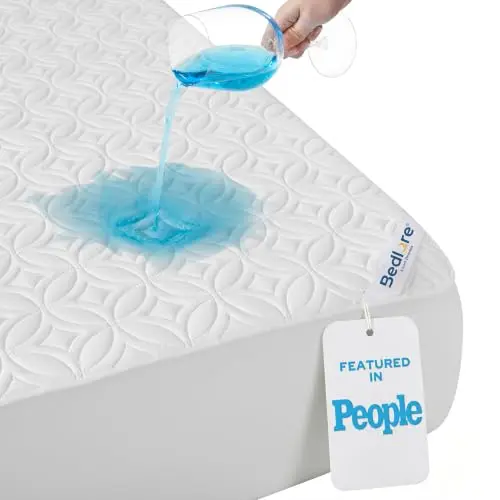
BDL-UM002 Quilted Protector – Soft Deep-Pocket Coverage
A quilted Queen protector with a brushed microfiber surface, a waterproof TPU layer, and a 360 elastic skirt that fits mattresses up to 18 inches deep. It is designed to stay quiet and slip-free.
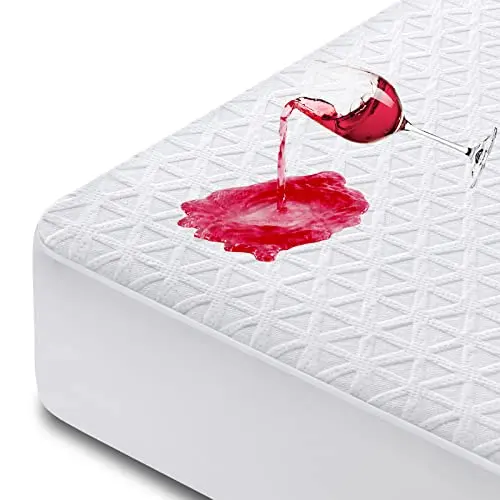
MP-ZXW-2022 3D Air Protector – Cooling Deep-Pocket Fit
A Queen fitted protector with a 3D air fabric surface, a bamboo-derived blend, and a TPU waterproof backing. It stretches over mattresses from 8 to 21 inches deep.
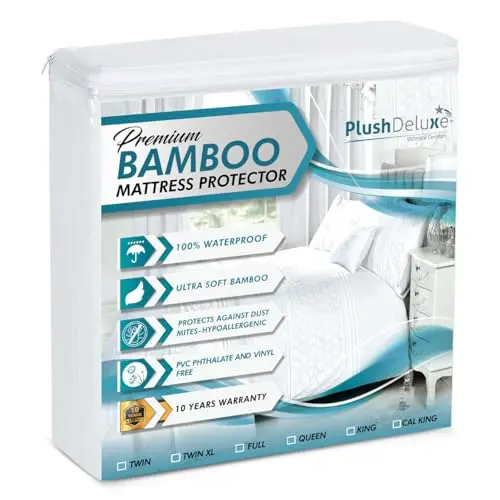
Bamboo Mattress Protector – Soft King-Size Comfort
A King-size fitted protector made with viscose derived from bamboo, a waterproof membrane, and a silent, breathable build. It fits mattresses up to 18 inches deep.
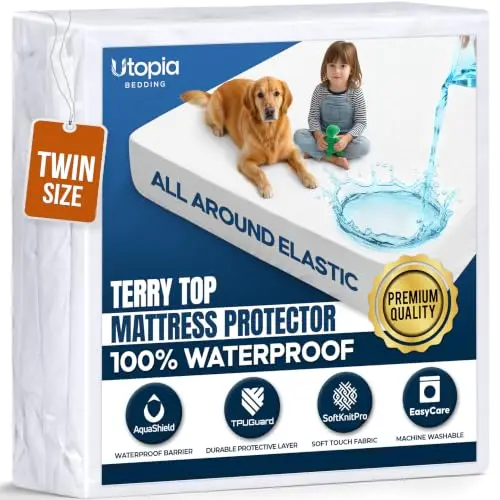
UB0052 Twin Fitted Protector – Budget-Friendly Protection
A Twin-size fitted protector with a soft blended surface, a waterproof TPU backing, and deep pockets for mattresses up to 15 inches. The all-around elastic keeps it in place.
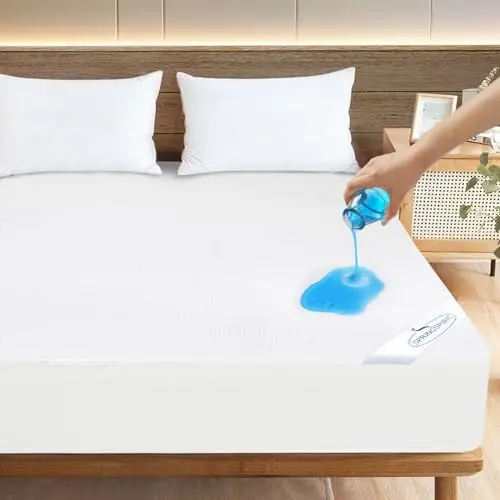
USBC10184 Fitted Protector – Soft Terry Waterproofing
A Queen fitted protector with a short-terry face, a TPU waterproof membrane, and deep pockets that fit mattresses up to 18 inches. It is machine washable and designed for kids, pets, and elderly users.
How We Evaluated These Mattress Protectors for Bed Wetters
We didn’t run controlled liquid-penetration lab tests or a multi-month wash trial. What we did: cross-referenced nine mattress protectors from eight distinct brands across six decision axes – waterproof barrier design, surface absorbency, quietness, fit and mattress depth, closure style, and laundry practicality. We triangulated published specifications, feature sets, and owner feedback where available, then mapped each option against the realities of bed wetting: overnight volume, frequent changes, skin comfort, and the need for a barrier that survives repeat washing. We also weighed how easily each protector can be removed, washed, and refitted during a disrupted night. Because bed-wetting needs differ from general spill protection, we weighted containment and repeat-wash practicality more heavily than decorative stitching or hotel-style finishes. Where a listing covered only one size, we treated that size as part of the product’s practical fit rather than a footnote.
The scoring framework weighted real-world fit for bed wetters (70%) – how well each protector contains accidents and supports a quick cleanup routine – against feature differentiation (30%) – zippered encasement coverage, deep-pocket range, breathable fabrics, and absorbent surfaces. We have no commercial relationship with any brand here; recommendations track fit and differentiation, not brand preference. If you want the best balance of quiet comfort and absorbent protection, the SafeRest Queen Mattress Protector is the pick; if you need six-sided containment for heavier wetting, the Guardmax Queen Mattress Encasement is the stronger match.
How to Choose the Right Mattress Protectors for Bed Wetters
1. Why Bed Wetters Need a Different Mattress Protector
Bed wetters do not just need a cover that shrugs off a spilled glass of water. They need a protector that can handle bed-wetting volume, often more than once in a night, and still be easy to strip and wash. That is why the best options combine an absorbent top layer with a reliable waterproof backing rather than relying on a thin plastic sheet alone.
A fitted protector is usually the fastest change, while a zippered encasement gives fuller containment. The right choice depends on how heavy the accidents are, how often laundry happens, and whether the sleeper is sensitive to crinkling or heat.
2. Waterproofing That Holds Up to Nighttime Accidents
Look for a continuous TPU membrane and sealed seams rather than a spray-on finish. The barrier should cover the sleeping surface and, in an encasement, the sides and bottom too. Six-sided coverage is the strongest defense against a large accident that runs toward the edges of the mattress.
If heavy accidents are the concern, the Guardmax Queen Mattress Encasement is the pick because it wraps the whole mattress and closes with a zipper. A fitted protector can still work well for lighter wetting, especially when it has a deep skirt and a tight elastic fit.
3. Quiet Comfort for Bed Wetters and Their Families
Noise is not a cosmetic issue for bed wetters. A protector that crinkles every time someone shifts can wake the whole room, which is the last thing a disrupted night needs. A noiseless surface usually means a fabric face, such as cotton terry or jersey knit, bonded to the waterproof layer rather than a bare plastic sheet.
For a quiet cotton-terry feel, the Bedecor Queen Mattress Protector is the pick. It keeps the mattress feel intact and avoids the telltale crackle that makes some protectors obvious.
4. Fitted Sheet vs. Zippered Encasement: Which Fit Works for Bed Wetters?
A fitted-sheet protector is the practical everyday choice for bed wetters because it pulls off and goes straight into the wash. A zippered encasement takes longer to remove, but it contains the mattress on all six sides and can be the better match for heavy or frequent accidents.
Check mattress depth before buying. A protector that is too shallow will ride up at the corners; one that is too deep can bunch under the sheet. For everyday bed-wetting duty, the SafeRest Queen Mattress Protector is the pick because it balances a snug fitted fit with a soft terry surface.
5. Absorbency, Breathability, and Laundry Practicality
Surface absorbency buys time before liquid reaches the barrier, which is useful in the minutes between an accident and a change. Breathability matters too: a membrane that traps heat can make the bed uncomfortable, especially for a child who is already restless.
Make sure the protector is machine washable and follow the care label. Low tumble drying or line drying helps preserve the waterproof layer, and a spare protector is not a luxury when accidents cluster.
6. Budget, Mid-Range, and Premium Mattress Protectors
The category spans budget-friendly fitted covers, mid-range cotton-terry protectors, and premium bamboo or quilted options. Spending more can buy a softer surface, a wider depth range, or a more secure closure, but it does not automatically mean better waterproofing.
If you want the strongest value in a zippered design, the Utopia Bedding UB1205 is the pick. It covers the mattress on all sides without pushing into premium territory, which makes it easier to keep a backup.
Frequently Asked Questions
1. What's the difference between the SafeRest Queen Mattress Protector and the Guardmax Queen Mattress Encasement?
The SafeRest is a fitted protector: it covers the top and drapes over the sides with stretchable pockets, so it is fast to remove and wash. The Guardmax is a zippered encasement that seals on all six sides, which gives more containment for heavy accidents but takes longer to change. For everyday bed wetting, the fitted design is usually more convenient; for full mattress protection, the encasement is the stronger shield.
2. Is the Utopia Bedding zippered encasement or the Bedecor cotton-terry protector better for bed wetters?
They solve different problems. The Utopia Bedding UB1205 is a six-sided zippered encasement, so it is the better choice when accidents are heavy or when the mattress itself needs full containment. The Bedecor is a fitted cotton-terry protector with a quieter, more absorbent surface, which suits lighter accidents and frequent middle-of-the-night changes. If you want a quick-change top layer, choose the Bedecor; if you want a full mattress barrier, choose the Utopia.
3. Do waterproof mattress protectors for bed wetters really stay quiet?
The quiet ones use a fabric face, such as cotton terry, jersey knit, or brushed microfiber, bonded to the waterproof layer. The noisiest versions tend to have a bare plastic or vinyl surface. A noiseless protector will not be completely silent, but it should not crinkle loudly when someone rolls over. If quiet is a priority, look for fabric-backed waterproofing rather than a loose plastic sheet.
4. How often should you wash a mattress protector for bed wetting?
Wash it after every wet night, and keep a spare so the bed can be remade immediately. A machine-washable protector should go on a gentle cycle with mild detergent, then low tumble dry or line dry. Avoid fabric softener and high heat because they can degrade the waterproof membrane. If accidents are frequent, a two-protector rotation is more practical than waiting for one cover to dry.
5. Should bed wetters use a fitted protector or a zippered encasement?
Use a fitted protector for everyday accidents and quick laundering, especially if the mattress is already in good condition. Use a zippered encasement when accidents are heavy, when the mattress needs full six-sided protection, or when allergens and dust mites are also a concern. Some households use both: a zippered encasement as the base and a fitted terry protector as the washable top layer.
Final Verdict
For most bed-wetting households, the SafeRest Queen Mattress Protector is the answer: it pairs a soft cotton-terry surface with a quiet waterproof backing and a fitted-sheet fit that is easy to strip and wash. If accidents are heavy or you want full mattress containment, the Guardmax Queen Mattress Encasement adds six-sided zippered protection and a soft jersey feel. Budget-minded shoppers should look at the Utopia Bedding UB1205, which brings zippered coverage at a value-friendly tier. And if quiet cotton-terry comfort is the priority, the Bedecor Queen Mattress Protector is the more tactile pick. Start with the SafeRest for everyday use, size up to an encasement for heavier wetting, and keep a spare in the laundry rotation.
