
Best Mattress Toppers For Pressure Points – 2026 Reviews

You don’t notice your mattress until something on it hurts. Then it’s a hip that aches by 3 a.m., or a shoulder that goes numb before the alarm even sounds. A topper won’t turn a bad bed into a great one, but for a lot of people it’s the difference between waking up stiff and waking up fine – and it’s a far cheaper experiment than replacing the mattress.
The catch is that pressure relief gets used loosely in marketing copy. What actually helps is a surface that spreads load across your shoulder and hip instead of letting it concentrate there, and how well a topper does that comes down to two things: whether the material conforms without bottoming out, and whether there’s enough thickness for your body weight. Get either one wrong and you’ve bought a soft sheet, not relief.
We looked at what’s genuinely on the market across foam, fiberfill, and air-cell designs – from budget pads you can throw in a washing machine to premium hybrid toppers built specifically for too-firm mattresses – so you can match the fix to the problem rather than guessing at it.
Best Mattress Toppers for Pressure Points – 2026 Reviews
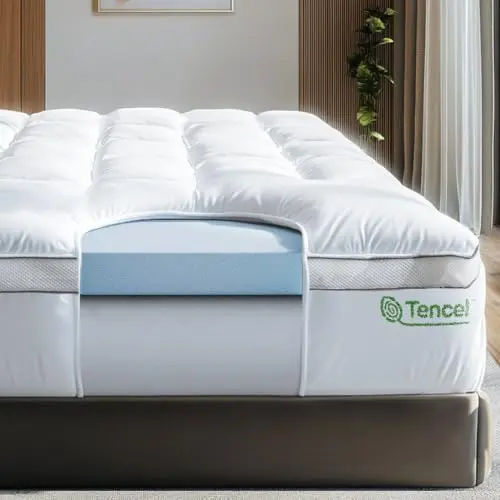
Rescue 4 Inch – Dual-Layer Plush for Pressure Relief
A dual-layer hybrid: a box-quilted pillow top with 470 GSM recycled fiberfill sits over gel-infused, CertiPUR-US certified memory foam. The intent is plush where you feel it and structure underneath, so hips and shoulders get cushioning without sinking through to a too-firm mattress. An 18-inch deep-pocket skirt and four corner straps hold it in place.
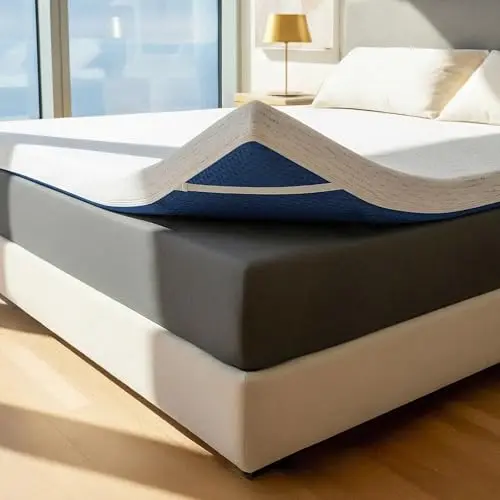
High Density 3 Inch – Medium-Firm Pressure Relief
A single block of high-density memory foam – over three pounds per cubic foot – cut to a medium-firm feel. Nothing is scooped out of the core, so support stays consistent across the whole surface. The gel infusion is aimed at heat movement, and the cover unzips for washing.
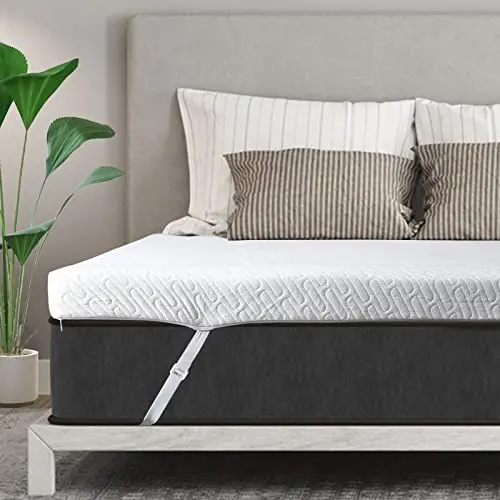
3 Inch Gel Memory Foam – Washable Bamboo Cover
Three inches of gel-infused memory foam with a medium feel, wrapped in a removable bamboo-blend cover with a zipper closure. Adjustable elastic straps and an anti-slip backing keep it from wandering, and the foam is CertiPUR-US certified.
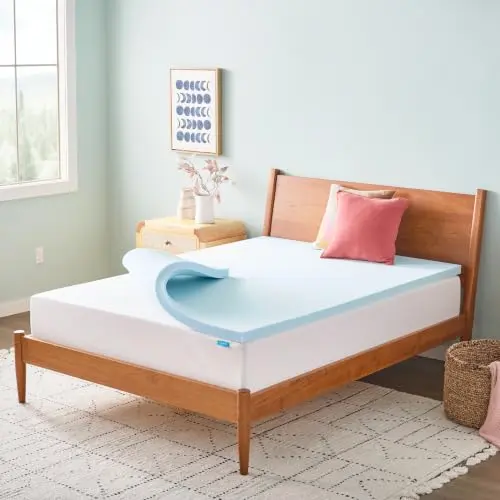
2 Inch Gel Memory Foam – Plush Entry-Level Relief
A plush two-inch gel-infused memory foam topper, CertiPUR-US certified and compressed for shipping. It expands over a day or two and stays thin enough to sit under standard fitted sheets without a wrestling match.
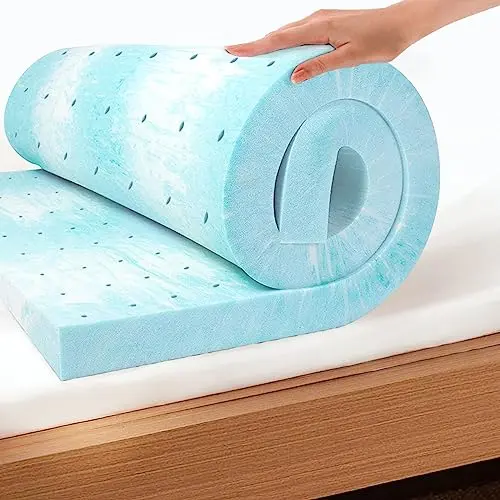
EGO 3 Inch – Ventilated Gel Foam in a Box
Three inches of AeroFusion memory foam with ventilated perforations and a gel infusion, shipped compressed in a box. The medium feel is designed to conform at the shoulders and hips while the vents move heat and humidity out of the sleep surface.
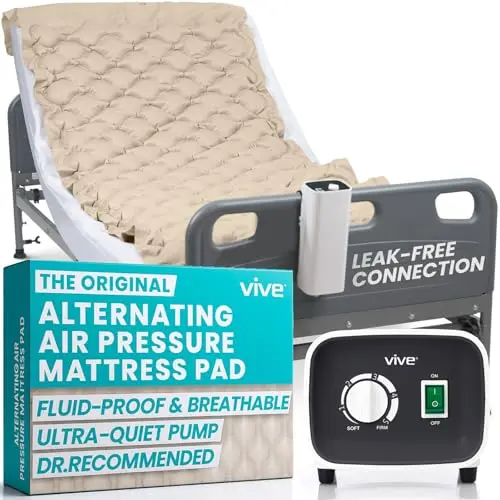
Alternating Air Pressure Mattress Pad – Medical-Style Bed Sore Relief
A twin-size air pad with 130 heat-sealed cells that inflate and deflate in alternating waves on roughly a six-minute cycle, driven by an external pump. The vinyl surface is waterproof, the pad supports up to 300 pounds, and top and bottom flaps tuck between mattress and frame to stop sliding.
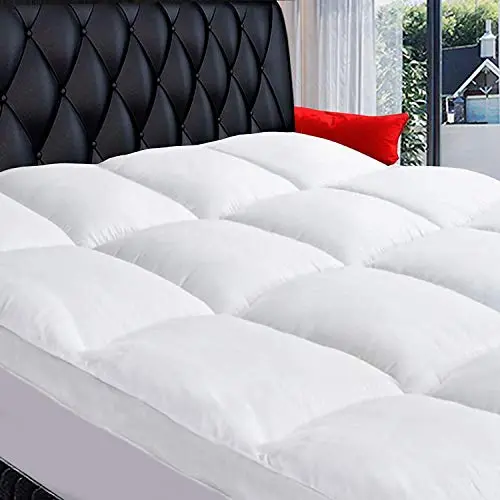
Cotton Pillow Top – Extra-Thick Fiberfill Comfort
An overfilled fiberfill pillow top with a 400-thread-count cotton surface and a deep elastic pocket that stretches over mattresses up to 21 inches. It’s machine washable and arrives compressed, so it needs a tumble dry to loft back up.
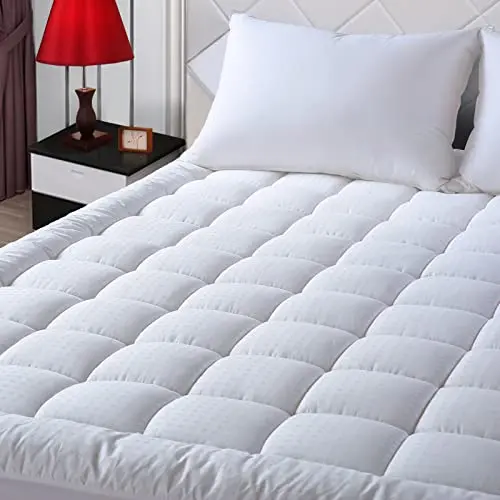
Cotton Pillow Top Mattress Pad – Down-Alternative Softness
A quilted pillow-top pad with a 300-thread-count cotton face over down-alternative fiberfill, finished with a deep pocket that stretches to 21 inches. Machine washable and machine dryable, so upkeep is straightforward.
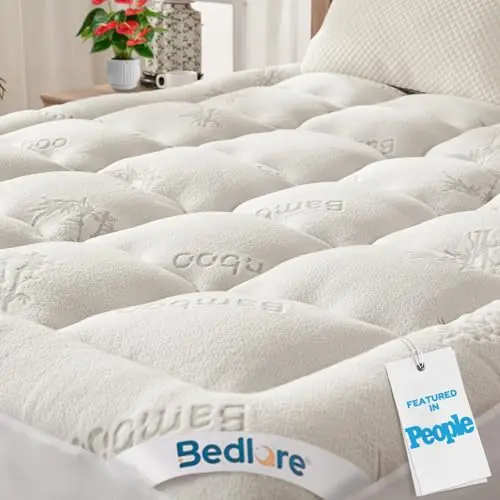
Bamboo Viscose Pillow Top – Soft Stretchable Fit
A quilted pillow top built on a bamboo viscose and polyester knit face, with stretchable pockets that fit mattresses from 6 to 18 inches deep. Machine washable and breathable by design.
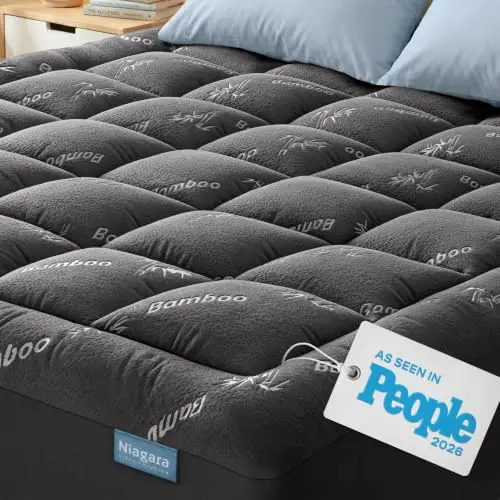
Ultra Soft Mattress Topper – Cloud-Like Cushioning
A plush pillow-top pad with a bamboo-derived rayon blend top, a 20-inch deep pocket, and a fiberfill core. Machine washable and shipped compressed, so it needs a shake and a few hours to reach full loft.
How We Evaluated These Mattress Toppers for Pressure Points
We didn’t put these toppers through multi-month durability trials or lab-measure contact pressure. What we did: cross-referenced 10 mattress toppers from 9 distinct brands across six decision axes – construction type, thickness, foam density or fiberfill loft, cover and care requirements, fit and retention, and how each one behaves for sleepers who wake up sore at the hips and shoulders. We audited published specifications, feature sets, and owner feedback where available, then mapped every option to a representative buyer profile.
What separates real pressure relief from a soft surface is whether the material keeps supporting you after it compresses. A two-inch pad that bottoms out feels great for one night and useless by morning. So we weighed thickness against the mattress underneath, density against expected longevity, and cover construction against how the topper feels under a sheet – plus whether the thing stays put at 3 a.m.
The scoring framework weighted real-world fit (70%), meaning how well each topper redistributes weight at the contact points, against feature differentiation (30%), meaning washable covers, deep pockets, cooling treatments, and warranty coverage. We have no commercial relationship with any of these brands; recommendations track fit and differentiation, not brand preference. If your mattress is simply too firm, the Rescue 4 Inch is your match; if you want pressure relief that still holds your spine in line, the High Density 3 Inch is the better pick.
How to Choose the Right Mattress Topper for Pressure Points
1. Mattress Topper Thickness and Firmness: Getting the Feel Right
Thickness decides whether a topper actually relieves pressure or just feels nice for ten minutes. A two-inch topper is enough for lighter sleepers and mild soreness; three to four inches is what you want if you’re heavier, a side sleeper, or trying to soften a genuinely hard mattress. Too thin and you bottom out – your hip or shoulder presses through to the surface underneath, and the soreness comes back by morning.
Firmness matters just as much. A medium-firm memory foam supports without swallowing you, while a plush pillow top delivers immediate softness that may or may not hold up. Neither is wrong; they solve different problems.
2. Memory Foam vs. Fiberfill Pillow Tops for Pressure Points
For pressure points specifically, the material determines the mechanism. Viscous memory foam conforms to the shape of your shoulder and hip, spreading load across a wider area – that’s the closest thing to genuine redistribution at this level of spend. Fiberfill loft cushions instead of conforming, which feels lovely for the first half hour but compresses under sustained weight.
There’s a third option: alternating air cells, which mechanically shift support every few minutes. That’s a medical-grade approach rather than a comfort upgrade, and it’s addressed further down.
3. Density and Foam Quality: What Actually Holds Up
Foam density, measured in pounds per cubic foot, predicts how long a topper keeps its shape. High-density foam above three pounds per cubic foot resists the collapse that turns a plush topper into a flat mat within a season. Look for CertiPUR-US certification too – it confirms the foam meets published standards for content, emissions, and durability.
Construction detail matters as well: single-block foam keeps support uniform, while cores that are scooped out to look plusher create dips where you least want them. If a cover you can actually launder is the priority, the VALUXE 3 Inch has the best one in this lineup.
4. Cooling, Breathability, and Hot Sleepers
Almost every foam topper claims cooling. Gel infusion helps modestly by distributing heat, and ventilated perforations give warm air somewhere to escape, but no foam topper is actively refrigerated. If overheating is your main complaint, a bamboo-derived or cotton cover will do more for you than any gel layer.
Set realistic expectations: foam sleeps warmer than fiberfill, and a breathable, washable cover is the most reliable way to manage it over time.
5. Fit, Deep Pockets, and Staying Put
A topper that slides is worse than no topper at all. Deep pockets in the 18-to-21-inch range handle thick mattresses and any layers you’ve already added; corner straps and anti-slip backings matter most for foam, which has no grip of its own. Measure your mattress depth before ordering – this is the single most common fit mistake in the category.
6. ViscoSoft Rescue vs. Linenspa Gel Foam: Which Fits Your Mattress?
The Rescue 4 Inch is the answer when the mattress itself is too firm: the dual-layer build adds plushness while keeping structure underneath, and it’s the most complete package here. The Linenspa 2 Inch is the answer when you want a plush foam layer and don’t want to spend much finding out whether foam works for you at all.
The tradeoff is straightforward – more depth and a washable cooling cover versus a lower entry point and a thinner profile that heavier sleepers can push through.
Frequently Asked Questions
1. How thick should a mattress topper be for pressure points?
It depends on your weight and sleep position, but three inches is the reliable middle ground for pressure-point relief. Side sleepers and heavier sleepers usually need three to four inches so the shoulder and hip have somewhere to sink without hitting the mattress. Lighter back and stomach sleepers can get away with two inches.
The practical test is whether you bottom out. If you can feel the mattress surface through the topper by morning, you need more thickness or a denser foam.
2. ViscoSoft Rescue 4 Inch vs. Linenspa 2 Inch: which suits your mattress?
They’re aimed at different problems. The Rescue 4 Inch is a dual-layer hybrid with a quilted pillow top over gel foam – it’s designed for a mattress that’s too firm, and the depth is what buys you the relief. The Linenspa 2 Inch is a single layer of plush gel foam at the entry tier: lighter, less expensive, and best when you mainly want to soften the surface.
Choose the Rescue if hip and shoulder pain is the complaint and the mattress is the culprit. Choose Linenspa if you want to test whether memory foam suits you before spending more.
3. VALUXE 3 Inch vs. MLILY EGO 3 Inch: how do these gel foam toppers differ?
Both are three-inch gel memory foam at a medium feel, so the differences live in the details. VALUXE ships with a removable bamboo-blend cover that’s machine washable and backs the foam with a ten-year warranty. MLILY skips the removable cover but adds ventilated perforations through the foam itself, which is the more direct answer to heat buildup.
If laundering matters, VALUXE wins. If you sleep hot and can live without a removable cover, the MLILY’s vented construction makes more sense.
4. Do fiberfill pillow-top toppers actually help with shoulder and hip pressure?
They help with surface comfort rather than deep pressure relief. A cotton-topped fiberfill pad softens the first inch or two and sleeps cooler than foam, which is why hot sleepers tend to like them. But fiberfill compresses under sustained weight, so the shoulder and hip still reach the firmer surface below.
For mild soreness or a guest bed, that’s plenty. For nightly hip pain, a dense memory foam topper is the more effective tool.
5. When is an alternating air pressure pad the better choice?
When the user can’t reposition themselves. An alternating air pad like the Vive shifts support across 130 air cells on a repeating cycle, which addresses the cause of pressure sores rather than just cushioning them. It’s the right tool for bedbound care and post-surgical immobility.
For anyone who moves normally in their sleep, it’s overkill – you’ll feel the cells, and the pump runs all night. Foam is quieter and simpler.
Final Verdict
For most people shopping for pressure relief, the Rescue 4 Inch is the answer. It’s the only topper here that pairs a genuinely plush surface with enough structure underneath to stop you sinking onto a too-firm mattress, and the deep-pocket skirt means it stays where you put it.
If you want to spend less, the Linenspa 2 Inch gets you real gel foam at the entry tier – just accept the thinner profile. If a washable cover and a long warranty matter more, go with the VALUXE 3 Inch. And if you’re caring for someone who can’t reposition themselves, the Vive Alternating Air addresses pressure sores in a way no foam topper can.
