
Best Natural Shampoo Bars – 2026 Reviews

Somewhere around the third wash, most people form a firm opinion about shampoo bars. Usually it’s about lather – or the lack of it. The other half of the story is the label: natural can describe a rice-water base built with shea and aloe, or a melt-and-pour soap with a botanical name printed on the front of the box.
Two things separate a natural bar you’ll keep using from one that ends up in the shower caddy graveyard. The first is whether the base is built to rinse clean – sulfate-free and pH balanced versus a true soap that leaves film behind on color-treated hair. The second is whether the formula is aimed at a specific hair type or tries to serve everyone at once. A bar for fine, oily hair and a bar for dry, brittle hair should not feel the same in your hand.
We compared the field across brands rather than falling for one house style, weighing how each bar behaves on the hair it’s actually meant for. What follows are picks for fragrance-sensitive scalps, fine hair that needs lift, dry scalps that want oil, and shoppers who simply want to test the format without spending much.
Best Natural Shampoo Bars – 2026 Reviews
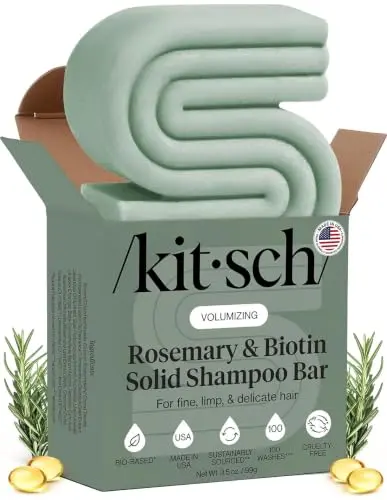
Rosemary & Biotin Shampoo Bar – Volume and Strength for Fine Hair
A compact, pH-balanced solid bar built around rosemary extract, biotin, and amaranth protein. It targets fine, flat hair that needs lift without heavy residue, and it’s formulated to be safe on color-treated strands.
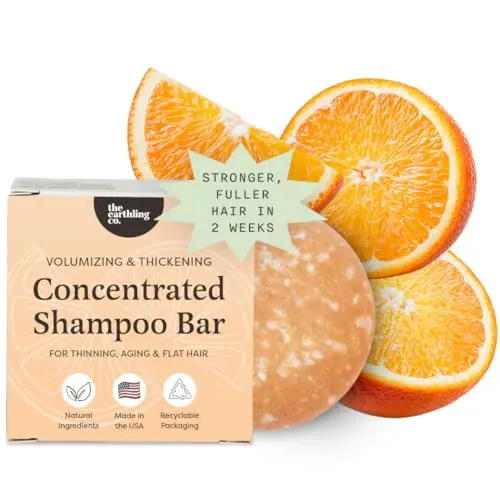
Citrus Sun Shampoo Bar – pH-Balanced Everyday Clean
A dermatologist-approved, pH-balanced solid bar with marshmallow root and elderberry for strand strength, plus glycerin and vitamin B5 for moisture without weight. Formulated for all hair types, including curly and color-treated.
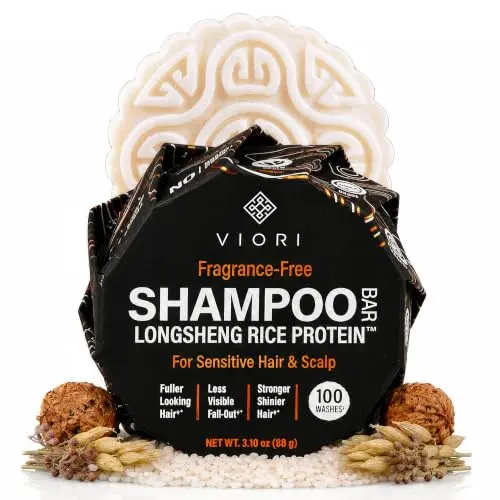
Native Essence Shampoo Bar – Fragrance-Free Rice Water Clean
The unscented member of Viori’s rice water lineup: no added fragrance, just rice bran oil, shea butter, cocoa butter, and aloe in a sulfate-free, vegan bar. Built for fragrance-sensitive routines.
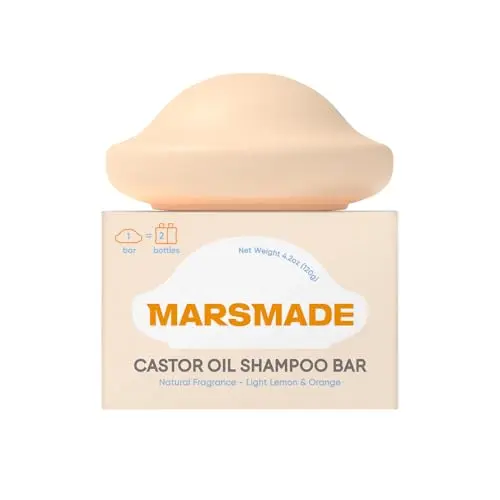
Castor Oil Shampoo Bar – Deep Nourishment for Scalp and Strands
A hefty 120g bar built on castor, jojoba, and moringa oils with turmeric extract, balanced for scalp nourishment across hair types. Subtle citrus scent, sulfate- and silicone-free.
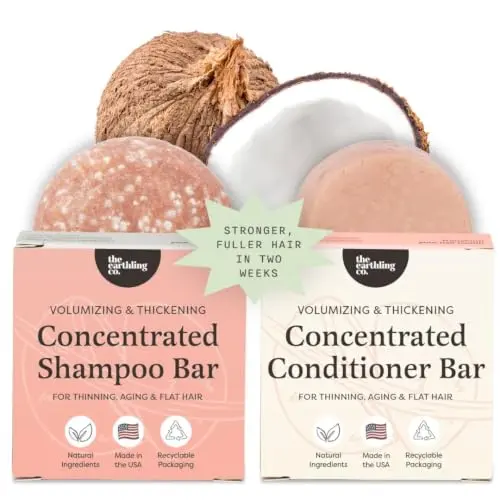
Volumizing Shampoo & Conditioner Bar Set – Fullness for Fine Hair
A matching shampoo and conditioner bar duo in Vanilla Coconut, with pro vitamin B5, glycerin, coconut oil, and cocoa butter. Designed to detangle while adding fullness to thin, flat hair.
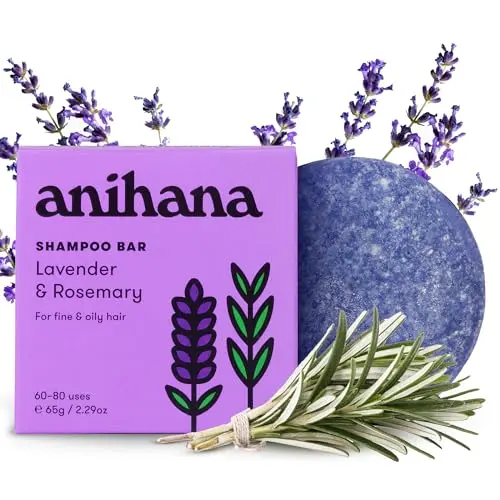
Lavender & Rosemary Shampoo Bar – Lightweight Lift for Fine, Oily Hair
A New Zealand-made bar formulated specifically for thin, fine, and oily hair, with lavender and rosemary for scent and an SLS/SLES-free base that rinses clean without heavy residue.

Hidden Waterfall Shampoo & Conditioner Bar Set – Rice Water Strength Duo
Viori’s rice water shampoo and conditioner bars paired in a vanilla-musk scent, with cocoa butter and botanical oils for moisture, strength, and shine. Compact and bottle-free.

Ginger Shampoo Bar 3-Pack – Low-Cost Everyday Scalp Care
Three ginger extract bars per pack, blended with camellia, olive oil, and shea. The formula targets damaged, frizzy hair and scalp care, and it’s positioned for all ages and hair types.
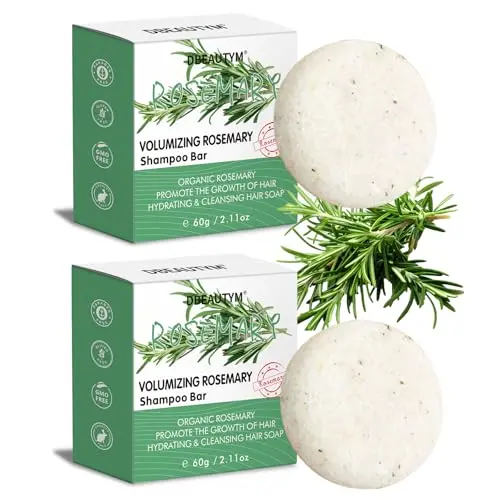
Rosemary Shampoo Bar 2-Pack – Deep Clean for Oily Scalps
A two-bar pack of rosemary shampoo bars with olive oil and shea butter, built for deep cleansing and oil control on fine or oily hair. Also positioned as a small gift set.
How We Evaluated These Natural Shampoo Bars
We didn’t run these bars through a scalp-clinic trial or a multi-month grow-out. What we did: cross-referenced nine natural shampoo bars from seven distinct brands across six decision dimensions – base ingredients and whether each bar is true soap or a detergent-style solid, scent and fragrance-free status, hair-type targeting, lather and rinse behavior, bar longevity and storage, and ingredient exclusions like sulfates, silicones, and parabens. We triangulated published specifications, feature sets, owner feedback where available, and how each bar maps to a specific buyer profile rather than a generic one. We also weighed each formula against realistic reader profiles – fine hair, oily scalp, dry ends, fragrance sensitivity – instead of a single idealized user.
The scoring framework weighted real-world fit (70%) – how well a bar serves the hair type and routine it claims to serve – against feature differentiation (30%) – the traits that actually separate one bar from another, like an unscented formula, a matched conditioner, or a dermatologist-reviewed pH balance. Where branding ran ahead of what the ingredient list could support, we scored the formula on what it can reasonably do: cleanse, condition, and rinse clean. We have no commercial relationship with any brand here; recommendations track fit and differentiation, not brand preference. If you’re shopping blind, the Kitsch Rosemary & Biotin bar is the safest first purchase; if your scalp reacts to fragrance, go straight to the Viori Native Essence bar.
How to Choose the Right Natural Shampoo Bar
1. What 'Natural' Actually Means on a Shampoo Bar Label
There’s no enforcement behind the word natural, so treat it as a starting point rather than a guarantee. The label detail that actually matters is the base. Many solid bars are built on saponified oils – real soap, usually at a higher pH – while others are solid syndet bars engineered to be pH balanced and closer to bottled shampoo in behavior. Neither is automatically better, but soap-based bars tend to leave more film on color-treated or porous hair.
Then scan the exclusion list. Sulfate-free, silicone-free, and paraben-free are the three claims worth verifying, because they affect how a bar feels on the second and third wash rather than the first. A bar can be entirely plant-based and still be loaded with fragrance, which is why fragrance-free is a separate decision from natural.
2. Match the Natural Shampoo Bar to Your Hair Type
Hair type decides more than brand loyalty here. Fine or oily hair does best with lightweight formulas that rinse clean – the Anihana Lavender & Rosemary bar was built specifically for that profile, while Kitsch’s rosemary bar takes a volume angle on the same shopper. Dry, brittle, or thinning hair wants an oil-forward base built on castor and jojoba rather than a light citrus blend. Sensitive scalps and anyone avoiding synthetic perfume should start with an unscented formula instead of a scented one with a mild label.
If you have curly or color-treated hair, look for an explicit all-hair-types claim and a pH-balanced build, since both reduce the risk of a rough transition.
3. Lather, Residue, and the Transition Weeks
Almost every complaint about natural shampoo bars traces back to one of two things: not enough lather, or a waxy feeling during the first couple of weeks. Lather is mostly mechanical – a bar needs more water and more rubbing than a bottle, and the bars here that foam quickly tend to win people over fastest.
The transition period is real but usually short. Hair that’s been coated in silicones can feel waxy or heavy for the first several washes as that coating lifts. If it persists past a couple of weeks, the bar is probably too rich for your hair type rather than defective. Storage is the other half of the equation: a bar that sits in a puddle dissolves and cracks, so a draining dish isn’t optional equipment.
4. Kitsch Rosemary & Biotin vs. Viori Native Essence: Two Natural Bars, Two Different Jobs
These two come up together constantly, and they’re solving different problems. The Kitsch Rosemary & Biotin bar is a performance-first pick – rosemary, biotin, and amaranth protein aimed at fine, flat hair that needs lift, with a fast-building lather and a formula safe on color-treated strands.
The Viori Native Essence bar is the sensitivity-first pick: no added fragrance at all, a rice water and shea base, and a slower, creamier lather. If scent gives you headaches or your scalp reacts to perfume, the decision is already made. If you want volume and don’t mind fragrance, Kitsch does more work per wash.
5. How Long a Natural Shampoo Bar Lasts and How to Store It
Bar longevity varies more than the marketing suggests. Some brands publish a wash count – Anihana rates its bar at roughly 80 washes – while others frame it in bottles replaced, usually about two per bar. Weight is the more honest comparison: a 120-gram bar simply has more material than a 2-ounce one.
Keeping the bar dry between showers is the biggest factor by far. Use a slatted holder, keep it out of the shower spray, and when it shrinks to a sliver, drop it into a soap net rather than tossing it.
6. What Natural Shampoo Bars Cost at Each Tier
Pricing in this category splits into three bands, and the differences are about format more than quality. The entry-level band is dominated by multi-packs and small single bars, often two or three bars for the price of one mid-range pick – sensible if you want to test whether the format suits your hair before committing.
The mid-range band is the single-bar sweet spot, where you’re paying for a formula built around a hair type or an ingredient story. The premium band is matched shampoo-and-conditioner sets, which cost the most per box but replace two liquid products at once. Per wash, the gap narrows more than the sticker prices suggest.
Frequently Asked Questions
1. Are natural shampoo bars sulfate-free, and does it matter?
Most bars marketed as natural are sulfate-free, but not all – and the term covers both SLS and SLES, so read the ingredient panel rather than the front of the box. It matters most if you have color-treated, curly, or dry hair, where harsh surfactants speed up fading and roughness.
The tradeoff is lather. Sulfates foam easily, so sulfate-free bars often need more water and more rubbing to build a head of foam. Bars built on true soap instead can cleanse well but tend to sit at a higher pH, which some hair types find drying over time.
2. What's the difference between the Kitsch Rosemary & Biotin bar and the Viori Native Essence bar?
Formula intent. The Kitsch Rosemary & Biotin bar is built for volume and strand support – rosemary, biotin, amaranth protein, and a fast lather aimed at fine, flat hair. Viori’s Native Essence is built for sensitivity – no added fragrance, a rice water and shea base, and a creamier, slower lather.
Practically: pick Kitsch if you want lift and a fragrance and your scalp tolerates scent. Pick Viori if you need no added perfume or prefer a moisture-forward wash. Neither is gentler in the abstract – they’re gentler for different people.
3. How does The Earthling Co. shampoo bar compare with the Marsmade Castor Oil bar?
They sit at opposite ends of the moisture spectrum. The Mars Made Castor Oil bar is oil-forward – castor, jojoba, moringa, and turmeric – and it suits dry, brittle, or thinning hair where a heavier base is welcome. The Earthling Co. bar is pH balanced and lighter, with marshmallow root and elderberry for strength and vitamin B5 for moisture, which keeps fine and mixed-texture hair from collapsing.
If your hair goes limp under rich formulas, take Earthling. If it drinks up oil and still feels dry, take Mars Made.
4. Do natural shampoo bars work for fine or oily hair?
Yes, but only the lightweight ones. Fine and oily hair needs a bar that rinses clean without a butter-heavy base – Anihana is the most targeted example here, and Kitsch’s rosemary bar takes a volume approach to the same problem.
The tell is how your hair feels on day two. If it’s limp or greasy by morning, the formula is too heavy. If it feels stripped and squeaky, it’s too cleansing. The right bar lands in between and buys you a skipped wash day.
5. How long does one natural shampoo bar actually last?
Longer than it looks, if you keep it dry. Bars in this lineup run from roughly 2 ounces up to a 120-gram block, and some brands publish a wash estimate – Anihana rates its bar at about 80 washes, while others claim one bar replaces around two bottles of liquid shampoo.
Real-world lifespan depends on storage more than anything else. A bar that stays wet between showers softens, cracks, and disappears early; the same bar on a draining dish can run a couple of months of regular washing.
Final Verdict
For most people, the Kitsch Rosemary & Biotin bar is the natural shampoo bar to start with: it lathers like a bottle, supports fine hair with rosemary, biotin, and amaranth protein, and doesn’t punish color-treated strands. If your scalp reacts to fragrance, the Viori Native Essence bar is the one pick here with no added perfume at all. Budget-minded shoppers can try the format three times over with the Starhig ginger 3-pack, and anyone who wants a complete wash-and-condition routine in solid form should look at the Earthling Volumizing set – it costs more, but the conditioner bar is what makes the switch stick.
