
Best Neck Roll Pillows – 2026 Reviews

A neck roll pillow looks almost too simple to matter. It’s a cylinder – sometimes contoured, sometimes filled with hulls or foam – and yet the difference between a helpful one and a frustrating one usually comes down to two things: height and firmness. Get those right for your sleep position, and the roll supports the cervical curve without fighting your head. Get them wrong, and it feels like you’re sleeping on a pool noodle.
The category has more variety than the name suggests. You’ll find low-profile foam rolls for back sleepers, bendable travel pillows, buckwheat hulls you can top off or empty out, and contoured memory foam shapes that blur the line between a roll and a cervical pillow. That range is good news, but it also means the ‘best” pick depends on how you sleep and where you’ll use it.
We compared the market across brands to separate genuinely useful support from pillows that only look therapeutic. The guide below focuses on fit, fill, cover care, and real-world positioning so you can choose the right neck roll pillow without guessing.
Best Neck Roll Pillows – 2026 Reviews
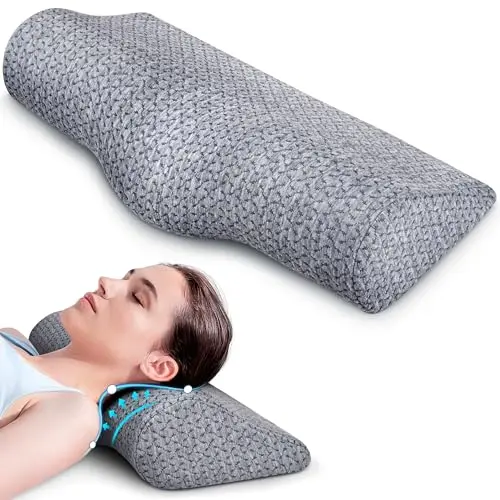
Cervical Neck Pillow – WaterDrop Contour Support
A contoured cervical pillow with a WaterDrop cross-section that blends a neck roll with a broader head-and-neck cradle. High-density memory foam and an adjustable sponge layer let you tune support for back or side sleeping.
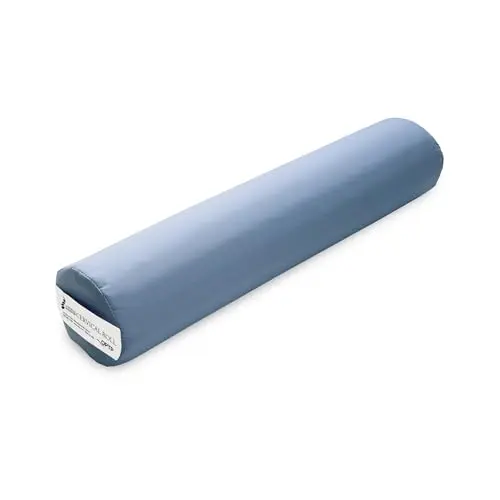
Original McKenzie Cervical Roll – PT-Developed Neck Support
A straightforward cylindrical cervical roll developed within the McKenzie Method. The 20-inch length and 3.5-inch diameter are sized for targeted neck support during sleep, with a removable cover for basic care.
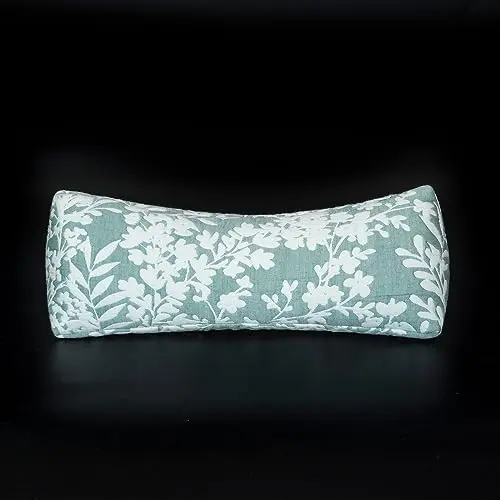
Buckwheat Neck Support Pillow – Adjustable Hull Fill
A buckwheat-hull neck roll with a bone-like cylindrical shape and a hidden zipper cover. It ships with extra hulls so you can add or remove fill to tune height and firmness.
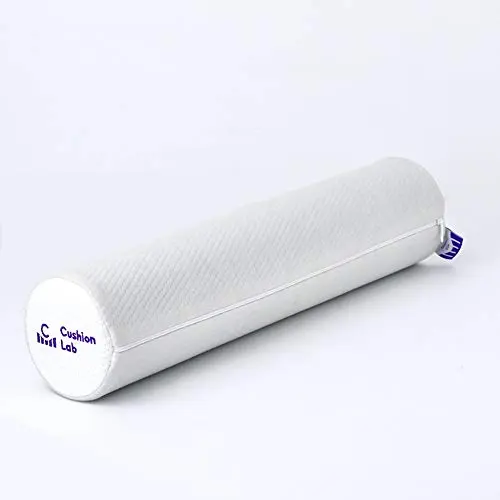
Roll Pillow for Neck Relief – Extra-Dense Gel Memory Foam
A dense cylindrical roll made with gel-infused memory foam and a breathable AIR-LAYER cover. It measures 18 inches long by 4 inches wide and includes a zippered travel bag and a one-year warranty.
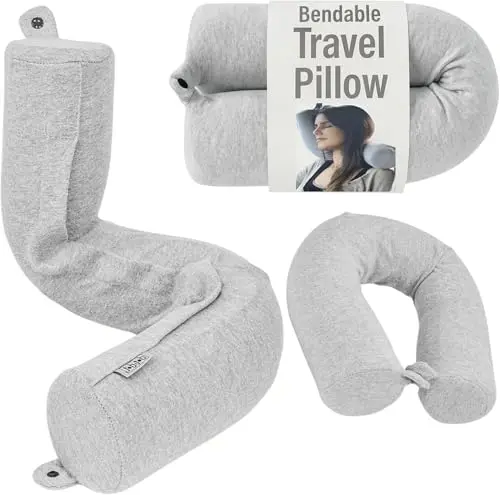
Twist Memory Foam Travel Pillow – Bendable Support on the Go
A bendable memory foam roll with an internal rod that lets you twist it into different shapes. The 26-inch length, snap closure, and washable cotton cover make it a flexible travel and home support pillow.

Firm Round Bolster Pillow – Budget-Friendly Cervical Support
A firm round bolster pillow made from memory foam with a removable cover. The 17-inch by 4-inch size works as a neck roll, lumbar support, or leg spacer, and it’s one of the more budget-friendly ways into the category.
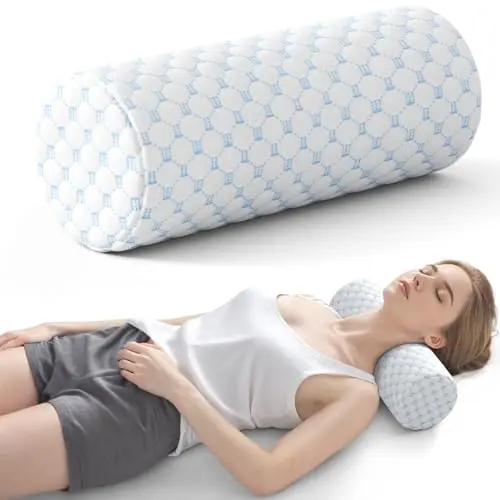
Neck Roll Pillow – Cooling Ice Silk Cover
A large cylindrical neck roll with a cooling ice-silk cover and medium-firm memory foam. At roughly 15.7 inches long and 6 inches in diameter, it’s a substantial bolster for bed, office, or travel use.
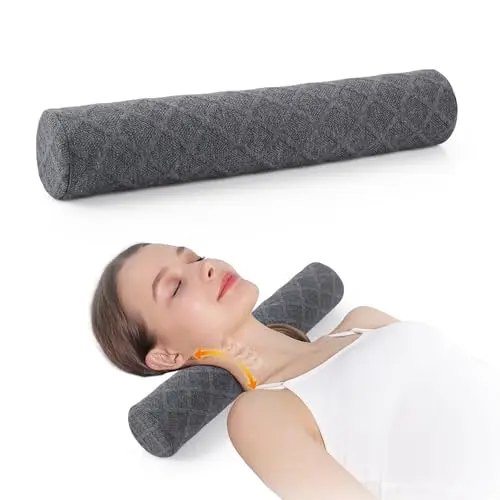
Small Cervical Roll Pillow – Low-Profile Neck Support
A small, medium-soft memory foam cervical roll with a low 3.1-inch profile. The 17.7-inch length and removable cover make it a gentle option for smaller frames or first-time neck-roll users.
How We Evaluated These Neck Roll Pillows
We didn’t sleep on each neck roll pillow for a full month or run pressure-mapping tests. What we did: cross-referenced 8 neck roll pillow models from 8 distinct brands across six decision axes – support height and diameter, fill and firmness, cover care, sleep-position fit, multi-use positioning, and included extras such as travel bags or warranties. We triangulated published specifications, feature sets, owner feedback where available, and use-case fit for back, side, and travel sleepers.
Our scoring weighted real-world fit and support (70%) against feature differentiation (30%) – how clearly each pillow solves a specific need rather than adding decorative extras. We have no commercial relationship with the brands featured; recommendations track fit and differentiation, not brand preference. If you want a contoured cradle for back sleeping, the Demelon Cervical Neck Pillow is the natural starting point. If you prefer a simple, PT-developed cylinder, the Original McKenzie Cervical Roll is the one to compare first.
We also audited the practical details that shape daily use: whether the cover lifts off, whether the fill can be adjusted, how the roll behaves when you shift positions, and whether travel extras actually make the pillow easier to carry. Thin spec sheets were treated as a caution flag, not a reason to pad the write-up. That gap between a tidy spec list and daily comfort is where most neck roll pillows succeed or fail.
How to Choose the Right Neck Roll Pillow
1. Match the Neck Roll Pillow to Your Sleep Position
Back sleepers usually get the most from a roll placed under the neck, where it reinforces the cervical curve without pushing the head too far forward. Side sleepers need a roll that fills the gap between the neck and mattress, but they often pair it with a regular pillow because a cylinder alone rarely provides enough loft. Stomach sleepers should be cautious: too much height can tilt the head back and strain the neck.
If you want a contoured shape that cradles the neck rather than simply propping it, the Demelon Cervical Neck Pillow is the pick. If you prefer a simple cylinder for back sleeping, start with a lower-profile roll and add height only if you feel unsupported.
2. Support Height and Diameter Matter More Than Softness
The diameter of the roll is the spec that most directly affects comfort. A 3-to-4-inch roll suits many back sleepers, while a 4-inch roll is a better middle ground for multi-use support. Six-inch rolls feel much larger and can work for side sleeping or leg support, but they’re easy to overshoot if you’re petite.
Length matters too: a 15-inch roll is compact, while a 20-inch roll stays put more easily. Measure the space between your neck and mattress before choosing, and remember that a softer roll compresses, so a firm 4-inch roll may feel taller than a soft one.
3. Foam, Memory Foam, and Buckwheat Hulls: Which Fill Fits?
Memory foam contours to the neck and is the most common fill in this category, but density varies a lot. Dense foam feels supportive and firm; softer foam feels gentler but can bottom out. Buckwheat hulls are the most adjustable option because you can add or remove fill, and they sleep cooler than solid foam for some people.
If adjustability is your priority, the Buckwheat Neck Support Pillow is the pick. If you want a dense, contouring foam, C Cushion Lab and Demelon are the stronger comparisons; if you want a simple foam cylinder, OPTP and AllSett Health cover that lane.
4. Firmness, Break-In, and Odor Are the Real Adjustment Curve
Almost every neck roll pillow feels strange for the first few nights. A break-in period is normal, especially with firm foam or buckwheat. Start with short sessions – 10 to 15 minutes – and build toward overnight use. Firmness is deeply personal: a roll that feels supportive to one sleeper can feel like a rock to another.
New foam may have a mild scent, so air it out before use. Buckwheat can have a natural, grassy smell that fades. If a pillow feels too tall, try a lower diameter or remove fill; if it feels too soft, look for denser foam rather than stacking pillows.
5. Covers, Cleaning, and Travel Extras
A removable cover is a practical must for a pillow you’ll use nightly. Check whether it’s machine-washable or hand-wash only, and whether the inner foam can be spot-cleaned. Travel extras like a stuff sack or snap closure matter if the pillow will leave your bed.
For travel and recliner use, the Twist Memory Foam Travel Pillow is the pick because it bends into different shapes and attaches to luggage. For a bedside roll, prioritize a washable cover and a shape that stays put over portability.
6. Set a Realistic Budget for a Neck Roll Pillow
This is an entry-level category overall, but the range is wider than you might expect. Budget picks cover basic foam and a washable cover; mid-range options add denser foam, better covers, or adjustable fill; premium picks bring contouring, warranties, or trial periods.
Spend more only if you need a specific feature – adjustable loft, cooling fabric, or a contoured shape. A simple foam roll can work well for back sleeping, while a contoured or adjustable pillow is easier to justify if you’ve struggled with fit.
Frequently Asked Questions
1. What's the difference between the Demelon Cervical Neck Pillow and the OPTP Original McKenzie Cervical Roll?
The Demelon is a contoured cervical pillow with a WaterDrop cross-section, high-density memory foam, and an adjustable comfort layer. It’s designed to cradle the neck and head, and it comes with a 100-night trial and three-year warranty. The OPTP is a simple cylindrical roll with a 20-inch length and 3.5-inch diameter, developed within the McKenzie Method. It does one job cleanly and costs less, but it offers no contouring or height adjustment.
Choose the Demelon Cervical Neck Pillow if you want a plusher, more engineered sleep pillow. Choose the OPTP if you want a low-profile roll for back sleeping and don’t need adjustability.
2. How does the C Cushion Lab Roll Pillow compare with the Glory Season Buckwheat Neck Support Pillow?
The C Cushion Lab roll uses extra-dense gel-infused memory foam in an 18-by-4-inch cylinder, so it feels firm, supportive, and consistent. It includes a travel bag and a one-year warranty. The Glory Season roll uses buckwheat hulls you can add or remove, so it’s the better choice if you want to tune height and firmness. Buckwheat also sleeps cooler for some people, but it rustles and takes adjustment.
For adjustable loft, the Buckwheat Neck Support Pillow is the pick. For a dense foam feel with no fill management, go with C Cushion Lab.
3. Do neck roll pillows help side sleepers?
They can, but side sleepers usually need a taller roll or a roll paired with a regular pillow. A low 3-inch roll often leaves too much gap between the neck and mattress, while a 4- to 6-inch roll fills that space better. The trick is keeping the cervical curve neutral rather than pushing the head up at an angle.
Side sleepers should also consider a multi-use bolster that can go between the knees or behind the back, since a neck roll alone may not replace a full pillow.
4. Can a neck roll pillow replace my regular pillow?
Usually no. A neck roll is a targeted support tool, not a full head-and-shoulder pillow. Most sleepers use one under the neck alongside a regular pillow, especially for back sleeping. Some contoured cervical pillows are larger and can serve as a main pillow, but a simple cylinder is best for spot support.
If you want an all-night main pillow, look for a contoured cervical pillow rather than a narrow roll. If you want targeted traction or a travel nap pillow, a roll is the right shape.
5. How long does it take to get used to a firm neck roll pillow?
Give it a gradual break-in: start with 10 to 15 minutes at a time, then build toward longer sessions. Many sleepers need a week or two before a firm roll feels natural, and buckwheat or dense foam can take longer. If it still feels painful after that, the height or firmness is probably wrong.
Don’t force it. A lower-profile roll or an adjustable-fill pillow is a better next step than pushing through persistent discomfort.
Final Verdict
For most shoppers, the Demelon Cervical Neck Pillow is the answer. It combines a contoured neck cradle, dense memory foam, and a meaningful trial-and-warranty package, so it works well for back sleepers who want more than a bare cylinder.
If you prefer a simple, PT-developed roll, the Original McKenzie Cervical Roll is the cleaner old-school choice. Budget-minded buyers should look at the Firm Round Bolster Pillow for versatile neck and lumbar support. And if the pillow needs to travel, the Twist Memory Foam Travel Pillow bends into the shape you need.
Match the roll to your sleep position, start with a realistic break-in period, and don’t expect one cylinder to solve every neck issue.
