
Best Organic Cotton Duvet Covers – 2026 Reviews

A duvet cover is one of those purchases you notice every night – the coolness against your skin, the way it drapes, whether the insert stays put or bunches into a lump by morning. Organic cotton raises the stakes because you’re paying attention to both the fiber and the finish. The label can say organic, but the cover still has to sleep the way you want.
The two axes that separate a great organic cotton duvet cover from a mediocre one are certification and weave. A credible organic claim should point to GOTS or OEKO-TEX standards, while the weave – crisp percale, smooth sateen, or airy muslin – determines whether the cover feels cool, soft, or textured. Get those right, and details like corner ties and closure type become the finishing touches rather than the whole story.
We looked across the market at organic cotton duvet covers from different brands and compared how each one delivers on feel, breathability, and secure insert fit. The goal is simple: help you choose the texture and certification level that match your bed, not sell you on a single logo.
Best Organic Cotton Duvet Covers – 2026 Reviews
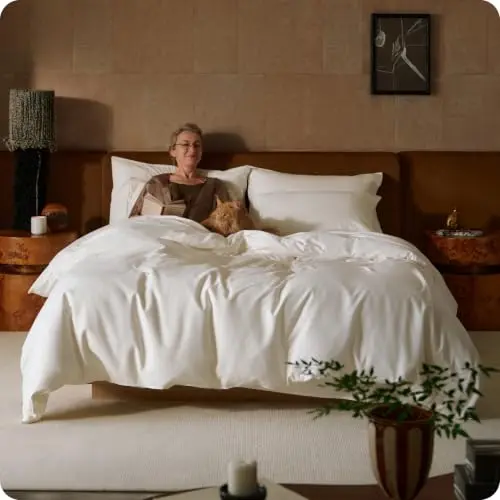
PureWoven Organic Cotton – GOTS-Certified Softness for Sensitive Skin
This is 100% GOTS-certified organic cotton in a 300-thread-count sateen weave, garment-washed and lightly brushed for a soft, relaxed hand. A hidden zipper and eight interior ties keep the insert settled, and the OEKO-TEX certification makes it a thoughtful choice for sensitive skin.
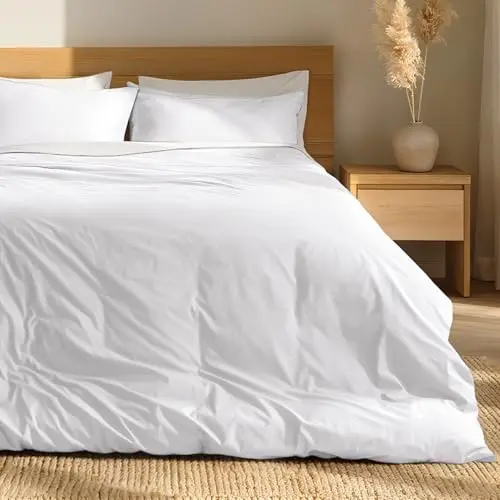
Organic Cotton Percale – Crisp, Cooling Performance
A 100% organic cotton duvet cover in a crisp percale weave, GOTS and OEKO-TEX certified, with a lightweight and breathable feel. The clean white finish and button closure give it a classic, tailored look; the set includes the cover and two matching shams.

Cotton Muslin 3-Layer – Breathable Gauze Comfort
This 100% cotton muslin duvet cover uses a three-layer gauze weave for an airy, textured feel that wicks moisture and gets softer with washing. It’s GOTS and OEKO-TEX certified, with a button closure and eight interior ties to keep the insert in place.
How We Evaluated These Organic Cotton Duvet Covers
We didn’t sleep under each cover for a full season or run lab shrinkage tests. What we did: cross-referenced 3 organic cotton duvet cover models from 3 brands across five decision axes – organic certification, weave and construction, breathability and thermoregulation, closure and insert security, and care and durability. We triangulated published specifications, certification claims, owner feedback where available, and use-case fit for different sleep styles.
Because organic cotton is the defining filter here, we weighted certification claims against construction details instead of treating a label as a finish line. A GOTS claim matters, but so does whether the cover uses crisp percale, smooth sateen, or airy muslin, and whether the closure and ties keep the insert in place. Our scoring framework weighted real-world fit and performance at 70% – how well each cover delivers on breathability, hand feel, and secure coverage – against feature differentiation at 30% – certification depth, weave choice, and thoughtful details.
We have no commercial relationship with the brands featured; recommendations track fit and differentiation, not brand preference. If you want the softest all-around organic cover, the PureWoven Organic Cotton is our top pick; if you prefer a crisp, cool percale feel, the Organic Cotton Percale is the better route.
How to Choose the Right Organic Cotton Duvet Cover
1. Start With Organic Certification, Not Just the Word Cotton
A duvet cover can legally be called cotton without being organic, so start with the certification. GOTS certification is the strongest signal that the cotton was grown and processed under organic standards, from fiber to final fabric. OEKO-TEX Standard 100 is a separate check for harmful substances, which matters if you have sensitive skin or sleep with your face against the bedding. You want organic cotton to mean more than a marketing line, and the certification should be specific enough to verify.
Don’t assume every cover in an organic search result is fully organic. Some use organic cotton in the shell and conventional cotton elsewhere, or they skip certification altogether. If the product page doesn’t name GOTS, OEKO-TEX, or another credible third-party standard, treat the organic claim as unverified.
2. Percale, Sateen, and Muslin: Pick the Weave That Matches Your Sleep Style
The weave changes the sleep experience more than most shoppers expect. A percale weave is crisp, matte, and breathable, which is why hot sleepers often prefer it. A sateen weave is smoother and slightly lustrous, with a softer drape and a bit more warmth. Muslin gauze is airy and textured, often made with multiple layers for a cloud-like feel. None is inherently better – they simply suit different preferences for breathability and hand feel.
If you want the softest, most polished organic cover in this group, the PureWoven Organic Cotton is the pick. Its brushed sateen finish is the opposite of a crisp hotel-style percale.
3. Why Organic Cotton Duvet Covers Need the Right Closure and Corner Ties
Closure and corner ties are not glamorous, but they decide whether your duvet cover stays tidy. A hidden zipper is fast and keeps a clean edge, while a button closure has a more traditional look and is easy to replace if a button loosens. Corner ties matter even more: four is the minimum, and eight gives you better control over a queen or king insert that wants to shift.
If you prefer a classic button-closure cover with a crisp hand, the Organic Cotton Percale is the pick. Just check the tie layout if you move around a lot at night.
4. Care, Wrinkling, and Shrinkage: What Organic Cotton Duvet Covers Really Need
Organic cotton often skips the chemical finishes that make conventional bedding look perfectly smooth, so wrinkling and some shrinkage are normal. Percale and muslin show more texture than sateen, especially right out of the dryer. Wash cold, tumble low, and remove the cover promptly to minimize deep creases. A quick steam is usually enough if you want a crisper look.
If you want a low-fuss, airy cover that gets softer with washing, the Cotton Muslin 3-Layer is the pick. Its gauzy texture is meant to look relaxed, not pressed.
5. Thread Count and Long-Staple Cotton: What Actually Changes the Feel
Thread count is only part of the story. A 300-thread-count sateen can feel smoother than a higher-count percale if the yarn is better. Long-staple cotton produces fewer exposed fiber ends, which means a smoother hand and less pilling over time. Look for weave, yarn quality, and finished feel together rather than chasing a single number.
In this lineup, the organic sateen cover uses a 300-thread-count construction, while the percale and muslin options lean on weave and texture instead of high thread count. That’s a useful reminder that thread count is a specification, not a guarantee of comfort.
6. Budget-Friendly, Mid-Range, and Premium Organic Cotton Duvet Covers
Organic cotton duvet covers span a few clear tiers. Budget-friendly options often use muslin, percale, or a simpler construction, and they can still be certified organic. Mid-range covers typically add softer finishing, better ties, or a more refined weave. At the premium end, you pay for certification depth, long-staple cotton, brushed or garment-washed finishes, and details like a hidden zipper with eight ties.
Spend where you feel the difference: if you want a crisp cool cover, a simpler percale can be enough. If you want the softest hand feel and the most secure insert fit, the premium sateen option earns its place.
Frequently Asked Questions
1. What does GOTS certified organic cotton mean on a duvet cover?
GOTS certification means the cotton has met a third-party standard for organic fiber production and processing standards across the supply chain, including restrictions on harmful chemicals. On a duvet cover, it’s a stronger signal than a vague ‘organic’ label because it covers more than the raw cotton. Pair it with OEKO-TEX Standard 100 if you want an additional check for harmful substances in the finished fabric. Certification doesn’t mean the cover will be wrinkle-free – it means the organic claim is traceable.
2. What's the difference between the Bedsure PureWoven Organic Cotton and the Bare Home Organic Cotton Percale?
Both are certified organic cotton covers, but they go in opposite directions on feel. The Bedsure uses a sateen weave with a garment-washed, lightly brushed finish, so it feels smoother and more substantial, and it adds a hidden zipper plus eight interior ties. The Bare Home is a percale weave with a crisper, cooler hand and a button closure. If softness and secure insert fit are the priority, the PureWoven Organic Cotton is the pick; if you want that classic crisp percale feel, choose the Bare Home. Both carry a GOTS certification.
3. How does the PHF Cotton Muslin 3-Layer compare with the Bedsure organic duvet cover?
The PHF is built around three-layer muslin, so it feels airy, textured, and a little more breathable than a sateen cover. It has a gauze texture on one side and a smooth cotton reverse, with a button closure and eight ties. The Bedsure is the smoother, more polished option thanks to its sateen finish and brushed hand. If you sleep hot or like a relaxed, rumpled look, the PHF has the edge; if you want a softer, more tailored feel and stronger insert security from a hidden zipper, the Bedsure is the better fit.
4. Do organic cotton duvet covers wrinkle more than conventional cotton?
Often, yes – but not because organic cotton is lower quality. Many organic covers skip the anti-wrinkle treatments used on conventional bedding, so wrinkling shows up more readily. Weave matters too: percale and muslin tend to look more textured than sateen. You can minimize creases by removing the cover from the dryer promptly and steaming it briefly. If a perfectly smooth surface is your priority, a sateen weave is the easier place to start.
5. What should hot sleepers look for in an organic cotton duvet cover?
Prioritize breathability over a silky finish. A percale or muslin gauze cover usually feels cooler and more airy than a dense sateen, especially in warm rooms. Look for lightweight construction, moisture-wicking claims that match the fabric, and a weave that lets air move rather than trapping heat. If you want the airiest option here, the Cotton Muslin 3-Layer is the pick for hot sleepers. A crisp percale cover is the other strong route if you prefer a cooler, smoother hand.
Final Verdict
For most people, the PureWoven Organic Cotton is the organic duvet cover to beat: it pairs GOTS-certified cotton with a brushed sateen hand, eight interior ties, and a hidden zipper that keeps the insert settled. If you sleep warm or prefer that crisp, cool hotel-bed feel, the Organic Cotton Percale is the better route. Its percale weave is lighter and more breathable, even if it wrinkles more. And if you want the most affordable organic option with an airy, gauzy texture, the Cotton Muslin 3-Layer is the value pick. None of these are fussy to care for, but each has a distinct feel – soft sateen, crisp percale, or relaxed muslin – so choose the texture you actually want to sleep under.
