
Best Organic Sleep Masks – 2026 Reviews

You pull a sleep mask over your eyes, and the difference between a great night and a mediocre one comes down to two things: whether light sneaks in around the nose, and whether the fabric feels good against your skin at 2 a.m. Organic sleep masks promise a softer, more breathable version of that experience – but the label is looser than it sounds.
In this category, **organic** usually means **mulberry silk** or **organic cotton**, not memory foam or poly satin. Silk is the more common choice because it feels cool, creates less friction, and doesn’t soak up your eye cream the way cotton can. But an organic fiber alone doesn’t guarantee a good mask. Fit, eye-cup depth, and side-sleeper geometry still decide whether you actually stay asleep.
We compared the cross-brand market for organic sleep masks, including a few non-silk alternatives for shoppers who care more about blackout than fiber. The goal is simple: help you pick the right mask for your face, your sleep position, and your definition of organic.
Best Organic Sleep Masks – 2026 Reviews
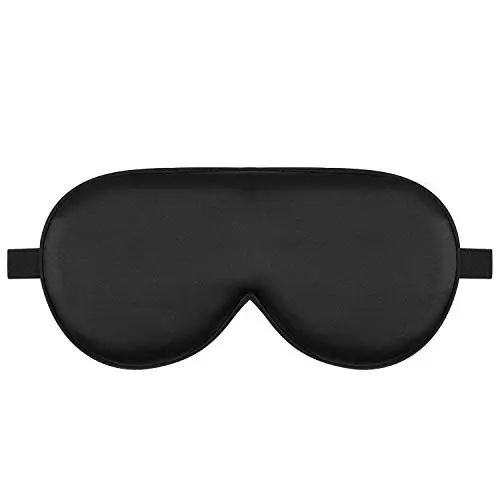
Mulberry Silk Sleep Mask – Genuine Organic Silk for Sensitive Skin
A flat-profile mulberry silk mask built for sensitive skin and hot sleepers. The Grade 5A organic silk is smooth, cool, and less absorbent than cotton or foam, so it won’t wick away eye cream. A higher nose cutout improves coverage without pressing on the bridge.
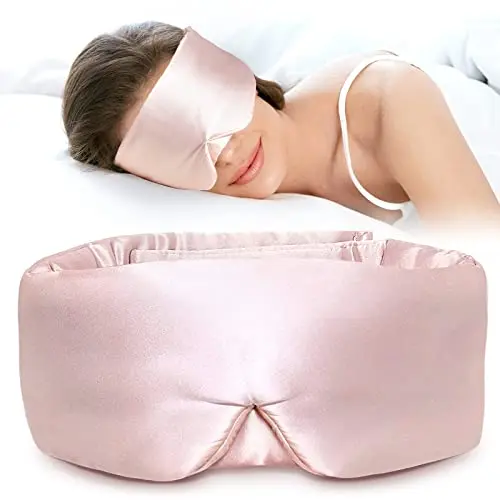
Silk Sleep Mask – 22 Momme Mulberry Silk for Side Sleepers
A face-hugging silk mask that adds a cushioned band and nose wing to the smoothness of mulberry silk. The 22 momme fabric feels denser than a basic silk mask, and the wide band is designed to spread pressure across the face rather than dig in.
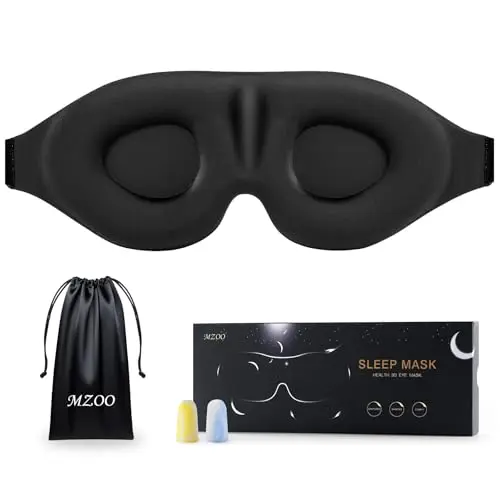
Luxury Sleep Mask – Patented 3D Blackout for Side Sleepers
A contoured memory-foam mask with deep eye cups and a patented nose-bridge cutout. The 13mm eye space protects makeup and lashes, while the 15-degree thin sides are shaped to reduce temple pressure for side sleepers.
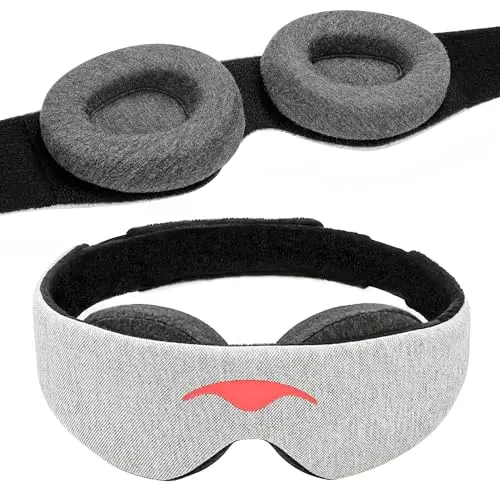
Original Sleep Mask – Adjustable Blackout with Detachable Eye Cups
A modular sleep mask with detachable eye cups that can be repositioned for your face. The Velcro strap and cup angle are infinitely adjustable, and the whole mask is machine washable in a laundry bag. It’s built for back and belly sleepers who want deep blackout without eye pressure.
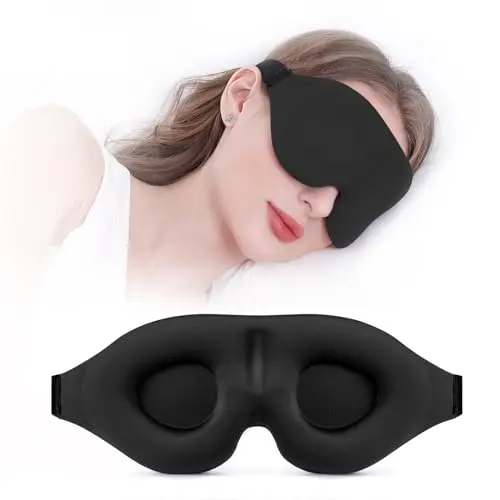
3D Sleep Mask – Budget Blackout for Side Sleepers
A budget-friendly 3D mask with memory foam, wide eye sockets, and an ear-friendly symmetrical strap. The thin sides are shaped for side sleeping, and the fabric is designed to stay cool and breathable.
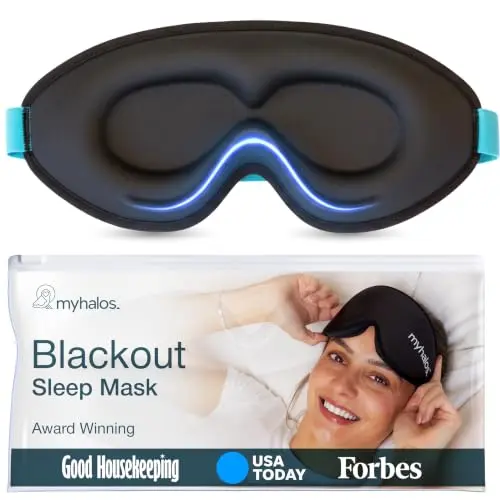
3D Blackout Sleep Mask – Lightweight Side-Sleeper Fit
A lightweight contoured mask with 16mm deep eye cups and a 23mm nose height for blackout coverage. The 16-degree tilt is designed to reduce temple pressure, and the package includes a travel pouch.
How We Evaluated These Organic Sleep Masks
We didn’t run a sleep lab or measure light leakage with a photometer. What we did: cross-referenced 6 sleep masks from 6 brands across six decision axes – organic and natural-fiber content, light blocking, eye pressure and lash clearance, side-sleeper geometry, breathability, and care requirements. We triangulated published specifications, feature sets, owner feedback where available, and use-case fit against representative buyer profiles for this category.
Our scoring framework weighted real-world fit (70%) – how well each mask blocks light and stays comfortable in its intended sleeping position – against feature differentiation (30%) – unique design choices like detachable eye cups, nose cutouts, and machine-washable construction. We have no commercial relationship with any of the brands featured; recommendations track fit and differentiation, not brand preference. If you want the most convincing organic-silk package, the Alaska Bear Mulberry Silk Sleep Mask is the pick; if you need more contour from a natural fiber, the LitBear Silk Sleep Mask is the better route.
We did not physically test these masks over multiple nights or measure fabric breathability in a lab. Instead, we audited the material claims, mapped the geometry to sleeping positions, and weighed owner feedback where it was substantive. That means we can tell you which mask is likely to suit a side sleeper or a sensitive-skin shopper, but not how it will feel on your specific face after a week.
How to Choose the Right Organic Sleep Mask
1. What Makes a Sleep Mask Genuinely Organic?
Organic is not a regulated performance term in sleep masks the way it is in food. In practice, look for **certified organic mulberry silk** or **organic cotton** and a brand that names the fiber and certification. A mask labeled simply ‘silk’ may be pure protein fiber but not certified organic. If the fabric is memory foam, polyester, or poly satin, it is not organic, even if the cover feels soft. The **organic label** should describe the material touching your face, not just the packaging.
2. Organic Sleep Mask Materials: Silk, Cotton, and Synthetic Foam
**Mulberry silk** is the most common organic-adjacent choice because it feels cool, creates less friction, and absorbs less of your **eye cream** than cotton or foam. Organic cotton is breathable and washable but tends to feel drier and less slippery. Memory foam and poly satin can be comfortable and effective at blackout, but they are synthetic. For **sensitive skin**, the smoothest natural fiber is usually the safer bet; for maximum blackout, a contoured foam mask may still win. If organic silk is the priority, the Alaska Bear Mulberry Silk Sleep Mask is the pick.
3. Light Blocking and Fit Matter More Than the Label
The best organic sleep mask still has to block light. Look at the **nose cutout**, eye-cup depth, and side profile; those three details decide whether light leaks in around your cheeks and nose. **Side sleepers** should prioritize **thin sides** and a wide strap that won’t create pressure points. Back and belly sleepers can handle deeper cups and more structure. If you want maximum blackout and will accept a synthetic material, the MZOO Luxury Sleep Mask is the one I’d route you to; if you want to stay in silk, the LitBear Silk Sleep Mask is the better fit.
4. Side-Sleeper Geometry: Eye Cups, Straps, and Temple Pressure
For side sleepers, the mask has to do two jobs: stay sealed without pressing into your temples, and avoid a bulky side that pushes your head off the pillow. **Thin side panels**, angled eye cups, and a **wide adjustable strap** are the features to look for. A **flat silk mask** can work if it wraps close to the face, but it may not block light as completely as a contoured mask. Memory foam adds structure, but it can also feel warmer. Match the geometry to your sleeping position first.
5. Care, Durability, and the Real Cost of Organic Silk
Organic silk is not a toss-in-the-washer material. Most silk masks need **hand washing** in cool water and air drying, and a Velcro closure or thin strap can be the first thing to wear out. Memory foam masks are often hand-wash only too, but some modular designs are **machine washable** in a laundry bag. Spending more on silk only pays off if you’ll care for it. A budget-friendly foam mask that survives regular washing can be the more practical choice for travel.
6. How to Spot Greenwashing in Organic Sleep Masks
Watch for vague phrases like ‘silk-like’, ‘organic feel’, or ‘natural touch’ without a fiber name. A genuine **organic sleep mask** should tell you the fiber, the grade or momme weight, and any certification. Oeko-Tex, GOTS, and eco-certified silk claims are more useful than a leaf icon. If the product page only says ‘breathable fabric’ and never names the material, assume it is synthetic until proven otherwise. The same skepticism applies to anti-aging claims; silk can reduce friction, but it is not a wrinkle treatment.
Frequently Asked Questions
1. Are all silk sleep masks organic?
No. **Silk** describes the fiber, while **organic** describes how the silkworms are raised and how the fiber is processed. A mask can be **100% mulberry silk** without carrying an organic certification. If the organic claim matters to you, look for **certified organic** and a named standard, not just a silky feel. The Alaska Bear Mulberry Silk Sleep Mask is the clearest organic-silk example in this lineup; the LitBear Silk is pure mulberry silk but its listing does not make the same organic claim.
2. Alaska Bear Mulberry Silk vs. LitBear Silk: Which organic sleep mask is better?
They solve different problems. The **Alaska Bear Mulberry Silk** is a **flat, lightweight** mask with **genuine organic silk** and a higher nose cutout; it’s the better choice for hot sleepers and anyone who wants minimal structure. The **LitBear Silk** adds a 22 momme fabric, a face-hugging cushioned band, and a nose wing for more coverage, which makes it the stronger pick for **side sleepers** who need a plusher fit. If organic certification is the deciding factor, go with Alaska Bear Mulberry Silk Sleep Mask; if you want more contour and can accept a pure-silk-not-certified-organic listing, the LitBear is the upgrade.
3. How does MZOO compare with Manta Original for side sleepers?
The **MZOO** is the more conventional side-sleeper mask: **deep 3D eye cups**, thin sides, and a wide adjustable strap at a mid-range price. The **Manta Original** is more modular, with **detachable eye cups** and a Velcro strap that lets you tune the angle, plus it’s **machine washable**. MZOO wins on simple blackout fit and lower cost; Manta wins on adjustability and easier care. For most side sleepers who want a set-and-forget mask, the MZOO Luxury Sleep Mask is the practical pick; if you’ve struggled to get masks to seal, the Manta’s tunability is worth the premium.
4. Do organic silk sleep masks help with sensitive skin?
They can help, but they aren’t a cure. **Mulberry silk** creates **less friction** than cotton or foam, and it absorbs less of your **eye cream**, so it may feel gentler around the eyes. That said, **sensitive skin** can still react to dyes, detergent residue, or a tight strap. Look for odor-free dyes, **hypoallergenic** claims where available, and a washable design. If you have a known silk allergy or react easily, patch-test the fabric against your inner arm before wearing it all night.
5. What's the best organic sleep mask for travel?
For travel, prioritize **lightweight**, **packable**, and easy to adjust. The **Alaska Bear Mulberry Silk** is the simplest organic-silk option to toss in a bag, while the **LitBear Silk** offers more coverage if you sleep on your side in hotels or on planes. A flat silk mask packs smaller, but a **contoured mask** blocks more light in bright cabins. If you want a dedicated travel pouch and a lower-cost backup, the MyHalos is a reasonable non-organic alternative, though it is not silk.
Final Verdict
For most organic shoppers, the Alaska Bear Mulberry Silk Sleep Mask is the answer. It delivers **genuine organic mulberry silk**, a **cool low-friction feel**, and a **simple adjustable fit** without pushing into spa-gift territory. If you sleep on your side and want more contour from a natural fiber, the LitBear Silk Sleep Mask is the upgrade, with a **cushioned band** and **nose wing** that improve coverage. If organic fiber is less important than total blackout, the MZOO Luxury Sleep Mask is the strongest non-silk pick, thanks to its **deep eye cups** and **thin side profile**. And if you want to spend as little as possible on a contoured mask, the YIVIEW 3D Sleep Mask covers the basics. Start with your priority – organic material, side-sleeper fit, or pure blackout – and the choice gets simple.
