
Best Pillow Cases For Acne Prevention – 2026 Reviews

You wash your face, you change your sheets on something resembling a schedule, and then you wake up with a fresh cluster of bumps on the cheek you slept on. Frustrating, and also a clue. No pillowcase is going to clear your skin on its own, but the surface your face presses into for seven or eight hours a night is one of the few variables in that equation you can actually control.
Two things separate a case that helps acne-prone skin from one working against it. The first is friction and absorption: smooth weaves and silk-like fibers drag less and soak up less of the serum, moisturizer, and treatment you put on before bed. The second is moisture and hygiene: a breathable, wicking fabric you can launder hot and often does more for a congested cheek than any single thread count printed on a package.
We looked across the market at satin, mulberry silk, bamboo-derived rayon, and zippered barrier layers, then sorted them by how well each handles those two jobs. What follows is a cross-brand lineup rather than a brand pitch. The right pick depends on whether you overheat at night, how much product you sleep in, and how often you’re realistically going to wash the thing.
Best Pillow Cases for Acne Prevention – 2026 Reviews

PureWoven Bamboo Rayon Pillowcase Set – Cooling for Breakout-Prone Skin
A queen-size set of two pillowcases woven from rayon derived from bamboo in a twill weave, with an envelope closure and a fabric that feels cool against the skin.
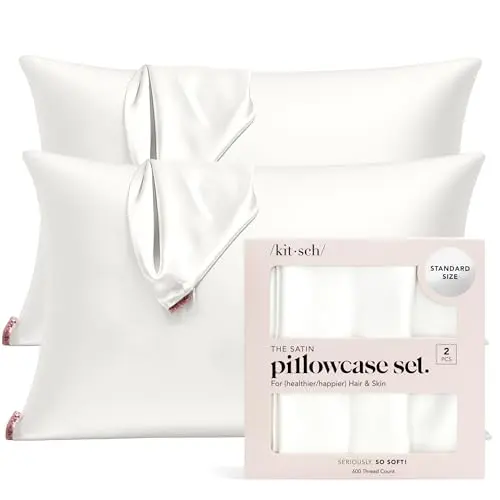
Satin Pillowcase with Zipper – Secure, Cool Beauty Sleep
A two-pack of standard/queen satin pillowcases in ivory with a full zipper closure, finished to feel cool and resist wrinkling.
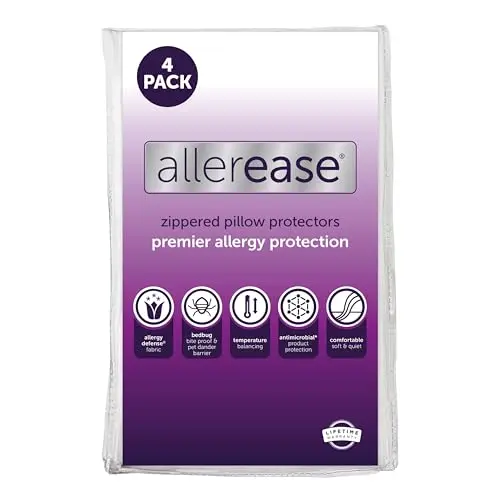
Premier Zipper Pillow Protector – Tightly Woven Barrier Layer
A four-pack of fully encasing, zippered pillow protectors in Standard/Queen with tightly woven polyester fabric and a temperature-balancing finish.
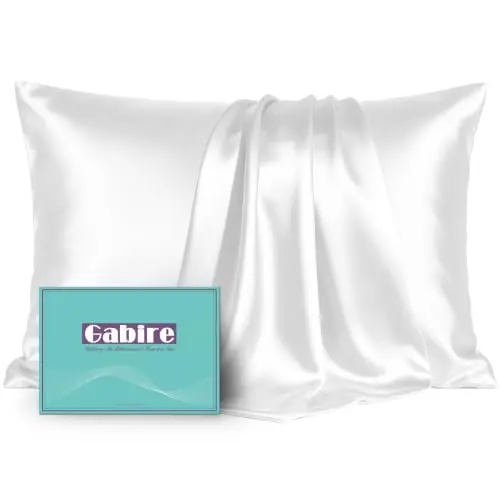
Mulberry Silk Pillowcase – Two-Sided Silk with Hidden Zipper
A single standard-size pillowcase made from mulberry silk on both sides, with a color-matched hidden zipper and reinforced stitching at four stitches per centimeter.
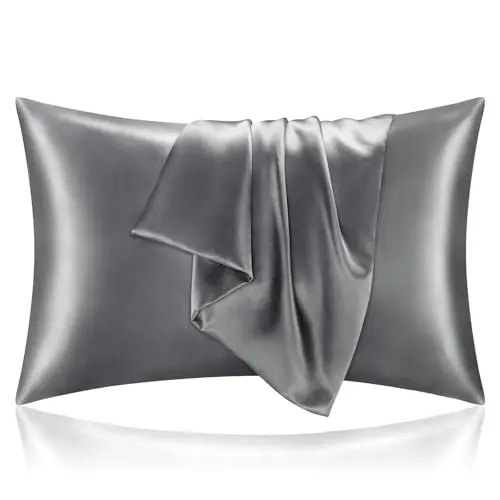
Satin Pillowcase Set – Smooth Budget Satin for Face and Hair
A queen-size set of two satin polyester pillowcases in dark grey with an envelope closure and a smooth, silk-like drape.
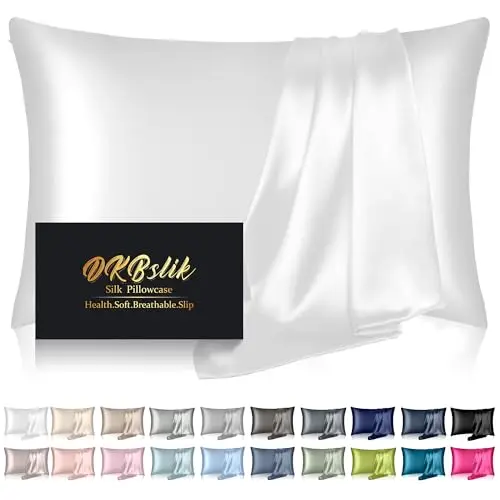
Mulberry Silk Pillowcase – Hidden Zipper Silk for One Pillow
A single standard-size pillowcase in mulberry silk on both sides with a hidden zipper and reinforced four-stitch-per-centimeter construction.
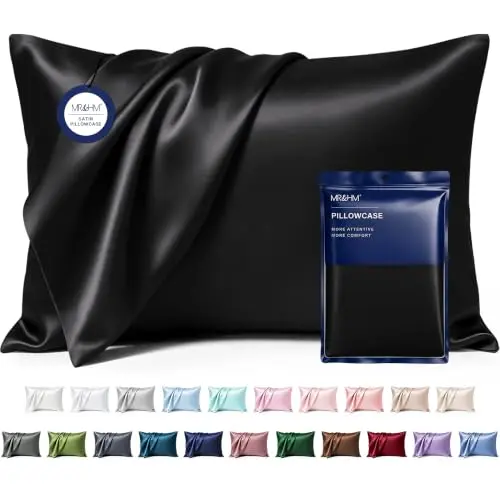
Satin Pillowcase 2 Pack – Zipper-Free Everyday Satin
A two-pack of black queen-size satin pillowcases with an envelope closure and a smooth, dense satin feel.

Mulberry Silk Pillowcase – Single Silk Cover, Hidden Zip
A single standard-size mulberry silk pillowcase in light grey with a hidden zipper and a smooth, cool hand feel.
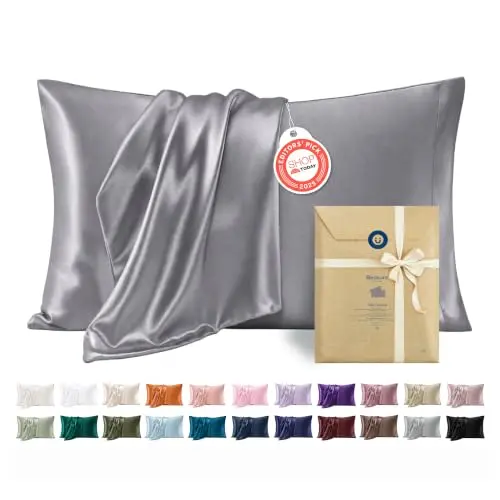
Satin Pillowcase Set – Vegan Satin in Dozens of Colors
A queen-size set of two satin polyester pillowcases in dark grey with an envelope closure, available in a wide range of colors.
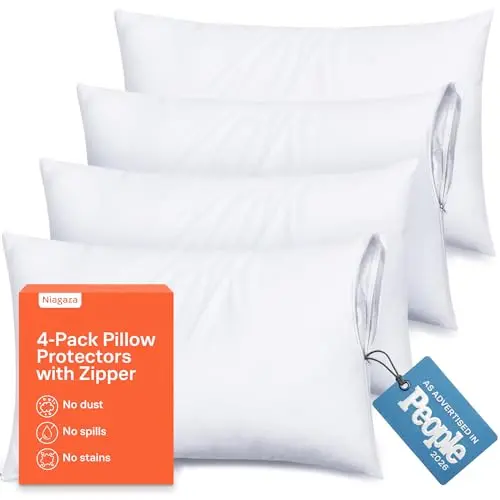
Ultra Soft Pillow Protectors – Zippered Four-Pack Barrier
A four-pack of standard-size zippered pillow protectors in white microfiber, designed as a washable barrier layer under your pillowcase.
How We Evaluated These Pillow Cases for Acne Prevention
A few things we can’t tell you: we didn’t run skin trials, recruit a breakout panel, or track anyone’s complexion over a couple of months. What we did: cross-referenced 10 pillow cases from 9 distinct brands across five decision axes – fabric and weave, moisture handling, closure and fit, care requirements, and price tier. We triangulated published specifications, absorbed owner feedback where available, and mapped each option against representative buyer profiles for acne-prone sleepers.
The scoring framework weighted real-world fit for acne-prone skin (70%) – friction, absorption, breathability, and how easily a case slots into a frequent-wash routine – against feature differentiation (30%) – closure design, certifications, available sizes, and durability signals. Silk, polyester satin, bamboo-derived rayon, and zippered protectors do genuinely different jobs here, so we benchmarked within fabric families before comparing across them. We have no commercial relationship with any brand featured; recommendations track fit and differentiation, not brand preference. If you sleep hot and want moisture off your face, the Bedsure PureWoven is your match; if you want zip-secured satin and don’t mind paying for the finish, the Kitsch Satin Pillowcase with Zipper earns its place.
Where the data was thin, we kept the write-up short rather than padding it. Where feedback split on a specific point – seam durability, real-silk feel, sizing – we flagged it as a consideration instead of smoothing it over. A pillowcase is a small purchase with a narrow job: reduce friction, absorb less, and survive the wash. Judge these picks on that narrow job and you’ll land in the right place.
How to Choose the Right Pillow Cases for Acne Prevention
1. What Actually Helps Acne-Prone Skin in a Pillowcase
No pillowcase clears acne. What a good one does is remove three daily irritants: friction against the skin, absorption of the products you apply before bed, and the buildup of oil, sweat, and residue on a surface you probably don’t wash often enough. Those are the levers worth comparing.
Friction is the easiest to feel. Coarse cotton percale creates drag; satin and silk let skin slide. If you wake with creases on one cheek or along your jaw, that’s the side you slept on, and those sleep lines are a useful proxy for how much mechanical irritation your skin is absorbing. Absorption matters just as much – a thirsty fabric drinks moisturizer and treatment off your face overnight, while a low-absorbency fiber keeps more of what you applied where you applied it. And washability ties it together: a case you can launder hot and change twice a week beats a luxurious one you wash monthly.
2. Satin vs. Mulberry Silk vs. Bamboo Rayon for Acne-Prone Skin
These three fabrics get marketed almost interchangeably, and they are not the same thing. Polyester satin is the cheapest route to a smooth surface: slick and low-friction, but it doesn’t breathe as well as natural fibers and it holds warmth. Mulberry silk is the natural version – protein-based, cool to the touch, and low-absorbency, which is why it’s the default recommendation for skin and hair. It also costs more and demands gentler care. Bamboo-derived rayon lands between the two on price and beats both on moisture wicking, the quality that matters most if you sweat at night.
If your skin is oily and you overheat, bamboo rayon is the more logical choice – the Bedsure PureWoven is the one we’d point you to. If your issue is product transfer and creasing rather than heat, silk does more for you, and the Gabire Mulberry Silk Pillowcase is the value pick there. If you mainly want a smooth surface you can afford to replace, satin is fine – how often you wash it matters more than the fiber label.
3. Why Washability Beats Thread Count for Acne-Prone Skin
Thread count is the number printed on the front of the package, and it tells you very little about whether a case will help your skin. Weave tightness and fiber type do the real work. A densely woven protector blocks dust and oil from reaching the pillow core; a smooth case reduces drag at the surface. Neither of those has much to do with a 600 versus an 800 count.
What matters is whether you can wash it hot, dry it fast, and get it back on the bed without a ritual. Cases that need cold water and air drying are beautiful and inconvenient, and inconvenience means fewer washes. If hygiene is your priority over hand feel, the Aller-Ease Premier Zipper Pillow Protector is built for hot washing and handles the abuse.
4. Envelope Closure vs. Hidden Zipper: Fit Changes the Answer
An envelope closure folds the fabric over itself – no hardware, nothing to poke you in the cheek, nothing to break in the wash. The tradeoff is that a thin or over-stuffed pillow can work its way out overnight, leaving you asleep on whatever is underneath. A hidden zipper locks the case in place and removes that failure mode entirely, which is why most of the silk options here use one.
For side sleepers who move a lot, a zipper is worth the small extra effort at laundry time. For anyone who rolls onto their stomach and presses a cheek into the pillow, placement is the thing to check – look for a zipper tucked into a seam or a protective pocket rather than a pull sitting proud of the fabric.
5. Do You Need a Pillow Protector Under Your Case?
Most people skip this layer, and it’s the one with the clearest hygiene case. Your pillow core is the thing you can’t launder. A zippered protector creates a washable barrier between your face’s overnight output and a pillow you’ll keep for years, and it’s the layer you can wash hot without worrying about wrecking a silk finish.
Think of it as two separate jobs: the protector handles hygiene, the case handles feel. Running both is the setup that lets you wash frequently without cycling expensive silk every other day. A four-pack of protectors plus two satin or silk cases covers a full bed and a mid-week change.
6. What a Pillowcase That Works Actually Costs
Price tiers in this category are unusually compressed. Budget satin sets cost about what a coffee run does, and honestly, if you’re going to wash the thing constantly, cheap and replaceable has real merit. Mid-range bamboo rayon and entry-level silk are where most people should land – a better fiber and a closure that holds, without paying for packaging.
Premium satin and silk buy you finishing: a zipper that stays put, fabric that resists wrinkling, and a look that reads more hotel than dorm. That’s a legitimate upgrade, but it’s an upgrade in feel and fit, not in acne outcomes. Don’t assume the most expensive case is doing more for your skin – the difference between tiers is mostly construction and longevity, not chemistry.
Frequently Asked Questions
1. Do pillowcases really help prevent acne?
Indirectly, yes, and it’s worth being precise about how. A pillowcase doesn’t treat acne, but it is a surface your face rests against for hours, and the wrong one adds friction, strips skincare products off your skin, and holds onto oil and residue between washes. Switching to a smooth, low-absorbency case and washing it more often removes some of that daily irritation.
If your breakouts cluster on one cheek or along the jaw, that’s a strong hint the pillow is a contributing factor rather than the entire story. Change the case every two to three days for a few weeks and see whether that pattern shifts before you spend up for a premium option.
2. How often should you wash a pillowcase if you're acne-prone?
Every two to three days is the working target, and a spare set is what makes that realistic. Hot water is fine for cotton, microfiber, and polyester satin. Mulberry silk wants cold water and air drying, which is exactly why a two-pack or a rotation of less expensive cases is often the smarter buy for someone washing constantly.
If you use a leave-on treatment at night, assume the case is picking up residue and lean toward the more frequent end of that range. Two cases in rotation beats one expensive case washed weekly.
3. What's the difference between the Gabire Mulberry Silk Pillowcase and the DKBslik Mulberry Silk Pillowcase?
Both are single standard-size cases in two-sided mulberry silk with hidden zippers, so the choice comes down to finishing. The Gabire Mulberry Silk Pillowcase uses reactive dyeing for colorfastness, reinforces stitching at four stitches per centimeter, and color-matches the zipper to the fabric. The DKBslik Mulberry Silk Pillowcase takes a similar approach with a wider opening and a longer guarantee period.
If fade resistance and cleaner zipper integration matter to you, go Gabire. If you want a roomier opening so changing the case is quicker, DKBslik is the easier one to live with.
4. Bedsure PureWoven vs. BEDELITE Satin: which is better for acne-prone skin?
They solve different problems. The Bedsure PureWoven is bamboo-derived rayon with a moisture-wicking, cool-to-touch weave and third-party certification – the better fit if you sweat at night or sleep hot, and worth the step up in price. The BEDELITE Satin is polyester satin: smoother than cotton and inexpensive enough that owning several and washing them constantly is painless.
Pick Bedsure if heat and moisture are your main trigger. Pick BEDELITE if your priority is having a clean case on the pillow every other night without thinking about cost.
5. Will a zipper closure irritate acne-prone skin?
Only if it’s positioned badly. A hidden zipper set into a seam or a small fabric pocket sits flush and stays away from your face; a color-matched zipper on a silk case is the standard design for exactly that reason. The risk case is a pull tab left exposed on the sleeping surface, where it can press into a cheek or jaw.
If you’re a face-down sleeper, an envelope closure removes the question entirely – just accept that a thin pillow may slide out overnight.
Final Verdict
For most people dealing with congestion on one cheek, the Bedsure PureWoven is the answer. It’s bamboo-derived rayon, so it wicks moisture instead of holding it against your face, it feels cool from the first minute, and it’s certified and machine washable – the three things that actually move the needle for acne-prone skin.
If you’d rather spend as little as possible and wash often, the BEDELITE Satin set does the job for a fraction of the cost, and owning several is the real strategy. If you want a case that stays exactly where you put it and you don’t mind paying for the finish, the Kitsch Satin Pillowcase with Zipper is the premium call. And if you’ve never protected the pillow itself, start with the Aller-Ease Premier Zipper Pillow Protector – hygiene first, feel second.
