
Best Pillow Protectors For Allergies – 2026 Reviews

You wake up congested, sneezy, or itchy-eyed, and the first thing you blame is pollen. But your pillow spends eight hours pressed against your face, and it can collect dust mites, pet dander, and everyday dust in its fill. A good pillow protector for allergies is less about a fancy label and more about whether the barrier actually seals, breathes, and survives repeated washing.
The market splits into two broad camps: woven cotton covers that feel like nice bedding and create a tight dust barrier, and waterproof encasements with a membrane that blocks dust mites, bed bugs, and spills. The right choice depends on whether your main trigger is dust and dander or whether you also need moisture protection. Quietness and fit are the other make-or-break details, because a crinkly cover or a too-small protector ends up in the closet instead of on the bed.
We cross-shopped protectors across brands with allergy relief in mind, comparing barrier type, fabric feel, closure design, and care requirements. Below is the lineup that makes the most sense for allergy-sensitive sleepers, with clear picks for budget, premium, dust mite focus, and comfort-first buyers.
Best Pillow Protectors for Allergies – 2026 Reviews
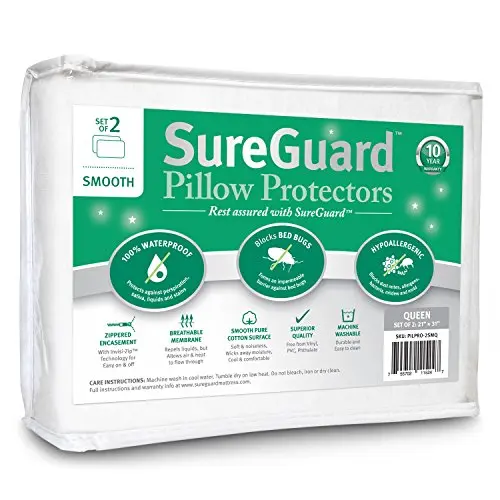
Queen Pillow Protectors – Lab-Certified Allergen Barrier
A queen-size zippered encasement designed for allergy-sensitive sleepers, with a waterproof backing and a smooth cotton face. The fine zipper seals the pillow fully, and the fabric is meant to stay quiet under a standard pillowcase.
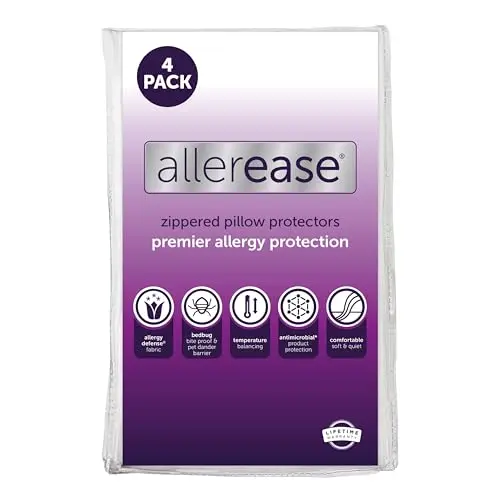
Premier Zipper Pillow Protector – Temperature-Balancing Allergy Defense
A four-pack of standard/queen zippered protectors with a tightly woven allergy barrier and temperature-balancing fabric. The soft polyester surface is designed to stay quiet, and the zip closure fully encases the pillow.
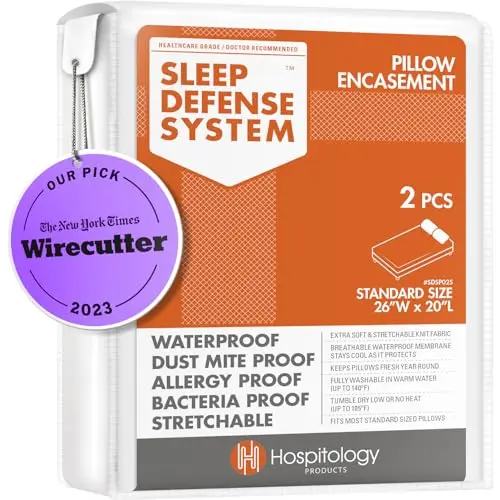
Sleep Defense System Encasement – Dust Mite & Bed Bug Barrier
A standard-size two-pack of zippered encasements with a soft polyester knit face and a breathable waterproof membrane. Designed to block dust mites, bed bugs, and spills while staying comfortable under a pillowcase.
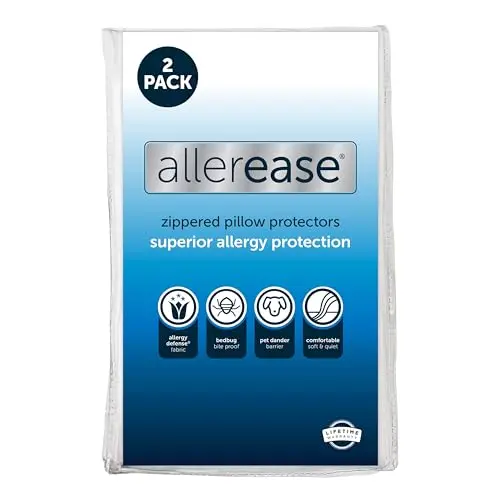
Allergy Pillow Protector – Allergist-Recommended Barrier
A two-pack of standard/queen zippered protectors with tightly woven fabric aimed at household allergens. The soft, breathable surface is designed not to retain heat, and the closure fully encases the pillow.
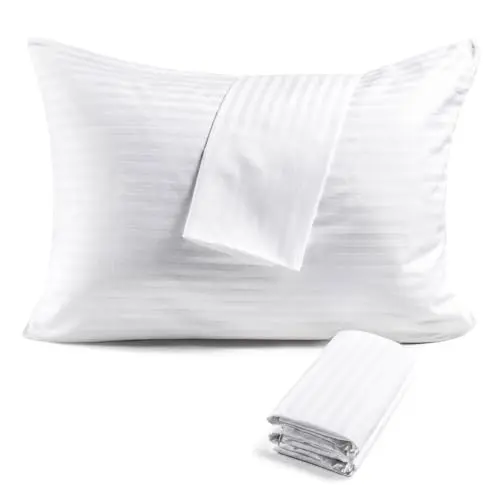
600TC Cotton Pillow Protectors – Hotel-Grade Allergy Comfort
A four-pack of standard-size cotton protectors with a 600-thread-count sateen feel and a silent zipper. OEKO-TEX certified and machine washable, they’re built for comfort-first allergy routines.
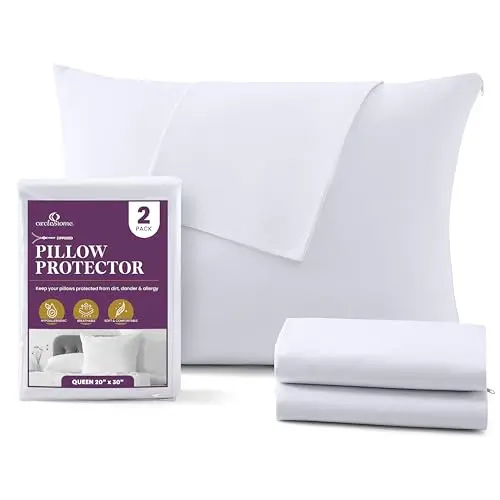
Cotton Zippered Pillow Protectors – Breathable Dust Barrier
A queen-size two-pack of 100% cotton zippered protectors with a hidden YKK zipper. The tight cotton weave is designed to keep dust and dander away without a plasticky feel.
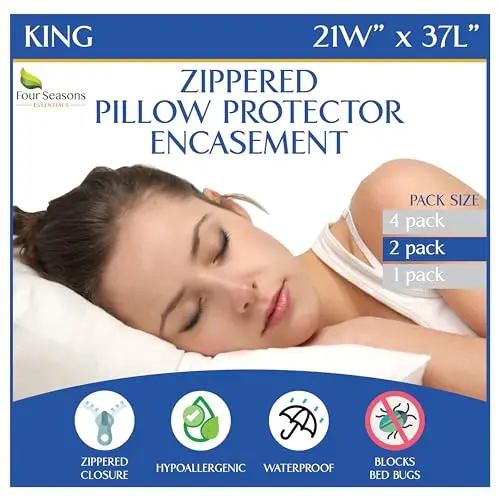
Waterproof Dust Allergy Encasement – Zippered Protection
A two-pack of zippered pillow encasements with a stretchy fabric face and a waterproof polyurethane lining. Designed to block dust, pet hair, and moisture while staying soft and quiet.
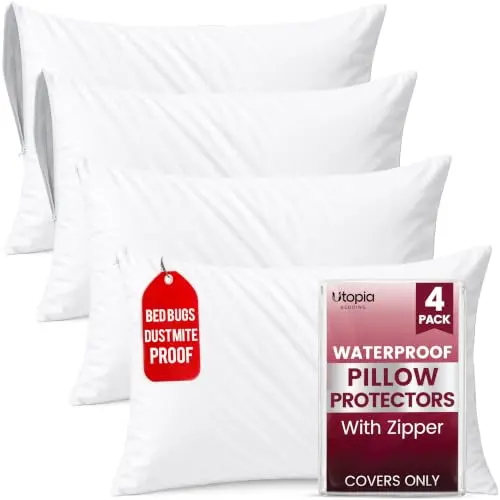
Waterproof Pillow Protectors – Bed Bug & Dust Mite Defense
A four-pack of queen-size zippered protectors with a soft jersey face and a TPU waterproof barrier. Designed for bed bugs, dust mites, spills, and everyday freshness.
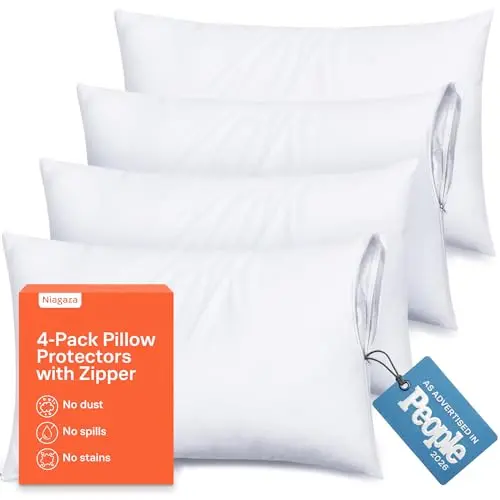
Ultra Soft Zippered Pillow Protectors – Four-Pack Value
A four-pack of standard-size microfiber protectors with a high thread count and auto-lock zipper. The tight weave is designed to keep dust off the pillow while staying cool and soft.
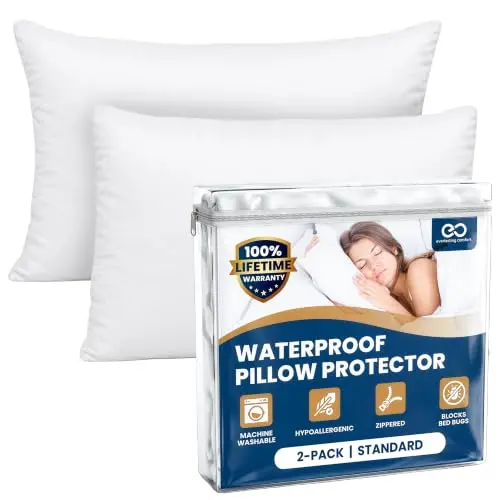
Waterproof Pillow Protectors – Moisture Defense for Hot Sleepers
A standard-size two-pack with a soft breathable knit face and a waterproof layer, designed to protect pillows from moisture while staying comfortable.
How We Evaluated These Pillow Protectors for Allergies
We didn’t run lab allergen-penetration tests or sleep trials through a full allergy season. What we did: cross-referenced 10 pillow protector models from 9 distinct brands across six decision axes – allergen-barrier type, fabric and breathability, waterproofing, closure design, fit and size range, and care and warranty. We triangulated published specifications, feature sets, owner feedback where available, and use-case fit for allergy-sensitive sleepers, then mapped each option against the most common triggers: dust mites, pet dander, pollen, and accidental spills. We also weighed how each cover behaves under a real pillowcase, because a noisy or stiff protector tends to get abandoned even when the barrier itself is sound. The goal was not to crown a single fabric but to separate true barriers from covers that only feel protective.
The scoring framework weighted real-world allergy fit (70%) – how well each protector seals, breathes, and holds up to washing – against feature differentiation (30%) – certification, closure quality, temperature regulation, and size coverage. We have no commercial relationship with any of the brands featured; recommendations track fit and differentiation, not brand preference. We also favored protectors with clear care instructions and warranties that match the way allergy bedding actually gets washed. If dust mites and bed bugs are your priority, the SureGuard Pillow Protectors are the strongest all-around barrier. If you want a four-pack with temperature-balancing fabric, the Aller-Ease Premier Zipper Pillow Protector is the better value route.
How to Choose the Right Pillow Protectors for Allergies
1. What Allergy Sufferers Should Look for in Pillow Protectors
The most important feature is a zippered encasement that closes on all sides. A pillow protector that merely slips on like a pillowcase leaves an open edge where dust can settle and mites can move in. Look for a tightly woven fabric or a sealed membrane, because the barrier has to be fine enough to block dust mite allergens and pet dander rather than just visible dirt. Certification isn’t everything, but a GREENGUARD Gold or OEKO-TEX label can help narrow the field. If you want the most certified barrier, the SureGuard Pillow Protectors are the benchmark here.
2. Allergen Barrier Types: Woven Cotton vs. Waterproof Encasements
Woven cotton protectors rely on a dense weave to keep dust and dander out while remaining breathable. They feel like bedding and are usually quiet, but they are not designed for spills. A waterproof membrane adds a polyurethane or TPU backing that blocks moisture and can also stop allergens from passing through, though breathability varies a lot by design. For a dedicated dust mite and bed bug encasement, the Sleep Defense System Encasement is the specialist pick; for a softer cotton feel, a woven cover makes more sense.
3. Breathability and Quietness Matter More Than You Think for Allergies
A protector can have a perfect barrier and still fail in daily use if it crinkles or sleeps hot. Look for a cover that stays quiet under a pillowcase, especially if you’re a light sleeper. Hot sleepers should favor a cotton face or a breathable membrane rather than a thick vinyl-feeling backing. Temperature-balancing fabric is a nice bonus if you tend to overheat, but the bigger issue is whether the cover traps air and makes the pillow feel stiff.
4. Getting the Fit Right: Standard, Queen, and King Pillow Protectors
Pillow sizes are not as standardized as you’d hope. Measure your pillow before ordering, especially if it is overstuffed or has a high loft. A standard protector often fits a 20 x 26 pillow, while queen covers commonly run 20 x 30. Stretch fabric can forgive a little extra depth, but a cover that is too small will strain the zipper and a cover that is too large will bunch under the pillowcase.
5. Washing and Maintaining Pillow Protectors for Allergies
Allergy bedding only works if you keep up with laundering. Wash weekly if you have dust mite or pet dander sensitivity, and dry completely before putting the protector back on the pillow. Close the zipper before washing to protect the teeth, and follow the care label for temperature. A spare set makes the routine much easier, because you can strip the bed and replace the cover without waiting for laundry.
6. How Much to Spend on Pillow Protectors for Allergies
You can spend very little on a basic woven protector or pay more for a certified, waterproof encasement with a long warranty. The smarter way to compare is per-pillow cost and how often you’ll wash it, not the shelf price alone. A budget-friendly set can be fine if it fits well and seals shut; a premium set earns its keep when it adds certification, better zipper hardware, or a more durable waterproof layer. If you’re protecting a whole house on a budget, the Allergy Pillow Protector is the practical pick.
Frequently Asked Questions
1. Do pillow protectors really help with allergies?
Yes, if they fully encase the pillow and you wash them often. The point is to put a washable barrier between you and the fill, where dust mites, pet dander, and dust collect. A zippered encasement with a tight weave or sealed membrane does more than a loose pillowcase. To keep the barrier effective, wash weekly and dry thoroughly. If dust mites are the main trigger, the SureGuard Pillow Protectors are the strongest barrier in this lineup.
2. What's the difference between the SureGuard Pillow Protectors and the Aller-Ease Premier Zipper Pillow Protector?
The SureGuard is the more certified, waterproof option: it is GREENGUARD Gold certified, has a waterproof backing, and uses a cotton face with a fine zipper seal. The Aller-Ease Premier is less about spill protection and more about all-around comfort, with temperature-balancing fabric, a four-pack, and a lifetime limited warranty. Choose SureGuard if dust mites, bed bugs, and moisture are all concerns; choose Aller-Ease Premier if you want a softer four-pack for multiple beds.
3. How does the Hospitology Sleep Defense System compare with the Utopia Bedding Waterproof Pillow Protectors?
Both are zippered waterproof options with dust mite and bed bug claims, but they are built for different priorities. The Hospitology is a dedicated encasement with a soft knit face and a side-mounted zipper, and it comes as a standard two-pack. The Utopia is a four-pack value play with a jersey feel and a waterproof barrier; it covers more pillows for less, but the synthetic feel and zipper placement won’t suit everyone. Pick Hospitology for a focused barrier; pick Utopia for broad coverage.
4. Are waterproof pillow protectors bad for hot sleepers with allergies?
Not necessarily, but a poorly designed one can trap heat and make the pillow feel clammy. Look for a breathable membrane and a cotton face if you sleep hot; those details matter more than the word waterproof on the package. A quiet, breathable cover is more likely to stay on the bed, which is ultimately what keeps allergy protection working. Hot sleepers should also avoid thick, stiff backings that trap air.
5. How often should I wash pillow protectors for allergies?
Once a week is the practical target for allergy-sensitive sleepers, especially during pollen season or if pets sleep on the bed. Dry completely before putting the protector back on the pillow, because a damp cover can encourage mold and mildew. Keep a spare set so you can rotate covers without rushing the laundry, and follow the care label for heat settings. If you want a budget-friendly spare set, the Allergy Pillow Protector is a practical choice.
Final Verdict
For most allergy-sensitive sleepers, the SureGuard Pillow Protectors are the pick that covers the most ground: a certified allergen barrier, a waterproof backing, a quiet cotton face, and a full zipper seal. If you want a four-pack with temperature-balancing fabric and a lifetime warranty, the Aller-Ease Premier Zipper Pillow Protector is the better value route. On a tight budget, the Allergy Pillow Protector delivers the core allergist-recommended barrier for very little. And if dust mites or bed bugs are the specific worry, the Sleep Defense System Encasement is the dedicated encasement to beat. Start with the barrier type that matches your trigger, then choose the fit and fabric feel you’ll actually keep on the bed.
